Search
Stephen Johnson
Executive Editor, Big Think

Stephen Johnson is Executive Editor at Big Think. His writing has appeared in PBS, U.S. News & World Report, and newspapers and magazines across the Midwest. He lives in St. Louis.
Read Less
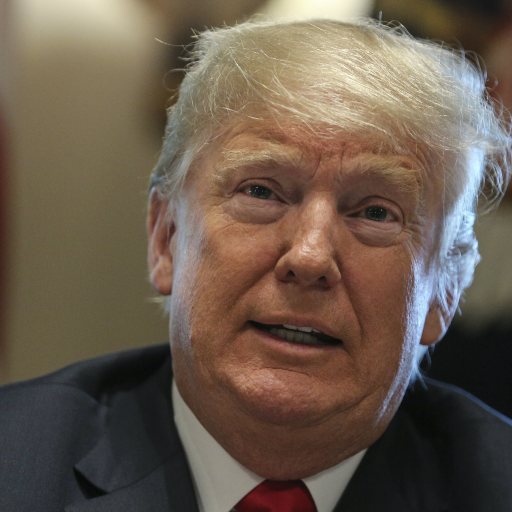
After speaking with the world's "top business leaders", President Donald Trump has asked the SEC to study the potential impacts of removing rules that require companies to file reports with the agency every three months.

Out of 45 samples, glyphosate was present in all but two, and almost three-quarters of the samples were found to have glyphosate levels that exceeded the EWG’s ‘health benchmark’.
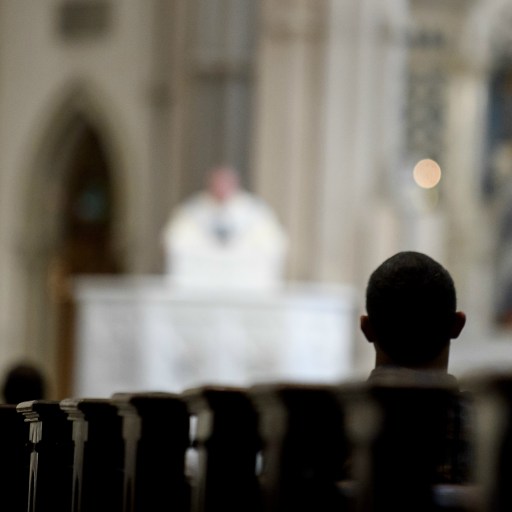
Over the past 70 years, the Roman Catholic Church in Pennsylvania has been covering up child sexual abuse by hundreds of priests, according to a new report issued by a grand jury on Tuesday.

A new study used massive amounts of data from an online dating service to explore what makes someone desirable, and how people go about attracting partners online.
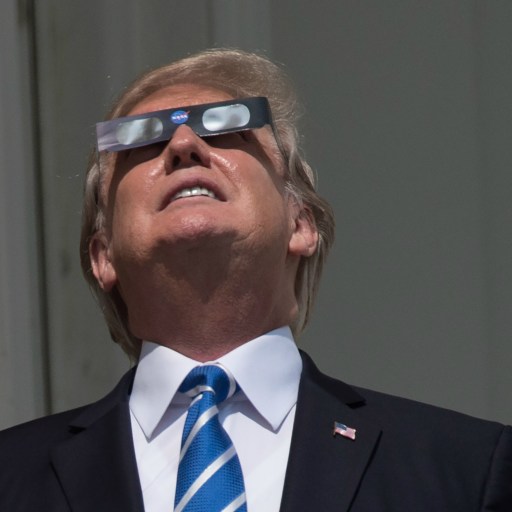
The Union of Concerned Scientists recently surveyed more than 63,000 scientists from 16 federal agencies, revealing a range of attitudes toward the current administration.
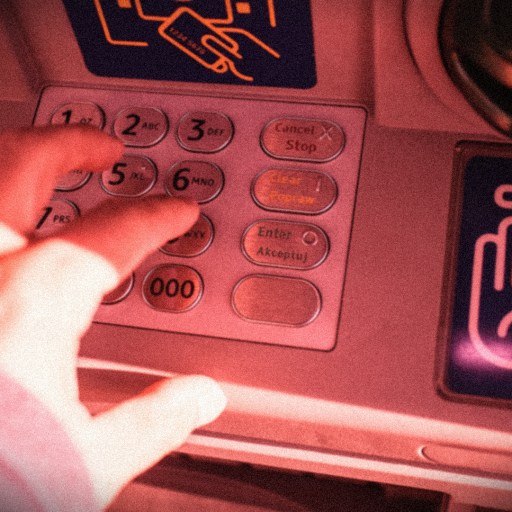
The FBI has warned banks that a group of criminals might be planning a large-scale ‘ATM cash-out’ after receiving a tip from an unknown source.
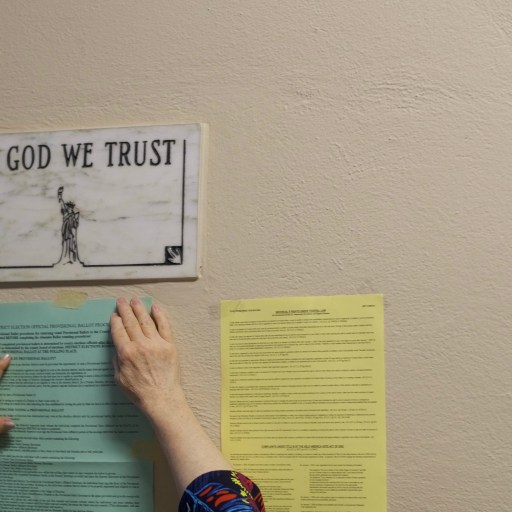
Starting this fall, public schools in Florida will be required to display the words “In God We Trust” in a noticeable place within each building used by a district.
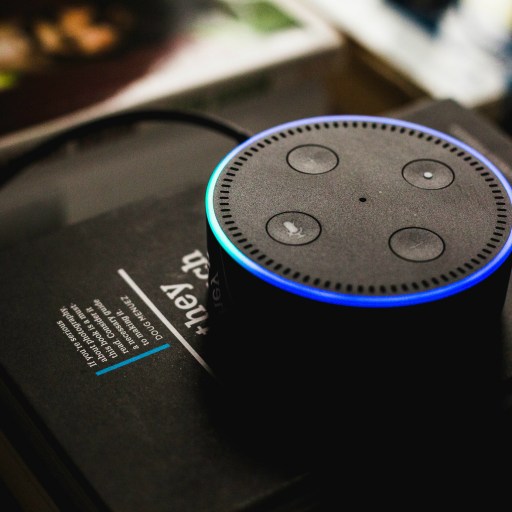
Chinese hackers at DEFCON have demonstrated how they were able to hack an Amazon Echo unit, enabling them to listen and record unsuspecting targets.
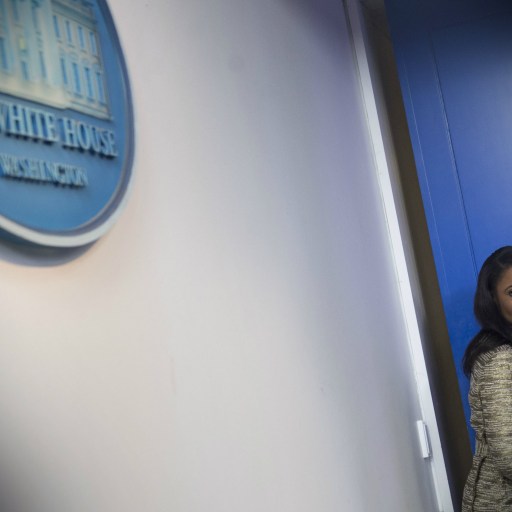
Omarosa Manigault Newman, a former senior aide to President Donald Trump, says she’s recorded multiple secret audio tapes at the White House, including one of her firing by Chief of Staff John Kelly.
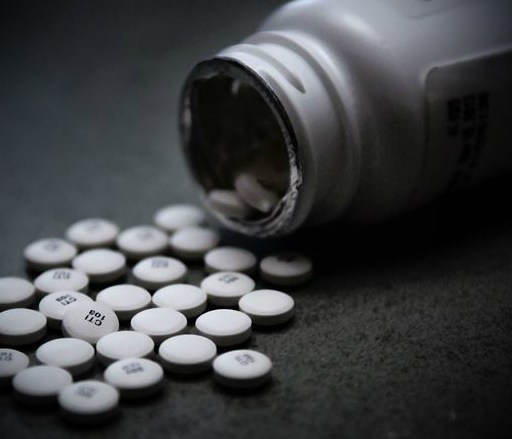
A new approach to fighting the opioid crisis involves sending letters to doctors after their patients overdose on prescription drugs.
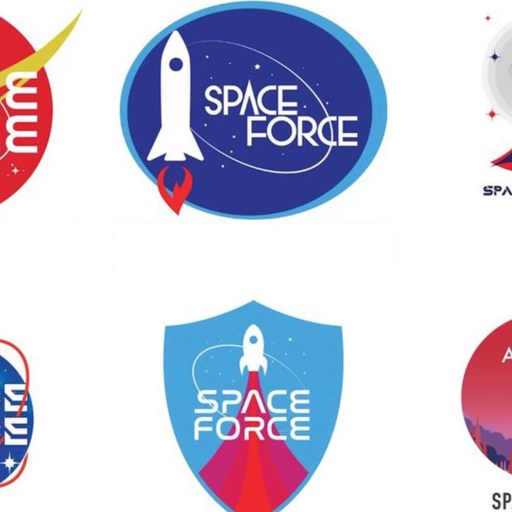
The time has come for Space Force, Vice President Pence told an audience at the Pentagon on Thursday.

The Academy is trying to win back viewers with a reboot, one that brings a new ‘popular film’ category, a shorter broadcast time and an earlier date to the annual ceremony.
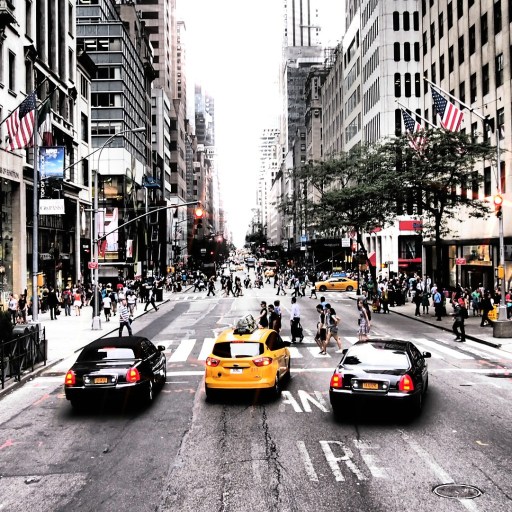
New York City passed legislation that caps new licenses for drivers with companies like Uber and Lyft in an effort to stop the erosion of the taxi industry and to study the effects the ride-sharing industry has on the city’s economy and traffic congestion.

China has for years been using robotic doves—drones that look and fly like real birds—to surveil the skies over its provinces, marking one of the most peculiar parts of the nation’s widespread civilian surveillance program.
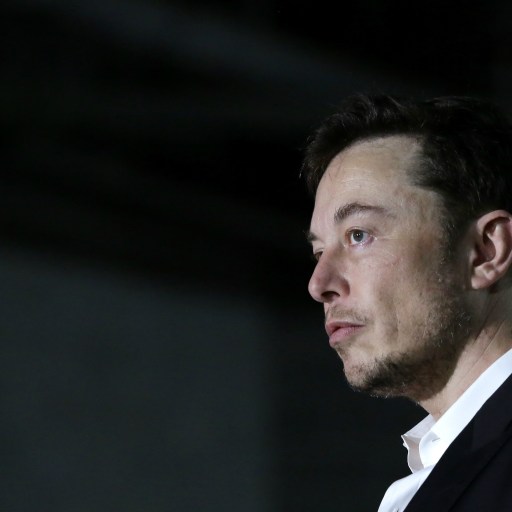
Tesla CEO Elon Musk shocked the markets on Tuesday with a series of tweets outlining the mercurial entrepreneur’s desire to take the company private.

People are bringing heavily edited selfies to plastic surgeons and asking for procedures that will make them look like their idealized versions of themselves.
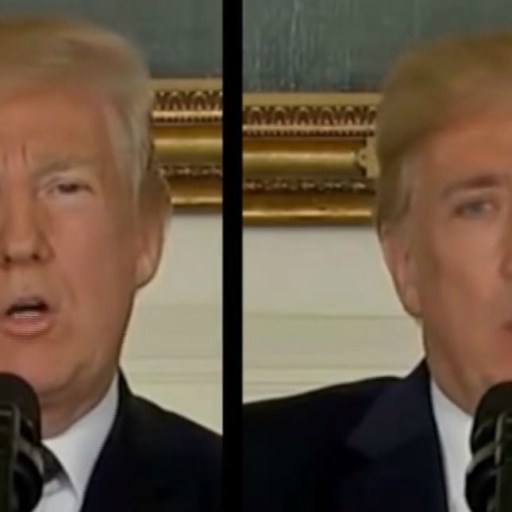
A Defense Department project has developed some of the first tools able to detect when videos have been digitally manipulated—content often called deepfake videos.
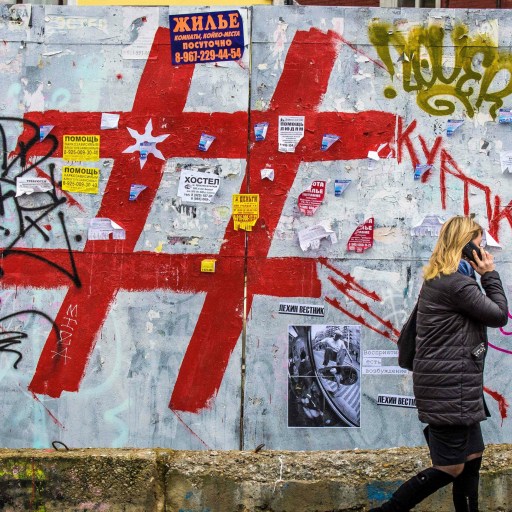
About 3 million tweets from Russian trolls have been published in an effort to illuminate how foreign agents have been disrupting political discourse in the U.S.
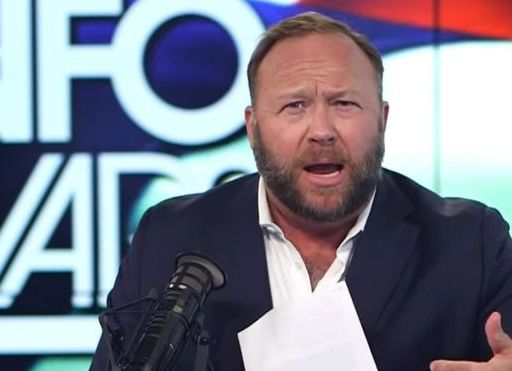
On Monday morning, YouTube removed Infowars and The Alex Jones Channel from its platform, following similar bans from Apple, Spotify and Facebook.
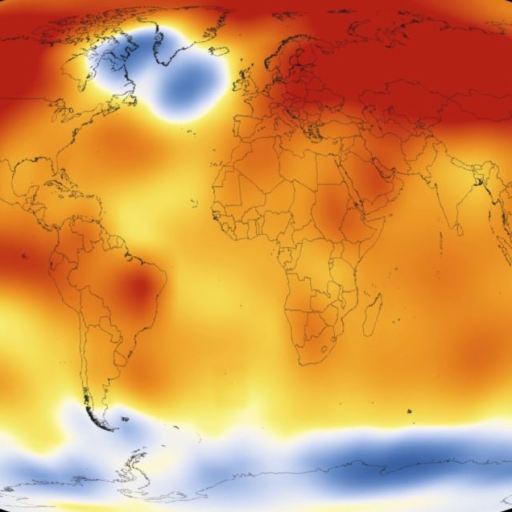
A new report from the American Meteorological Society shows that Earth’s atmosphere had the highest levels of carbon dioxide in the atmosphere in 2017 than it's had in the past 800,000 years.