Search
Tim Brinkhof
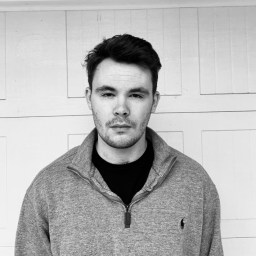
Tim Brinkhof is a Dutch-born, New York-based journalist reporting on art, history, and literature. He studied early Netherlandish painting and Slavic literature at New York University, worked as an editorial assistant for Film Comment magazine, and has written for Esquire, Film & History, History Today, and History News Network.
Read Less
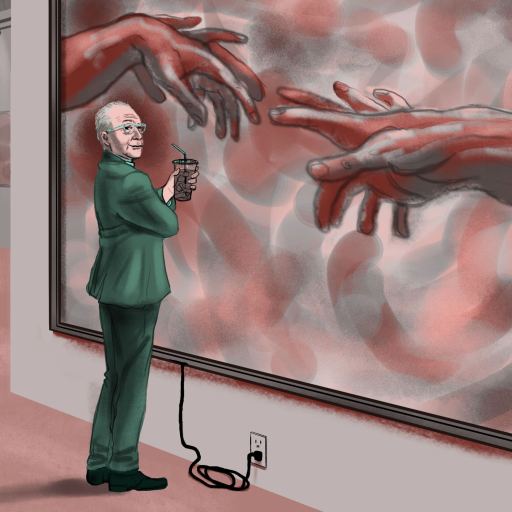
“I believe that in the future, there will be a Francis Bacon of AI art,” Saltz tells Big Think. “We just haven't seen that artist yet.”
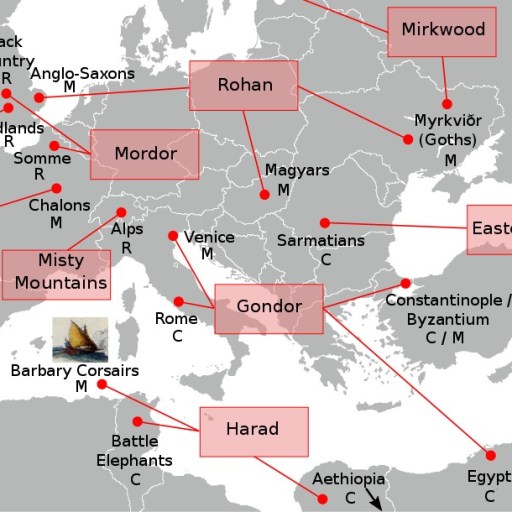
The fellowship's journey through Middle-earth mirrors the modernization of the English countryside.
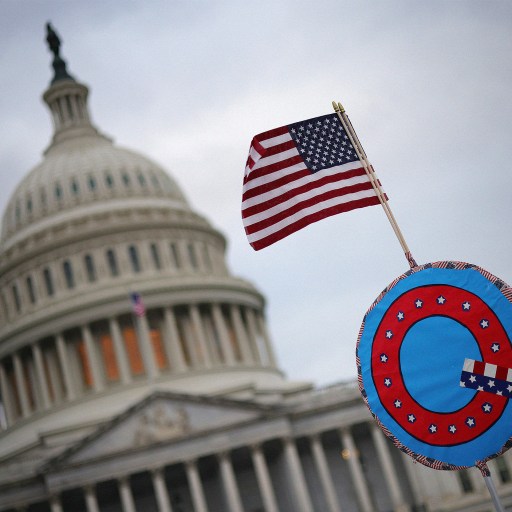
Although social paranoia is more common than clinical paranoia, studies suggests that American society isn’t any more conspiratorial than it has been in the past.
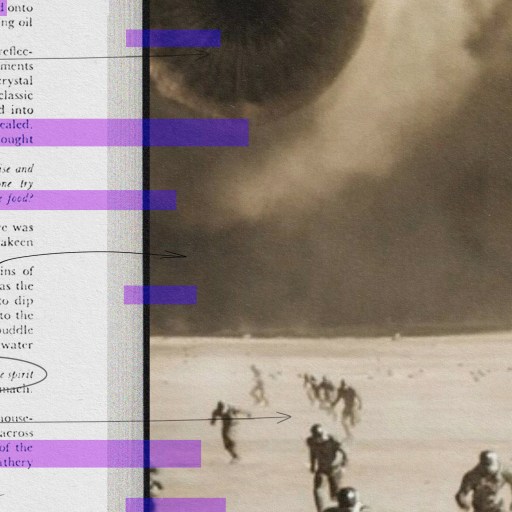
“Dune: Part One” screenwriter Eric Roth spoke with Big Think about the challenges of bringing Frank Herbert's sci-fi epic to the big screen.
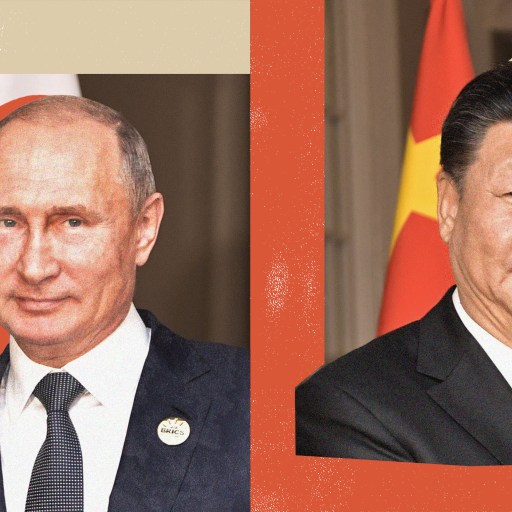
Autocrats like Xi Jinping and Vladimir Putin fear democracy, yet go to great lengths to present themselves as democratic leaders.
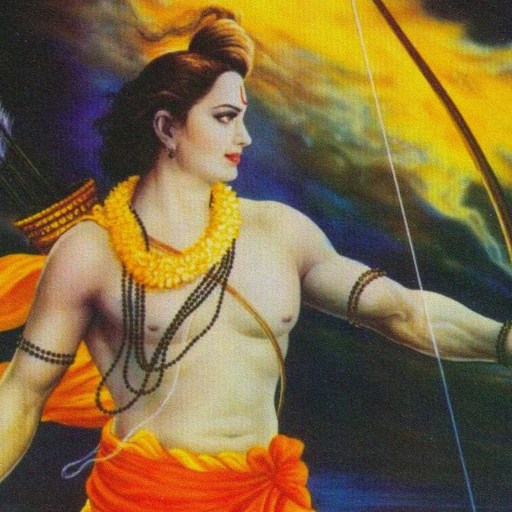
Joseph Campbell argued that nearly every myth can be boiled down to a hero’s journey. Was he right?
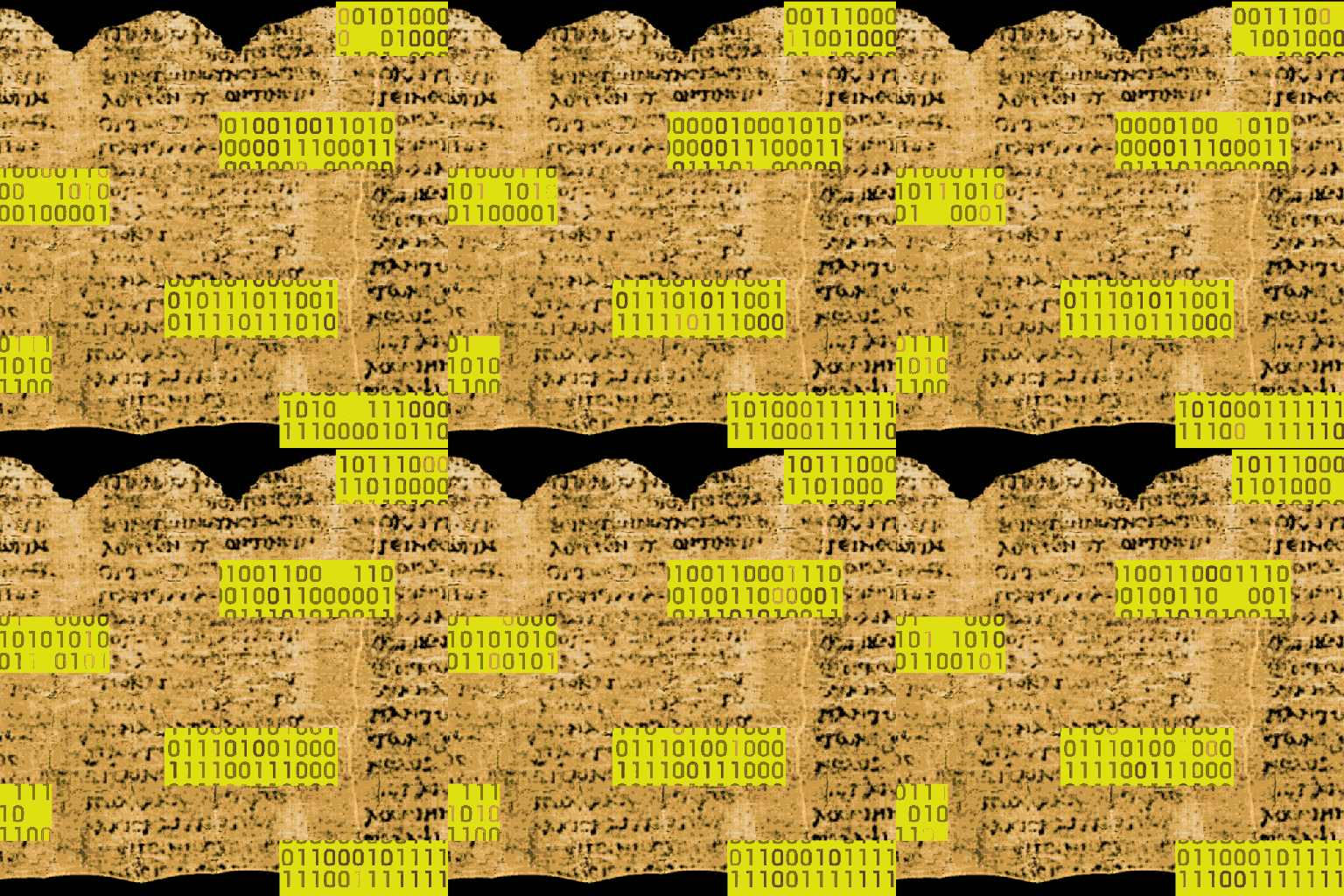
These scrolls are the only remaining intact library of ancient Rome — and they will crumble at a touch.

Big Think spoke with historian Marc-William Palen about the egalitarian aims of the free-trade movement in past centuries.
Big Think spoke with animator and animation historian Tom Sito about the cyclical evolution of animation.

The Uros of Lake Titicaca live on floating islands made from reeds. How did they get there?
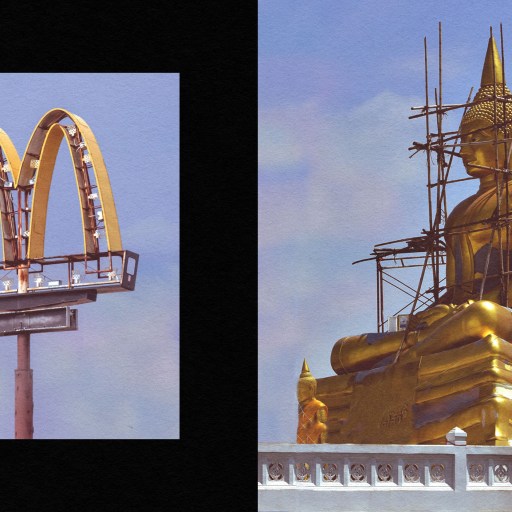
Adrie Kusserow, an anthropologist and scholar of Buddhism, shares how her study of the religion and its history has reshaped her view of the world — and herself.
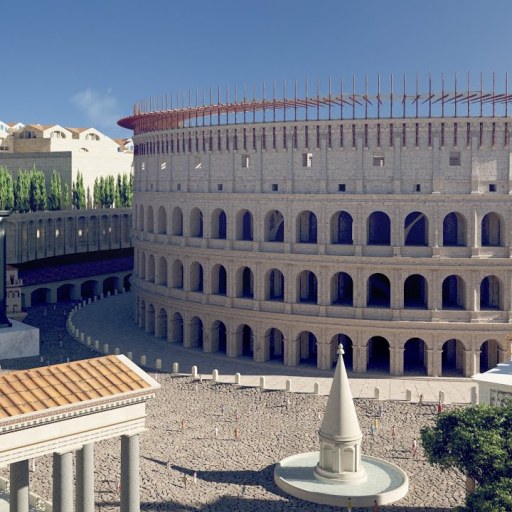
Archaeologist Bernard Frischer spent decades uploading the ruins of the Eternal City to the cloud. Here’s what it looks like.
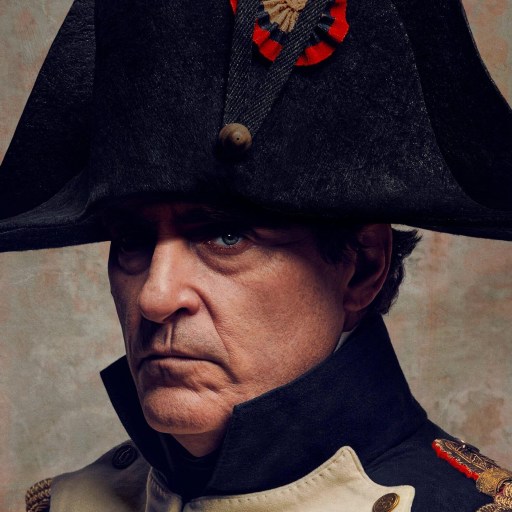
Napoleon Bonaparte was a man of many faces. European historian Michael Broers explains which are featured on the silver screen and why.
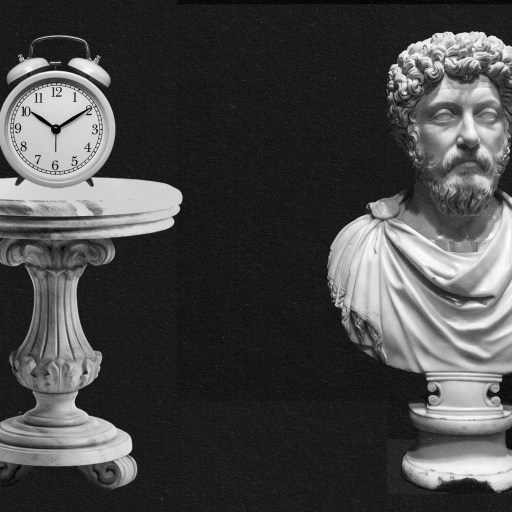
Like many of us, the Roman emperor Marcus Aurelius hated waking up early, but his stoic philosophy always helped him get out of bed.
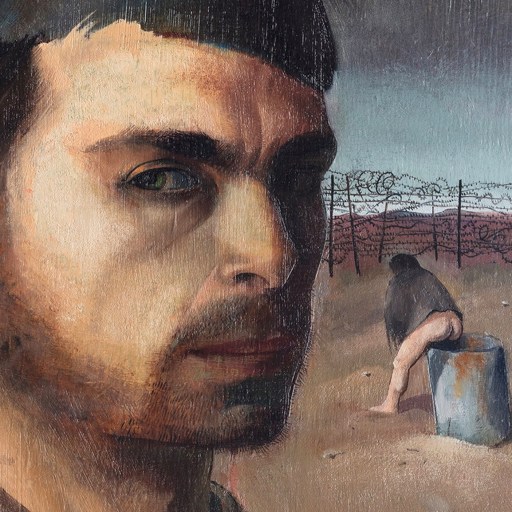
Omer Bartov, who spent decades studying the unspeakable horrors of genocide, shares how his studies have impacted his own mental health.
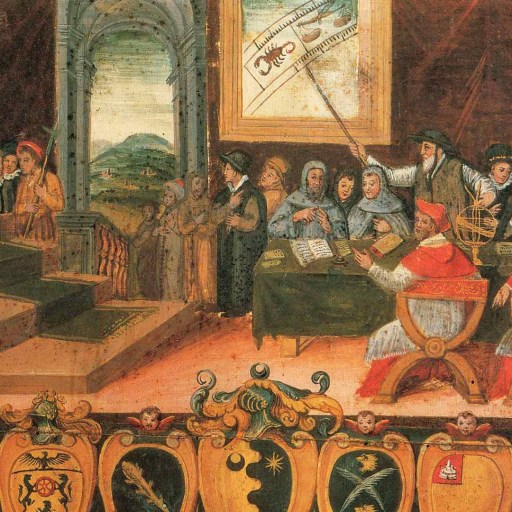
A sober look at a wild conspiracy theory that argues the Middle Ages never happened.
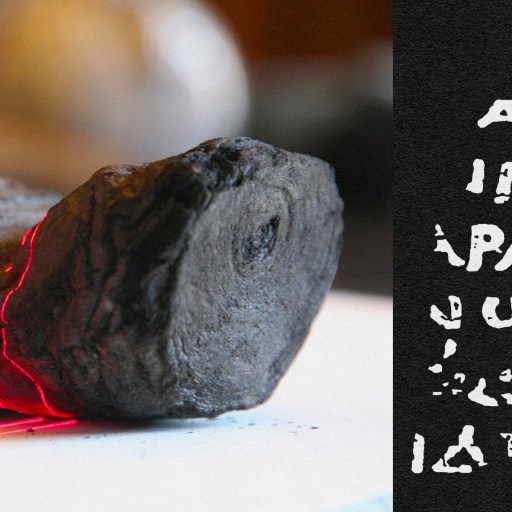
The volcano’s historic eruption preserved an ancient library, but rendered its content illegible. A public competition aims to change that.
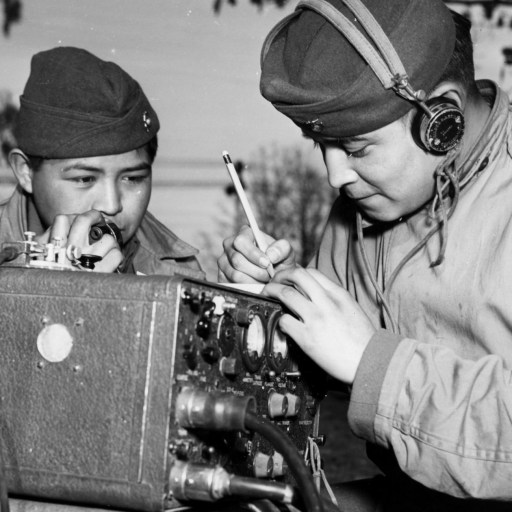
The tonal Native American language differentiates words based on pitch and makes Spanish conjugation look like child’s play.

You've certainly seen the paintings — but they don't depict what you think they do. Benjamin Moser discusses with Big Think.
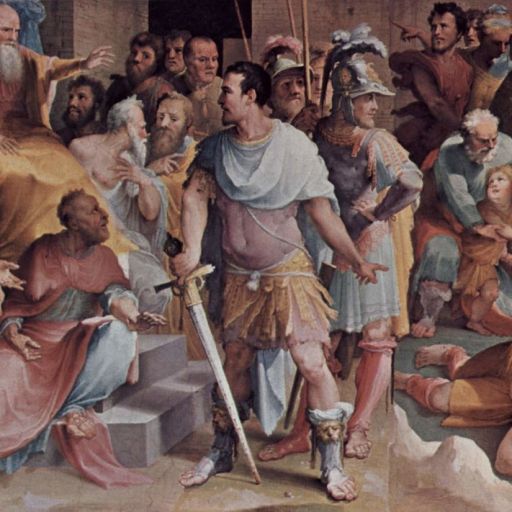
Long before the birth of Julius Caesar, the Roman Republic appointed all-powerful dictators to protect their state in times of crisis. They were remarkably self-restrained and obedient to the Roman Constitution.