Search
Tim Brinkhof

Tim Brinkhof is a Dutch-born, New York-based journalist reporting on art, history, and literature. He studied early Netherlandish painting and Slavic literature at New York University, worked as an editorial assistant for Film Comment magazine, and has written for Esquire, Film & History, History Today, and History News Network.
Read Less
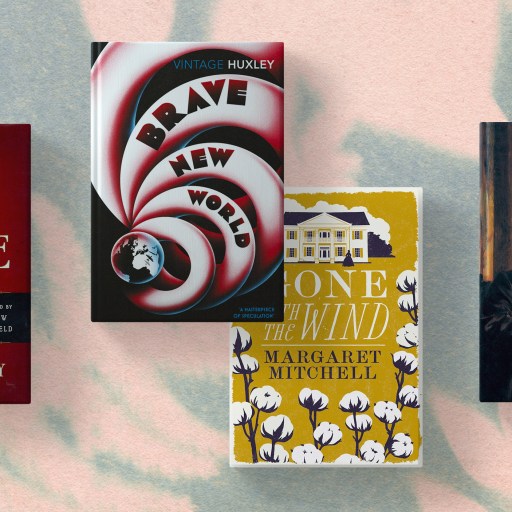
Take a closer look before judging a book by its title.
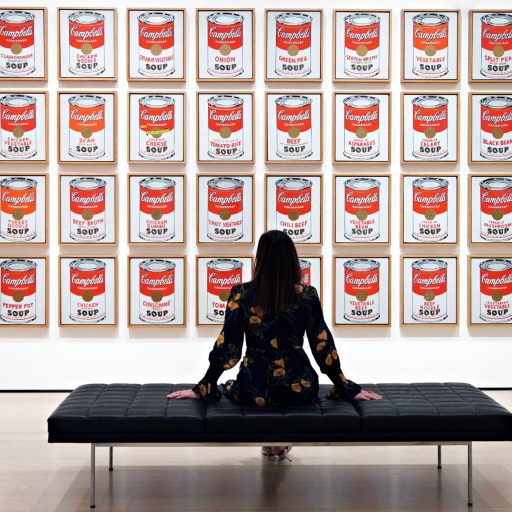

The key to its success lies not in its understanding of technology, but in its understanding of human nature.
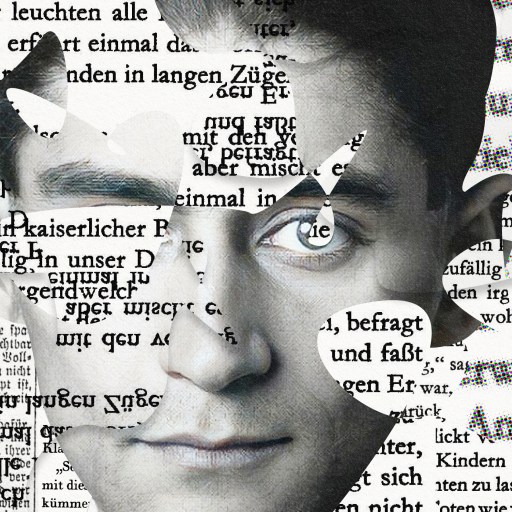
An insect? A vermin? An unwanted animal? What in the world is Franz Kafka talking about?

For linguists, the uniqueness of the Basque language represents an unsolved mystery. For its native speakers, long oppressed, it is a source of pride.
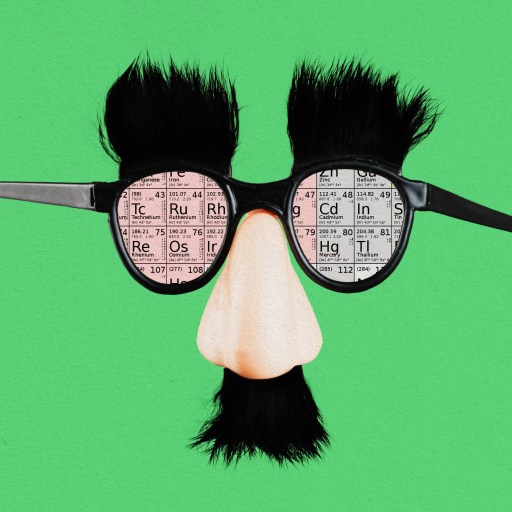
At the turn of the millennium, a physicist fooled the global scientific community with the greatest discovery that never existed.
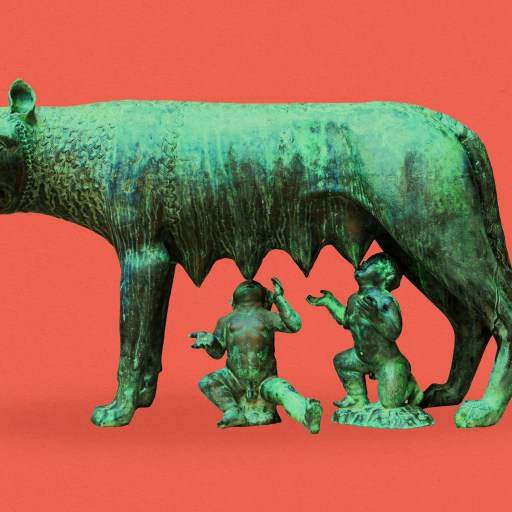
Before Rome was an empire, it was a republic. And before it was a republic, it was a kingdom ruled by seven mythical kings — some better than others.
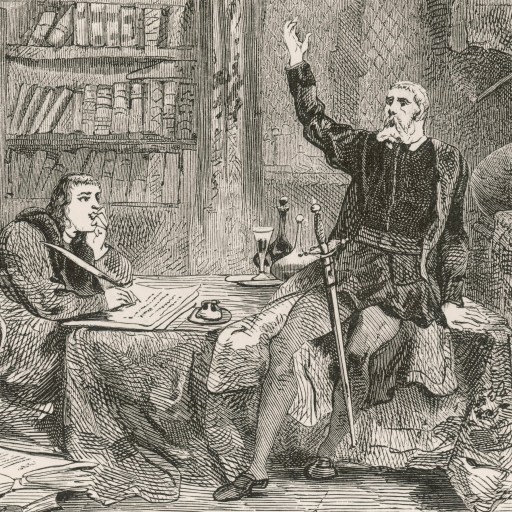
A new book by historian and author Paul Strathern argues that the Northern European Renaissance has long been overlooked.
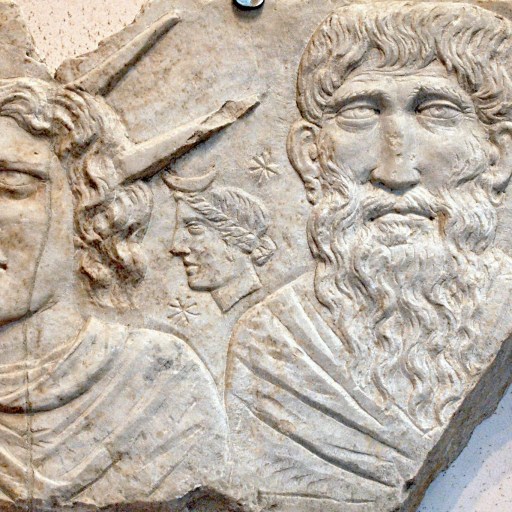
Before Constantine received his history-defining vision, a pagan Sun god paved the way for Jesus Christ’s triumphal entry into the Eternal City.
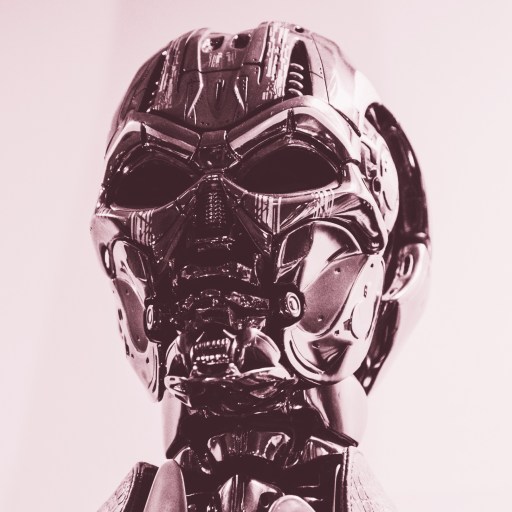
From forgotten Hollywood movies to Frank Herbert’s "Dune," science fiction illustrates some of our deepest fears about technology.
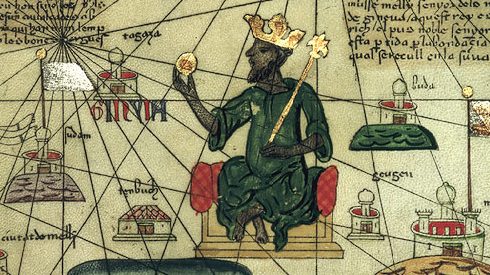
Mansa Musa, perhaps history's richest man, claims he ascended the throne of Mali after his predecessor sailed west and never came back. Could he have made it to the New World?

Soviet censorship was thorough yet fallible.

500 sheep were slaughtered to produce the 2,060 pages of the "Codex Amiatinus," a Latin translation of the Bible.
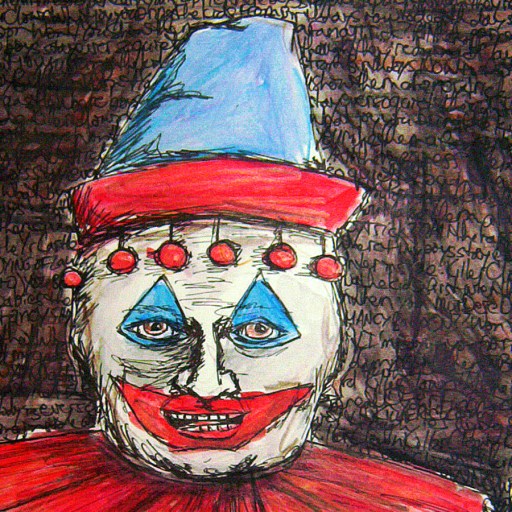
Rather than sending serial killer art to auctions, it should be sent to abnormal psychologists for research.

You can learn a lot about life through literature's most unrespectable and heinous characters.

"The Man in the High Castle" may be the most beloved alternate history book, but it is not the most historically accurate.
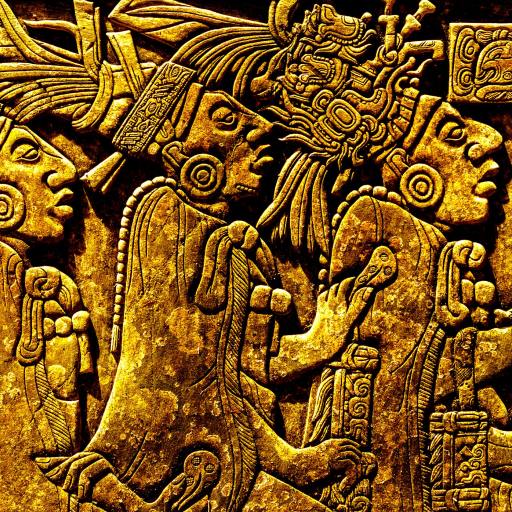
Glimpse into the ancient Maya empire through the writing of its own inhabitants.
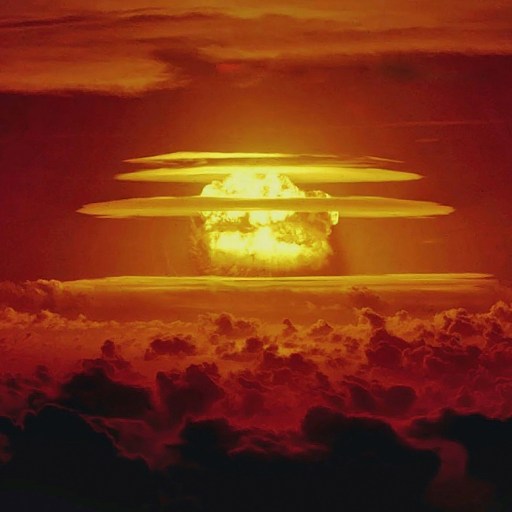
These composers channeled the horror of the Holocaust and Hiroshima while honoring those who lived through it.

Uncover the high cost of raising a family and discover strategies to make it more manageable and rewarding.
Million Stories
One hypothesis: "gossip traps."