Search
Tim Brinkhof

Tim Brinkhof is a Dutch-born, New York-based journalist reporting on art, history, and literature. He studied early Netherlandish painting and Slavic literature at New York University, worked as an editorial assistant for Film Comment magazine, and has written for Esquire, Film & History, History Today, and History News Network.
Read Less

'Six Persimmons,' an ink painting by the Chinese monk Mu Qi, has long been hailed as the poster child of Zen Buddhism. But is its reputation deserved?
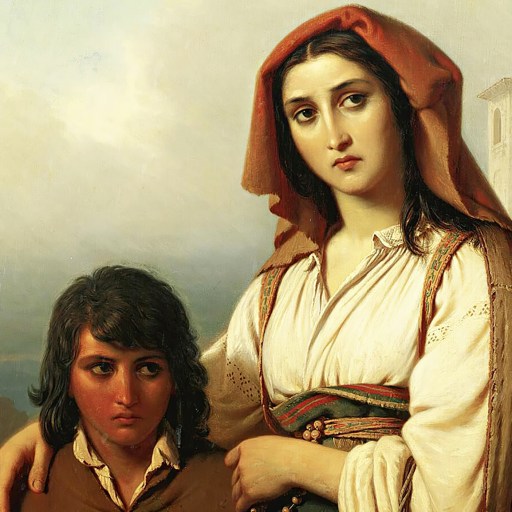
An influential series of books argues that the history of the world is the history of generations. Is it right?
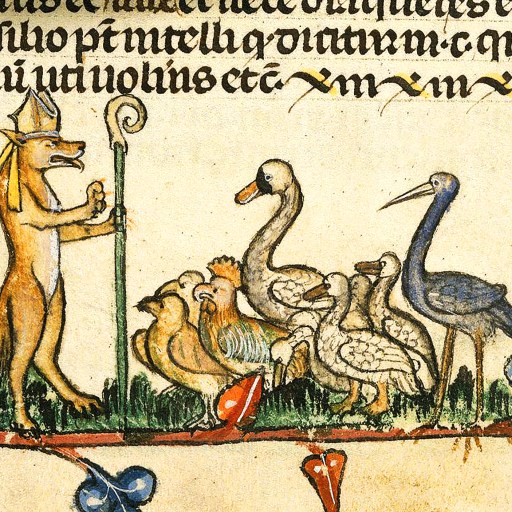
See the world through the eyes of a horse — or a cake pan.

These astounding inventions show that civilizations of the past were a lot more advanced than we might have thought.
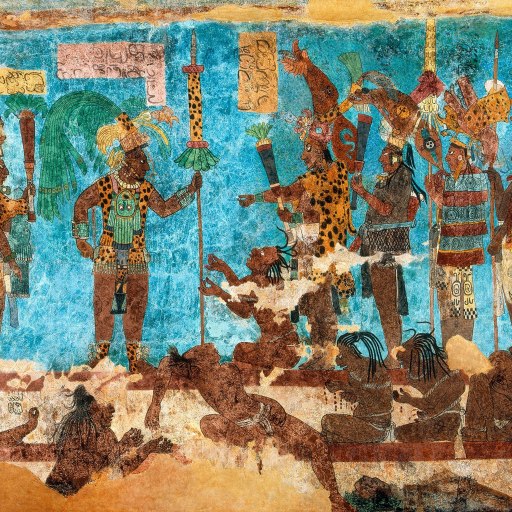
Tikal, one of the biggest cities the Maya ever built, was home to a vast and flourishing society.
The great philosopher spent the final portion of his painful life in a vegetative state. Did illness get him there, or was it his own philosophy?

Once at the pinnacle of Amsterdam’s art scene, Rembrandt van Rijn eventually found himself outcompeted by his own students.
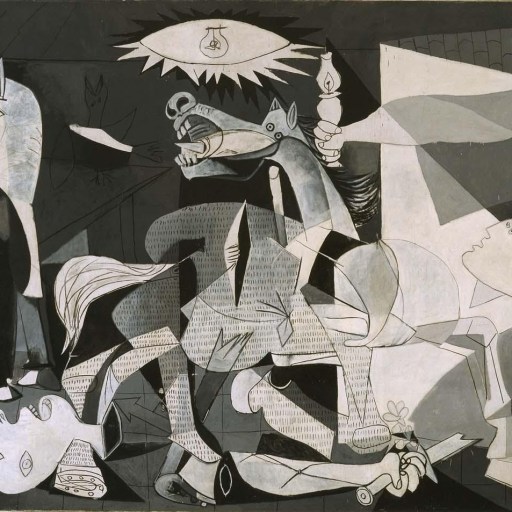
Rejecting romanticism, these famous paintings depict war as it really is: sadistic and senseless.
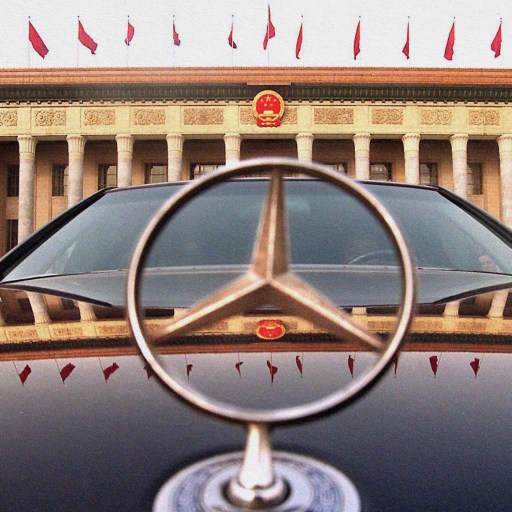
China has always been one of the world’s wealthiest nations, but Chinese wealth looks different across the country’s eventful history.
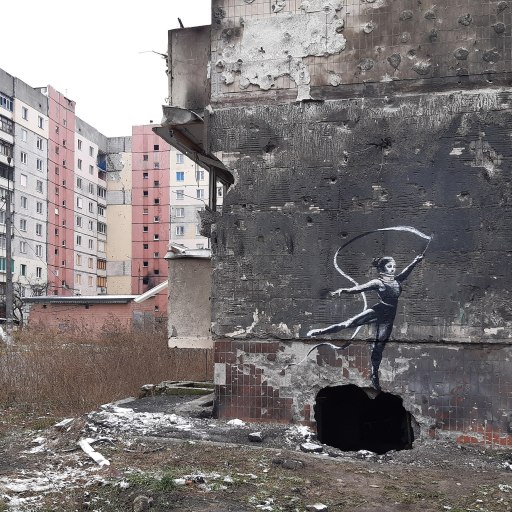
In war zones, aggressors steal art to eradicate the cultural heritage of others. Victims, meanwhile, sell stolen art in order to survive.
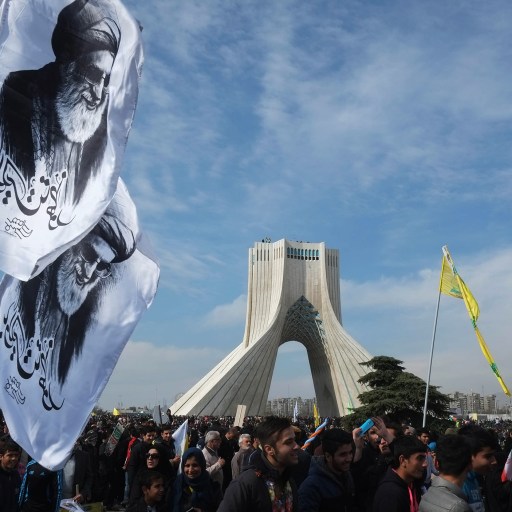
The Persian Constitutional Revolution made unlikely allies and enemies of missionaries, ayatollahs, the shah, and his Russian ambassadors. Its legacy shaped modern-day Iran.

In ancient Rome, collective bathing was the norm. In the West today, it’s the exception — and that’s too bad.
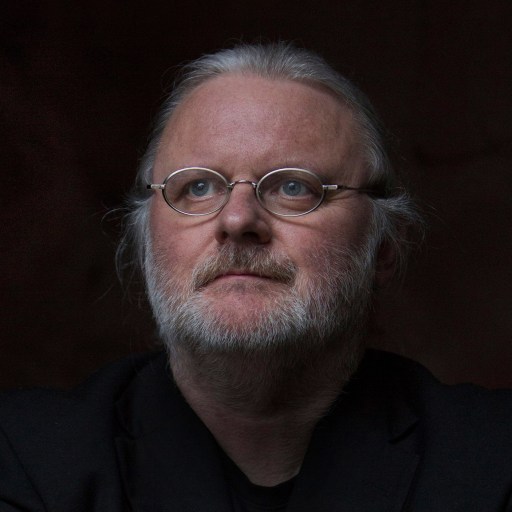
The world’s “most produced living playwright” wins out over other contestants, including Salman Rushdie and Margaret Atwood.
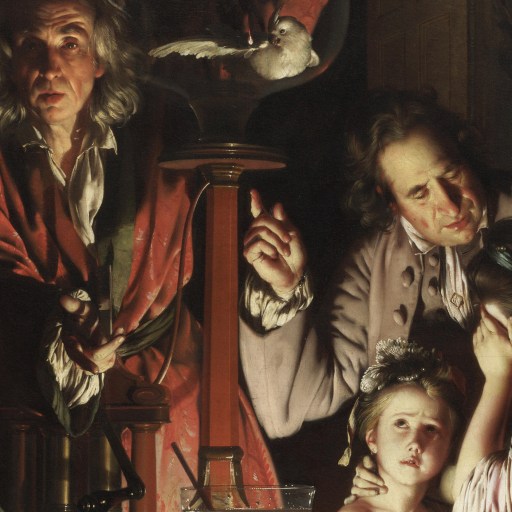
Science and technology were making early modern Europe a better place to live, but at what cost?
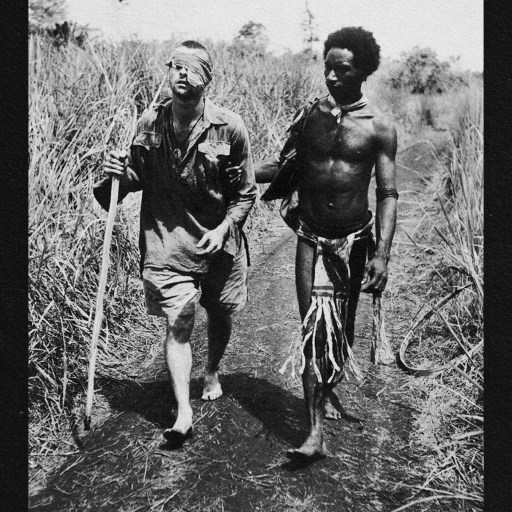
Australian soldiers fighting the Japanese recruited native New Guineans to their campaign.

Historians have been able to piece together a clear picture of how the average Roman citizen spent their waking hours.
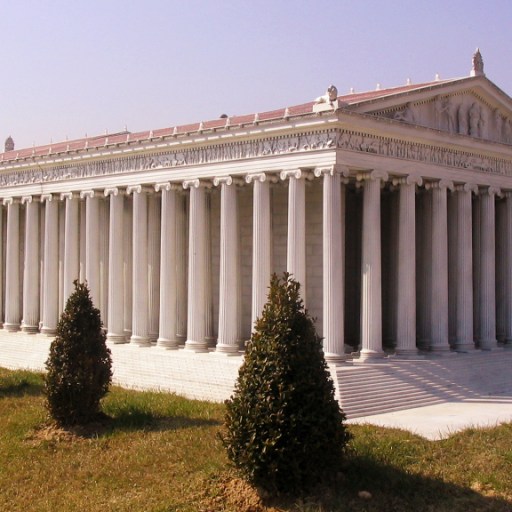
His crime was so great, he was not only sentenced to death but his name was to be erased from memory.
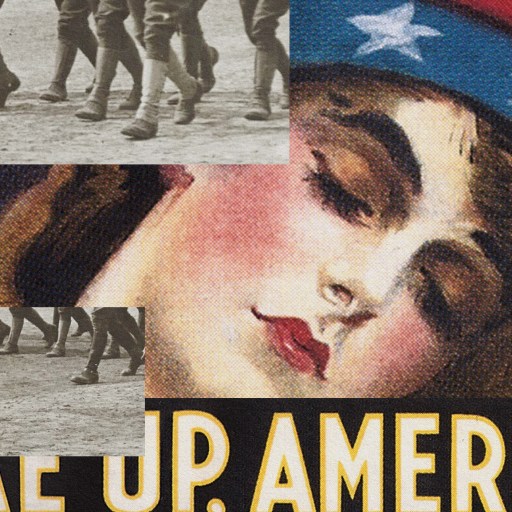
Still, the author's main argument wasn't totally discredited.
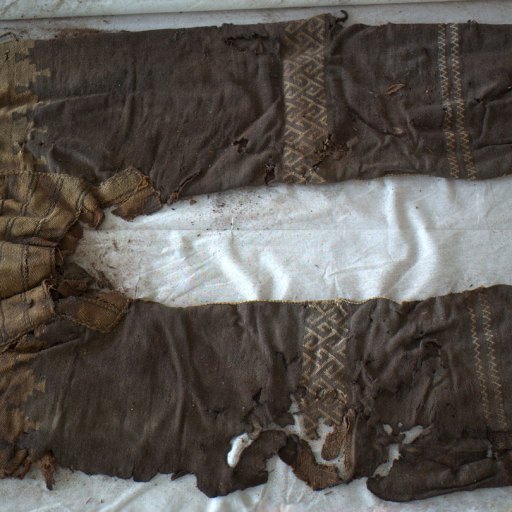
The design was as intricate as that of modern-day, factory-fabricated denim jeans, and just as durable. The ancients had fashion.

Pure cinema is about removing redundancy so that even the smallest detail serves a purpose in relation to the bigger picture.