Search
Tim Brinkhof

Tim Brinkhof is a Dutch-born, New York-based journalist reporting on art, history, and literature. He studied early Netherlandish painting and Slavic literature at New York University, worked as an editorial assistant for Film Comment magazine, and has written for Esquire, Film & History, History Today, and History News Network.
Read Less

In hell, we assume a position of moral superiority, looking down over the sinners and the poor decisions that led them to this wretched place. In heaven, Dante is looking down upon us.
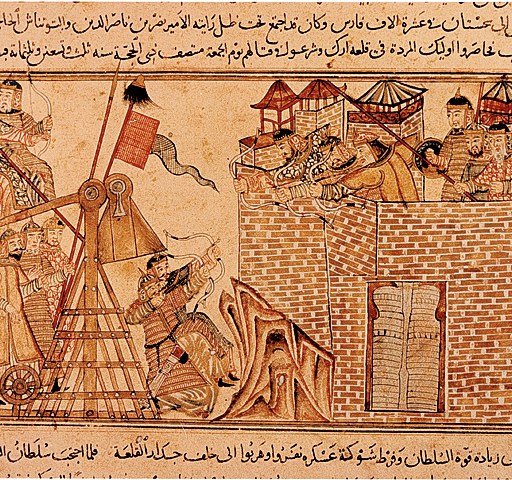
Historians know how military technologies evolved, but the reasons why remain poorly understood.

Portraiture is one of the most intimate genres in all of painting, and it has reinvented itself many times across European history.
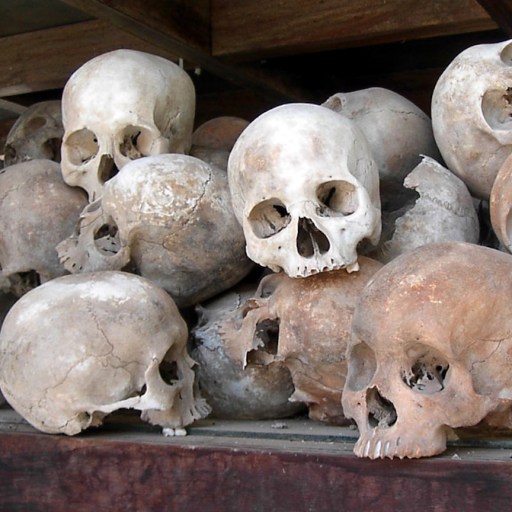
Time and again, studies have found a connection between authoritarian ideals and meaning in life — a notion backed up by historical documents.
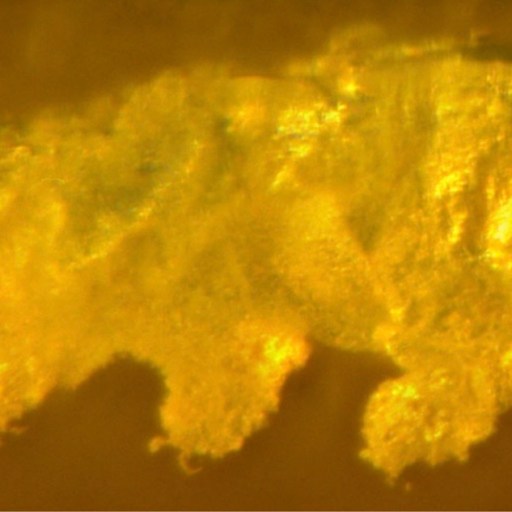
The microscopic tardigrades are an elusive species. Fossils are rare, but each new find adds a piece to their unsolved evolutionary puzzle.
The "Foundation" series, recently adapted into a show by Apple TV, was inspired by a fascinating, real-life academic discipline.

Without Benjamin List and David MacMillan, chemists would still be using metals and enzymes to catalyze chemical reactions.
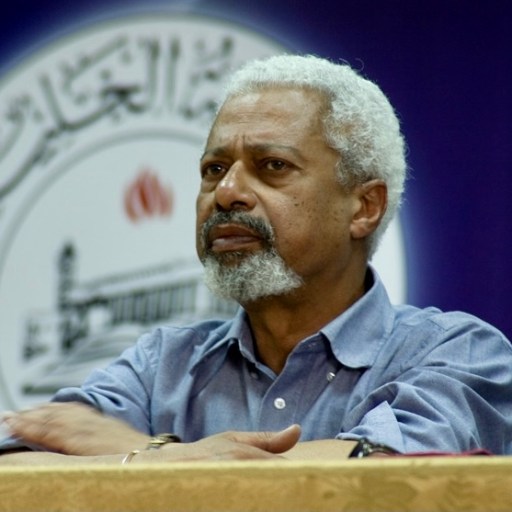
The Swedish Academy honored the writer for his uncompromising inquiry into the lasting consequences of Africa’s colonization.

David Julius and Ardem Patapoutian were awarded the highest honor in medicine for their research into how human bodies make sense of and respond to the outside world.
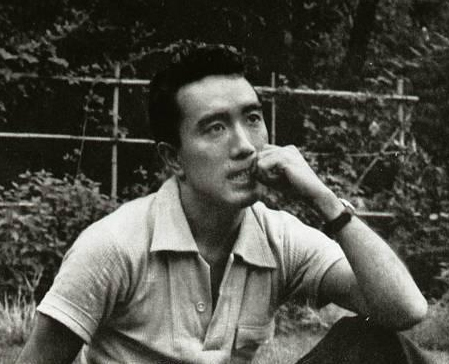
Yukio Mishima treated his life as if it were a story — one with a surprising and deadly final act.
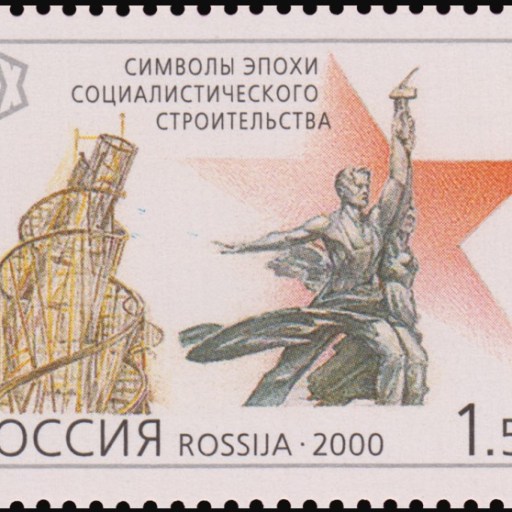
Bolsheviks planned to erect a towering monument to the socialist cause, but their quixotic ideas never got off the ground.
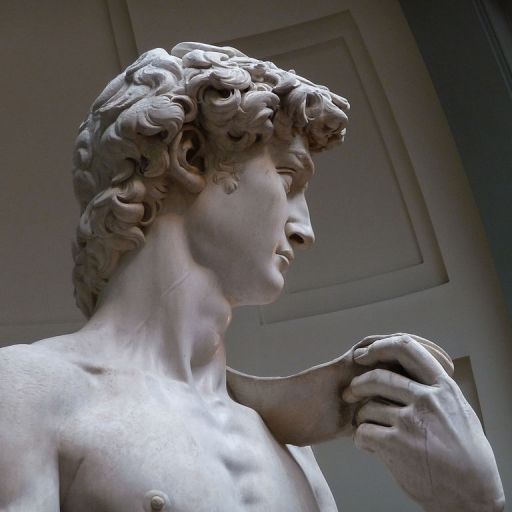
Although the statue’s political connotations faded over time, its eyes remain fixed on a key moment in Florentine history.

During World War II, Nazi engineers allegedly tried to create UFO-shaped military aircraft.
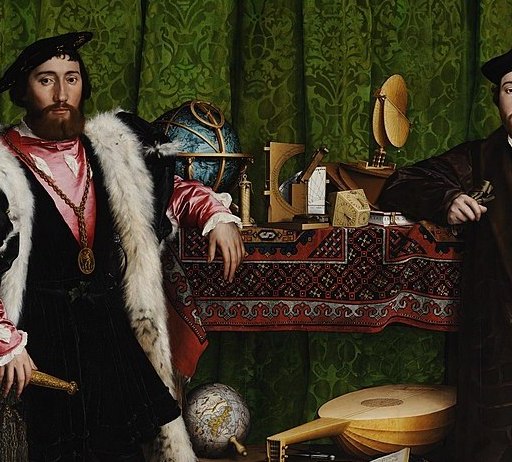
The German artist painted death as it appeared in life – omnipresent and hidden in plain sight.
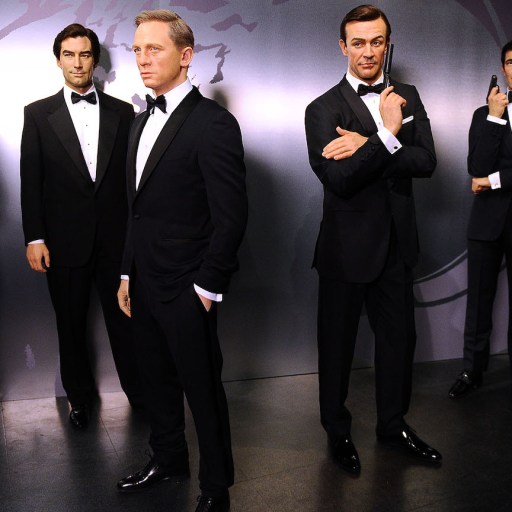
"The name's Bond. Jane Bond."
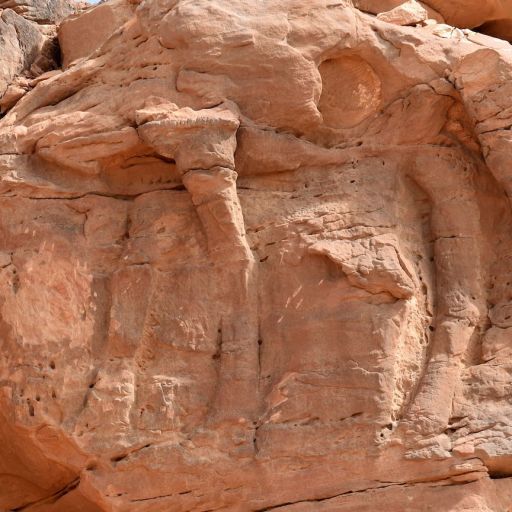
The stone camel sculptures, seven in total and originally uncovered back in 2018, far predate more famous monuments.
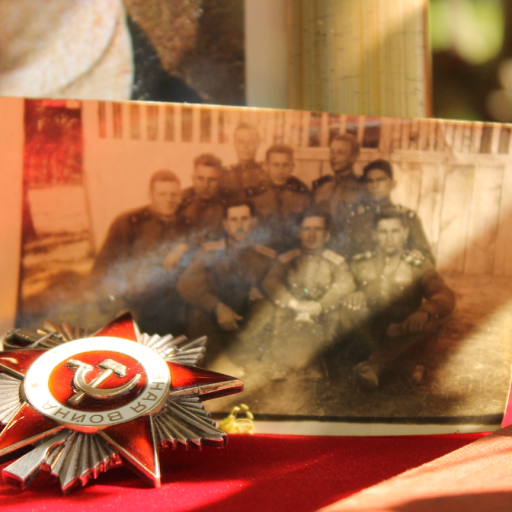
As Russia’s youth welcomed a new era of capitalism in the 1990s, their parents and grandparents clung to fleeting memories of Soviet life.

Fossilized footprints found at an excavation site in southwest New Mexico prove humans colonized the continent much earlier than previously thought.
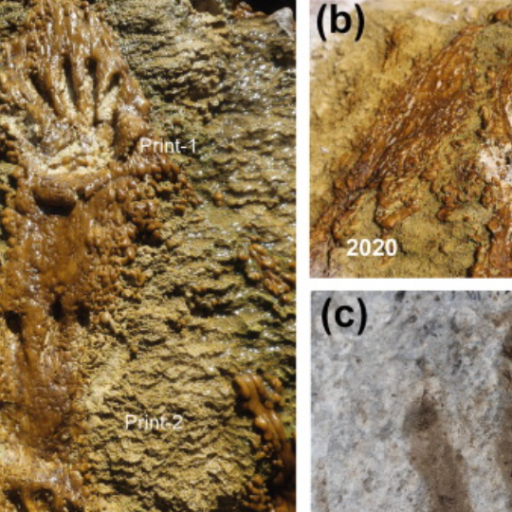
In the perilous mountains of Tibet, archaeologists unearthed ancient hand and footprints that seem to be the creative work of children.

The Russian writer’s scorn went beyond a difference in taste; Leo Tolstoy virulently hated everything Shakespeare had come to stand for.