Search
Tim Brinkhof
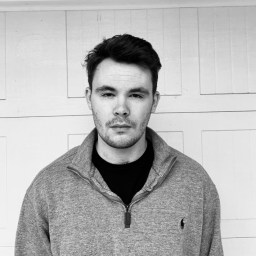
Tim Brinkhof is a Dutch-born, New York-based journalist reporting on art, history, and literature. He studied early Netherlandish painting and Slavic literature at New York University, worked as an editorial assistant for Film Comment magazine, and has written for Esquire, Film & History, History Today, and History News Network.
Read Less
Both nations made missteps, but China still has a chance to make up lost ground.

Hang on to something — or ride the wave — because three big tech trends are about to converge.
Burns’ latest documentary dives into the long-romanticized life and work of the Italian polymath.
"We are not our grandparents. It’s time to start thinking differently," journalist Annie Jacobsen told Big Think.
Modern autocracies operate "not like a bloc but rather like an agglomeration of companies," says journalist and historian Anne Applebaum.
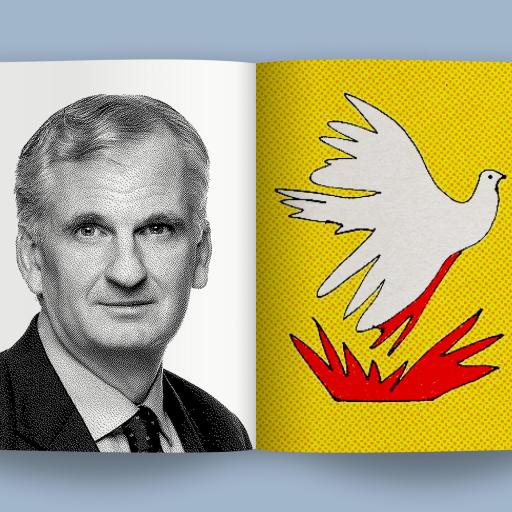
Historian Timothy Snyder talks with Big Think about how true liberty requires both negative and positive freedoms.
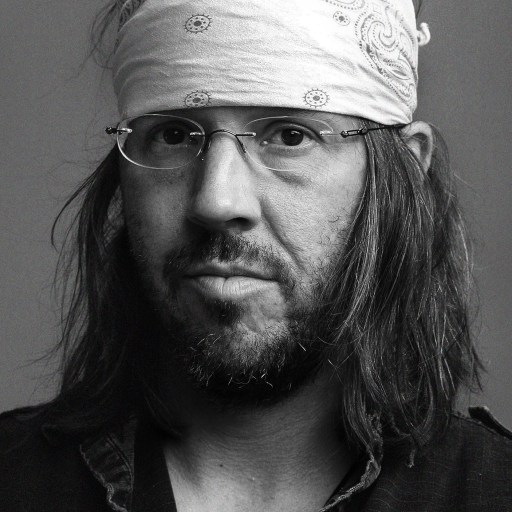
The writer’s tragic death at age 46 has led many to view him as a tortured artist. Here’s why this label is reductive.
"No matter how long you’ve been doing a job or how good people say you are, you need to care as if you’ve never done it before."

With the right prompts, large language models can produce quality writing — and make us question the limits of human creativity.

"When you feel the isolation setting in at times, you have to reframe your mindset."
Meg LeFauve and Dave Holstein drew inspiration from psychologists as well as their own children, becoming more understanding parents in the process.
What you can learn about media by parodying it from the print era into the digital age.

An analysis of Indonesian cave paintings is reframing the history of human art, though whether the paintings really were created by human hands remains an open question.
In "Not Born Yesterday," author and cognitive scientist Hugo Mercier makes the case that misinformation is overrated — and other human foibles are underrated.
"The movement is much bigger than Sam Bankman-Fried, or any one person, no matter how wealthy," philosopher Peter Singer told Big Think.
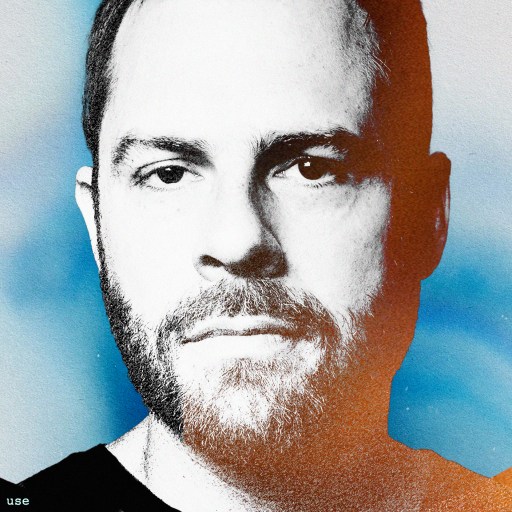
Ryan Condal, who worked in pharmaceutical advertising before Hollywood, talks with Big Think about imposter syndrome, "precrastination," and Westeros lore.
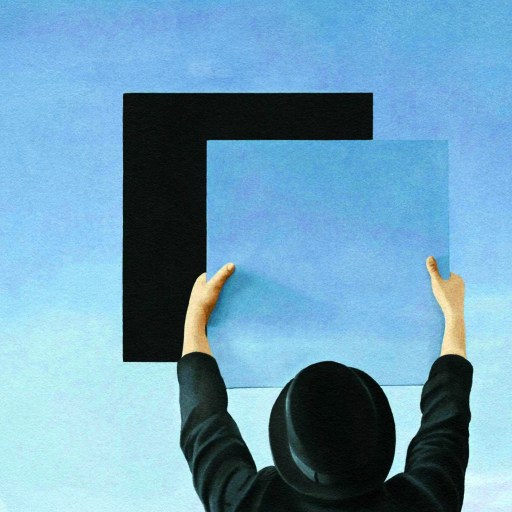
In "Moral Ambition," Dutch historian Rutger Bregman argues that all would benefit from a collective redefinition of success.
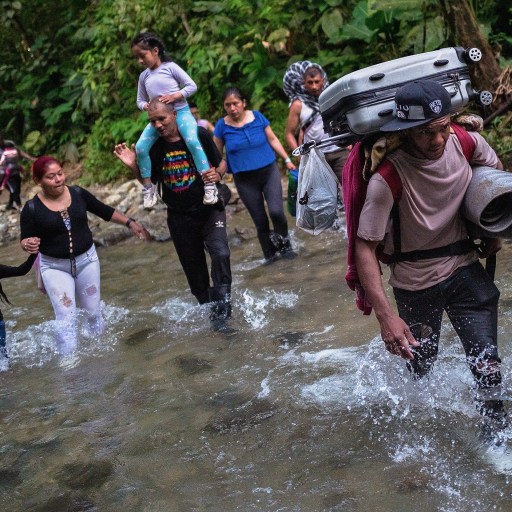
Each year, over half a million migrants cross the deadly jungle separating Colombia from Panama in search of a better life in the United States.
"We should be informed and educated about the risks of AI, but we can’t be afraid,” Khan Academy founder Sal Khan told Big Think.

Misinterpreted data may be distorting Western predictions about the future of China's economy.