Astrobiology

Astrobiology

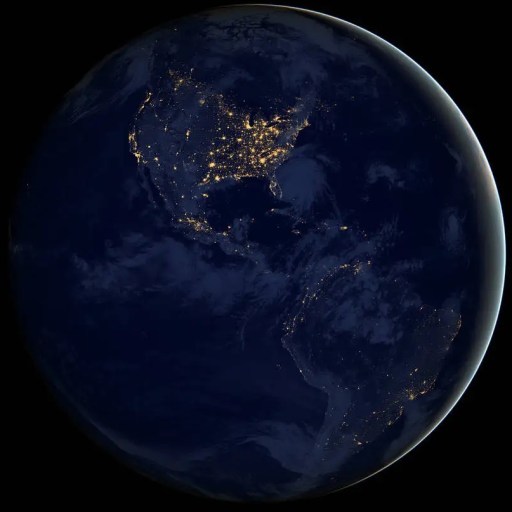
From the vastness of space, Earth at night reveals its exo-earth beauty, with illuminated continents showcasing a tapestry of lights across North and South America. Major cities and regions emerge from the glowing darkness, painting a vivid picture against the backdrop of oceans.
In 2025, Earth remains the only planet where life is known to exist. Without a second example, "The Stand" has a vital lesson to teach us.
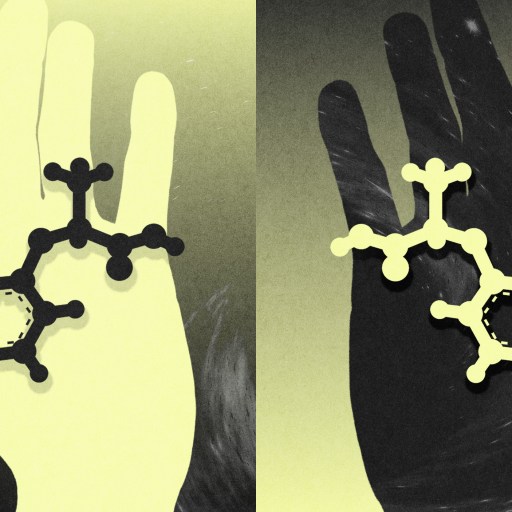
Two hands, one light and one dark, each holding a contrastingly colored molecular structure against a gradient background.
The fear of unleashing forces beyond control has haunted science for centuries.
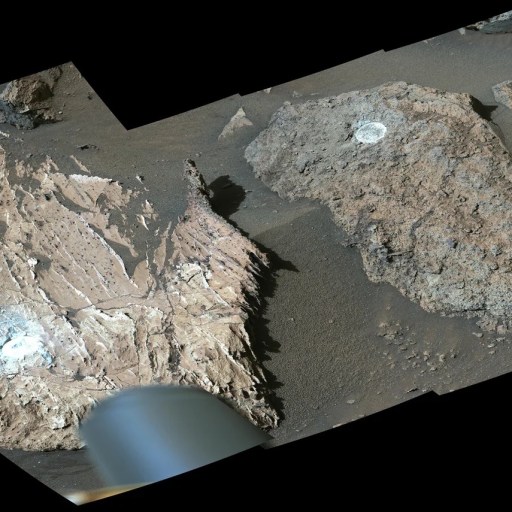
Two large Martian rocks with circular drill holes and light-colored dust are shown on a sandy, rocky surface. Part of a rover’s equipment, searching for traces of organics or signs of Mars life, is visible at the bottom of the image.
The red planet, Mars, may once have been teeming with life, just as Earth is today. Finding "organics" on Mars, however, doesn't mean life.
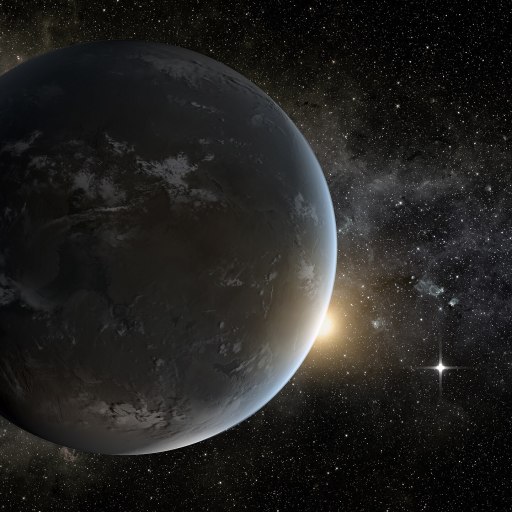
A dark, rocky planet orbits in space with the sun illuminating its edge, surrounded by stars and distant cosmic clouds.
The most common type of exoplanet is neither Earth-sized nor Neptune-sized, but in between. Could these haze-rich worlds house alien life?
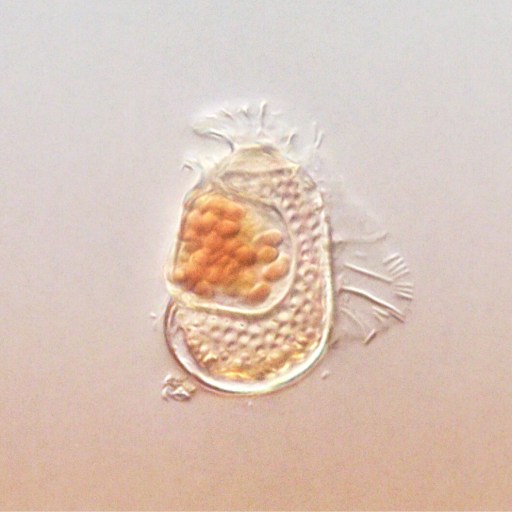
Microscopic view of a single-celled organism with a translucent body and clustered orange structures inside, set against a plain background.
Our Earthbound definitions of life could leave us blind to the Universe’s strangest forms.
A dark, rocky planet orbits in space with the sun illuminating its edge, surrounded by stars and distant cosmic clouds.
In the search for life in the Universe, the ultimate goal is to find an inhabited planet beyond Earth. How will we know when we've made it?
Black and white illustration of a stylized human eye in the top left and a detailed depiction of an eyeball’s internal structure in the bottom right on a beige background.
2mins
We may be close to finding life beyond Earth. But would we even recognize it if we did? Astrobiologist Betül Kaçar explains what signs NASA is looking for.