Search
Astronomy
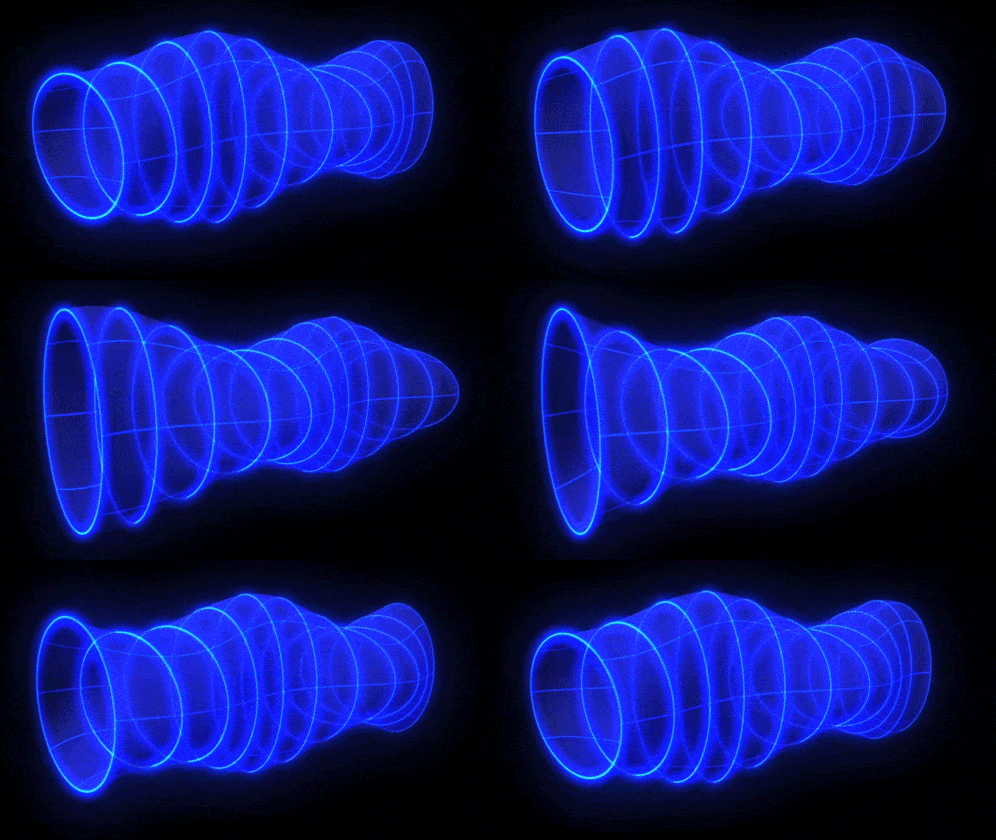
We've now detected hundreds of gravitational waves with LIGO, Virgo, and KAGRA. What if we tried Weber's original method in the modern day?
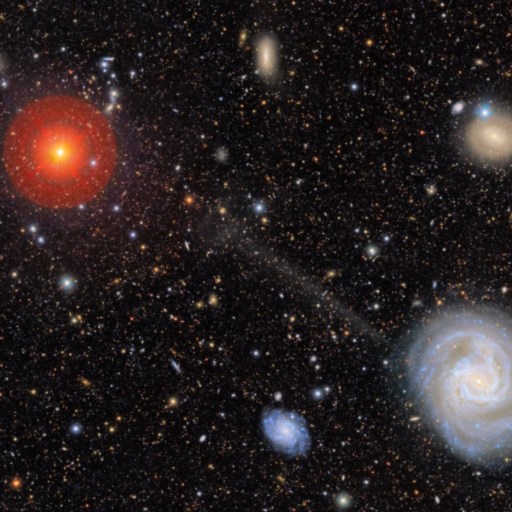
Stellar streams are faint trails of stars that appear to "stream" out of galaxies. A new one, escaping galaxy M61, may point to many others.
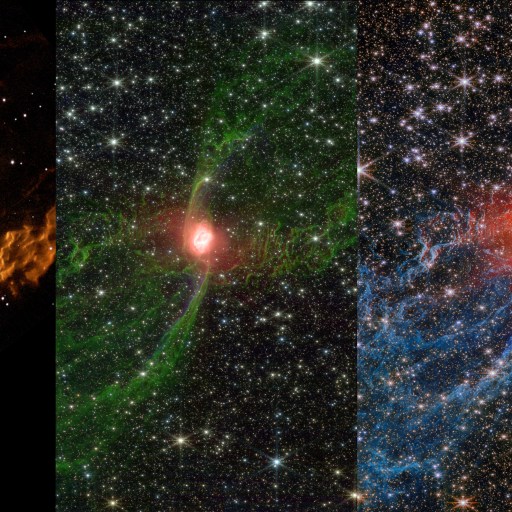
When dying, Sun-like stars have binary companions, spectacular sights arise from the ionization. JWST spots the Red Spider Nebula in action!
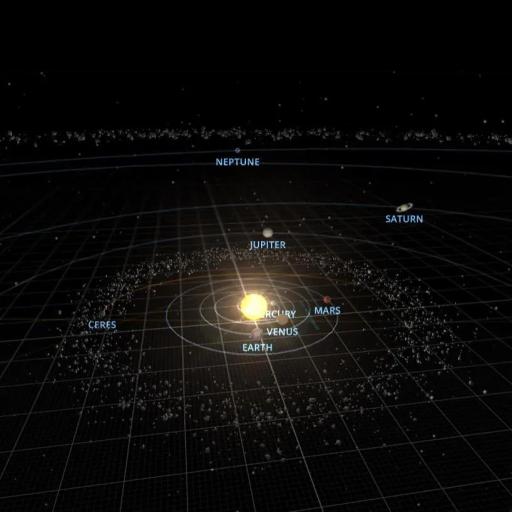
Scientists are notoriously resistant to new ideas. Are they falling prey to groupthink? Or are our current theories just that successful?
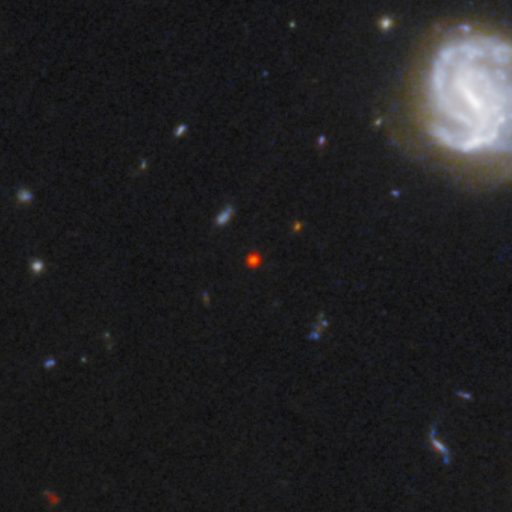
Found by Hubble before JWST's launch, GNz7q looked like a mix of a galaxy and a quasar. Was it actually our first known "little red dot"?
24mins
“Deep down the natural endpoint of this whole goal of looking for planets is to answer the question: are we alone?”
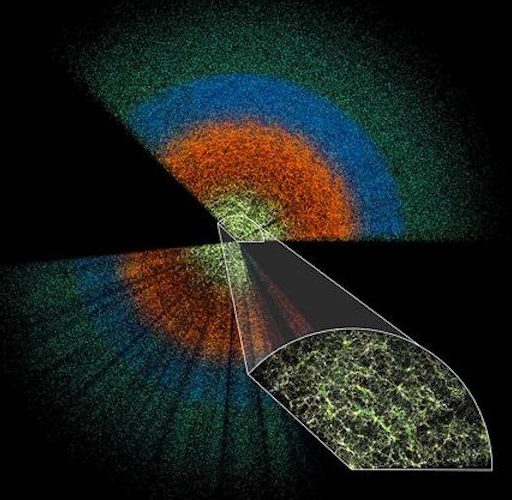
Observations with the Hubble space telescope helped cement dark energy and reveal the Hubble tension. How are these two things so different?
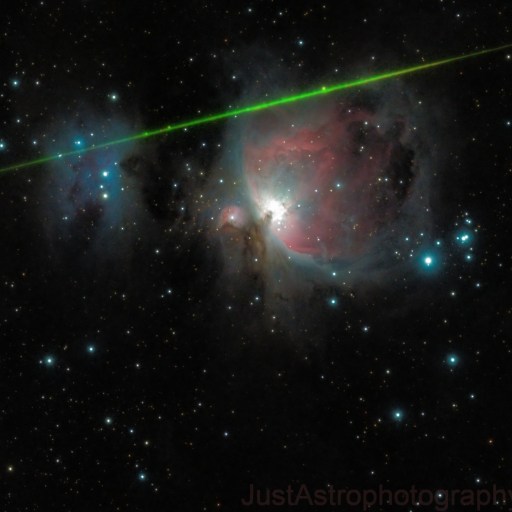
The Orionids meteor shower peaks October 20th/21st here in 2025, coinciding with a new Moon. See the brightest shooting stars of the year!
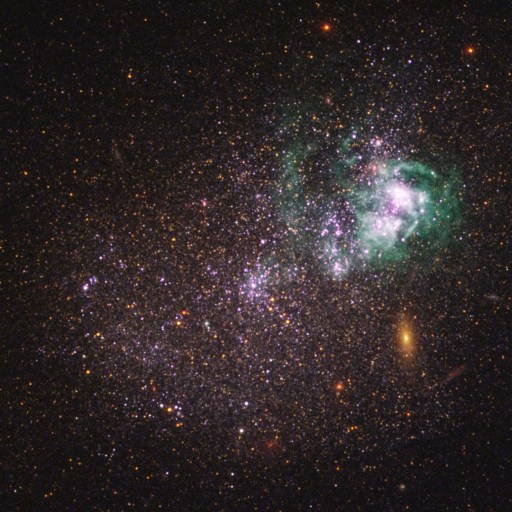
Our Sun only arose after 9.2 billion years of cosmic history: with many stars living and dying first. How many prior generations were there?

The universe is filled with unlikely events, but it is also full of ways to fool ourselves.
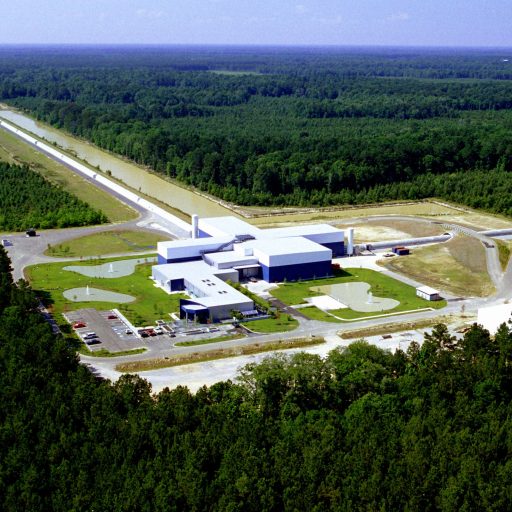
10 years ago, LIGO first began directly detecting gravitational waves. Now better than ever, it's revealing previously unreachable features.
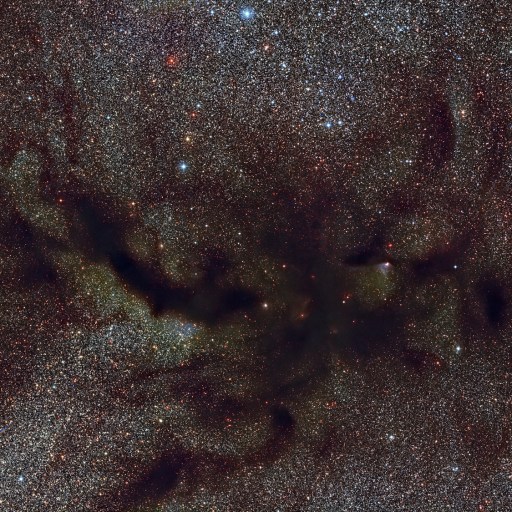
Dust is ubiquitous in the modern Universe, appearing in nearly all galaxies. But our cosmos was born dust-free. So where does it originate?
In this excerpt from "Facing Infinity," Jonas Enander examines how John Michell conceived of "dark stars," or massive bodies with enough gravity to trap light, all the way back in 1783.
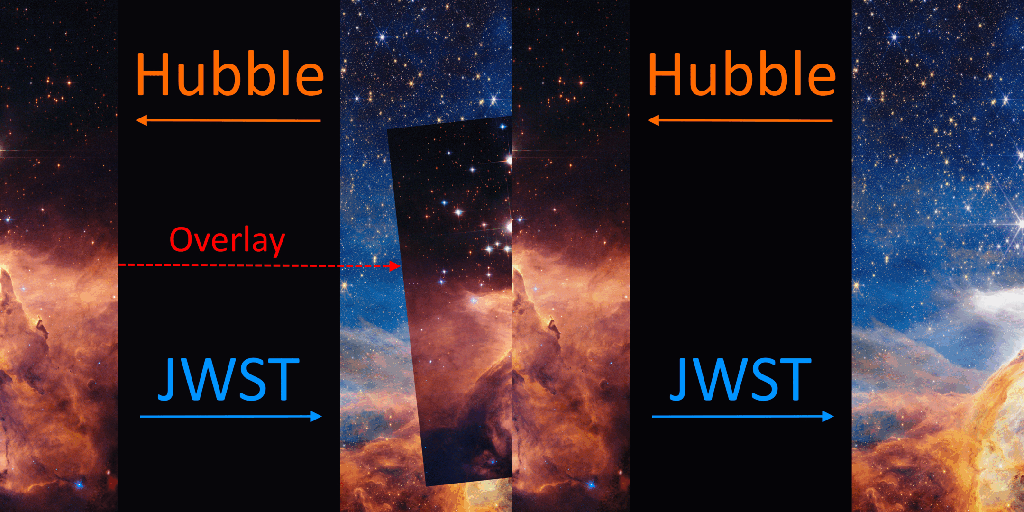
JWST isn't the first telescope to peer into this factory of star-birth some 5500 light-years away, but its views are the most educational.
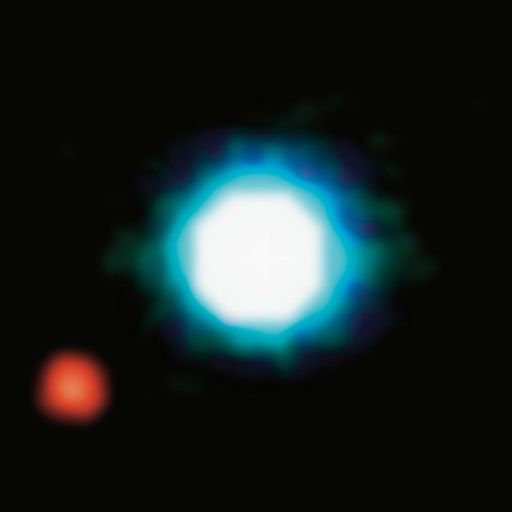
Going back to 1990, we hadn't even found one planet outside of our Solar System. As we close in on 6000, we now see many of them directly.
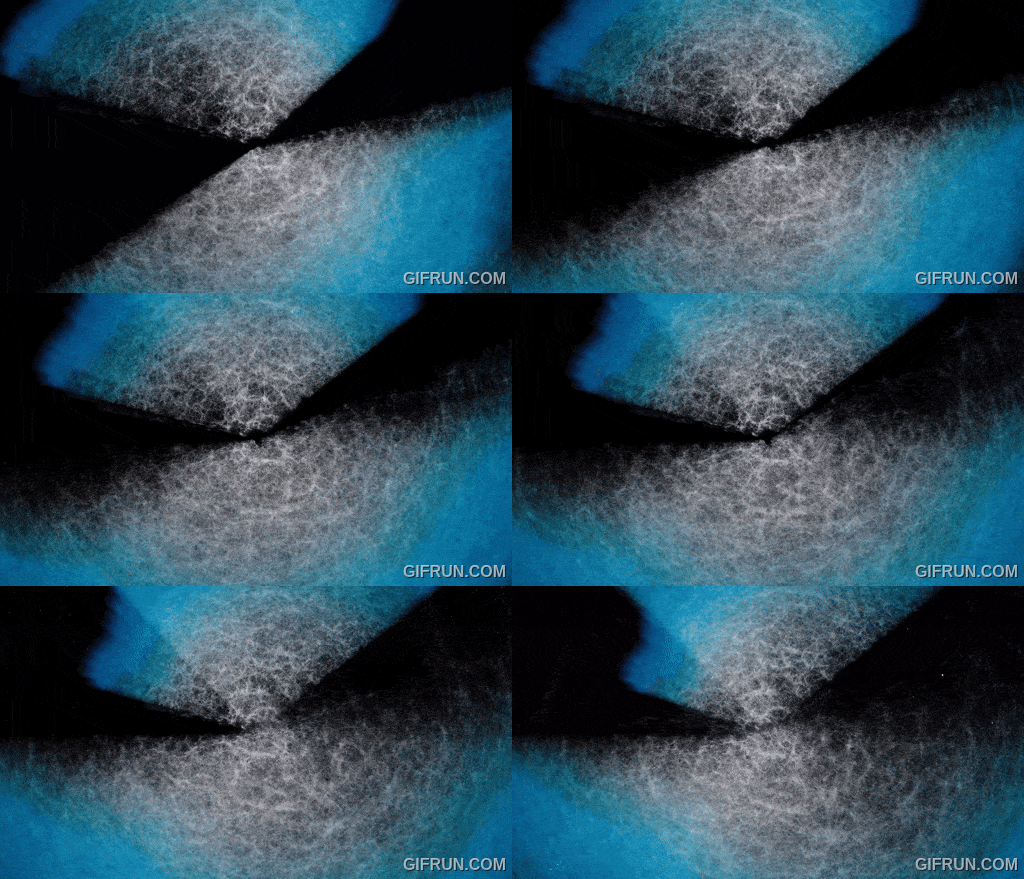
The Universe isn't just expanding; the expansion is accelerating. If different methods yield incompatible results, is dark energy evolving?
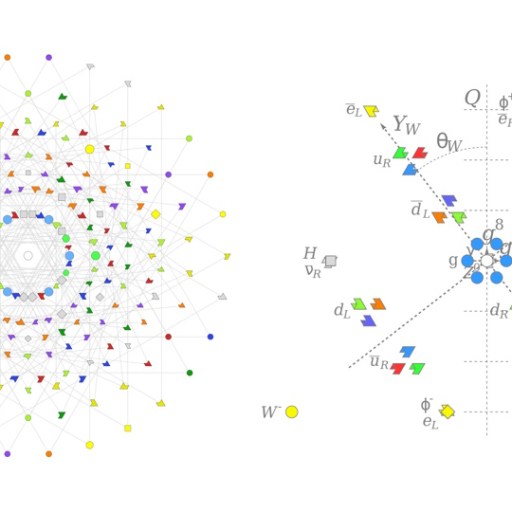
When you don't have enough clues to bring your detective story to a close, you should expect that your educated guesses will all be wrong.
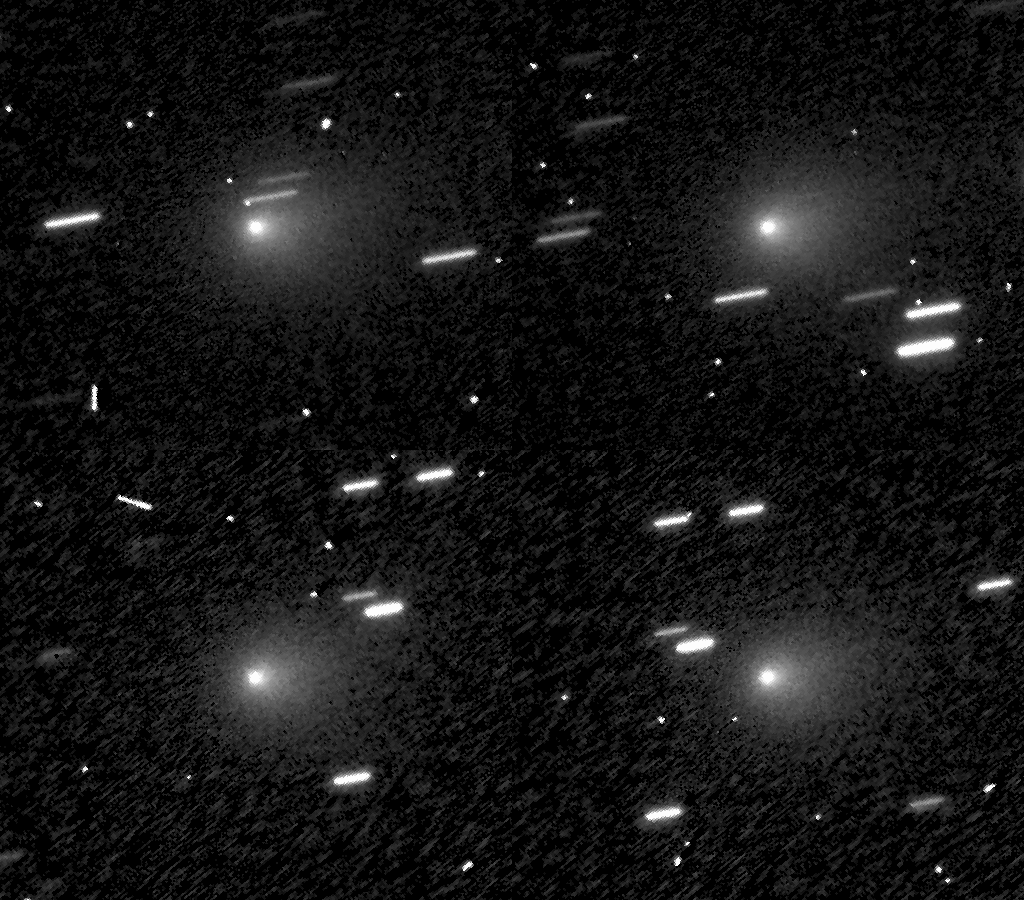
Designed to map galaxies, the SPHEREx mission's first science result is instead about interstellar interloper 3I/ATLAS. No, it's not aliens.
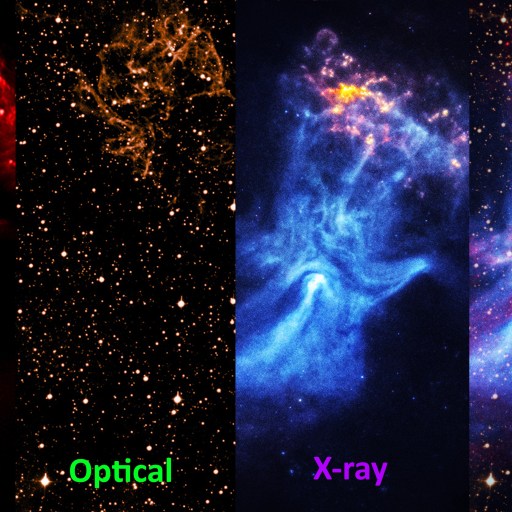
In our own Milky Way, a recently deceased star creates a ghostly, hand-like shape in X-rays some 150 light-years wide. Here's how it's made.

Just 13.8 billion years after the hot Big Bang, we can see 46.1 billion light-years away in all directions. Doesn't that violate...something?
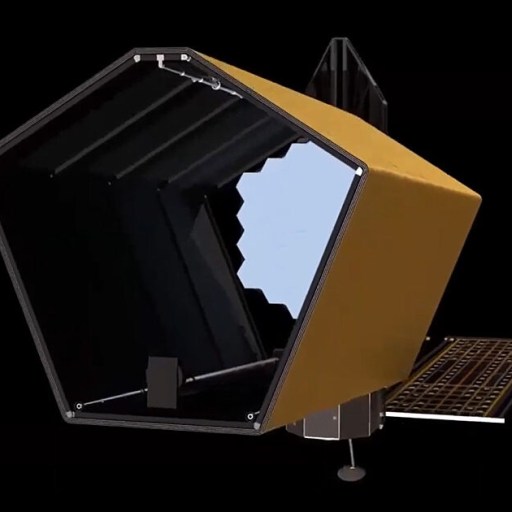
At the end of July, hundreds of scientists convened to plan NASA's upcoming astrophysics flagship mission. Will the US allow it to happen?
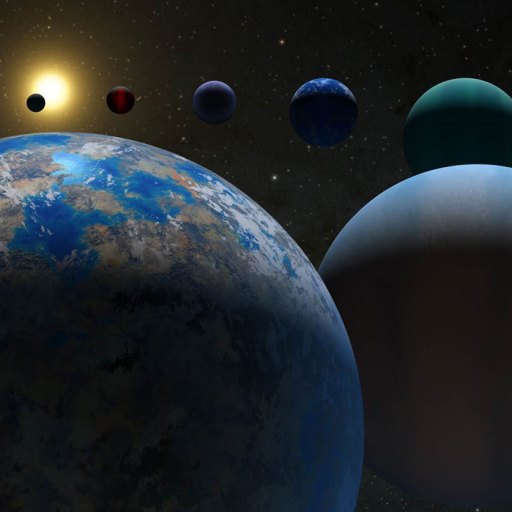
Somewhere, at some point in the history of our Universe, life arose. We're evidence of that here on Earth, but many big puzzles remain.

Even just by examining the Moon with the unaided eye, we can learn an incredible amount about the Moon, Earth, and more.
With over 300 high-significance gravitational wave detections, we now have a huge unsolved puzzle. Will we invest in finding the solution?
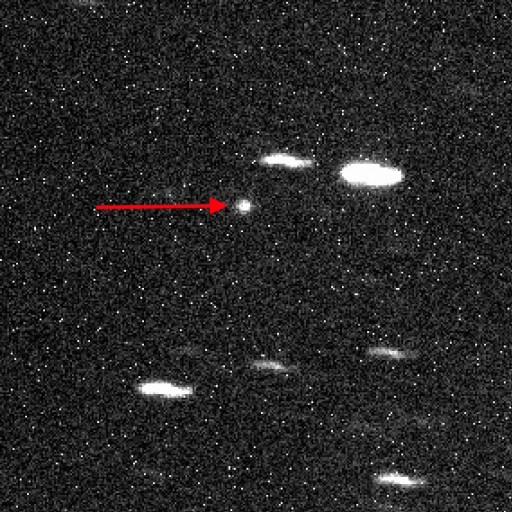
First 'Oumuamua, then Borisov, and now ATLAS have shown us that interstellar interlopers are real. Here's what the newest one teaches us.
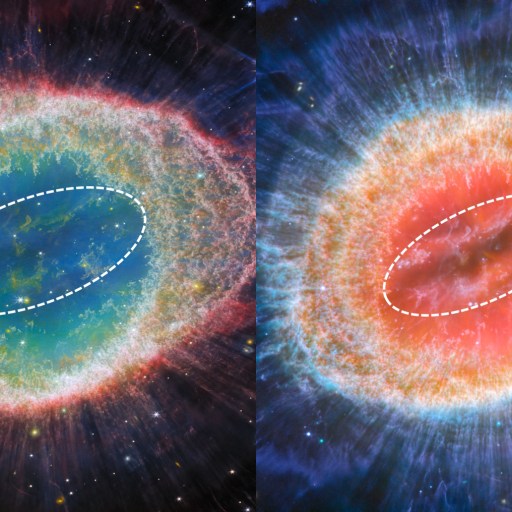
Our nearby Ring Nebula, with JWST's eyes, shows evidence for planet formation. Will the Sun eventually destroy, and then replace, the Earth?
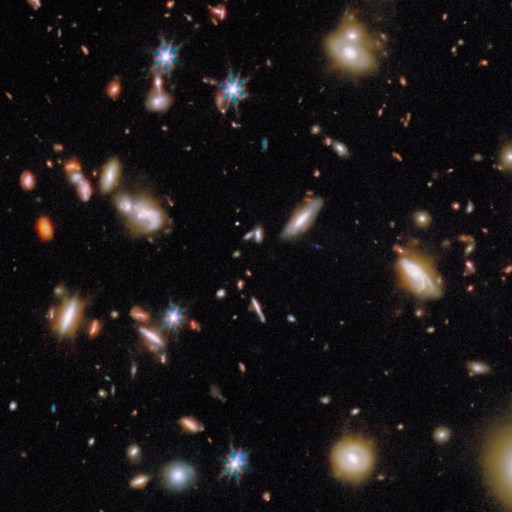
Originally, the abundance of bright, early galaxies shocked astronomers. After 3 years of JWST, we now know what's really going on.
Looking at a dark, night sky has filled humans with a sense of awe and wonder since prehistoric times. But appearances can be deceiving.
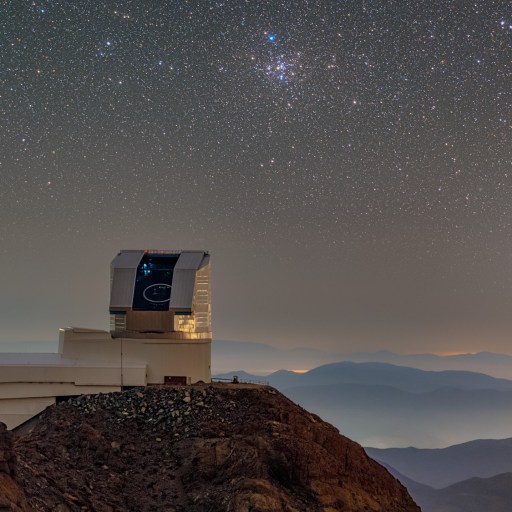
In just its first 10 hours of observations, the Vera Rubin observatory discovered more than 2000 new asteroids. What else will it teach us?
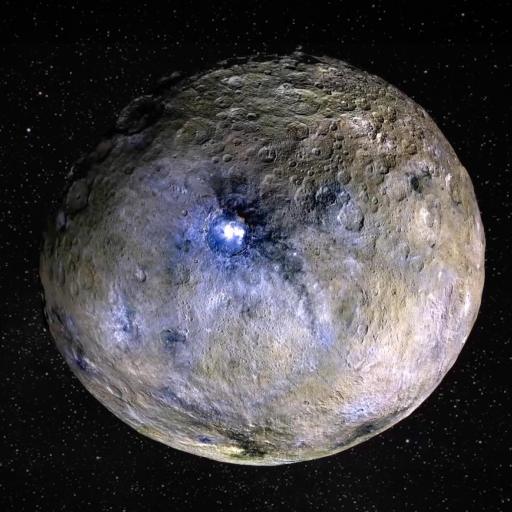
As the closest icy ocean world to
Earth, Ceres may be a promising candidate in the search for signs of ancient life.