Search
Black Holes
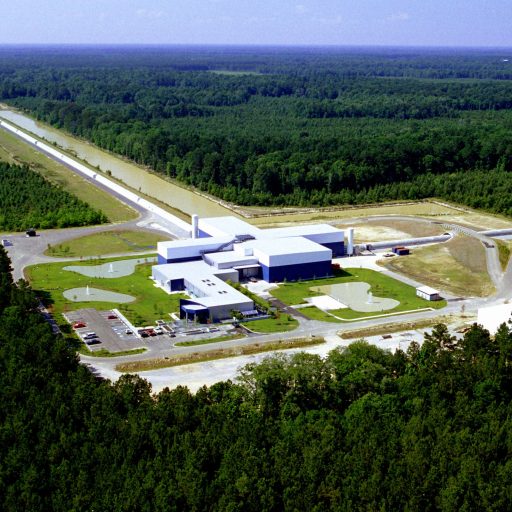
10 years ago, LIGO first began directly detecting gravitational waves. Now better than ever, it's revealing previously unreachable features.
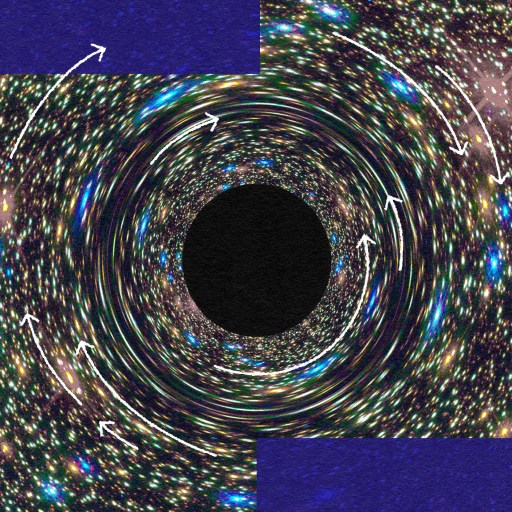
At the center of Hubble's famous "cosmic horseshoe," a very heavy supermassive black hole has been robustly measured. How is it possible?
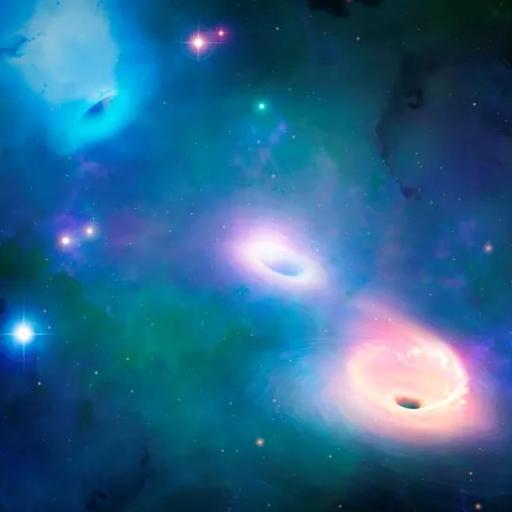
Two supermassive black holes on an inevitable death spiral push the limits of Einstein's relativity. New observations reveal even more.
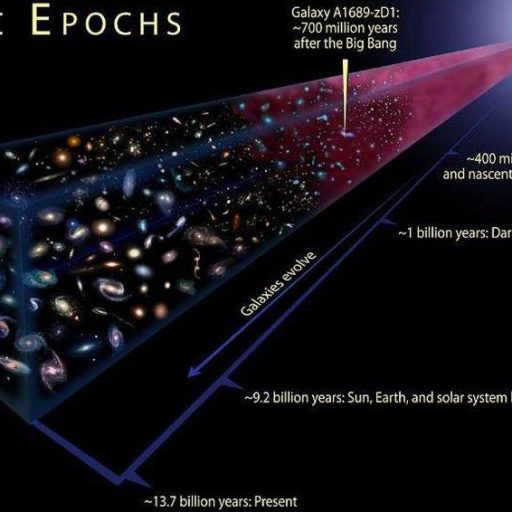
When the Hubble Space Telescope first launched in 1990, there was so much we didn't know. Here's how far we've come.
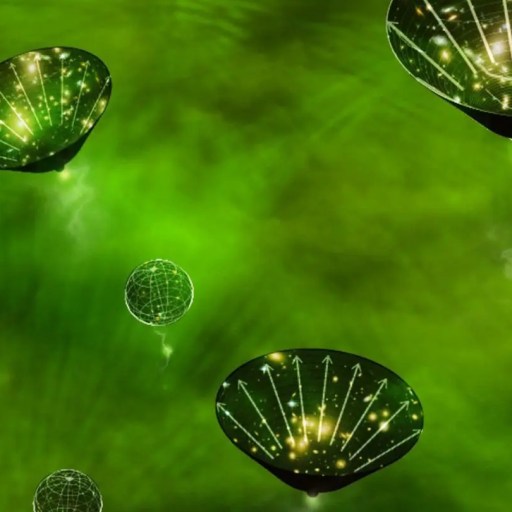
Once you cross a black hole's event horizon, there's no going back. But inside, could creating a singularity give birth to a new Universe?
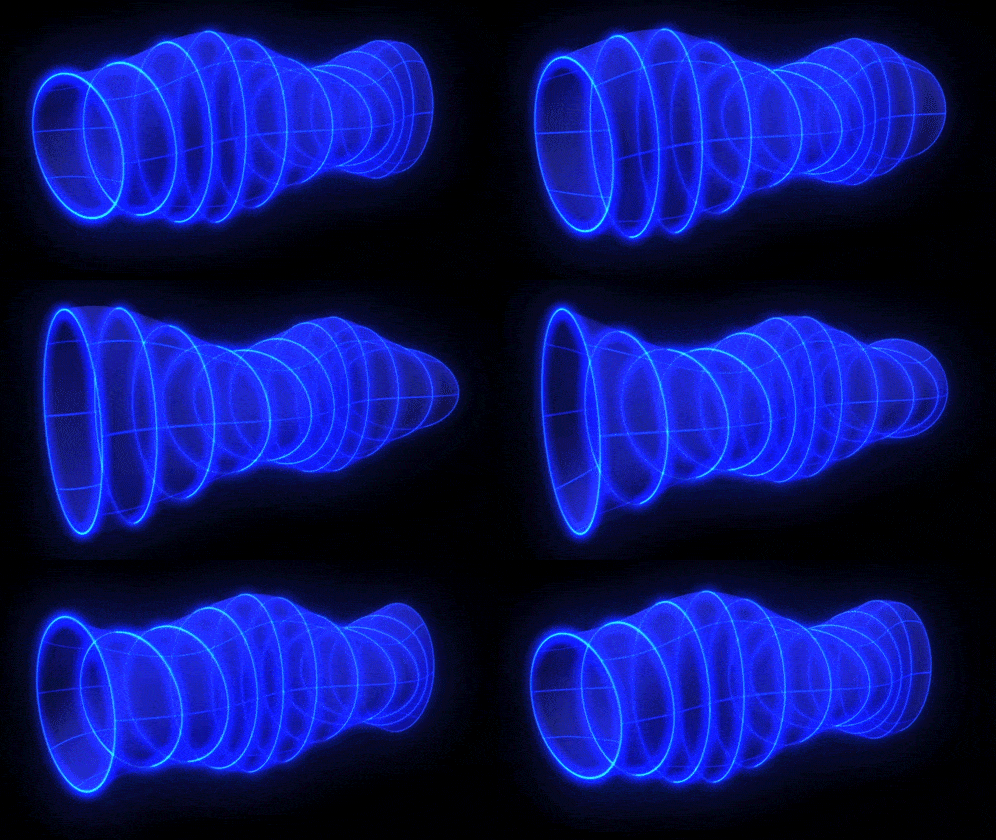
With over 300 high-significance gravitational wave detections, we now have a huge unsolved puzzle. Will we invest in finding the solution?
Will we build a successor collider to the LHC? Someday, we'll reach the true limit of what experiments can probe. But that won't be the end.
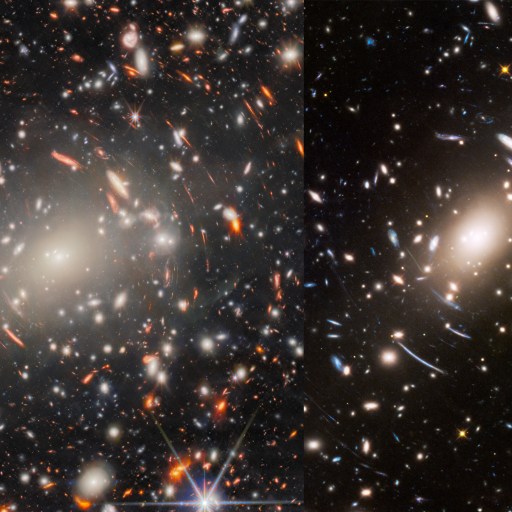
Massive galaxy cluster Abell S1063, 4.5 billion light-years away, bends and distorts the space nearby. Here's what a JWST deep field shows.
The tiniest galaxies of all are the most severely dominated by dark matter. Could black holes be the cause of the extra gravity instead?