Search
Cognitive Science
Metacognition — the ability to think about your thinking — can help you learn faster and make better decisions.
In this excerpt from "The Shortest History of AI," Toby Walsh explores the history of the Logic Theorist, the first AI to prove mathematical theorems.

In this excerpt from "One Hand Clapping," Nikolay Kukushkin makes the case that neurons reveal how memory, meaning, and even consciousness emerge from the same biological roots in humans, sea slugs, and beyond.
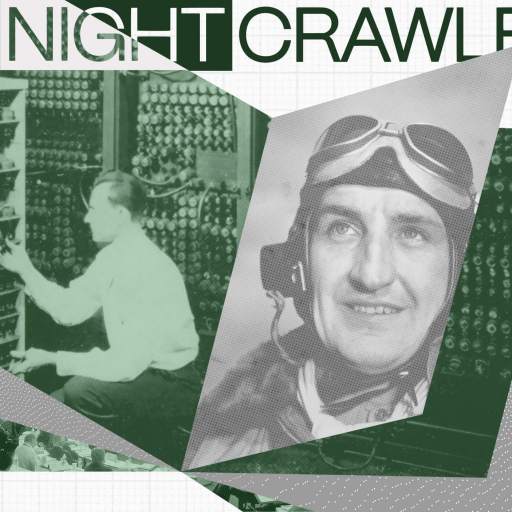
Welcome to The Nightcrawler — a weekly newsletter from Eric Markowitz covering tech, innovation, and long-term thinking.
Members
Barbara Oakley, instructor of a popular MOOC, offers strategies for enhancing learning skills by leveraging insights from neuroscience and cognitive science, addressing the challenges posed by our brain's hardwiring in changing habits and acquiring new skills.
Members
Philosopher Daniel Dennett offers time-tested techniques from philosophy and cognitive science to help navigate modern challenges like "fake news" and AI, emphasizing the importance of inquiry and critical thinking in uncovering the truth.
8mins
"If you're interested in human performance, what you want is something that's reliable and repeatable, and thus you want neurobiology because neurobiology gives you mechanism."

A conversation with Dr. Susan Schneider on the AI risks we’re not talking about and why the fixation on AGI is misplaced.
Neuroscientist Rachel Barr shares her favorite books on the brain and how they shaped her approach to the field.
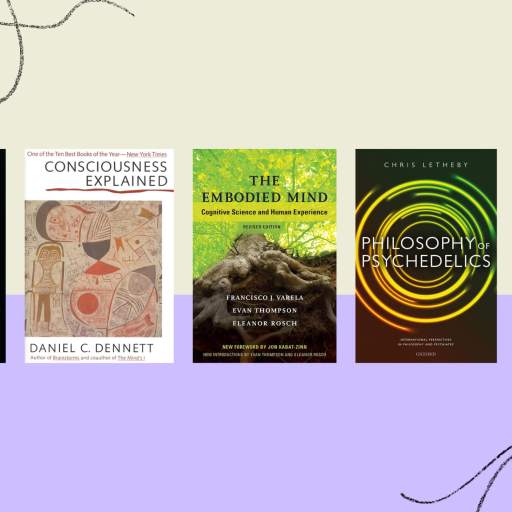
These expert-recommended books try to answer the questions of consciousness, from its fundamental nature to its role in human experience and the natural world.
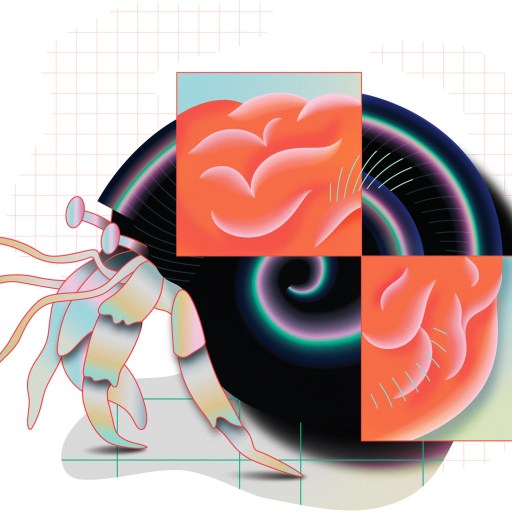
A conversation about intelligence and consciousness with philosopher Peter Godfrey-Smith.
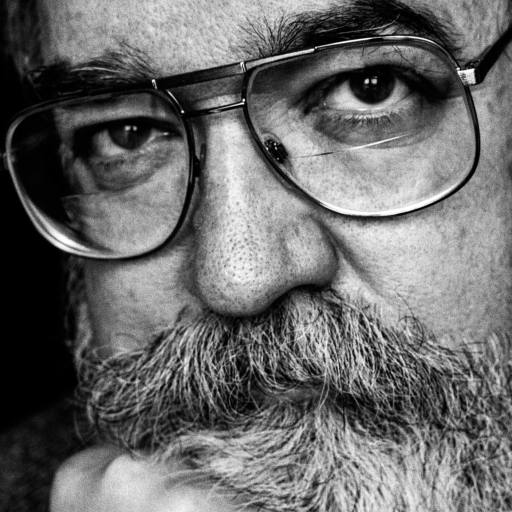
"For many people, the idea that consciousness is a set of tricks is offensive," the late philosopher told Big Think in 2012. "I think that's a prime mistake."