Search
Collaboration
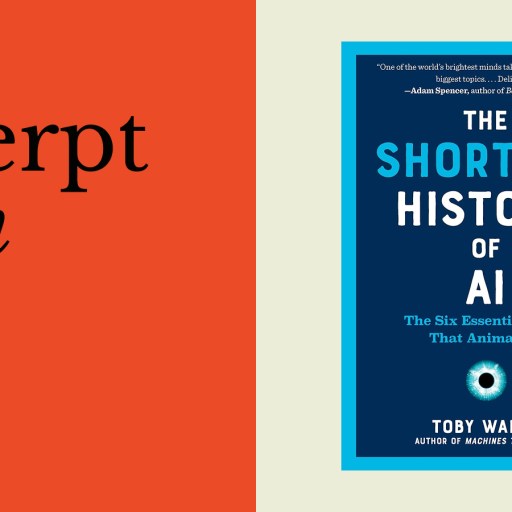
In this excerpt from "The Shortest History of AI," Toby Walsh explores the history of the Logic Theorist, the first AI to prove mathematical theorems.
It's no wonder great writers swear by messy first drafts.
Marine Tanguy — author and founder/CEO of MTArt Agency — argues that viewing and creating art has profound benefits.
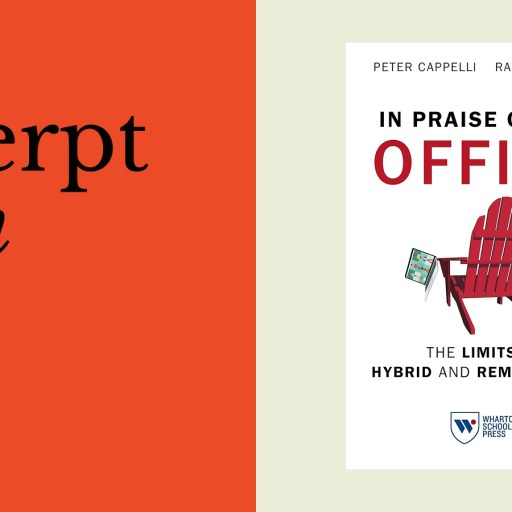
How to foster a workplace environment where employees want to be present, rather than feel forced to be there.
In this excerpt from "The Formula for Better Health," Tom Frieden explores how Alice Hamilton transformed public health in her fight against lead poisoning.
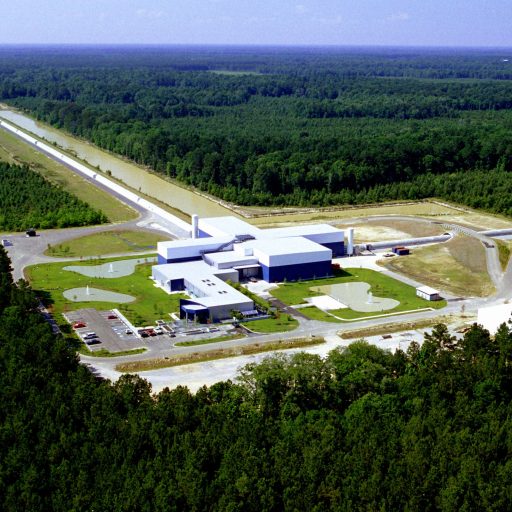
10 years ago, LIGO first began directly detecting gravitational waves. Now better than ever, it's revealing previously unreachable features.
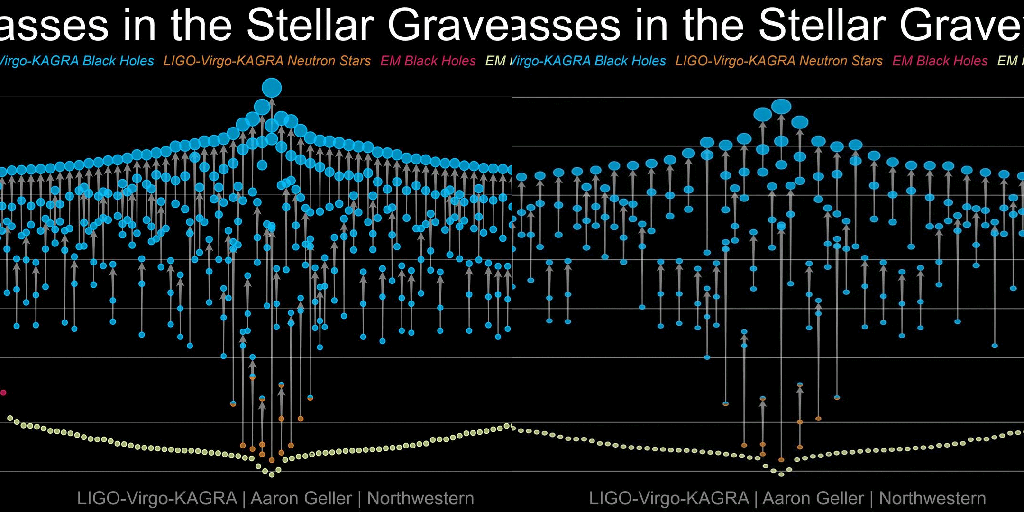
10 years ago, LIGO saw its first gravitational wave. After 218 detections, our view of black holes has changed forever. Can this era endure?
MIT Sloan’s Nelson P. Repenning and Donald C. Kieffer outline their tried-and-tested solution for stubborn workflow blockages.

Designed to map galaxies, the SPHEREx mission's first science result is instead about interstellar interloper 3I/ATLAS. No, it's not aliens.
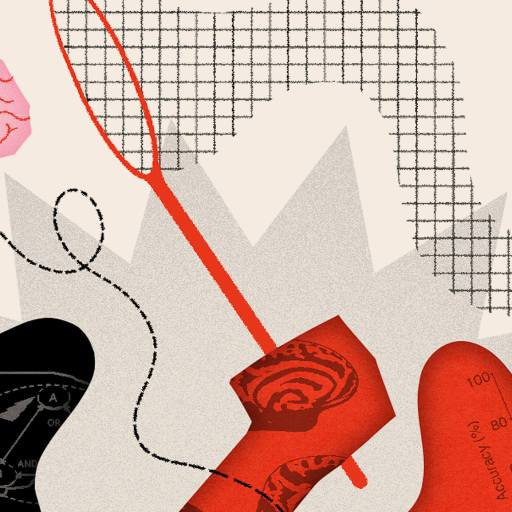
A conversation with neuroscientist Erik Hoel about the future of consciousness research.
“Who ya gonna believe: me or your own eyes?” Until you can assess your perception, the answer should be neither.
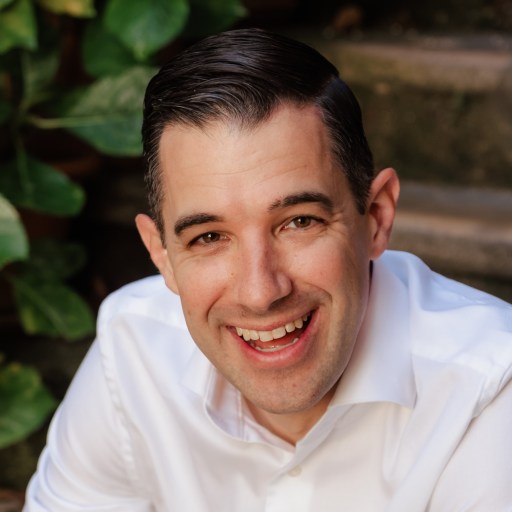
Fund manager and writer John Candeto is on a mission to decode the hidden patterns that drive extraordinary outcomes.
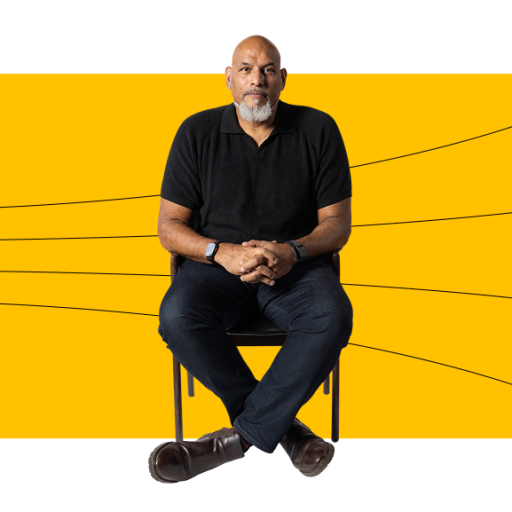
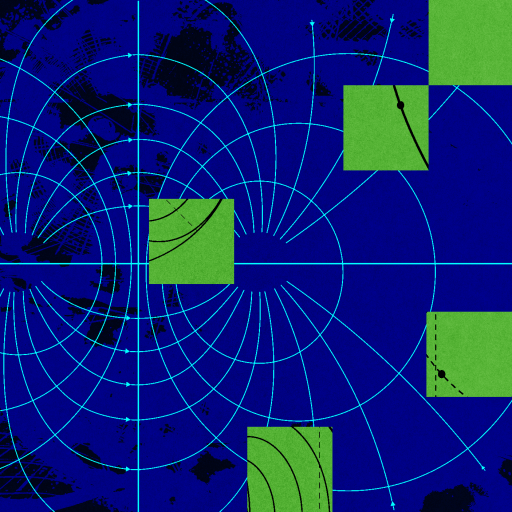
The conversation you're having with an LLM about groundbreaking new ideas in theoretical physics is completely meritless. Here's why.
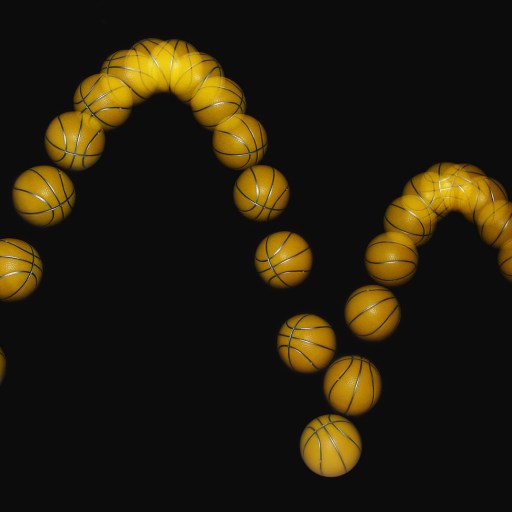
Whether you run the clock forward or backward, most of us expect the laws of physics to be the same. A 2012 experiment showed otherwise.
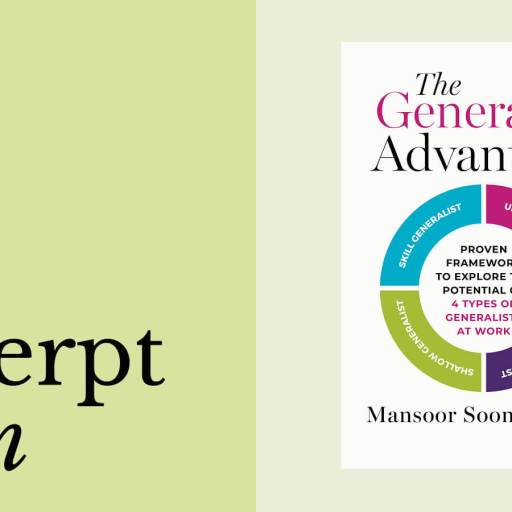
From Apple to Airbnb to OpenAI the generalist mindset has been an invaluable source of advantage — and we can all learn from these successes.
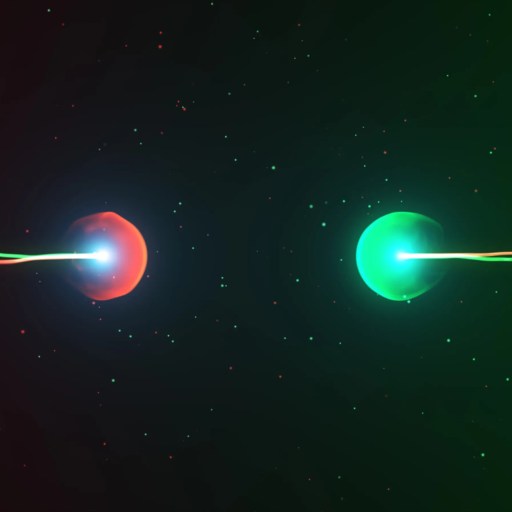
Will we build a successor collider to the LHC? Someday, we'll reach the true limit of what experiments can probe. But that won't be the end.
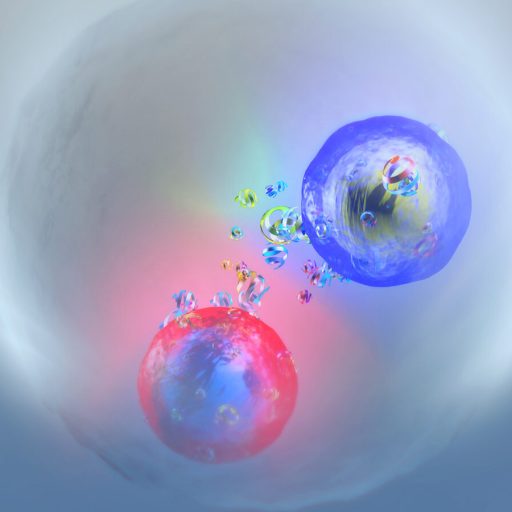
Can the top quark, the shortest-lived particle of all, bind with anything else? Yes it can! New results at the LHC demonstrate toponium exists.
Agentic AI pioneer Chetan Dube considers ways that everyone can be lifted by the tide of AI, not just those with the capital to leverage it.
Welcome to The Nightcrawler — a weekly newsletter from Eric Markowitz covering tech, innovation, and long-term thinking.
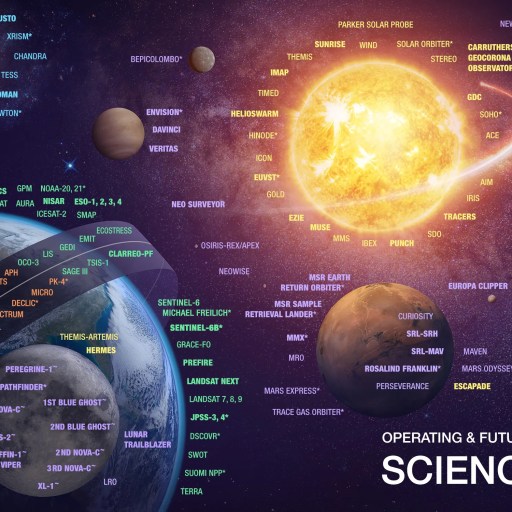
Over the first half of 2025, the US has cut science as never before. This disaster for American science may be a gift to the rest of the world.

When organizations focus on finding new markets, the returns can be spectacular — as a case study from Australia perfectly illustrates.
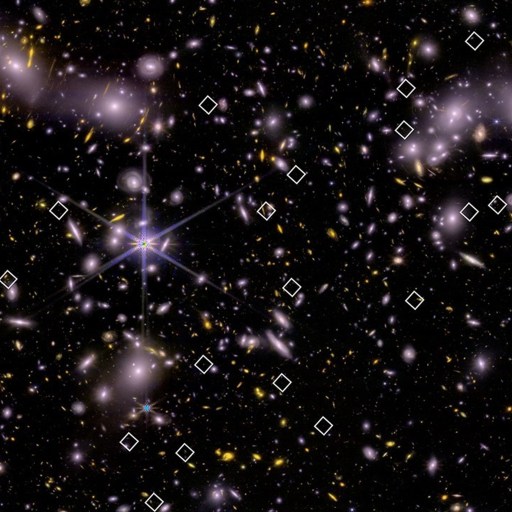
For hundreds of millions of years, a cosmic fog blocked all signs of starlight. At last, JWST found the galaxies that cleared that fog away.

To be culturally intelligent, you must be curious and open-minded — and the benefits can be transformative.
Snorre Kjesbu — SVP & GM of Cisco’s Employee Experience group — has a bold vision for the future of human interaction.
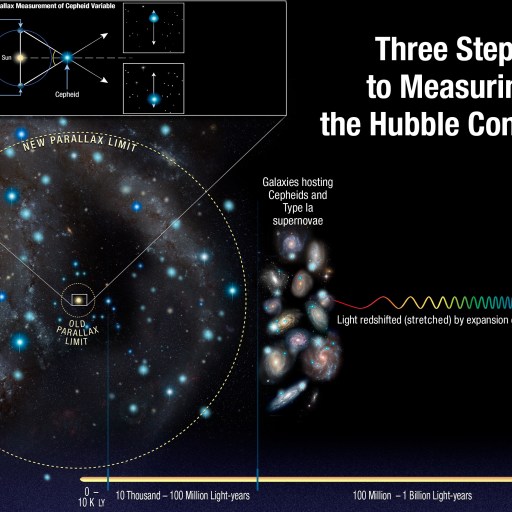
Is the Universe's expansion rate 67 km/s/Mpc, 73 km/s/Mpc, or somewhere in between? The Hubble tension is real and not so easy to resolve.