Search
Communication
The greatest companies navigate change at speed and make it stick at scale. Here’s how IBM started that journey in 2012.
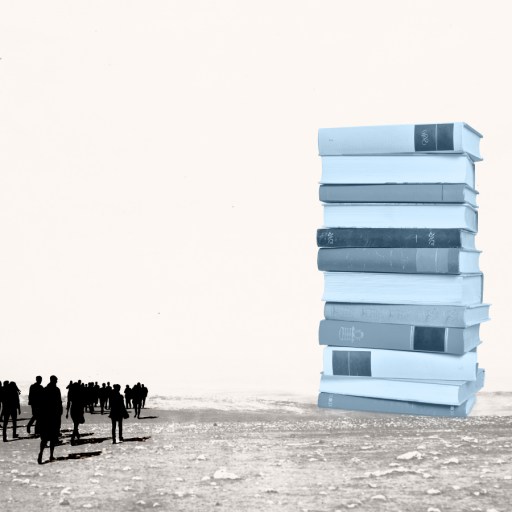
The great books aren’t just classics — they’re cultural Schelling points that give our minds a place to meet up in the world of ideas.
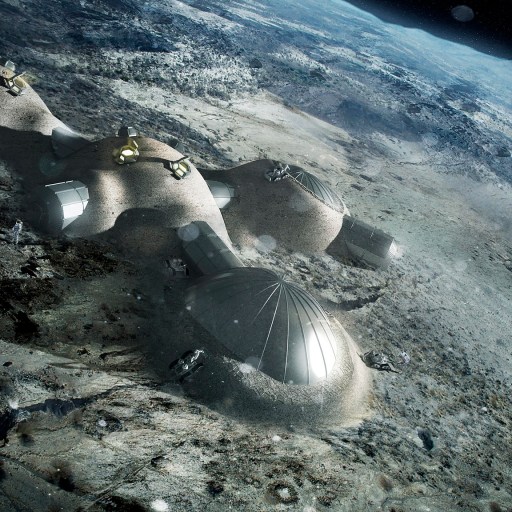
The first world beyond Earth for human habitability should be the Moon, not Mars. This is why we should terraform our lunar neighbor first.

Physicist Daniel Whiteson challenges the notion that all intelligent species would eventually uncover the same laws of nature. Do you agree?
Richard Fain — Chairman and former CEO of Royal Caribbean Group — explains how a tongue-twister helped boost his company’s fortunes.
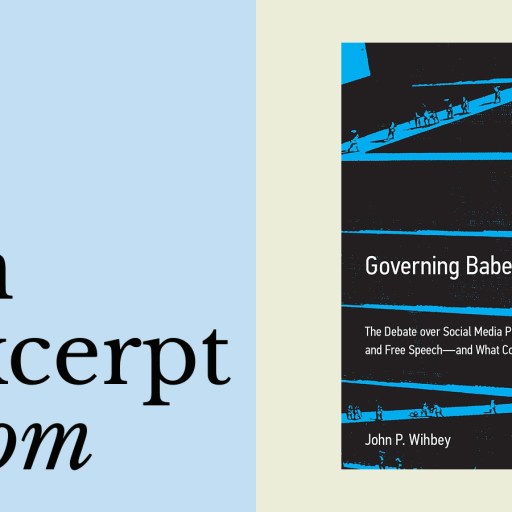
In this excerpt from "Governing Babel," John Wihbey explores how AI is reshaping online moderation by offering tools that can help human moderators, but also raises the risk of disinformation and digital chaos.
As the Universe ages, it continues to gravitate, form stars, and expand. And yet, all this will someday end. Do we finally understand how?
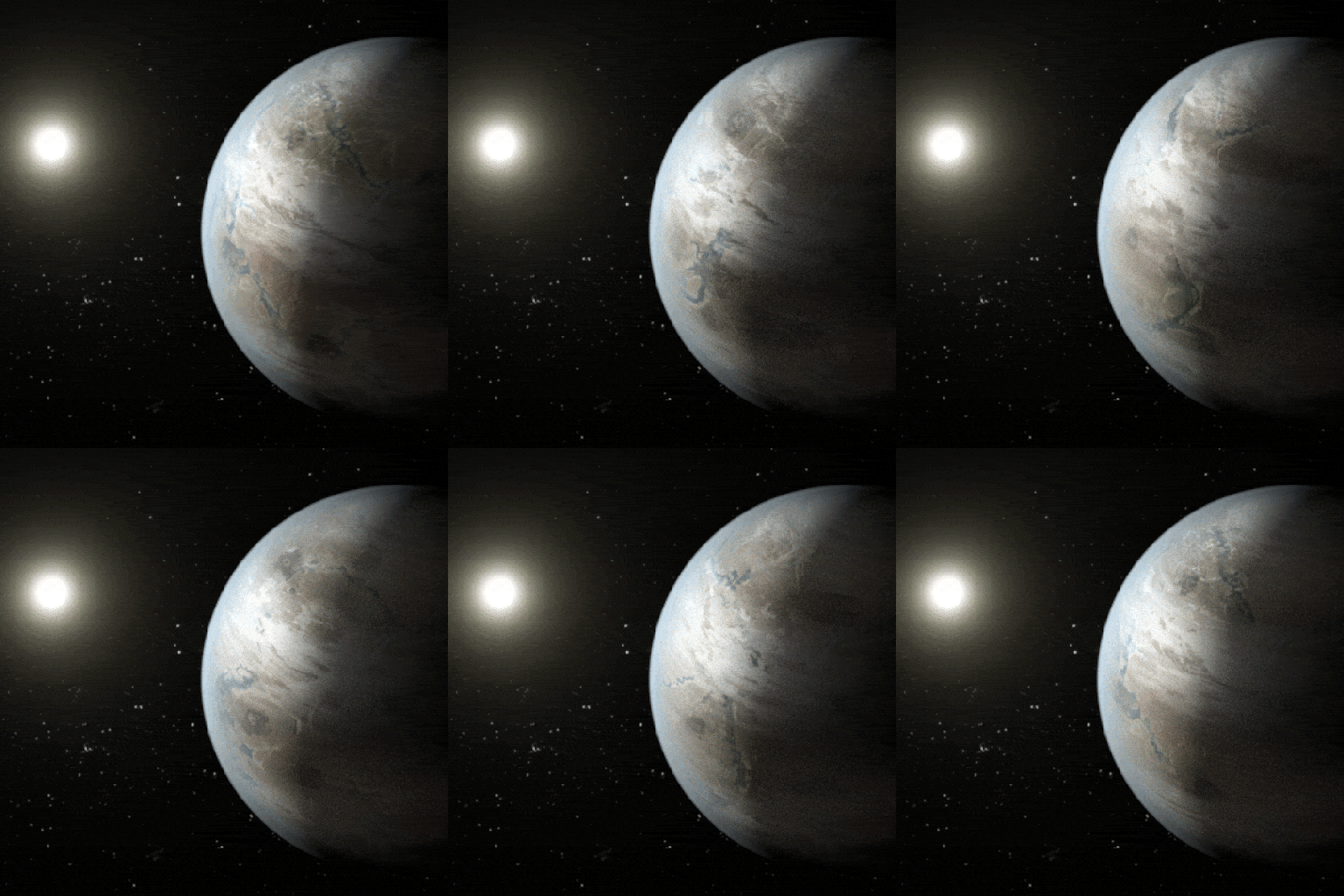
From here on Earth, looking farther away in space means looking farther back in time. So what are distant Earth-watchers seeing right now?
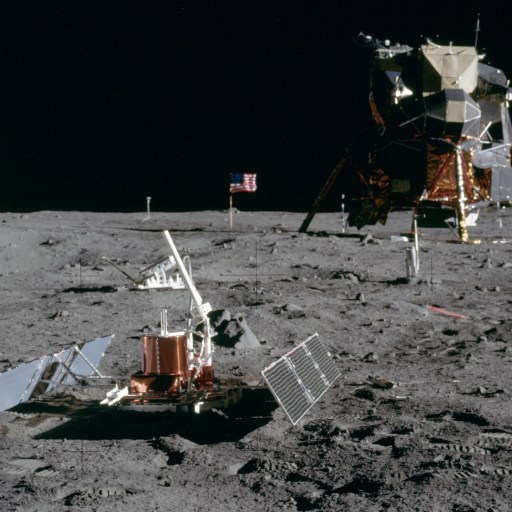
As October begins, thousands of longtime NASA employees are leaving the agency. 4000+ will exit by January 9, 2026, changing NASA forever.
Big Think spoke with astronomer David Kipping about technosignatures, "extragalactic SETI," and being a popular science communicator in the YouTube age.
Welcome to The Nightcrawler — a weekly newsletter from Eric Markowitz covering tech, innovation, and long-term thinking.
All of the matter that we measure today originated in the hot Big Bang. But even before that, and far into the future, it'll never be empty.
Welcome to The Nightcrawler — a weekly newsletter from Eric Markowitz covering tech, innovation, and long-term thinking.
A conversation with Annaka Harris on shared perception, experimental science, and why our intuition about consciousness is wrong.
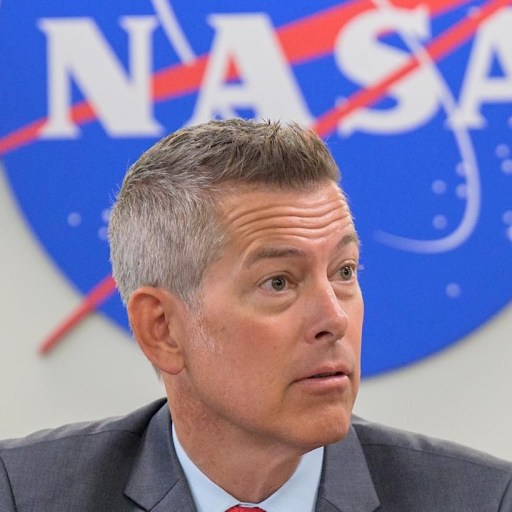
NASA's 1958 charter's top priority was, "the expansion of human knowledge of phenomena in the atmosphere and space." Is this how it ends?
The Japanese practice of "tsundoku" bestows joy and lasting benefits to those who make books an important part of their lives.
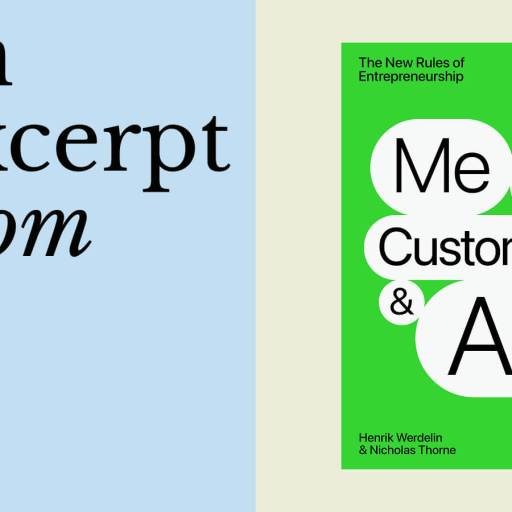
In the post-AI startup landscape, the role of the entrepreneur will evolve from operator to orchestrator. Are you ready?
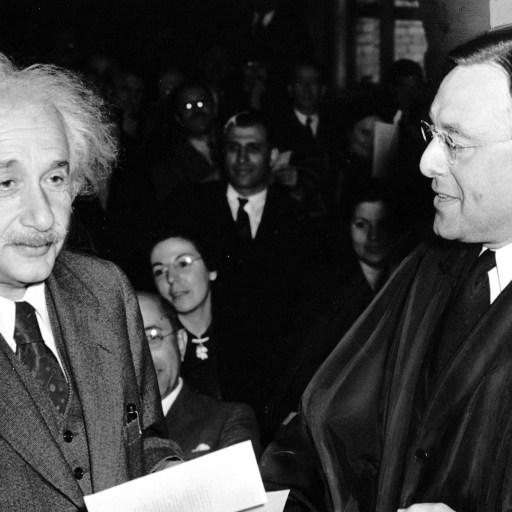
From Einstein to Twain, Garson O’Toole investigates the truth behind your favorite — and often misattributed — quotes.

One does not simply make a meme go viral.
Duke sociologist Dr. Christopher Bail on the tech’s potential to foster empathy in an age of division.
John Templeton Foundation
Author and geopolitical strategist Paulo Cardoso do Amaral urges us to ask: Will we shape AI with wisdom, or will AI reshape us with strategy?
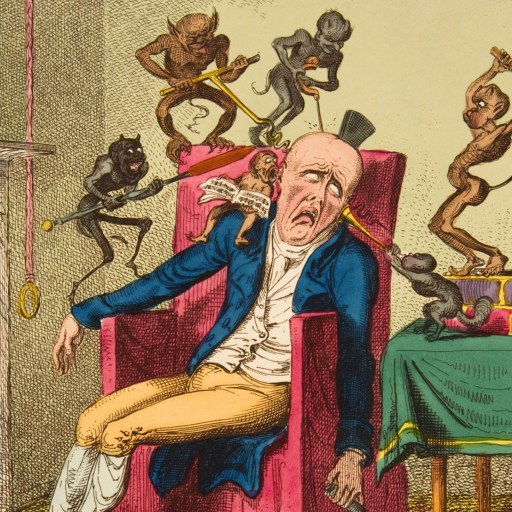
In "The Headache," Tom Zeller Jr. explores one of the human brain's most enduring, and painful, enigmas.
A conversation with the legendary VC on his latest book, his work at Techstars, and why “give first” is more than a motto — it’s a mindset.
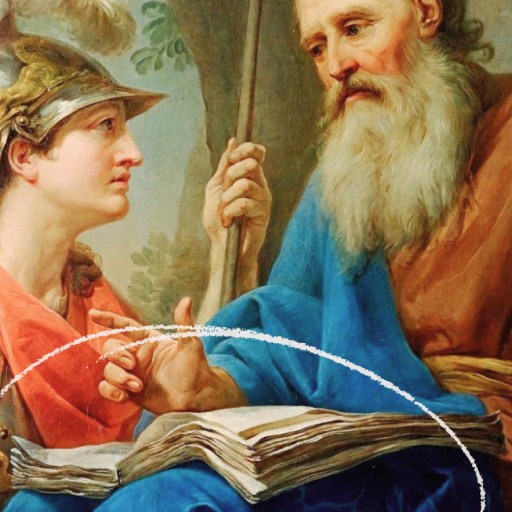
Want to study philosophy but skip some of its heavier tomes? These five novels are a great place to start. (Existential despair guaranteed.)

When organizations focus on finding new markets, the returns can be spectacular — as a case study from Australia perfectly illustrates.
Kathryn Harkup, chemist and author of V Is for Venom, joins Big Think to discuss why Christie isn’t just a brilliant writer but a unique science communicator.
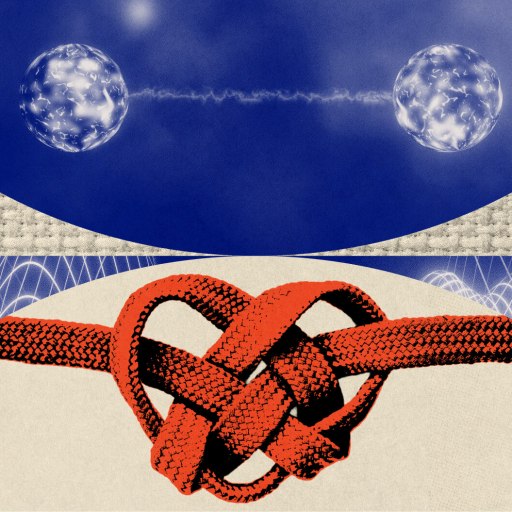
A meditation on quantum physics, creative endurance, and the unseen forces that shape what lasts.
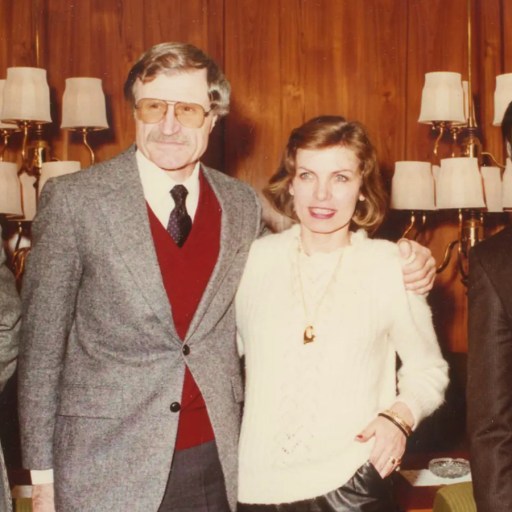
In this excerpt from "Agents of Change," Christina Hillsberg tells the story of Martha “Marti” Peterson, the first female case officer stationed in Soviet Moscow.

To be culturally intelligent, you must be curious and open-minded — and the benefits can be transformative.
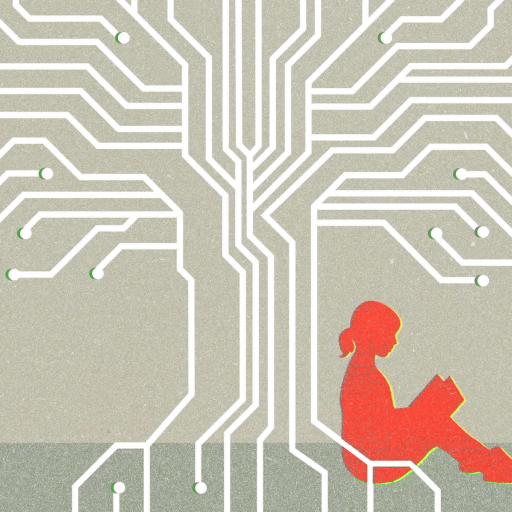
"The rise of the internet brought about similar fears, yet it ultimately made learning richer and more accessible."