Search
Dark Energy

The planet, the Solar System, and the galaxy aren't expanding. But the whole Universe is. So where does the dividing line begin?
The whole isn't greater than the sum of its parts; that's a flaw in our thinking. Non-reductionism requires magic, not merely science.
Proposed over 2000 years ago by Democritus, the word atom literally means uncuttable. Revived in 1803, today's "atoms" can indeed be split.
All of the matter that we measure today originated in the hot Big Bang. But even before that, and far into the future, it'll never be empty.
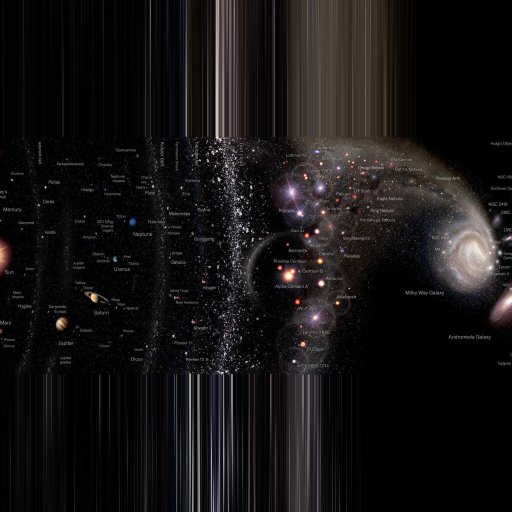
As we look to larger cosmic scales, we get a broader view of the expansive cosmic forest, eventually revealing the grandest views of all.
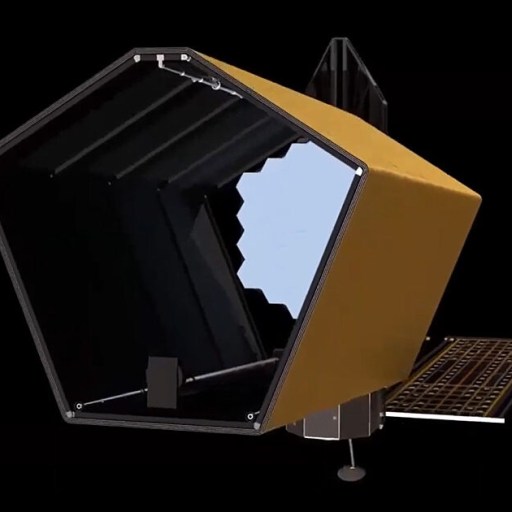
At the end of July, hundreds of scientists convened to plan NASA's upcoming astrophysics flagship mission. Will the US allow it to happen?

On the largest scales, galaxies don't simply clump together, but form superclusters. Too bad they don't remain bound together.
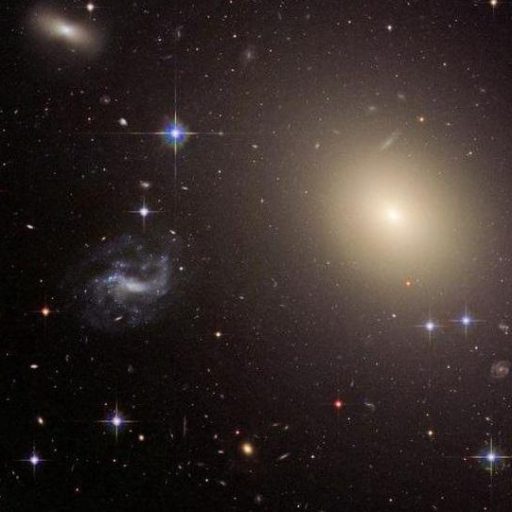
The Big Bang was hot, dense, uniform, and filled with matter and energy. Before that? There was nothing. Here's how that's possible.
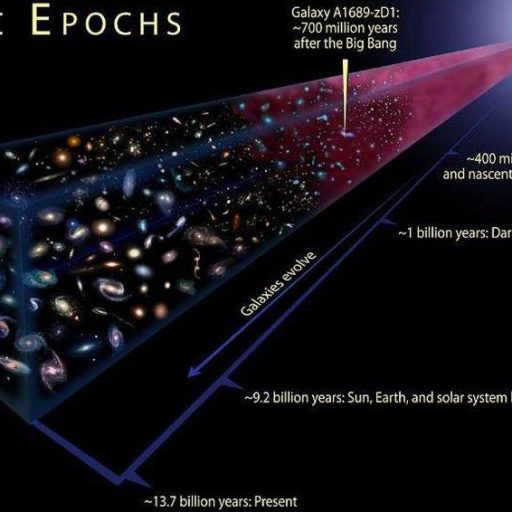
When the Hubble Space Telescope first launched in 1990, there was so much we didn't know. Here's how far we've come.
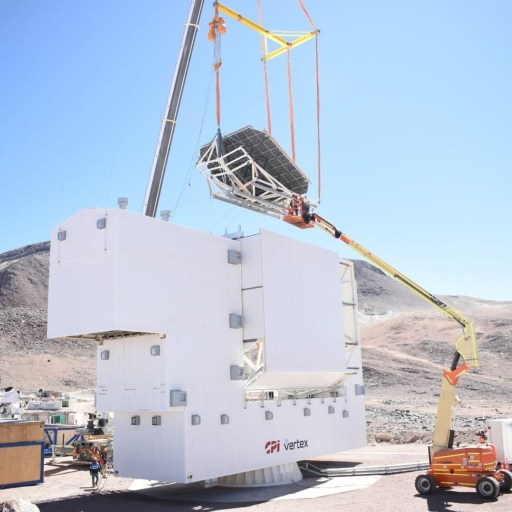
The relic signal that first proved the Big Bang has been known and analyzed for 60 years. Join us at the frontiers of modern cosmology!
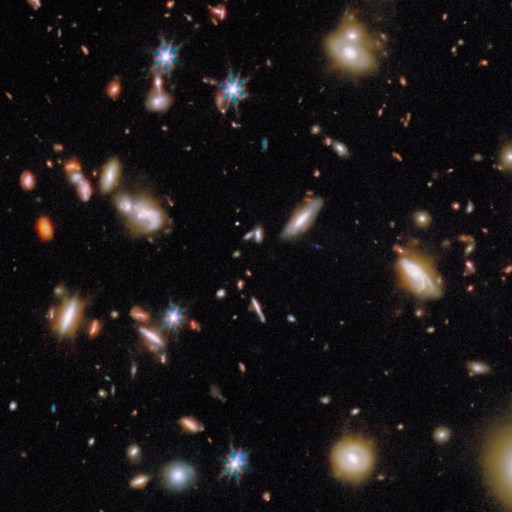
Originally, the abundance of bright, early galaxies shocked astronomers. After 3 years of JWST, we now know what's really going on.
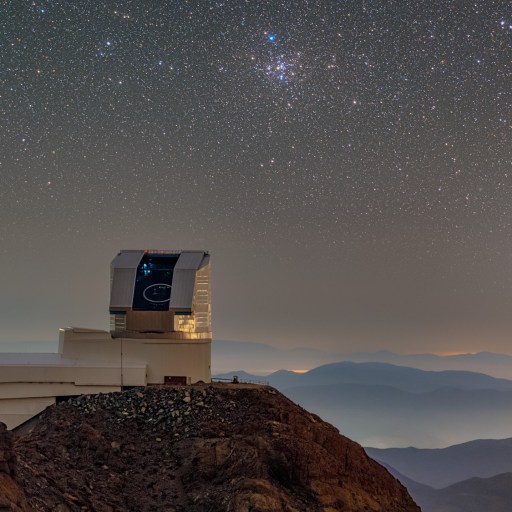
In just its first 10 hours of observations, the Vera Rubin observatory discovered more than 2000 new asteroids. What else will it teach us?
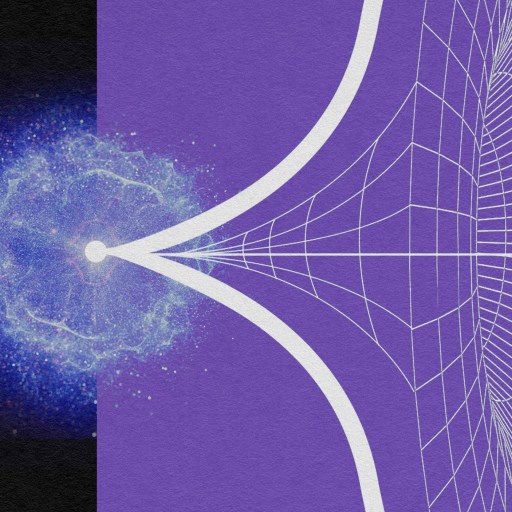
A few physical quantities, in all laboratory experiments, are always conserved: including energy. But for the entire Universe? Not so much.