Data

Data

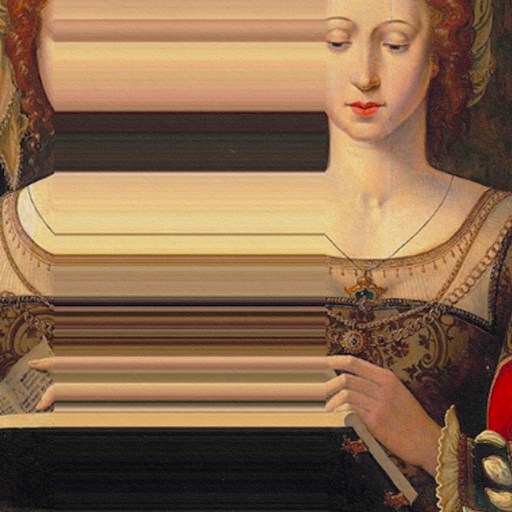
a painting of a woman avidly reading a book.
Despite the claims of speed reading apps and programs, you actually have to read the book if you want to learn.
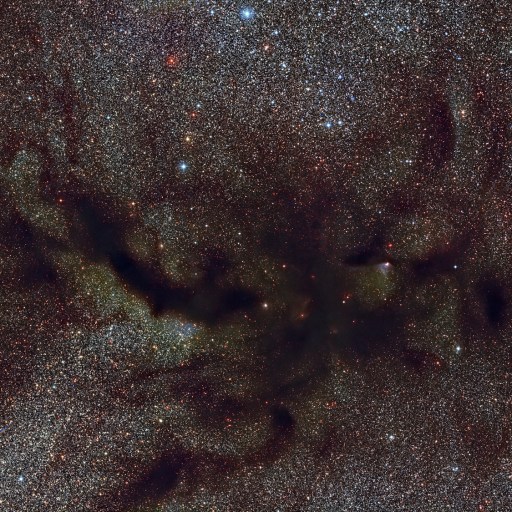
A dense star field with dark, irregular dust clouds—where cosmic dust come from—obscures parts of the glowing stars in the Milky Way.
Dust is ubiquitous in the modern Universe, appearing in nearly all galaxies. But our cosmos was born dust-free. So where does it originate?
The word "liberalism" in white lowercase text is centered on a black background, surrounded by rough red circles drawn with a crayon effect, visually emphasizing the ongoing discourse on liberalism.
In “On Liberalism," Cass Sunstein argues that liberalism can only endure if we reclaim its core commitments and revive its spirit of freedom and hope for the future.
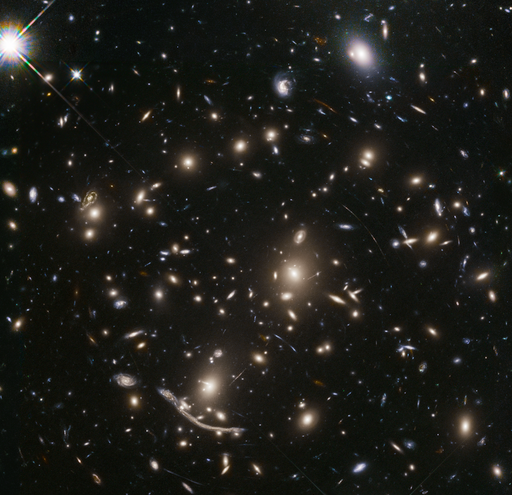
It's the origin of our entire observable Universe, but it's still not the very beginning of everything.
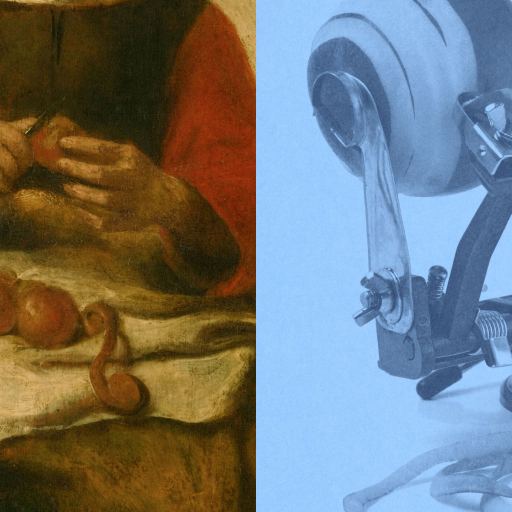
Split image: Left side shows a painting of hands peeling apples with a knife; right side features a modern mechanical apple peeler, echoing Jeff DeGraff’s spirit of innovation bridging tradition and progress.
Real understanding, argues Jeff DeGraff, doesn’t come from outputs — it comes from practice.
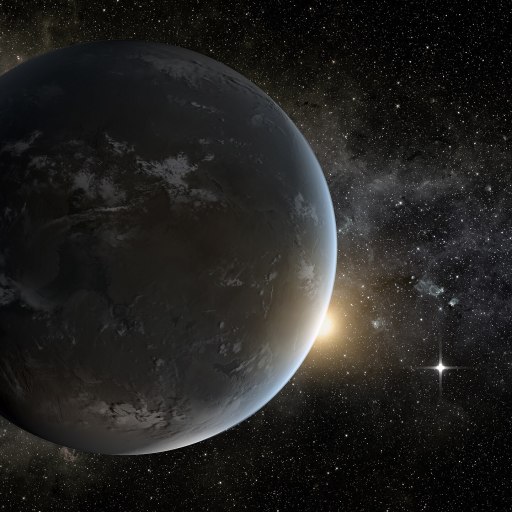
A dark, rocky planet orbits in space with the sun illuminating its edge, surrounded by stars and distant cosmic clouds.
The most common type of exoplanet is neither Earth-sized nor Neptune-sized, but in between. Could these haze-rich worlds house alien life?
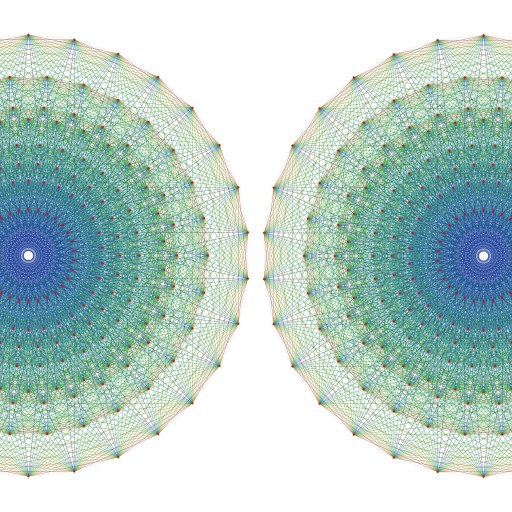
Two identical, intricate, circular geometric patterns with symmetrical, multicolored lines and shapes are displayed side by side on a white background—each subtly reflecting the argument against theory of everything’s promise of perfect symmetry.
The Holy Grail of physics is a Theory of Everything: where a single equation describes the whole Universe. But maybe there simply isn't one?
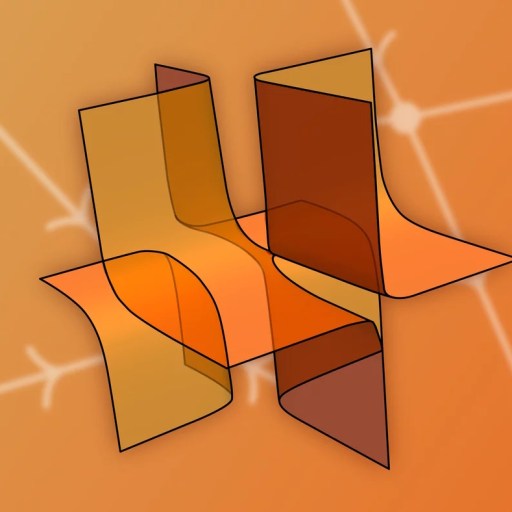
Abstract 3D geometric surface with intersecting translucent orange and brown planes, inspired by the amplituhedron theory of everything, set against a blurred orange background with white network lines.
Since even before Einstein, physicists have sought a theory of everything to explain the Universe. Can positive geometry lead us there?
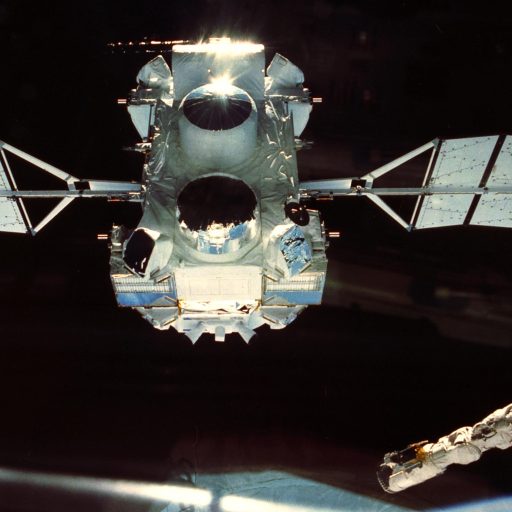
Compton gamma-ray observatory deployment
Across all wavelengths of light, the Sun is brighter than the Moon. Until we went to the highest energies and saw a gamma-ray surprise.
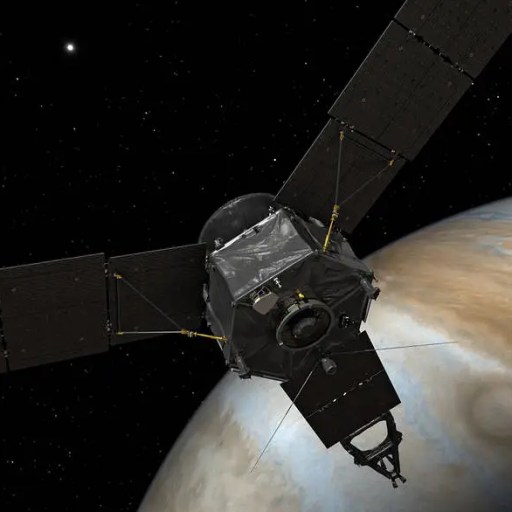
An artist's rendering of the nasa jupiter spacecraft.
The Juno spacecraft, orbiting and imaging Jupiter since 2016, is still succeeding. Without a further extension, the mission now faces death.
Book cover of "The Intelligence Explosion: When AI Beats Humans at Everything" by James Barrat, featuring a robot hand holding a globe, with the text "an excerpt from" reflecting the rise of AI.
The predictions of evolutionary theorists and current advances in “multimodal AI” offer strong clues to the future of employment.
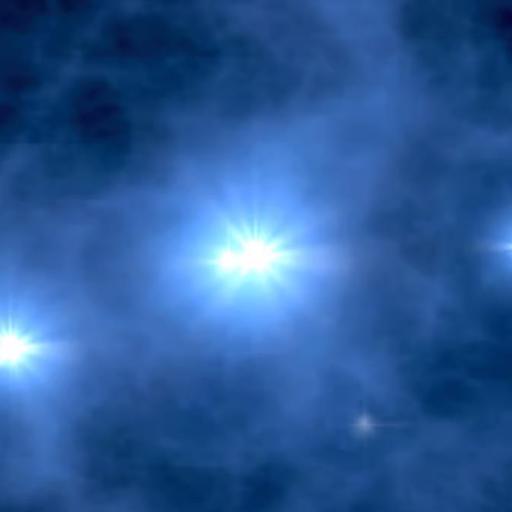
An artist's impression of a cluster of stars.
With several seemingly incompatible observations, cosmology faces many puzzles. Could early, supermassive stars be the unified solution?
The image shows the book cover for "The Contemplative Leader" by Patrick Boland, with his name prominently displayed next to the text “an excerpt from” on a split pale blue and beige background.
A contemplative approach to leading others can help us accept the tension of not always knowing how things will play out.
An abstract animation of white, textured patterns symmetrically forming on a blue and black background evokes the mysterious dance of dark energy, subtly hinting at its weakening presence as if guided by the precision of DESI.
The Universe isn't just expanding; the expansion is accelerating. If different methods yield incompatible results, is dark energy evolving?
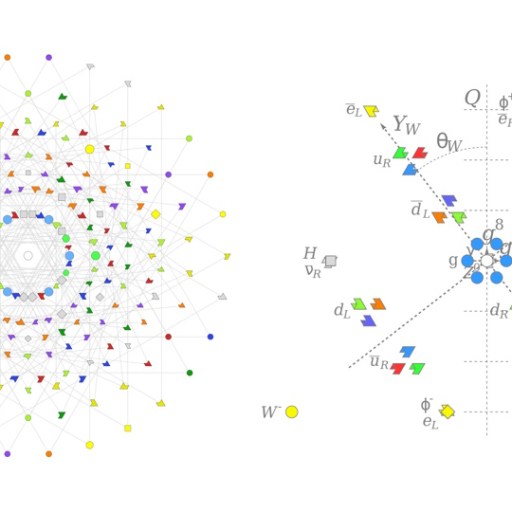
Two diagrams: the left shows a complex, circular, multicolored network; the right displays a theoretical physics diagram with labeled axes and colored particle symbols, capturing the intricate nature of physics hard concepts.
When you don't have enough clues to bring your detective story to a close, you should expect that your educated guesses will all be wrong.
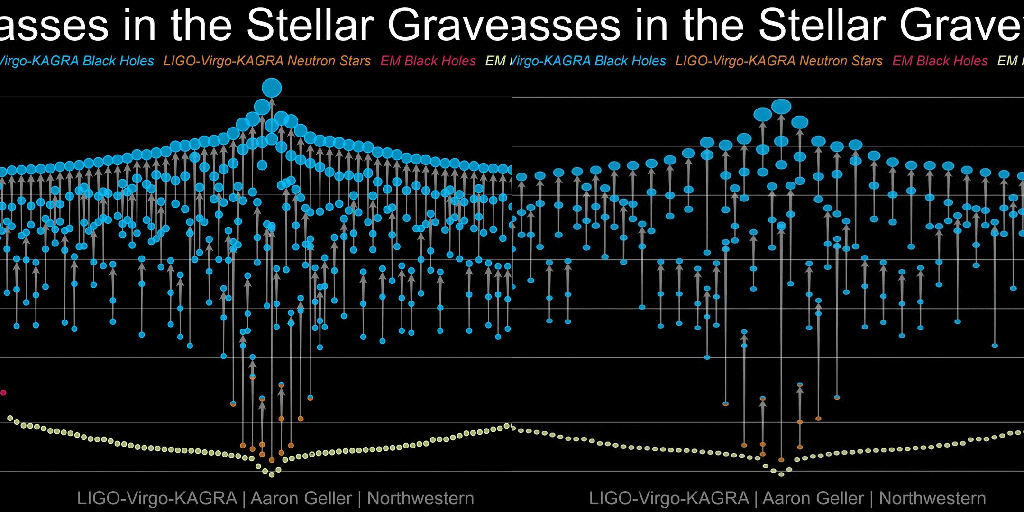
A chart titled "Masses in the Stellar Graveyard" shows the black holes and neutron stars detected by LIGO-Virgo-KAGRA, plotted on a logarithmic scale in solar masses, highlighting how LIGO triples black hole haul with each new discovery.
10 years ago, LIGO saw its first gravitational wave. After 218 detections, our view of black holes has changed forever. Can this era endure?
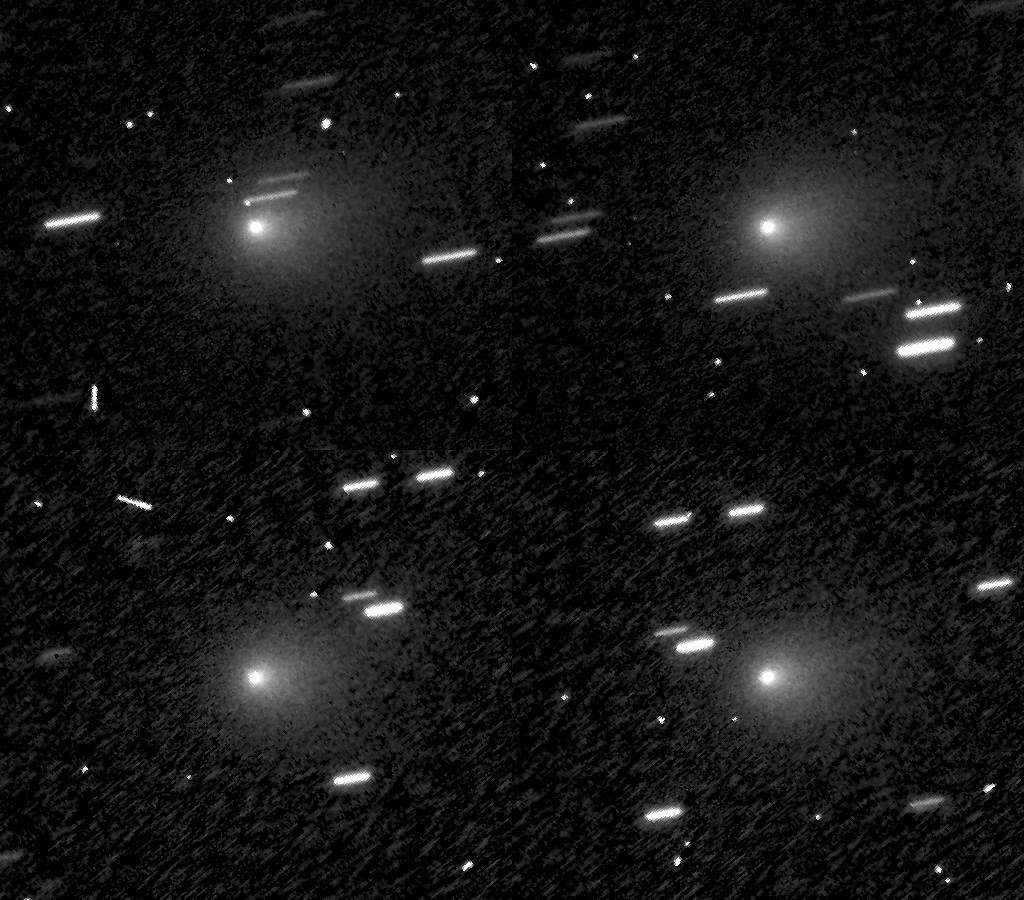
A grainy black and white image shows SPHEREx comet 3I/ATLAS gleaming at the center, surrounded by stars appearing as streaks due to long exposure.
Designed to map galaxies, the SPHEREx mission's first science result is instead about interstellar interloper 3I/ATLAS. No, it's not aliens.
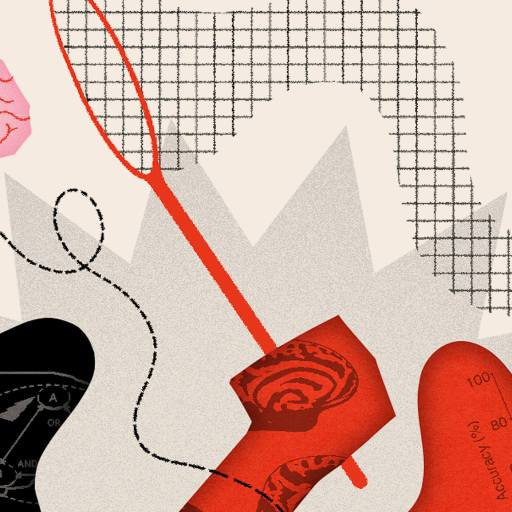
Abstract collage with a butterfly, brain sketches, graphs, and scientific diagrams overlaid with red, black, and beige shapes and textured patterns.
A conversation with neuroscientist Erik Hoel about the future of consciousness research.

A red door with a gold doorknob is floating in the middle of a blue sky surrounded by white clouds.
"Ordinary dreams are, perhaps, the clearest articulation of what it is like to be."
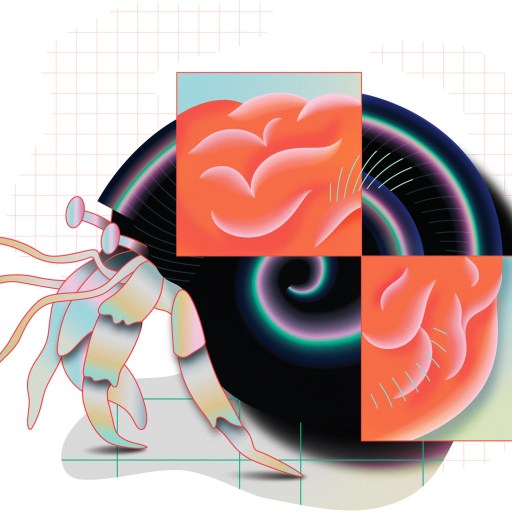
A digital illustration of a hermit crab with a shell resembling a human brain, shown in two square sections over the shell.
A conversation about intelligence and consciousness with philosopher Peter Godfrey-Smith.
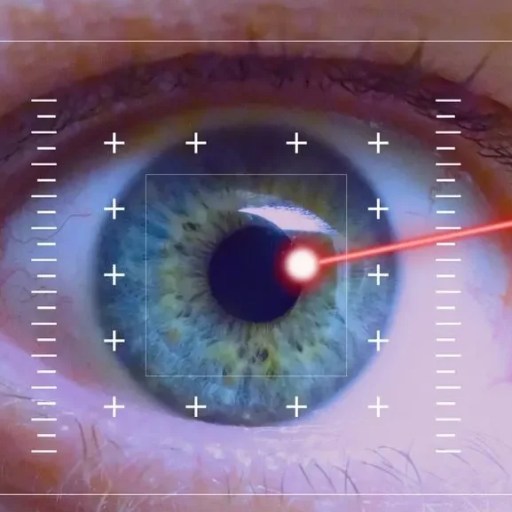
Close-up of a human eye with a digital interface overlay and a red laser beam targeting the pupil, illustrating the science of LASIK and advanced vision correction technology.
For many of us, our imperfect vision compels us to wear corrective lenses to see properly. Here's what everyone should know about LASIK.
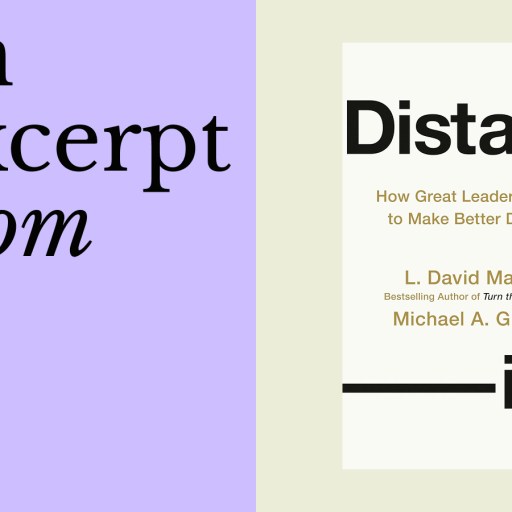
Book excerpt promotional graphic showing the cover of "Distancing: How Great Leaders Reframe to Make Better Decisions" by L. David Marquet and Michael A. Gillespie, highlighting an Intel genius approach in leadership—an excerpt from.
To navigate a heavyweight corporate quandary, take a leaf out of Intel’s brilliant playbook — walk out, and return as your own successor.
Three white smokestacks emit thick, swirling clouds of orange and white smoke against a black background, hinting at the dramatic effect of going nuclear.
Nuclear chemist Tim Gregory joins Big Think to make the case that nuclear energy can still transform the world for the better.
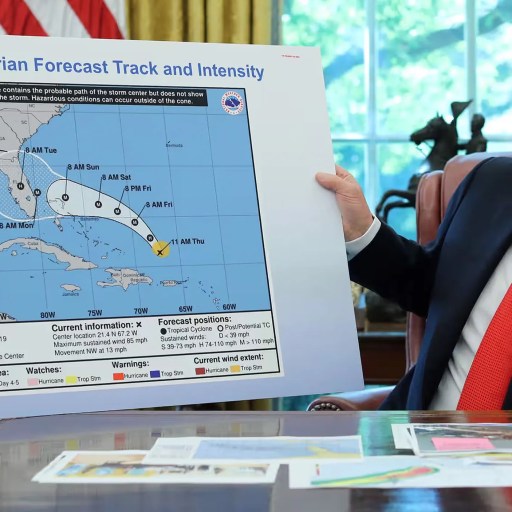
A person in a suit holds up a NOAA map showing the forecast track and intensity of Hurricane Dorian, reminding us that, unlike Einstein, we can't change the facts—only prepare for them—in an office setting.
Einstein is credited with saying, "If the facts don't fit the theory, change the facts." What he actually said has a very different meaning.
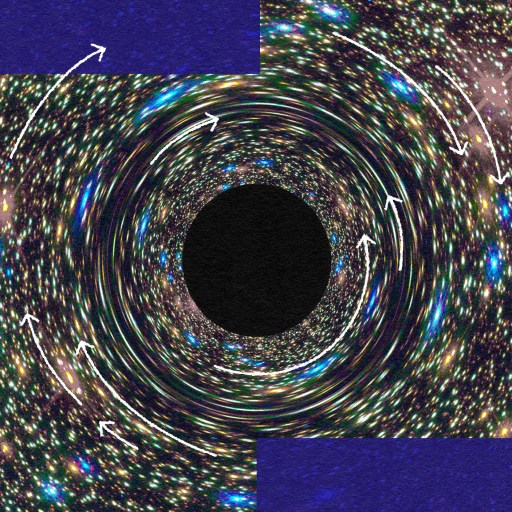
An image of an ancient black hole
At the center of Hubble's famous "cosmic horseshoe," a very heavy supermassive black hole has been robustly measured. How is it possible?
The image shows the cover of the book "Me, My Customer & AI" by Henrik Werdelin and Nicholas Thorne alongside the text "an excerpt from," set on a split blue and green background, hinting at the future of headless agents in business.
In the post-AI startup landscape, the role of the entrepreneur will evolve from operator to orchestrator. Are you ready?
Collage with a man in a suit, stacked mugs, an upside-down creature, dice, and the text "THE NIGHTCRAWLER" at the top on a dark grid background—hinting at the power of intuition amid surreal imagery.
Welcome to The Nightcrawler — a weekly newsletter from Eric Markowitz covering tech, innovation, and long-term thinking.
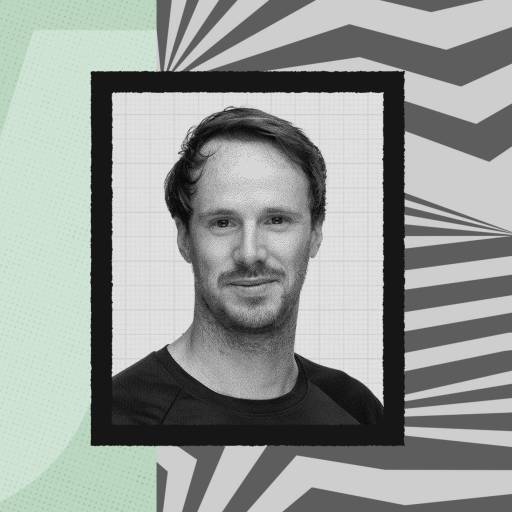
Alex Partridge, a man with short hair and light facial hair, poses for a portrait. The background features abstract geometric and textured patterns in green, black, white, and blue.
The UNILAD founder followed a rocky road to success — and his 2023 ADHD diagnosis proved revelatory.
Two supermassive black holes on an inevitable death spiral push the limits of Einstein's relativity. New observations reveal even more.
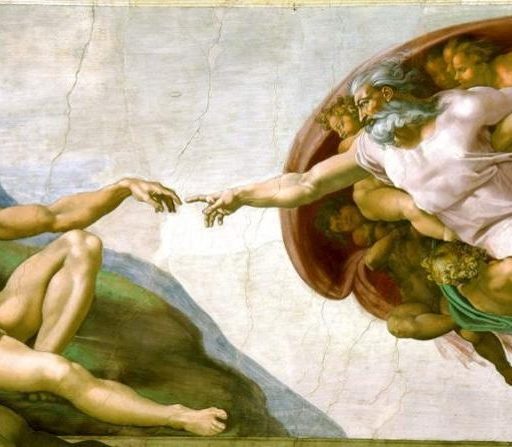
creation of adam sistine
When it comes to our Universe's origins, scientists discuss the Big Bang, cosmic inflation, and other theories. Why doesn't "God" come up?