Search
Data

Author and geopolitical strategist Paulo Cardoso do Amaral urges us to ask: Will we shape AI with wisdom, or will AI reshape us with strategy?
The conversation you're having with an LLM about groundbreaking new ideas in theoretical physics is completely meritless. Here's why.
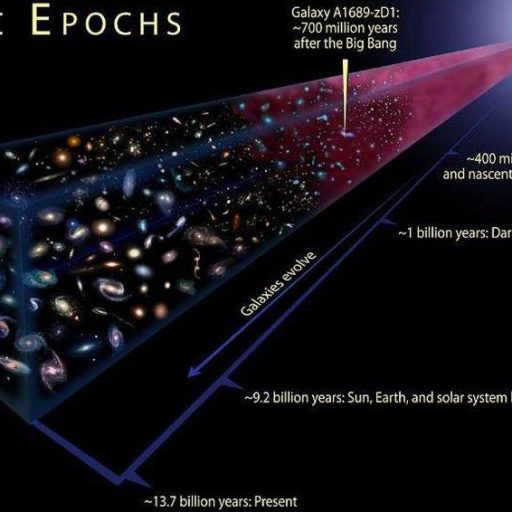
When the Hubble Space Telescope first launched in 1990, there was so much we didn't know. Here's how far we've come.

How deep is your kink?
No matter what it is that we discover about reality, the fact that reality itself can be understood remains the most amazing fact of all.
With over 300 high-significance gravitational wave detections, we now have a huge unsolved puzzle. Will we invest in finding the solution?

In "After the Spike," Dean Spears and Michael Geruso show why policy, rather than high population density, has the most significant impact on the environment.

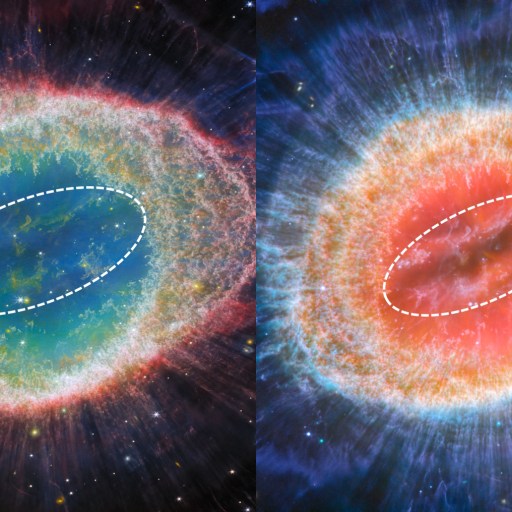
Our nearby Ring Nebula, with JWST's eyes, shows evidence for planet formation. Will the Sun eventually destroy, and then replace, the Earth?
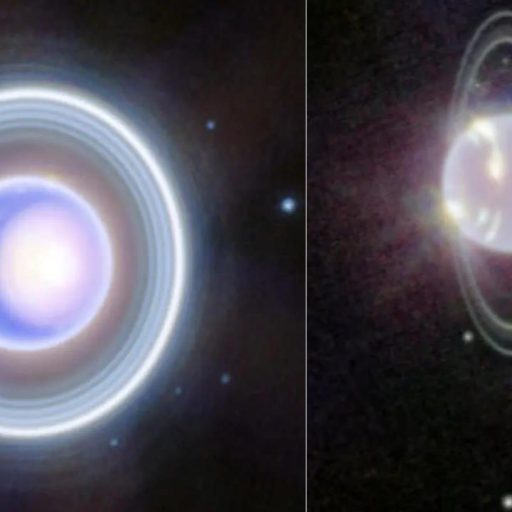
Once every 12 years, Earth, Jupiter, Uranus, and Neptune all line up, opening a window for a joint mission. Our next chance arrives in 2034.

If your world-beating idea is not working you might need to change direction — and Instagram cofounder Kevin Systrom provides the perfect case study.
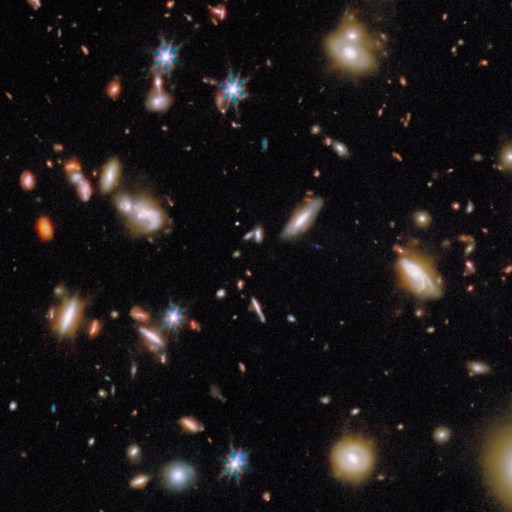
Originally, the abundance of bright, early galaxies shocked astronomers. After 3 years of JWST, we now know what's really going on.
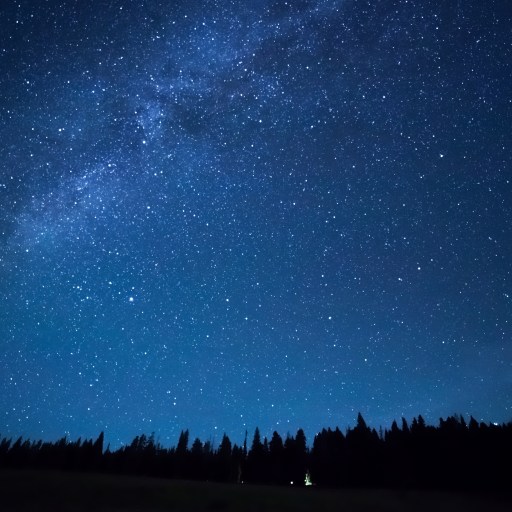
Looking at a dark, night sky has filled humans with a sense of awe and wonder since prehistoric times. But appearances can be deceiving.
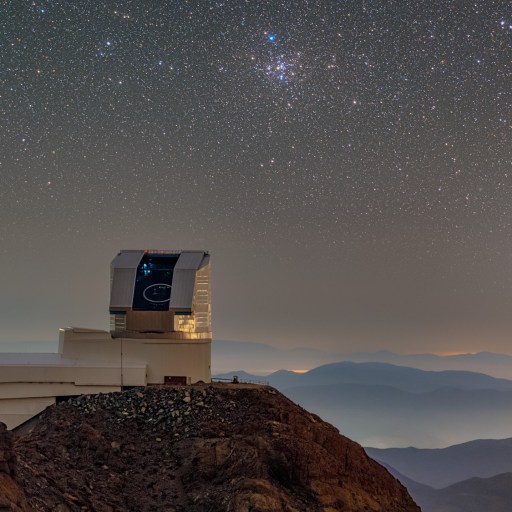
In just its first 10 hours of observations, the Vera Rubin observatory discovered more than 2000 new asteroids. What else will it teach us?
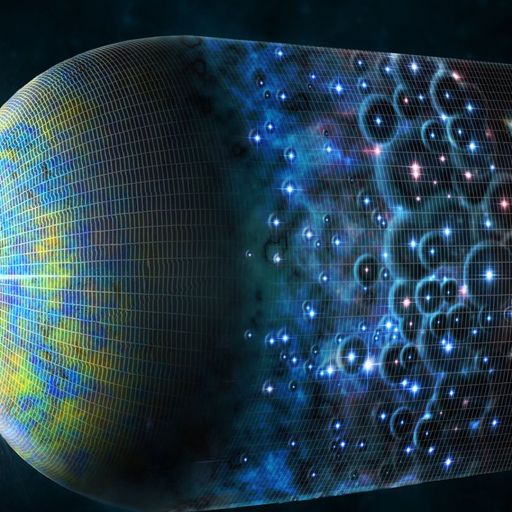
For over 50 years, it’s been the scientifically accepted theory describing the origin of the Universe. It’s time we all learned its truths.

Here in 2025, many of us claim to come to our own conclusions by doing our own research. Here's why we're mostly deluding ourselves.
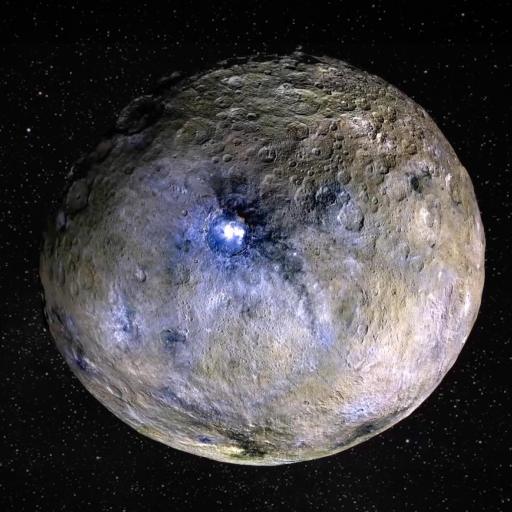
As the closest icy ocean world to
Earth, Ceres may be a promising candidate in the search for signs of ancient life.
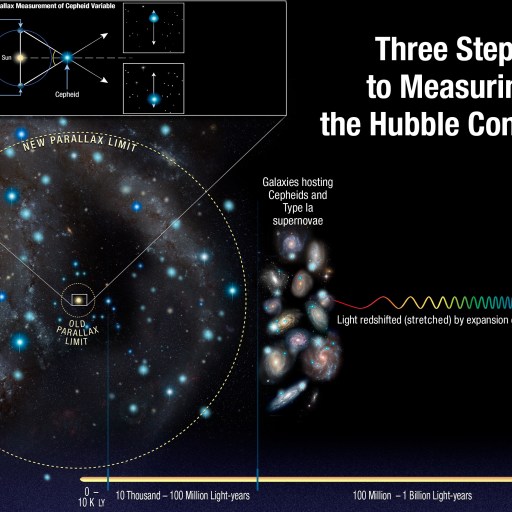
Is the Universe's expansion rate 67 km/s/Mpc, 73 km/s/Mpc, or somewhere in between? The Hubble tension is real and not so easy to resolve.
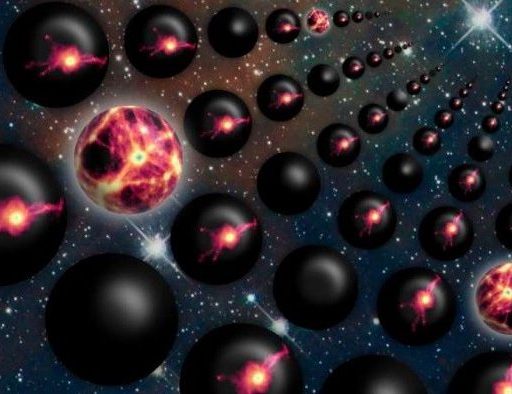
The ANITA experiment found cosmic rays shooting out of Antarctica. One interpretation claims "parallel Universes," but is that right?
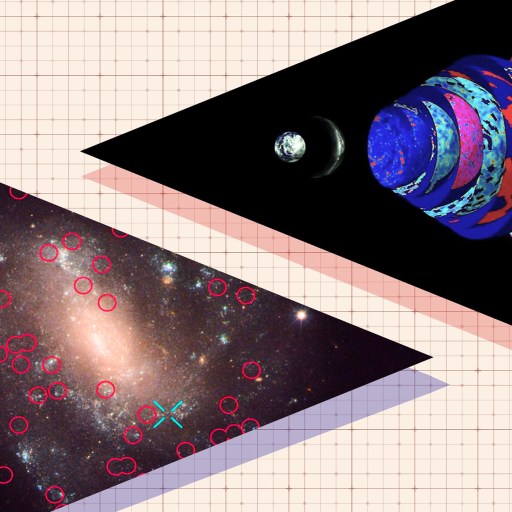
Different methods of measuring the Universe's expansion rate yield high-precision, incompatible answers. But is the problem robustly real?
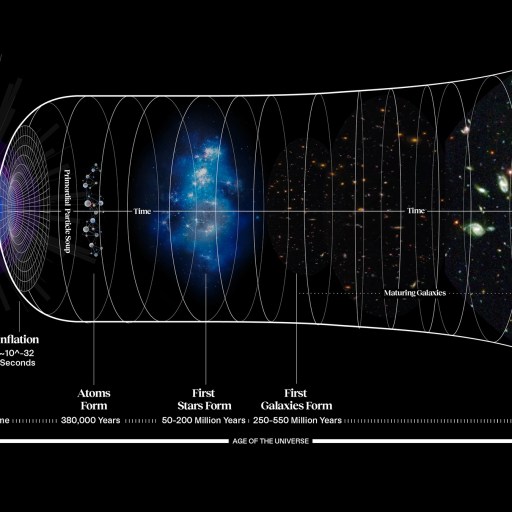
If you want to understand the Universe, cosmologically, you just can't do it without the Friedmann equation. With it, the cosmos is yours.