Search
Data
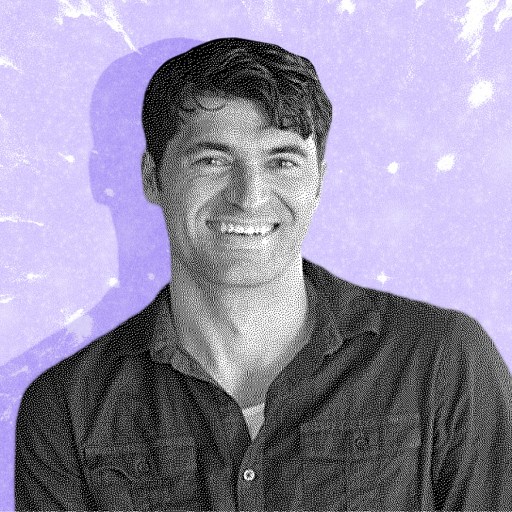
Big Think spoke with astronomer David Kipping about technosignatures, "extragalactic SETI," and being a popular science communicator in the YouTube age.
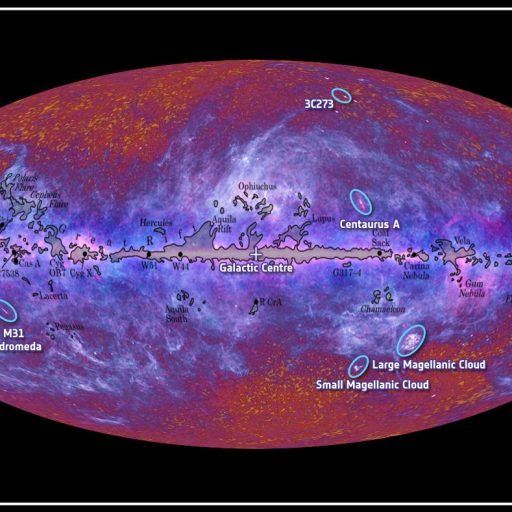
The hot Big Bang is often touted as the beginning of the Universe. But there's one piece of evidence we can't ignore that shows otherwise.
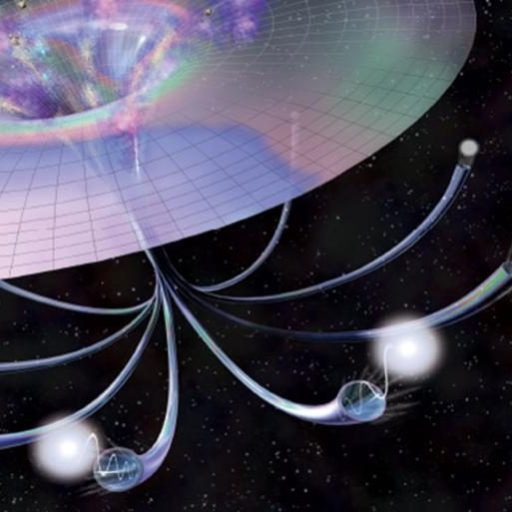
As we gain new knowledge, our scientific picture of how the Universe works must evolve. This is a feature of the Big Bang, not a bug.

The universe is filled with unlikely events, but it is also full of ways to fool ourselves.
Neuroscientist Rachel Barr shares her favorite books on the brain and how they shaped her approach to the field.
Just because a paper passes peer review doesn't mean that what's written, or what the author asserts, is true. Here's why it still matters.
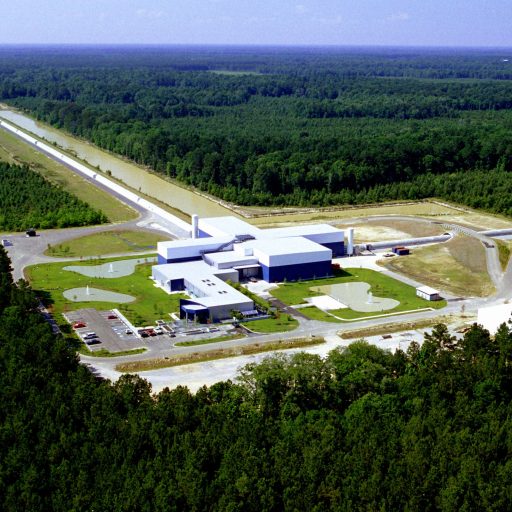
10 years ago, LIGO first began directly detecting gravitational waves. Now better than ever, it's revealing previously unreachable features.
Despite the claims of speed reading apps and programs, you actually have to read the book if you want to learn.

2mins
Modern culture has made us feel like there’s no time to be patient. Sarah Schnitker’s lab at Baylor University is researching how this often-forgotten virtue could improve our overall well-being.
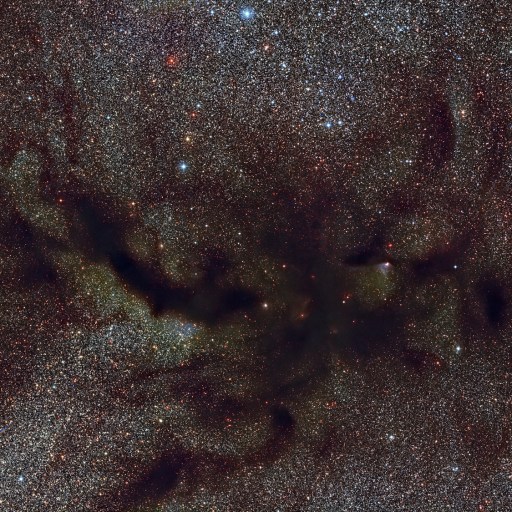
Dust is ubiquitous in the modern Universe, appearing in nearly all galaxies. But our cosmos was born dust-free. So where does it originate?
In “On Liberalism," Cass Sunstein argues that liberalism can only endure if we reclaim its core commitments and revive its spirit of freedom and hope for the future.
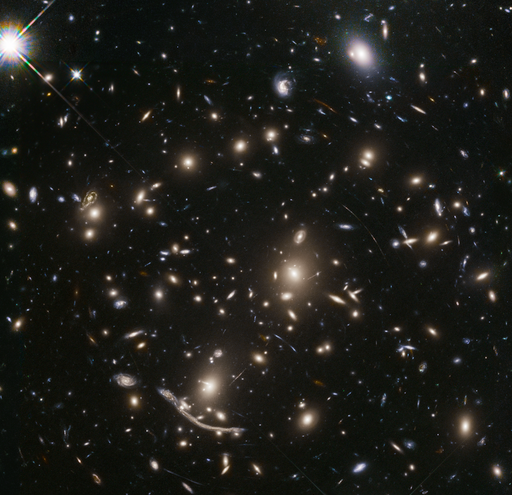
It's the origin of our entire observable Universe, but it's still not the very beginning of everything.
Real understanding, argues Jeff DeGraff, doesn’t come from outputs — it comes from practice.
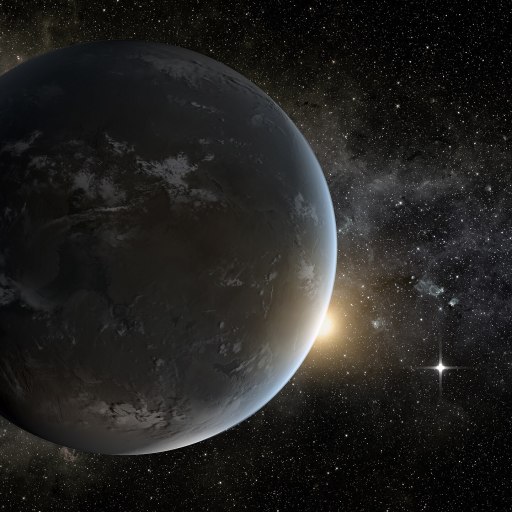
The most common type of exoplanet is neither Earth-sized nor Neptune-sized, but in between. Could these haze-rich worlds house alien life?
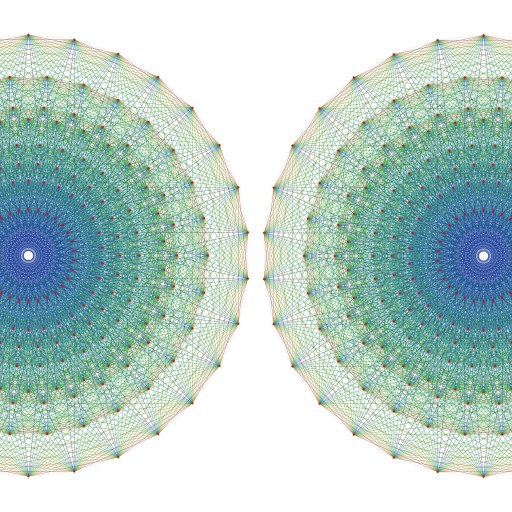
The Holy Grail of physics is a Theory of Everything: where a single equation describes the whole Universe. But maybe there simply isn't one?

Since even before Einstein, physicists have sought a theory of everything to explain the Universe. Can positive geometry lead us there?
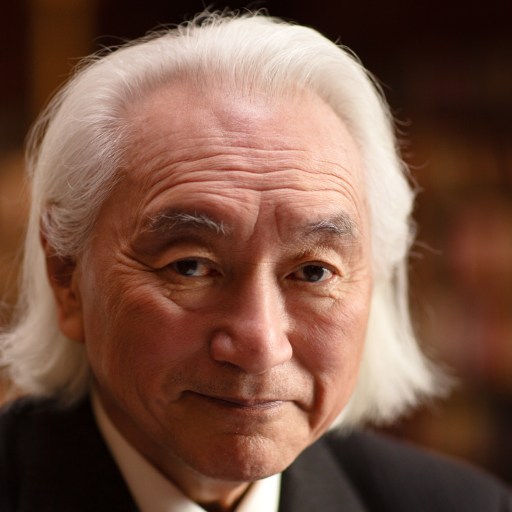
11mins
"We're stuck at type zero. But what would it take to move between universes? What would it take to enter a black hole? What would it take to break the light barrier?"
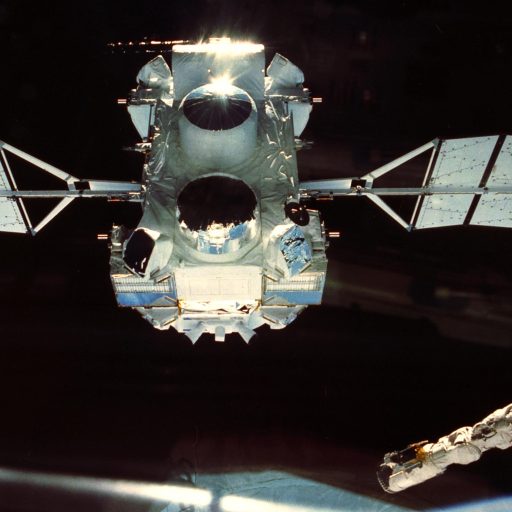
Across all wavelengths of light, the Sun is brighter than the Moon. Until we went to the highest energies and saw a gamma-ray surprise.
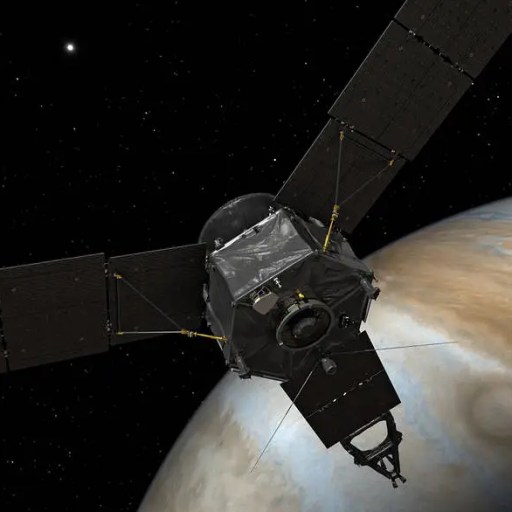
The Juno spacecraft, orbiting and imaging Jupiter since 2016, is still succeeding. Without a further extension, the mission now faces death.
The predictions of evolutionary theorists and current advances in “multimodal AI” offer strong clues to the future of employment.
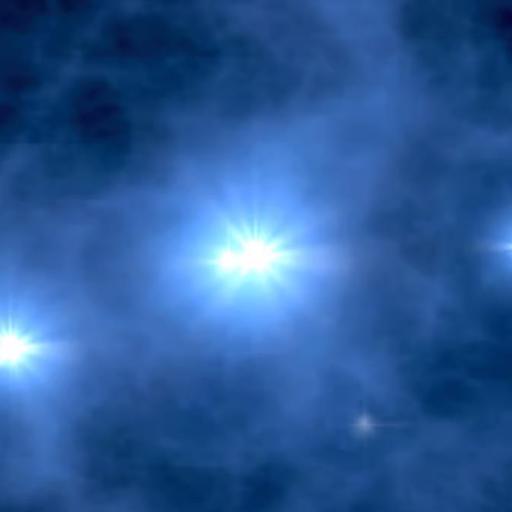
With several seemingly incompatible observations, cosmology faces many puzzles. Could early, supermassive stars be the unified solution?

2mins
What separates a disciplined life from a virtuous one? Psychologist Sarah Schnitker says the answer lies in your purpose.
A contemplative approach to leading others can help us accept the tension of not always knowing how things will play out.
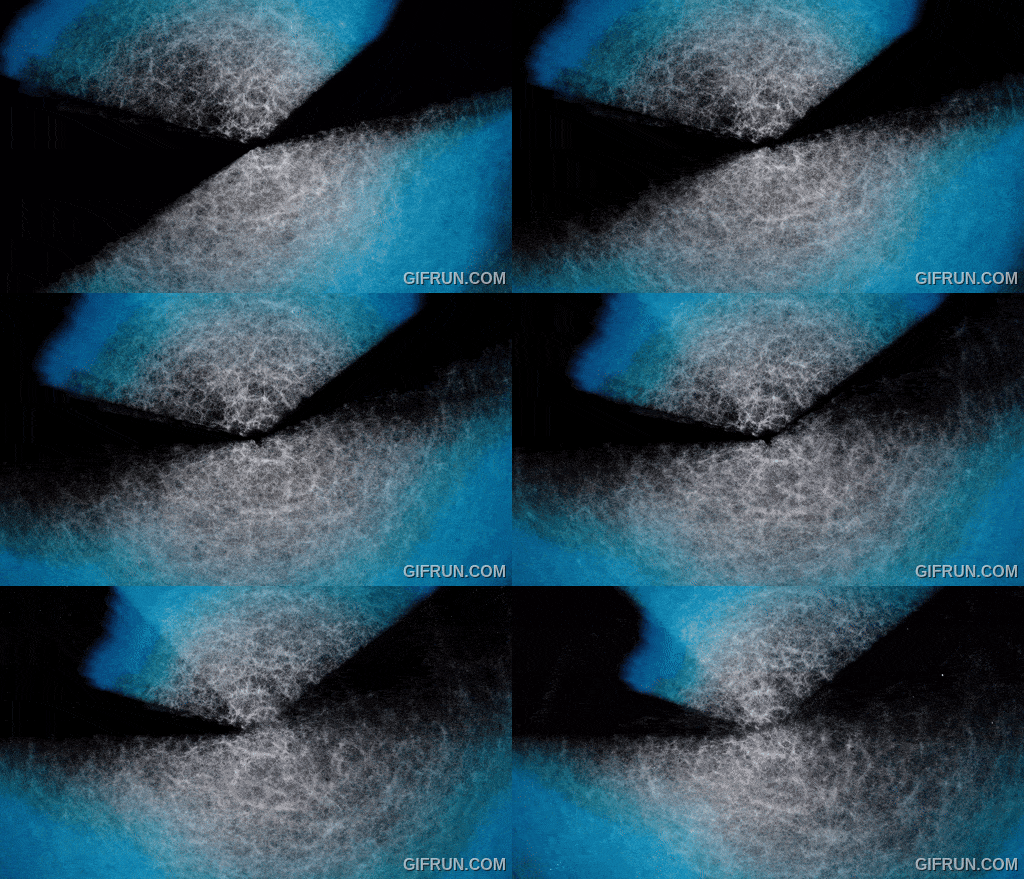
The Universe isn't just expanding; the expansion is accelerating. If different methods yield incompatible results, is dark energy evolving?
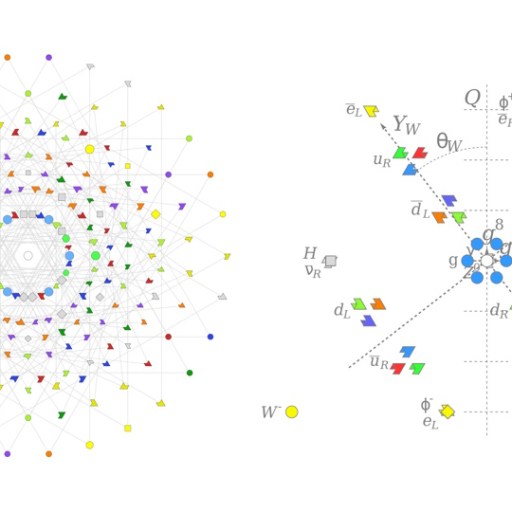
When you don't have enough clues to bring your detective story to a close, you should expect that your educated guesses will all be wrong.
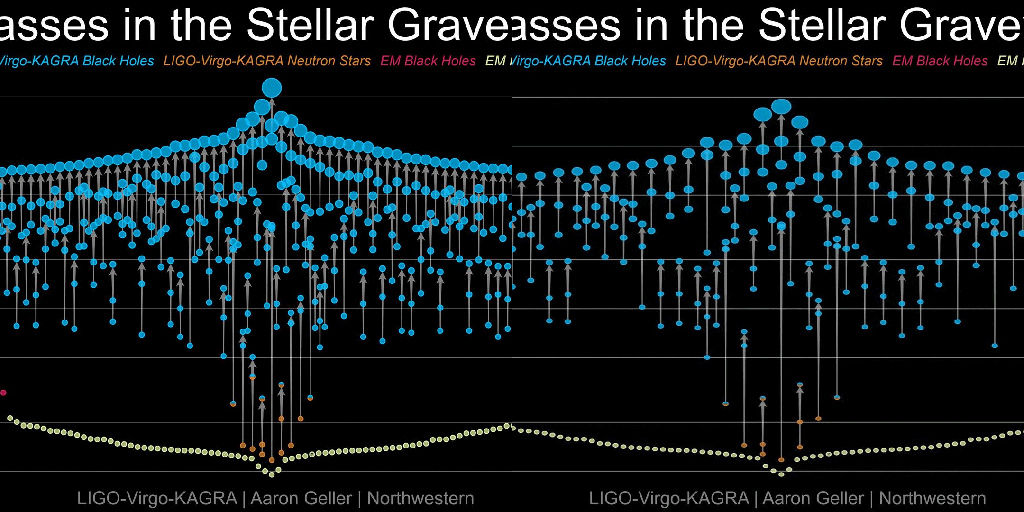
10 years ago, LIGO saw its first gravitational wave. After 218 detections, our view of black holes has changed forever. Can this era endure?
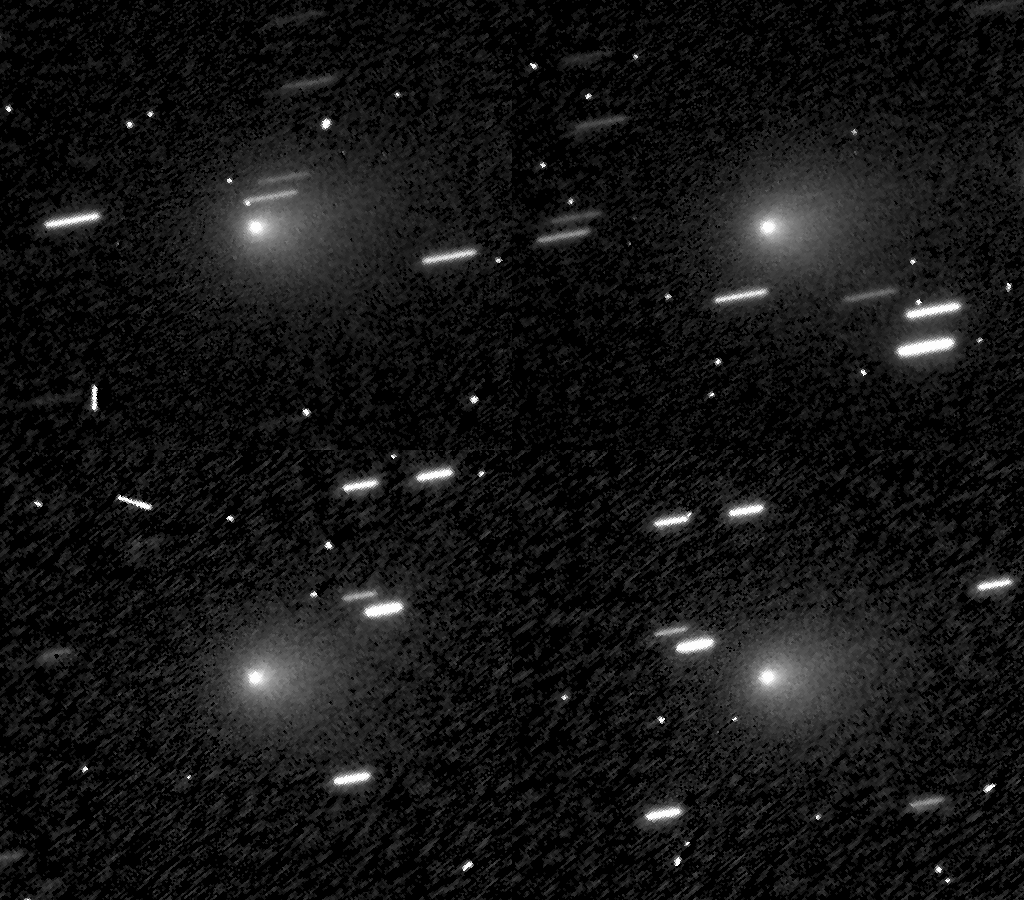
Designed to map galaxies, the SPHEREx mission's first science result is instead about interstellar interloper 3I/ATLAS. No, it's not aliens.
A conversation with neuroscientist Erik Hoel about the future of consciousness research.
A conversation about intelligence and consciousness with philosopher Peter Godfrey-Smith.

"Ordinary dreams are, perhaps, the clearest articulation of what it is like to be."