Search
Environment
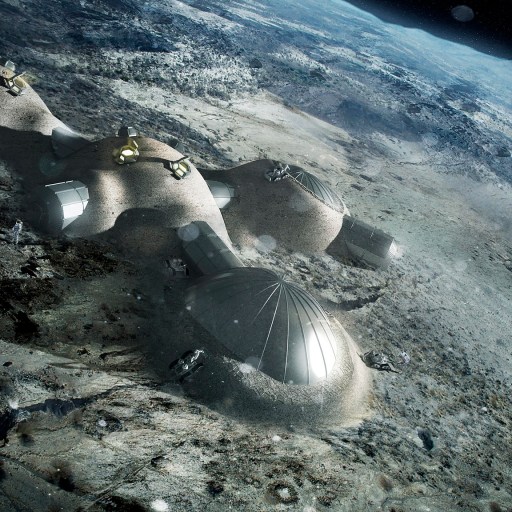
The first world beyond Earth for human habitability should be the Moon, not Mars. This is why we should terraform our lunar neighbor first.
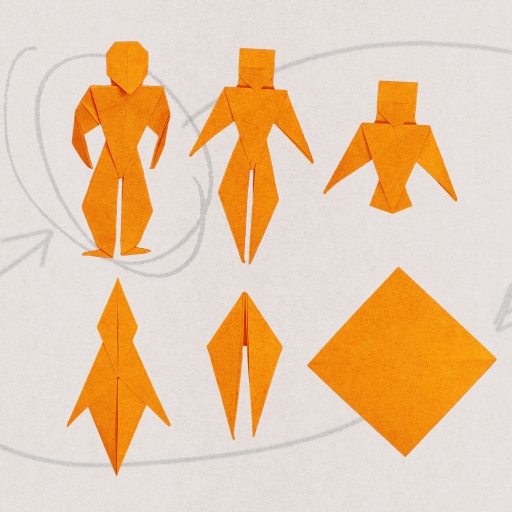
Maybe — just don't expect a carbon copy.
Natural navigator Tristan Gooley joins us to discuss the philosophy of reading nature’s hidden clues — and how relearning this ancient skill can help us see the world, and ourselves, with greater awareness.
In this excerpt from "Playful," Cas Holman surveys the research that brought the neuroscience of play into the mainstream.
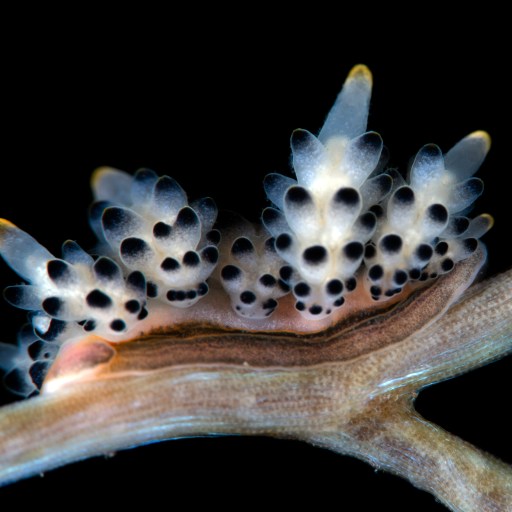
In this excerpt from "One Hand Clapping," Nikolay Kukushkin makes the case that neurons reveal how memory, meaning, and even consciousness emerge from the same biological roots in humans, sea slugs, and beyond.
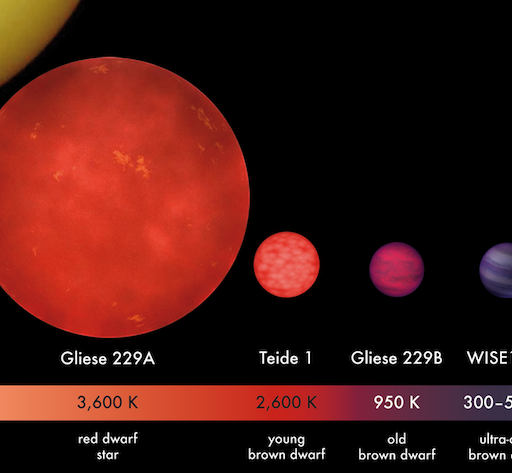
Red dwarfs are the Universe's most common star type. Their flaring now makes potentially Earth-like worlds uninhabitable, but just you wait.
Getting drunk might be bad for you but good for us.
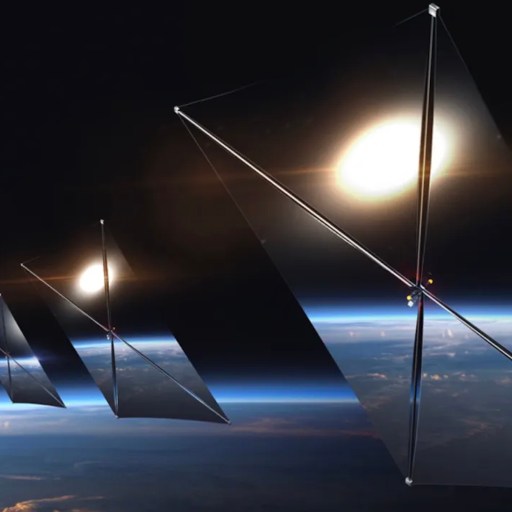
Solar power has the disadvantage that there's no Sun at night. Satellite startup Reflect Orbital wants to change that, but at what cost?

"What’s happening now has, in fact, been happening since the very invention of language and writing."
Our Sun only arose after 9.2 billion years of cosmic history: with many stars living and dying first. How many prior generations were there?
Neuroscientist Rachel Barr shares her favorite books on the brain and how they shaped her approach to the field.
Organic compounds can form through simple chemistry alone — making the search for true biosignatures trickier than it seems.
Questions about our origins, biologically, chemically, and cosmically, are the most profound ones we can ask. Here are today's best answers.
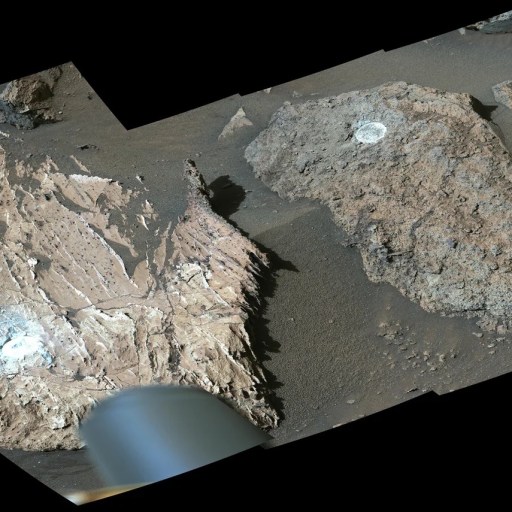
The red planet, Mars, may once have been teeming with life, just as Earth is today. Finding "organics" on Mars, however, doesn't mean life.
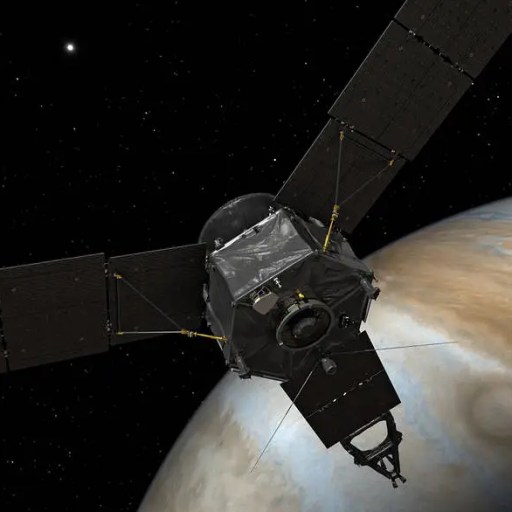
The Juno spacecraft, orbiting and imaging Jupiter since 2016, is still succeeding. Without a further extension, the mission now faces death.
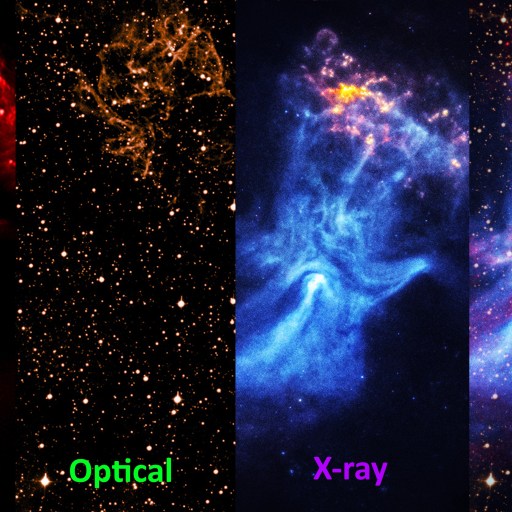
In our own Milky Way, a recently deceased star creates a ghostly, hand-like shape in X-rays some 150 light-years wide. Here's how it's made.
Sikh American scholar and historian Simran Jeet Singh on helping kids imagine — and create — a more empathetic world.
John Templeton Foundation

"Ordinary dreams are, perhaps, the clearest articulation of what it is like to be."
Philosophers once prophesied that evolution would lead to minds far greater — and stranger — than our own.
For many of us, our imperfect vision compels us to wear corrective lenses to see properly. Here's what everyone should know about LASIK.
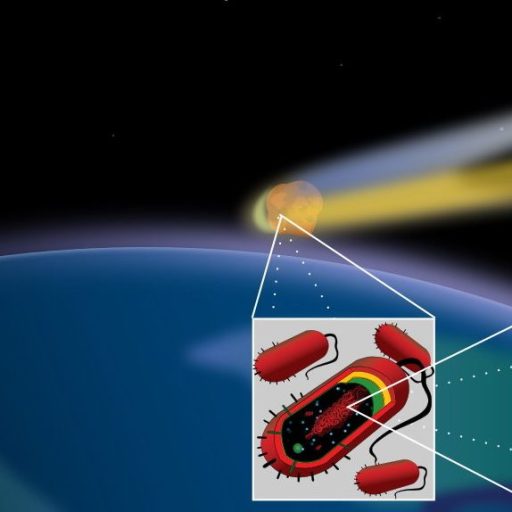
The Universe was born incredibly hot, and has expanded and cooled ever since. Could life have begun back when space was "room temperature?"

Just 13.8 billion years after the hot Big Bang, we can see 46.1 billion light-years away in all directions. Doesn't that violate...something?
Harvard Kennedy School professor and author Arthur C. Brooks guides us through the give-and-take of feedback — even when it is negative.

Our Earthbound definitions of life could leave us blind to the Universe’s strangest forms.
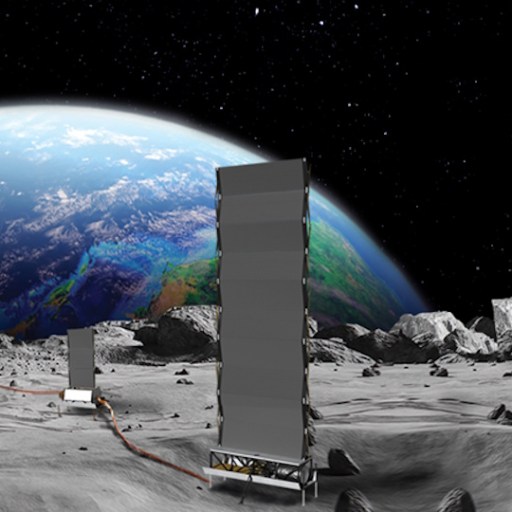
There are real concerns with long-term power generation on the Moon; nuclear could be the answer. But for NASA, will the cost be too high?
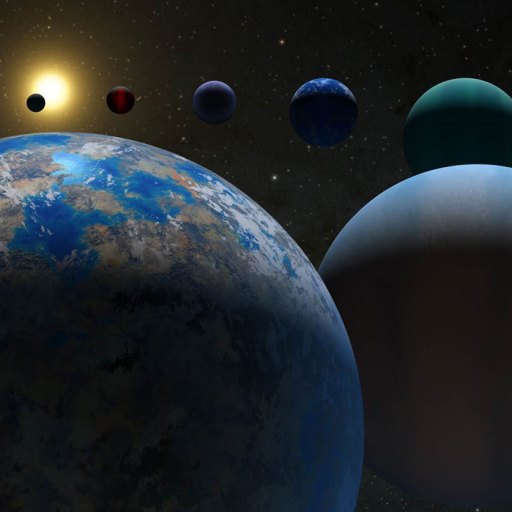
Somewhere, at some point in the history of our Universe, life arose. We're evidence of that here on Earth, but many big puzzles remain.
In "After the Spike," Dean Spears and Michael Geruso show why policy, rather than high population density, has the most significant impact on the environment.
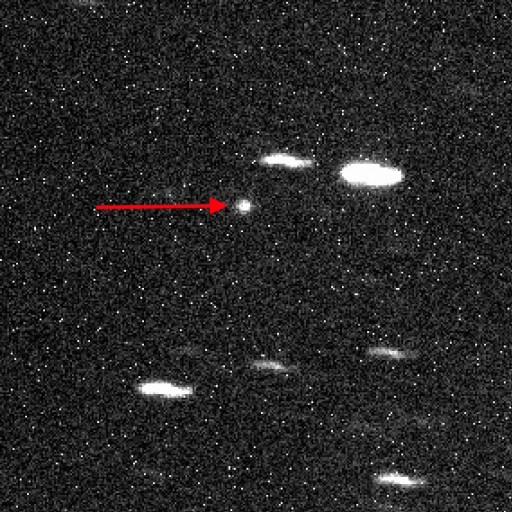
First 'Oumuamua, then Borisov, and now ATLAS have shown us that interstellar interlopers are real. Here's what the newest one teaches us.
Agentic AI pioneer Chetan Dube considers ways that everyone can be lifted by the tide of AI, not just those with the capital to leverage it.