Search
Environment
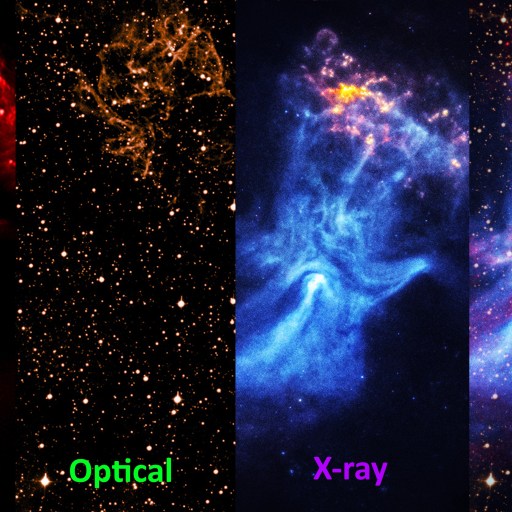
In our own Milky Way, a recently deceased star creates a ghostly, hand-like shape in X-rays some 150 light-years wide. Here's how it's made.
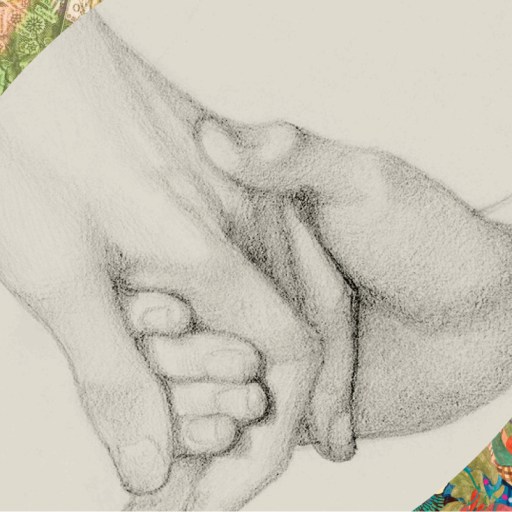
Sikh American scholar and historian Simran Jeet Singh on helping kids imagine — and create — a more empathetic world.
John Templeton Foundation

"Ordinary dreams are, perhaps, the clearest articulation of what it is like to be."
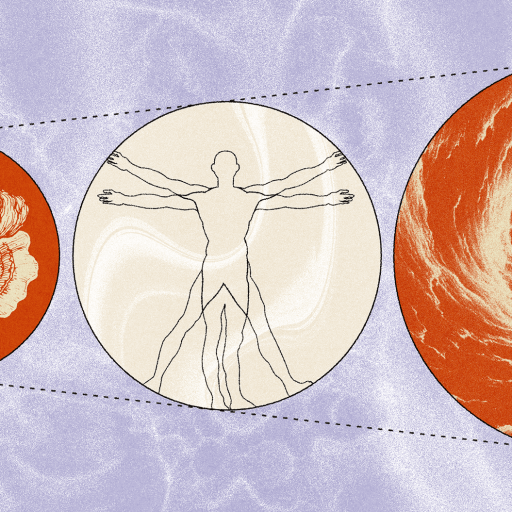
Philosophers once prophesied that evolution would lead to minds far greater — and stranger — than our own.
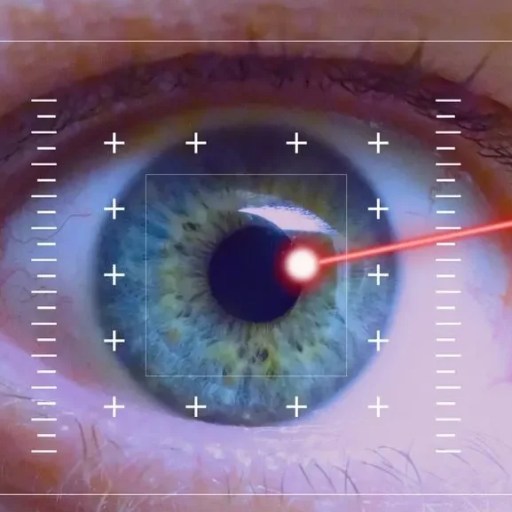
For many of us, our imperfect vision compels us to wear corrective lenses to see properly. Here's what everyone should know about LASIK.
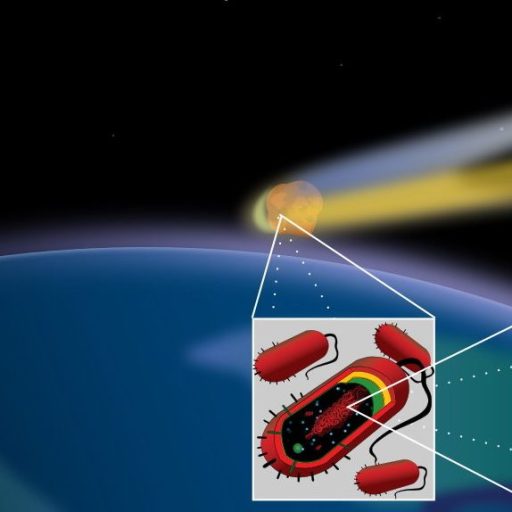
The Universe was born incredibly hot, and has expanded and cooled ever since. Could life have begun back when space was "room temperature?"

Just 13.8 billion years after the hot Big Bang, we can see 46.1 billion light-years away in all directions. Doesn't that violate...something?
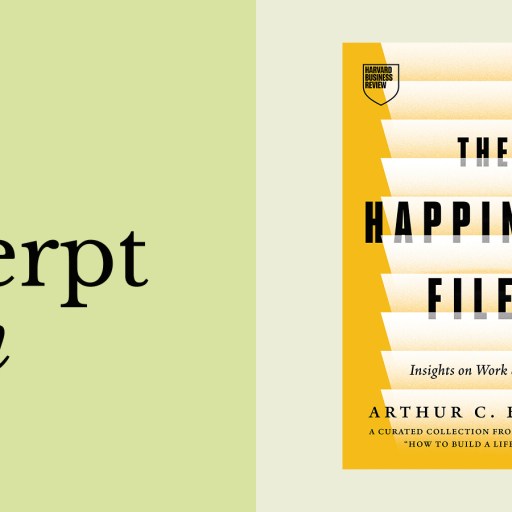
Harvard Kennedy School professor and author Arthur C. Brooks guides us through the give-and-take of feedback — even when it is negative.

Our Earthbound definitions of life could leave us blind to the Universe’s strangest forms.

2mins
Astrobiologist Betül Kaçar on why the simple act of asking questions (without needing a reason) is one of the most powerful things a human can do.
13mins
“All information technologies up to the 21st century were organic networks based on our organic brain.”
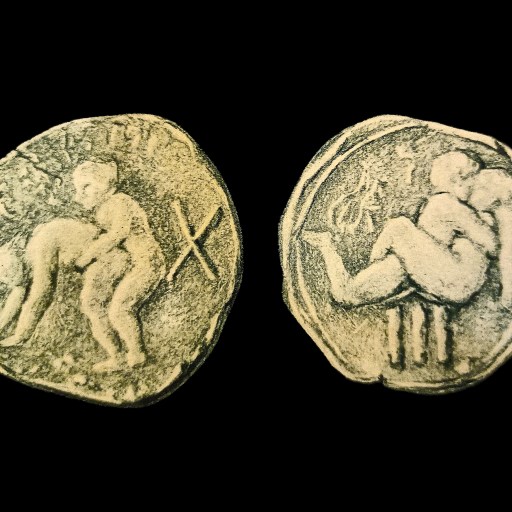
39mins
"One of the ways you can see the Roman Empire is it's the worldwide web of its day."
19mins
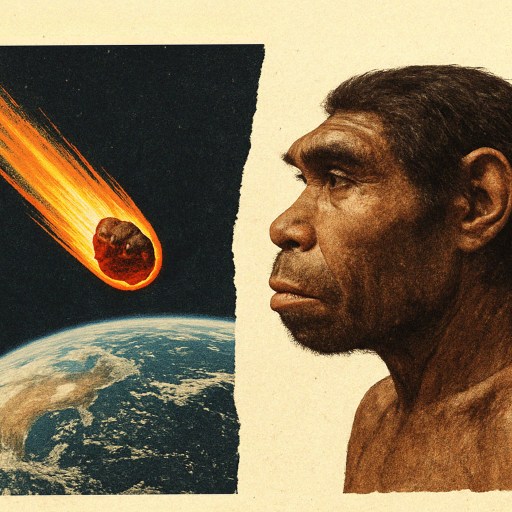
“So many things could have happened in a different way that we wouldn't be here at all, both individually, for sure, and certainly as a species.”
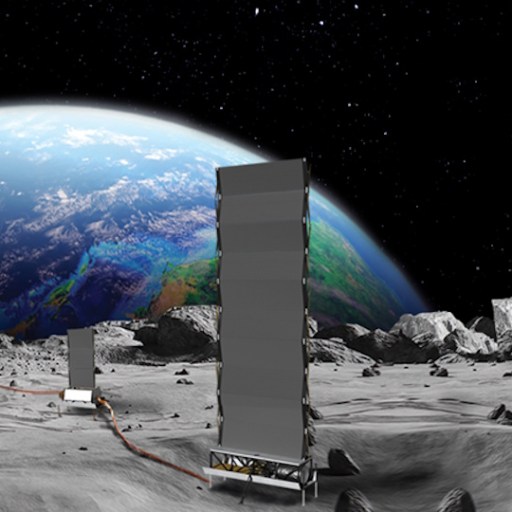
There are real concerns with long-term power generation on the Moon; nuclear could be the answer. But for NASA, will the cost be too high?
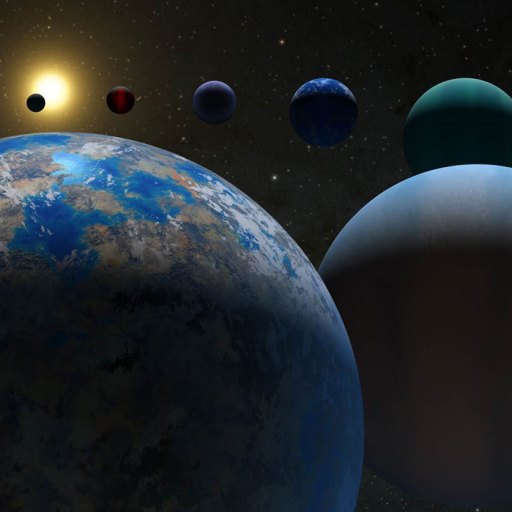
Somewhere, at some point in the history of our Universe, life arose. We're evidence of that here on Earth, but many big puzzles remain.
In "After the Spike," Dean Spears and Michael Geruso show why policy, rather than high population density, has the most significant impact on the environment.
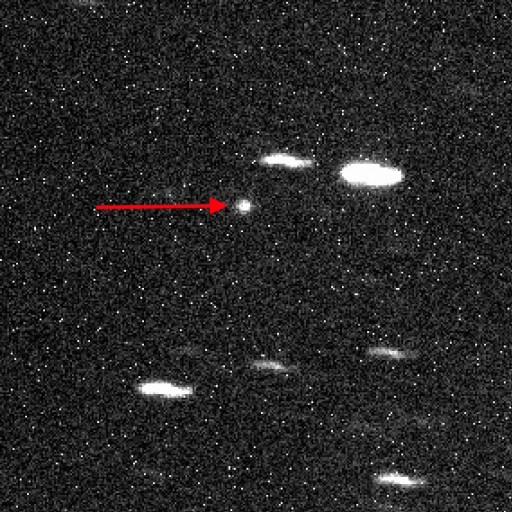
First 'Oumuamua, then Borisov, and now ATLAS have shown us that interstellar interlopers are real. Here's what the newest one teaches us.
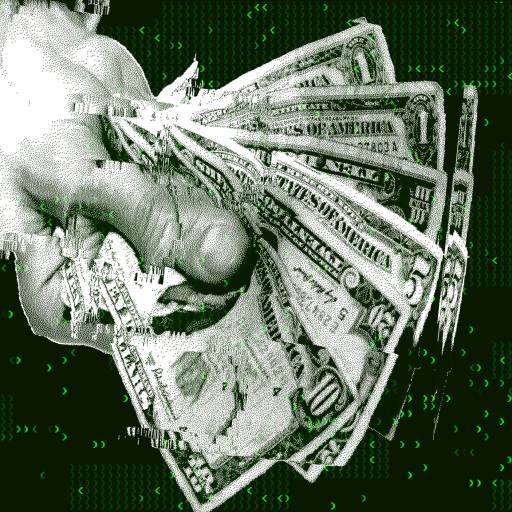
Agentic AI pioneer Chetan Dube considers ways that everyone can be lifted by the tide of AI, not just those with the capital to leverage it.

2mins
The ocean is evolving, and it’s not based on the ‘survival of the fittest.’ Astrobiologist Betül Kaçar explains how it’s not competition that has kept the ocean alive, but collaboration.

Most of us think we're good listeners, but we're wrong — and it's ruining our relationships.

Here in 2025, many of us claim to come to our own conclusions by doing our own research. Here's why we're mostly deluding ourselves.
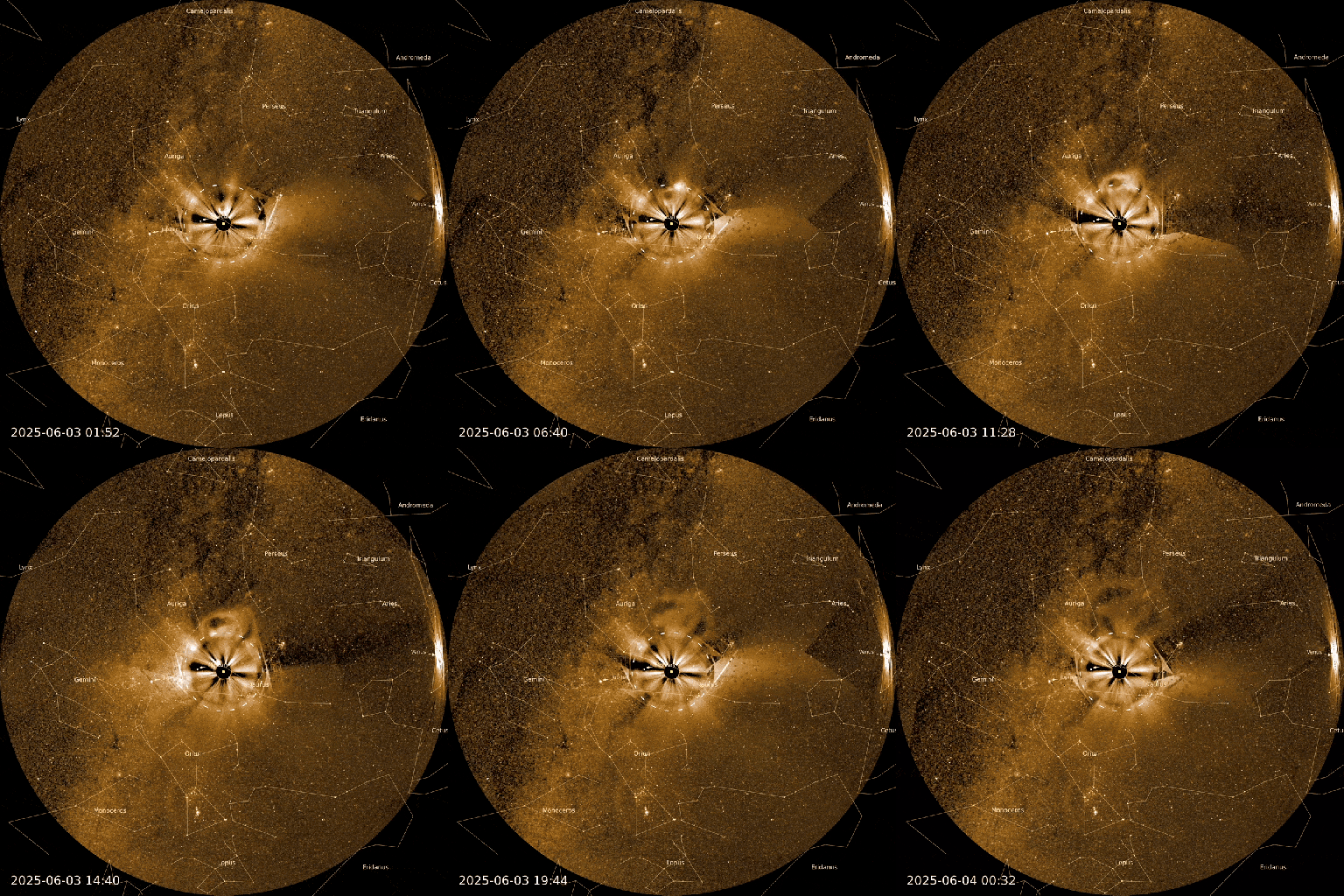
Launched in March, the PUNCH mission has viewed two incredible coronal mass ejections, tracking them farther from the Sun than ever before.
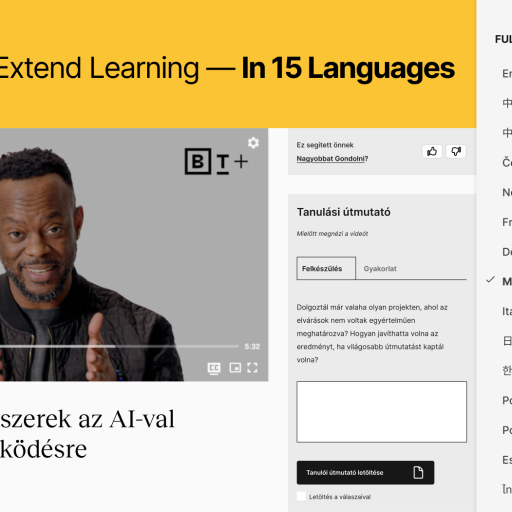
Breaking barriers: seamless learning across languages and platforms.
Why do we fall in love with one person over another? The late biological anthropologist Dr. Helen Fisher unpacks the evolutionary roots of romantic love, sex, and attachment. Using research […]