Search
Exoplanets
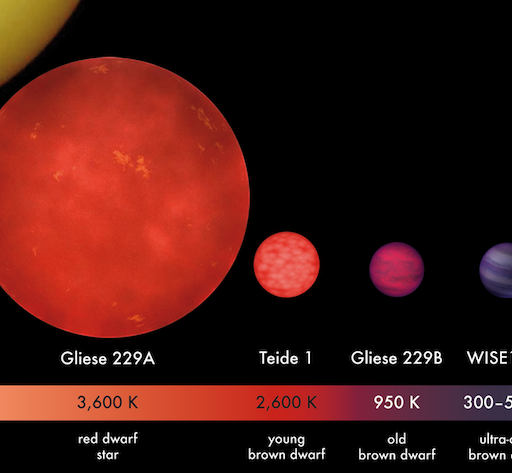
Red dwarfs are the Universe's most common star type. Their flaring now makes potentially Earth-like worlds uninhabitable, but just you wait.
24mins
“Deep down the natural endpoint of this whole goal of looking for planets is to answer the question: are we alone?”
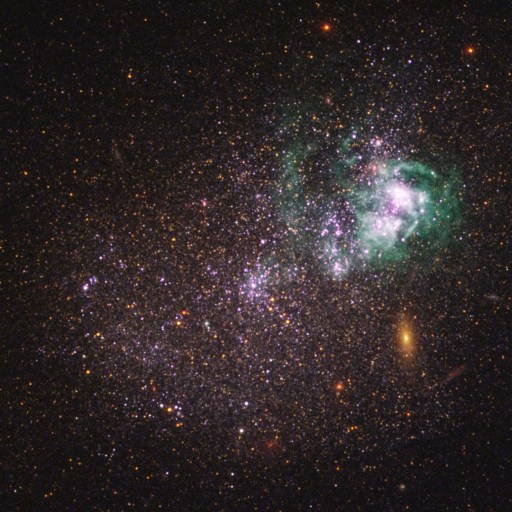
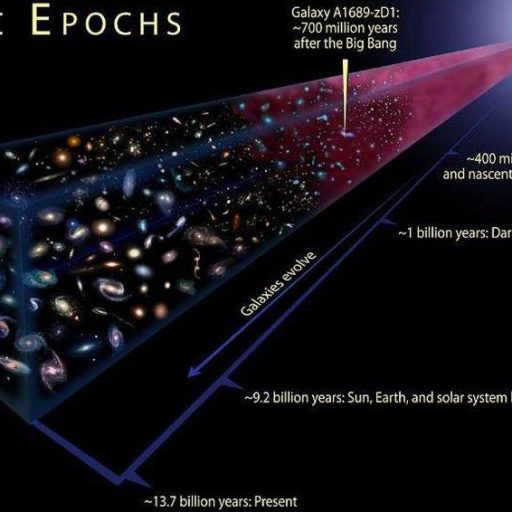
Our Sun only arose after 9.2 billion years of cosmic history: with many stars living and dying first. How many prior generations were there?
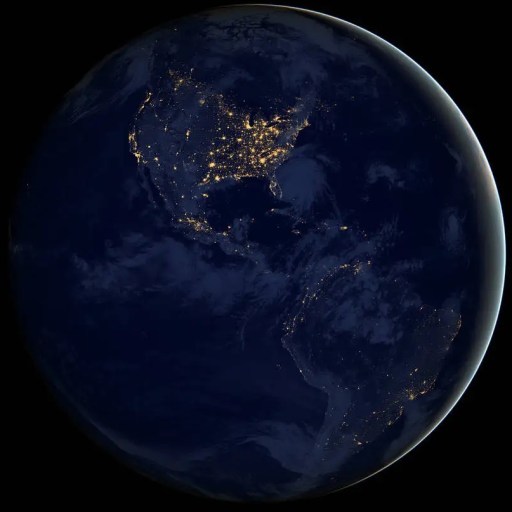
In 2025, Earth remains the only planet where life is known to exist. Without a second example, "The Stand" has a vital lesson to teach us.
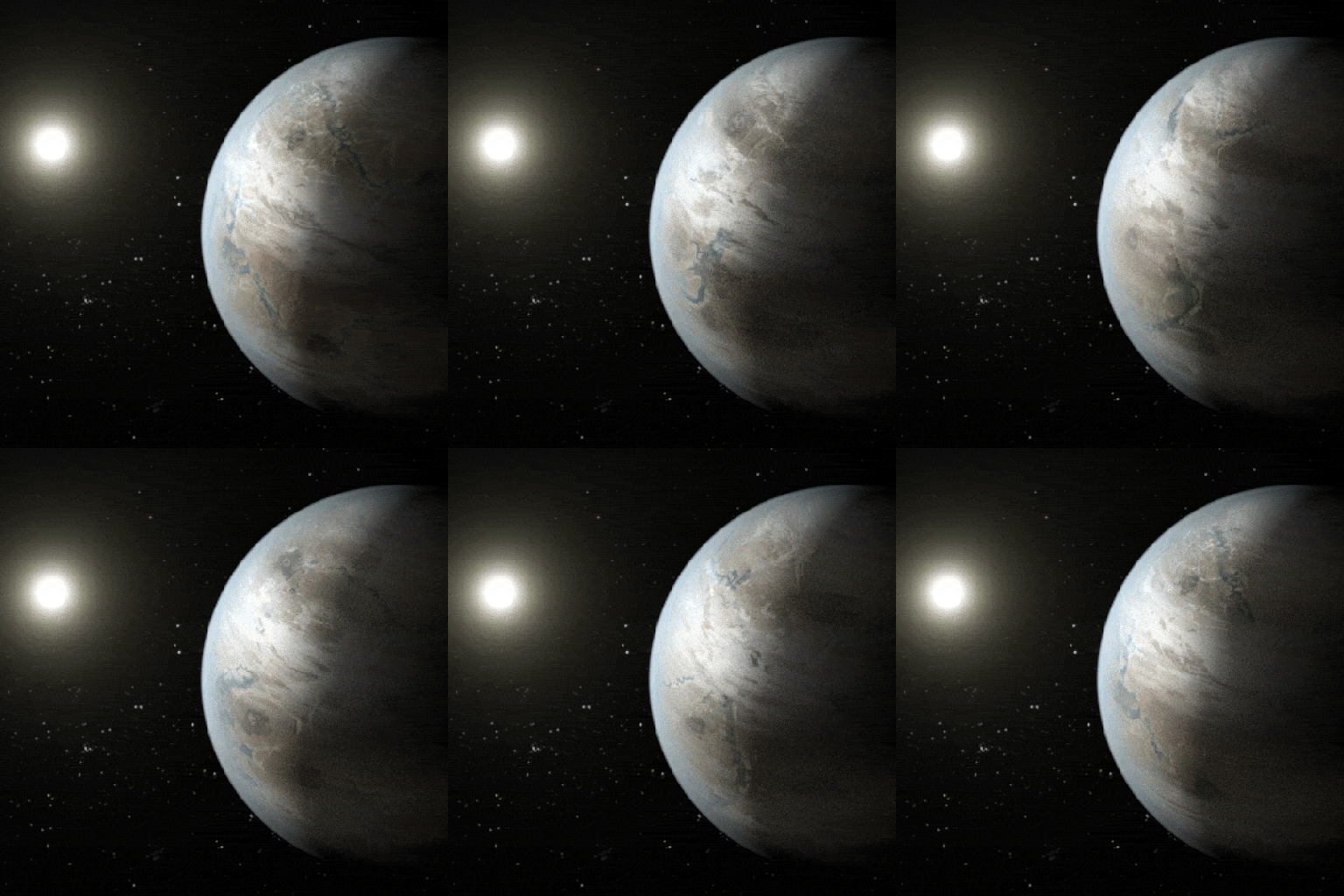
From here on Earth, looking farther away in space means looking farther back in time. So what are distant Earth-watchers seeing right now?
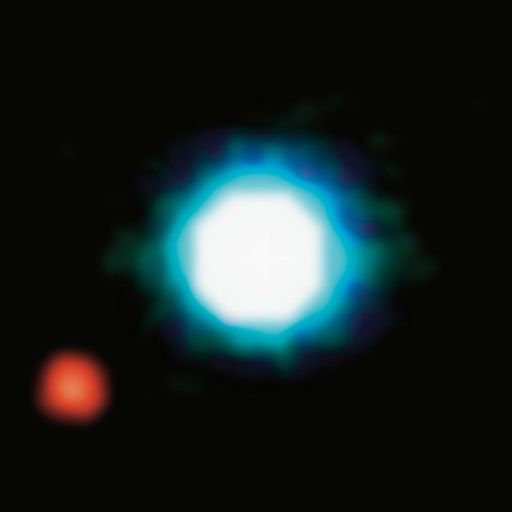
Going back to 1990, we hadn't even found one planet outside of our Solar System. As we close in on 6000, we now see many of them directly.
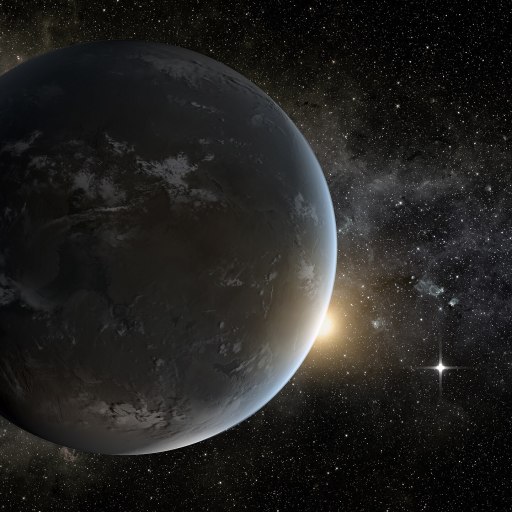
In the search for life in the Universe, the ultimate goal is to find an inhabited planet beyond Earth. How will we know when we've made it?
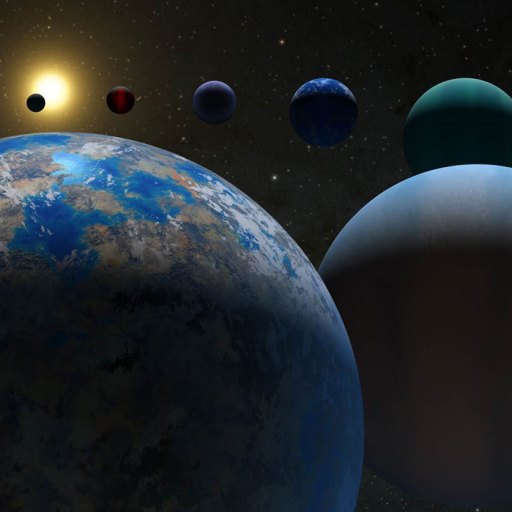
Somewhere, at some point in the history of our Universe, life arose. We're evidence of that here on Earth, but many big puzzles remain.
When the Hubble Space Telescope first launched in 1990, there was so much we didn't know. Here's how far we've come.