Search
Galaxies

The planet, the Solar System, and the galaxy aren't expanding. But the whole Universe is. So where does the dividing line begin?
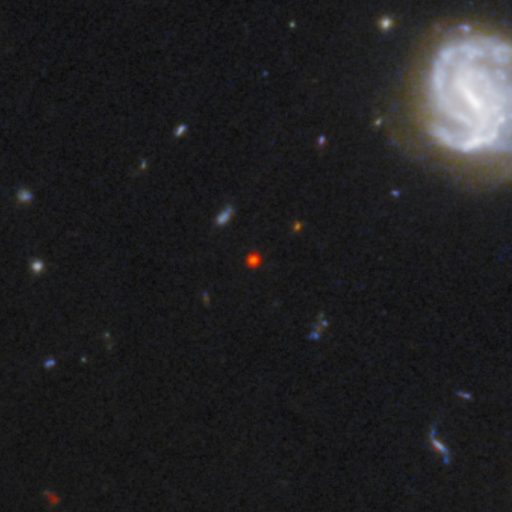
Found by Hubble before JWST's launch, GNz7q looked like a mix of a galaxy and a quasar. Was it actually our first known "little red dot"?
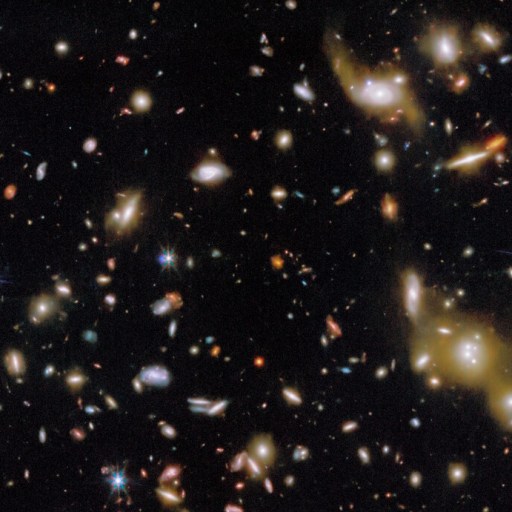
To learn how our Universe grew up, we have to look at large numbers of galaxies at all distances to find out. Good thing we have JWST!
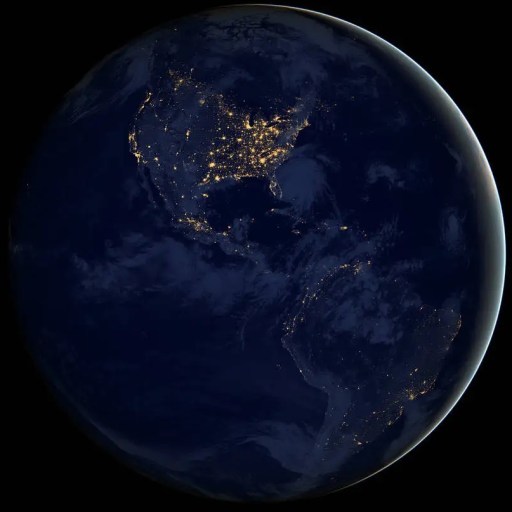
In 2025, Earth remains the only planet where life is known to exist. Without a second example, "The Stand" has a vital lesson to teach us.
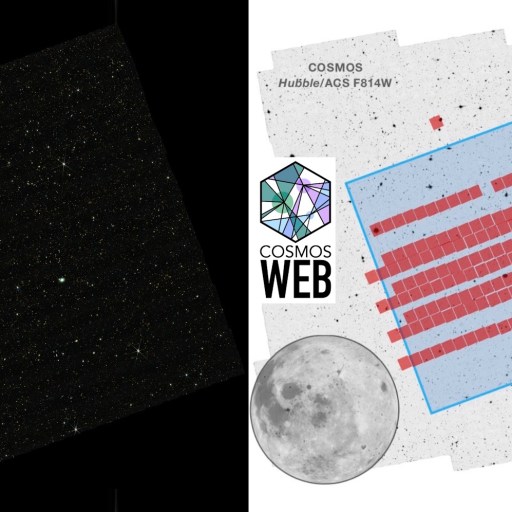
By deeply imaging a large volume of space, COSMOS-Web provides JWST's widest cosmic views. Its gravitational lenses reveal a big surprise.
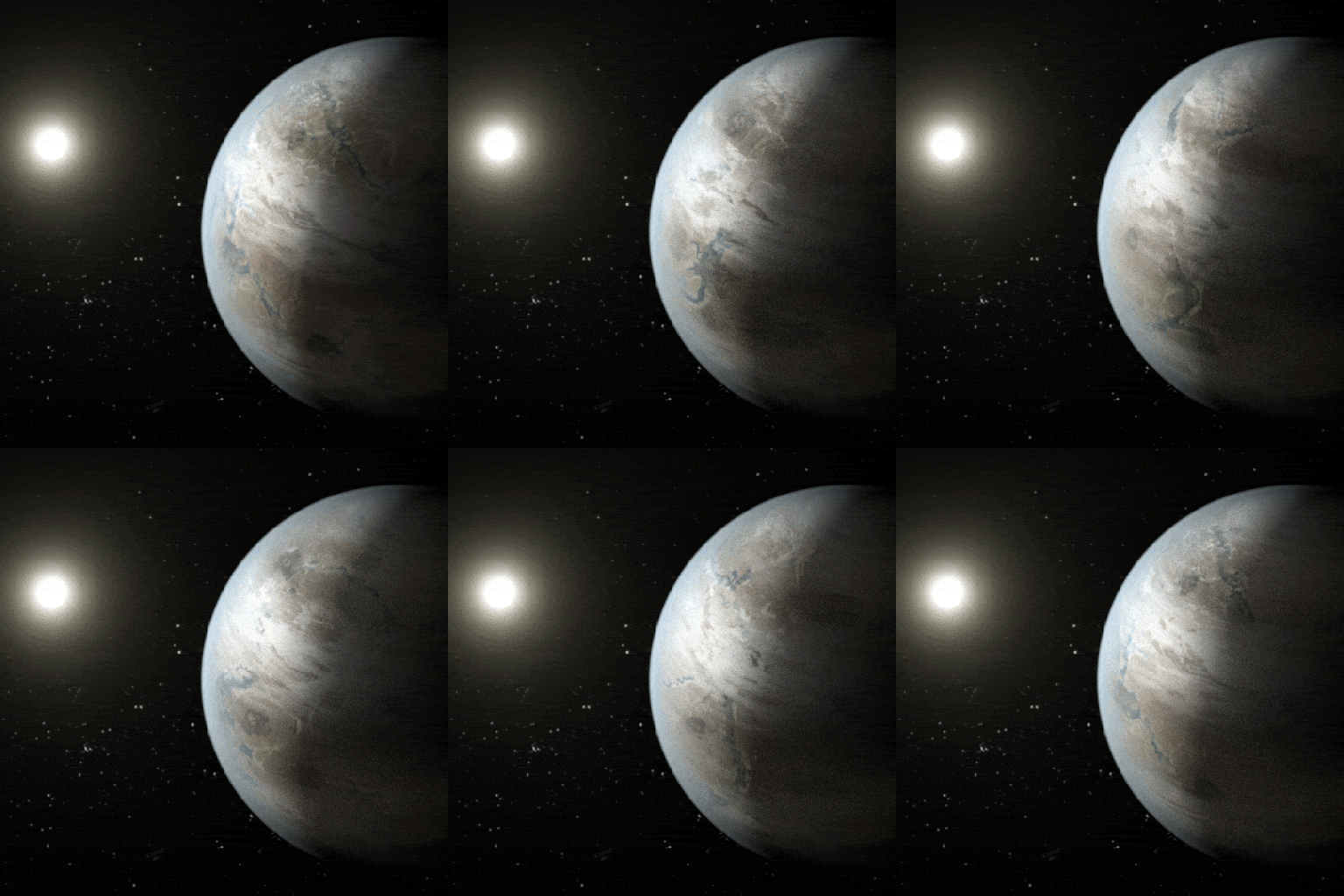
From here on Earth, looking farther away in space means looking farther back in time. So what are distant Earth-watchers seeing right now?
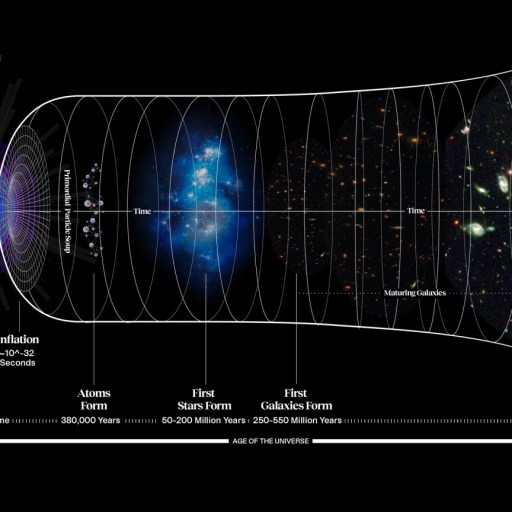
From the Big Bang to a prior period of cosmic inflation, our cosmic origins are clearer than ever. Yet these 5 big mysteries still remain.
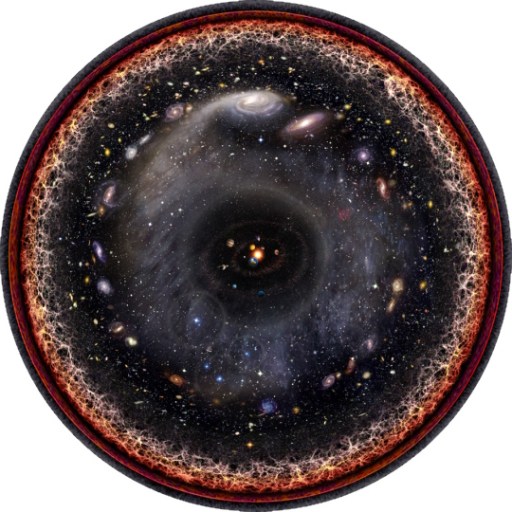
If you think of the Big Bang as an explosion, we can trace it back to a single point-of-origin. But what if it happened everywhere at once?

The universe is filled with unlikely events, but it is also full of ways to fool ourselves.
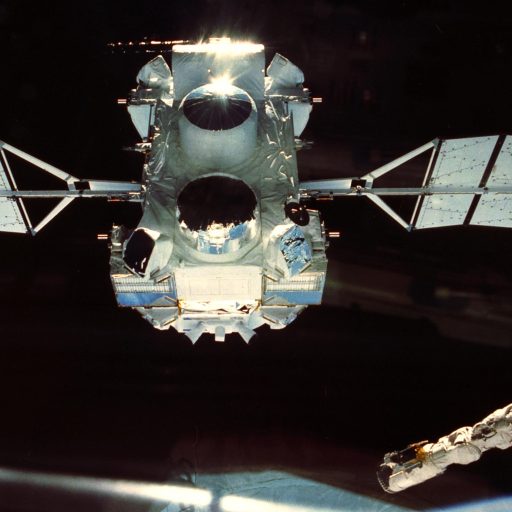
Across all wavelengths of light, the Sun is brighter than the Moon. Until we went to the highest energies and saw a gamma-ray surprise.
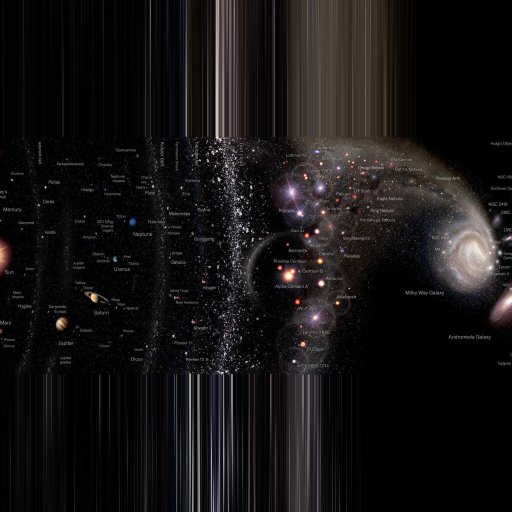
As we look to larger cosmic scales, we get a broader view of the expansive cosmic forest, eventually revealing the grandest views of all.

On the largest scales, galaxies don't simply clump together, but form superclusters. Too bad they don't remain bound together.
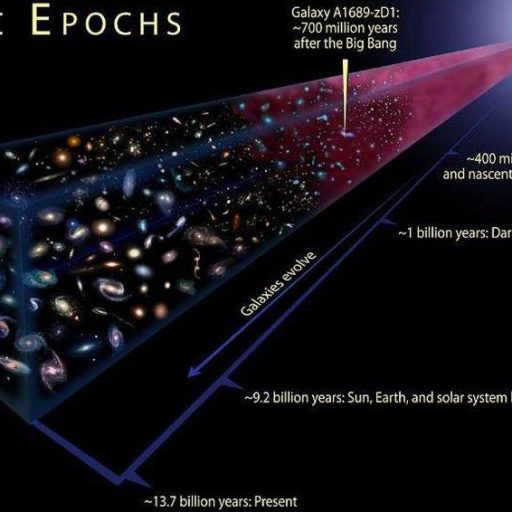
When the Hubble Space Telescope first launched in 1990, there was so much we didn't know. Here's how far we've come.
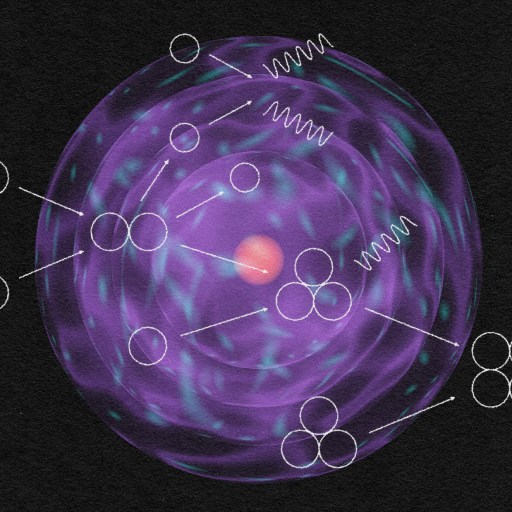
No matter what it is that we discover about reality, the fact that reality itself can be understood remains the most amazing fact of all.
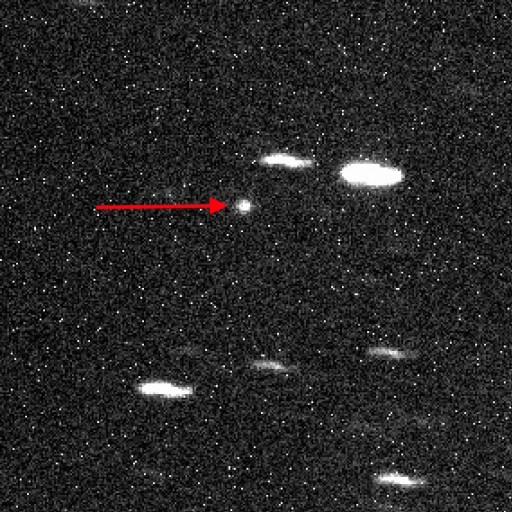
First 'Oumuamua, then Borisov, and now ATLAS have shown us that interstellar interlopers are real. Here's what the newest one teaches us.
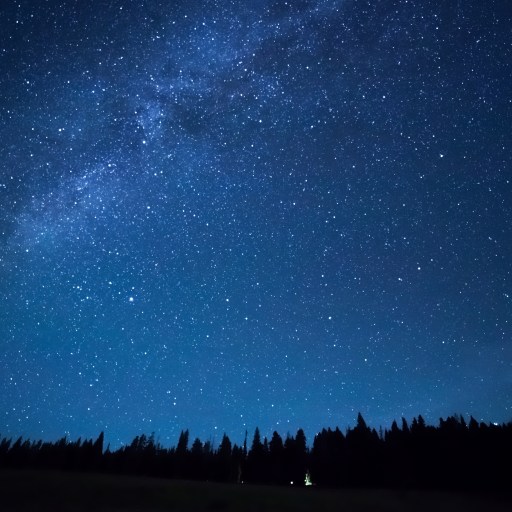
Looking at a dark, night sky has filled humans with a sense of awe and wonder since prehistoric times. But appearances can be deceiving.
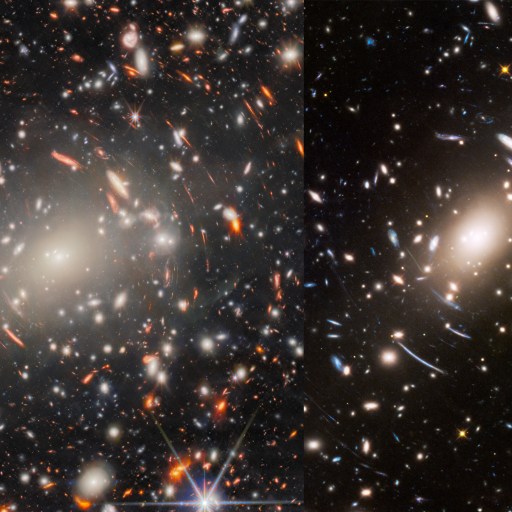
Massive galaxy cluster Abell S1063, 4.5 billion light-years away, bends and distorts the space nearby. Here's what a JWST deep field shows.
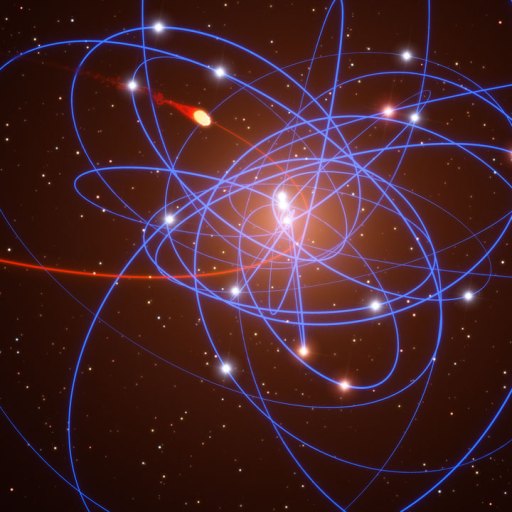
The tiniest galaxies of all are the most severely dominated by dark matter. Could black holes be the cause of the extra gravity instead?
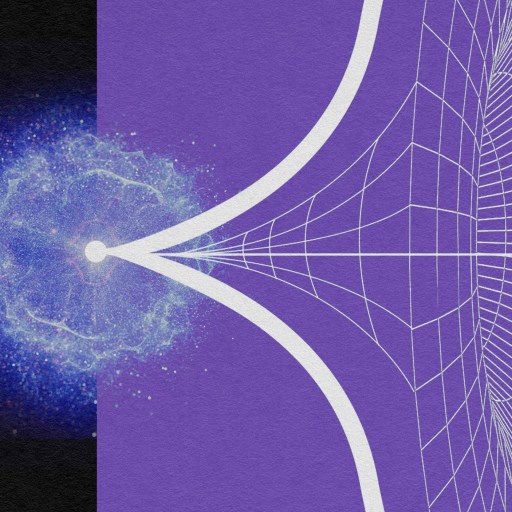
A few physical quantities, in all laboratory experiments, are always conserved: including energy. But for the entire Universe? Not so much.