Search
Influence
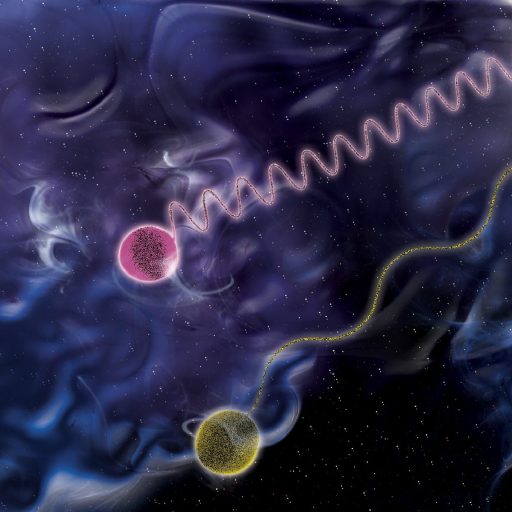
Times dilate and lengths contract near the speed of light. Bizarre and confusing? Sure. But under relativity, it can't be any other way.
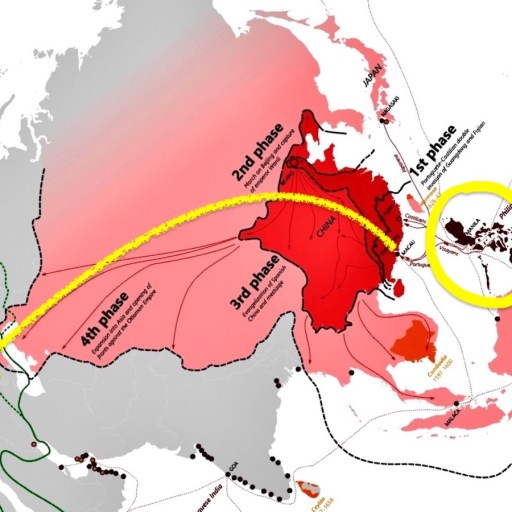
The plan — conquer China and push west to attack the Ottomans — was peak imperial hubris, as the Spanish themselves eventually realized.

Reading classic books can teach you as much about the present as the past.
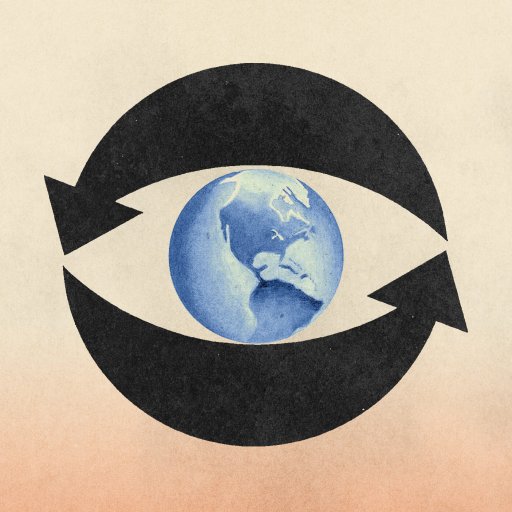
An ode to the data visualization tools that help us see what is too vast, complex, or interconnected for the naked eye — from planetary systems to pandemic trends.
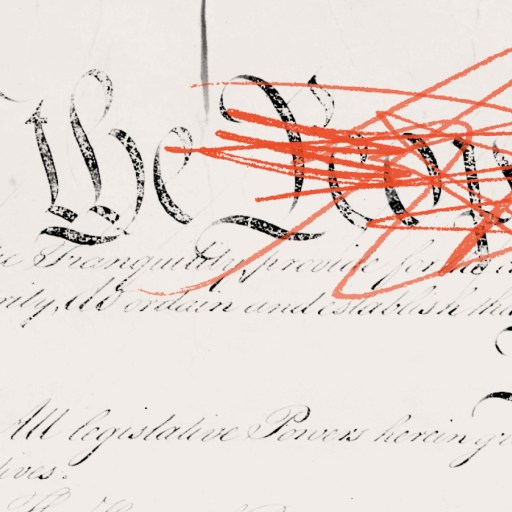
In "We the People," Harvard historian Jill Lepore examines how the U.S. Constitution became unamendable and its implications for the health of the democracy.
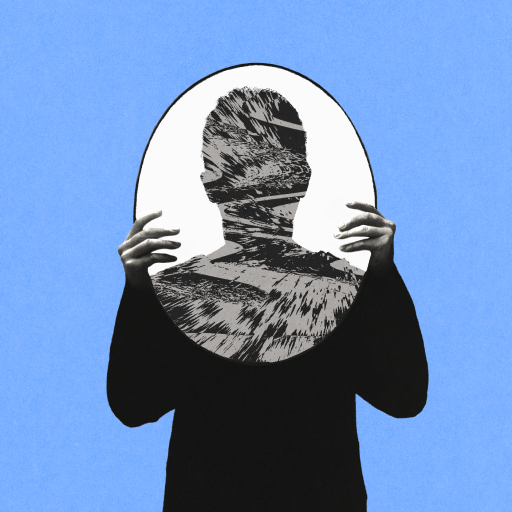
If AI is modeled only on human intelligence, will it inherit only human ways of seeing the world?
In this excerpt from "Governing Babel," John Wihbey explores how AI is reshaping online moderation by offering tools that can help human moderators, but also raises the risk of disinformation and digital chaos.
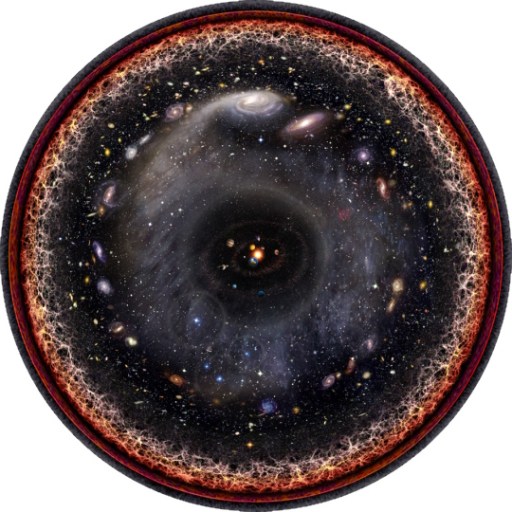
If you think of the Big Bang as an explosion, we can trace it back to a single point-of-origin. But what if it happened everywhere at once?

Workplace community is too often dismissed as an HR initiative, when in reality it’s the key to driving business results through frontline employee performance.
In this excerpt from "Facing Infinity," Jonas Enander examines how John Michell conceived of "dark stars," or massive bodies with enough gravity to trap light, all the way back in 1783.
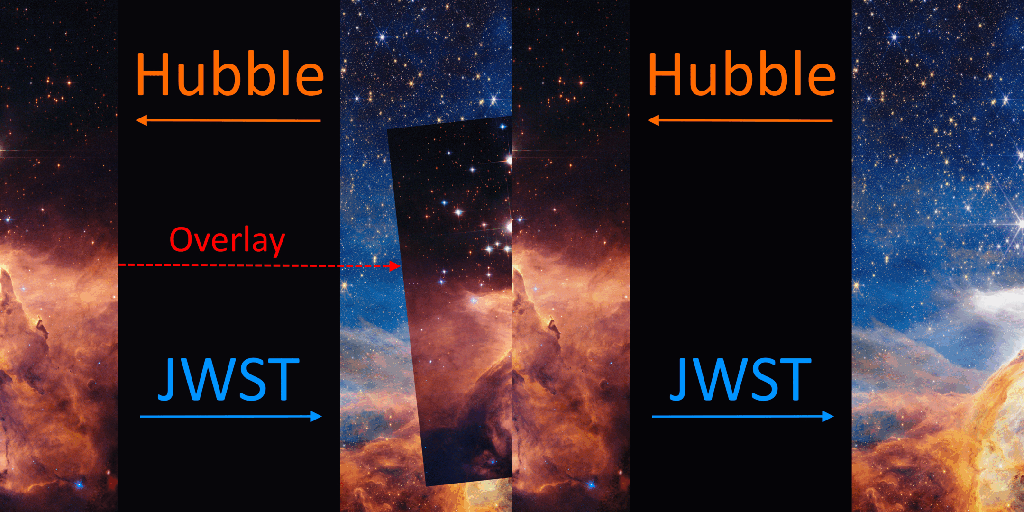
JWST isn't the first telescope to peer into this factory of star-birth some 5500 light-years away, but its views are the most educational.
Welcome to The Nightcrawler — a weekly newsletter from Eric Markowitz covering tech, innovation, and long-term thinking.
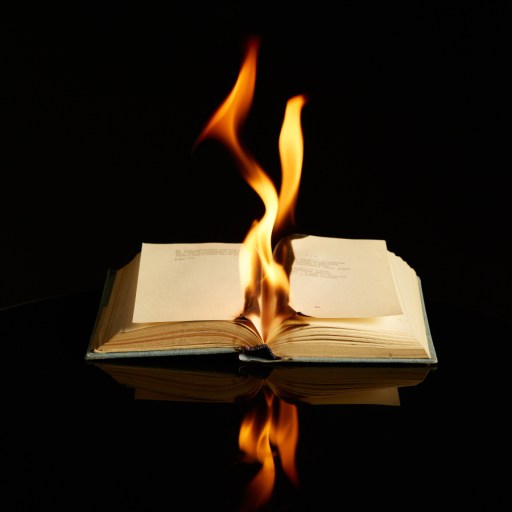
In "That Book Is Dangerous," author Adam Szetela examines the rise of the “Sensitivity Era” in publishing and how outrage campaigns try to control what books authors can write and readers can read.
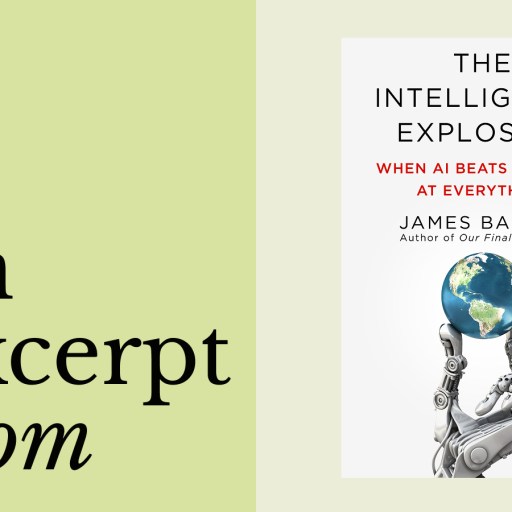
The predictions of evolutionary theorists and current advances in “multimodal AI” offer strong clues to the future of employment.

With several seemingly incompatible observations, cosmology faces many puzzles. Could early, supermassive stars be the unified solution?
A contemplative approach to leading others can help us accept the tension of not always knowing how things will play out.
Welcome to The Nightcrawler — a weekly newsletter from Eric Markowitz covering tech, innovation, and long-term thinking.
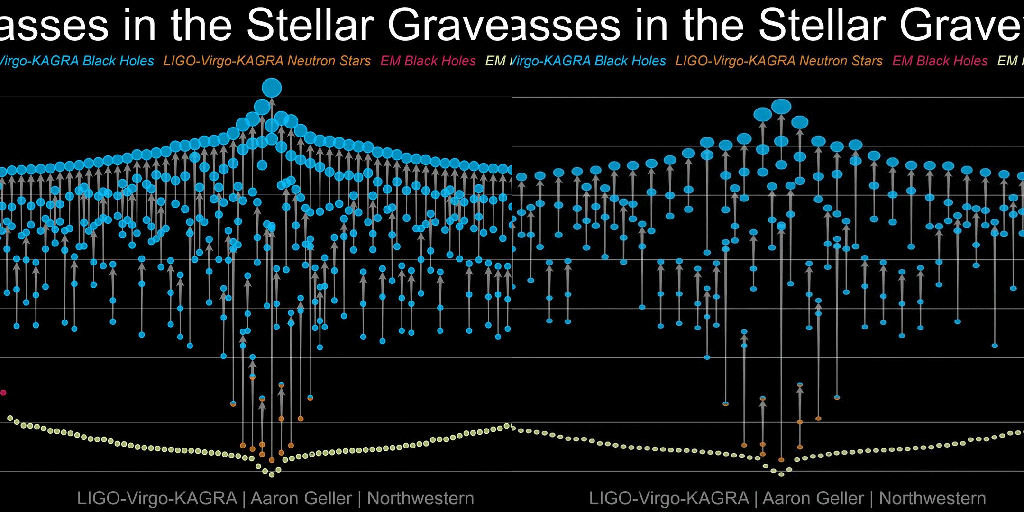
10 years ago, LIGO saw its first gravitational wave. After 218 detections, our view of black holes has changed forever. Can this era endure?

Venture capitalist and Flickr co-founder Caterina Fake talks to Big Think about why AI won’t make the internet better, her influences beyond tech, and more.
A universal signature could make surgeries safer — and help reveal what holds consciousness together.

These short books offer insights and meditations on timeless themes, without the time commitment.
Author and geopolitical strategist Paulo Cardoso do Amaral urges us to ask: Will we shape AI with wisdom, or will AI reshape us with strategy?
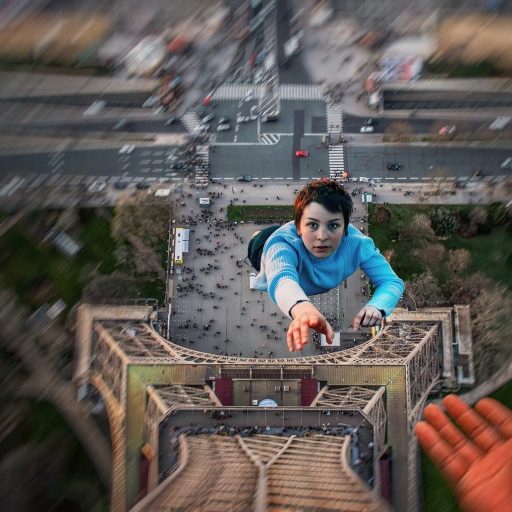
From high school through the professional ranks, physicists still take incredible lessons away from Newton's second law.
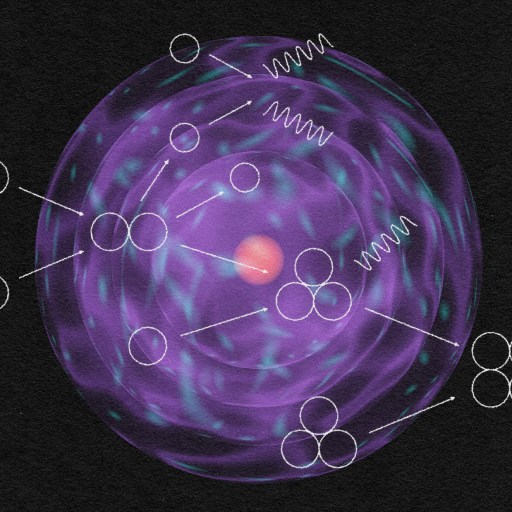
No matter what it is that we discover about reality, the fact that reality itself can be understood remains the most amazing fact of all.
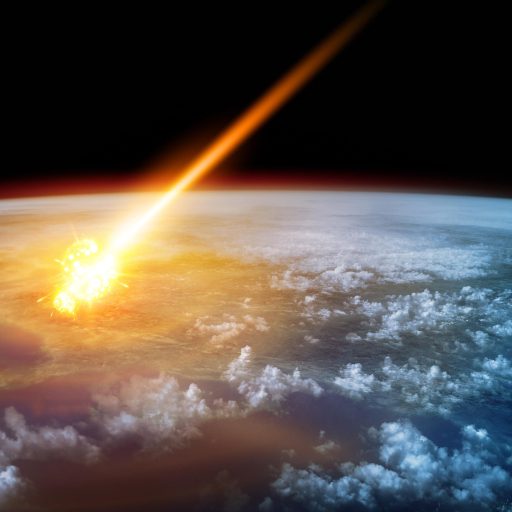
65 million years ago, a massive asteroid struck Earth. Not only did Jupiter not stop it, but it most likely caused the impact itself.
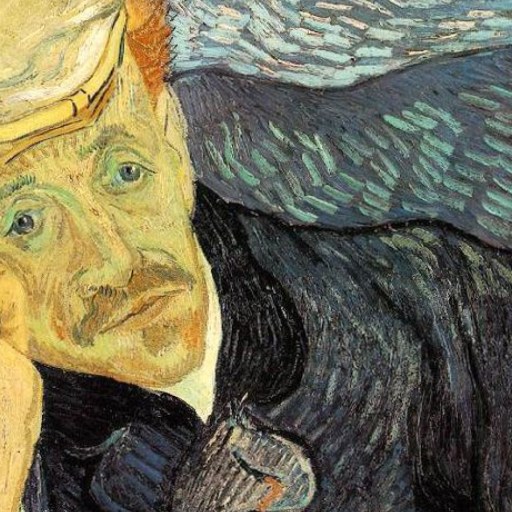
In "Human History on Drugs," Sam Kelly explores what the research can tell us about one of history’s most brilliant — and troubled — artists.
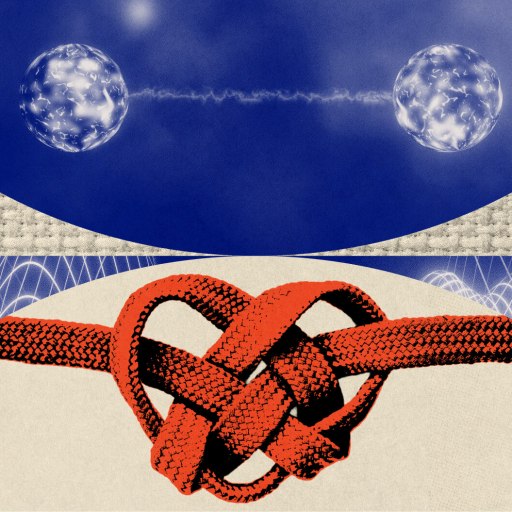
A meditation on quantum physics, creative endurance, and the unseen forces that shape what lasts.
Welcome to The Nightcrawler — a weekly newsletter from Eric Markowitz covering tech, innovation, and long-term thinking.
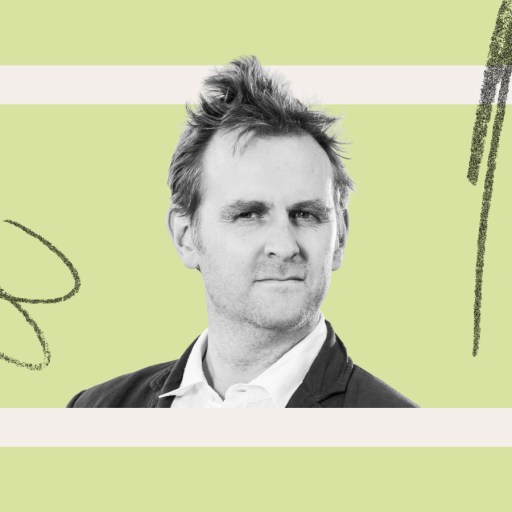
With "Karla's Choice," Nick Harkaway had an impossible mission: maintain his father’s legacy while staying true to his voice.
Leaders may not realize it — they’re not just being watched, they’re being interpreted, filtered, and judged, frame by frame.