Mindset

Mindset

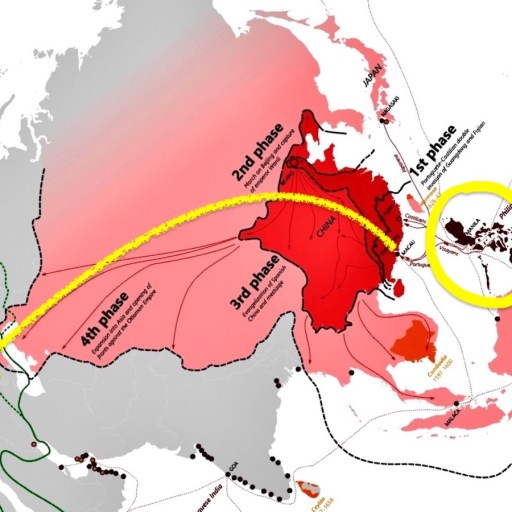
A color-coded map of Asia shows four migration phases from China, with arrows pointing toward Papua New Guinea and the Andaman Islands, both circled in yellow.
The plan — conquer China and push west to attack the Ottomans — was peak imperial hubris, as the Spanish themselves eventually realized.

A woman in a white dress sits on a chair by a window, reading a book in a softly lit room with a piano nearby, embodying the quiet charm of why read old books.
Reading classic books can teach you as much about the present as the past.

A silhouette of a person playing the trumpet symbolizes jazzy leadership, overlaid on a blue and white world map with radiating lines and data points.
In most organizations, contradictions are treated as problems to be fixed. But what if they’re actually the point?
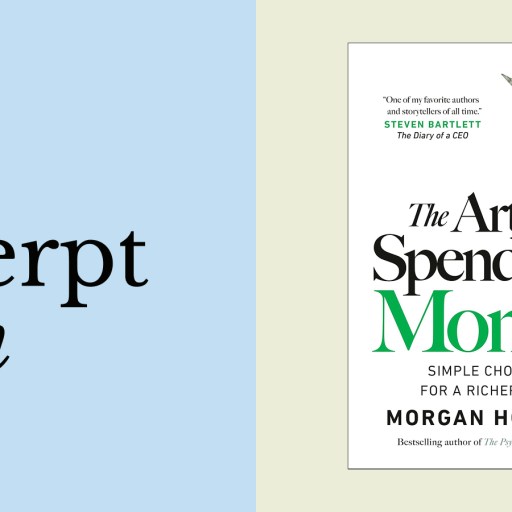
A book cover of "The Art of Spending Money" by Morgan Housel, with the text "an excerpt from" on a blue background to the left—exploring how to be miserable spending money.
In this excerpt from "The Art of Spending Money," Morgan Housel lays out the spending and financial habits guaranteed to end in regret.

A man in a dark polo shirt sits and smiles in front of a background with graph lines and stock charts, evoking the analytical style of Buffett and Munger.
A conversation with investor and author Alex Morris on what Warren Buffett and Charlie Munger can teach us about focus, discipline, and building a life that lasts.
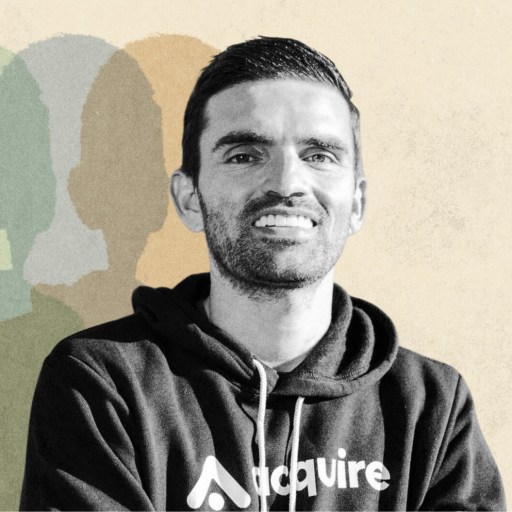
A man, identified as Andrew Gazdecki, wears a dark hoodie with “Acquire” printed on it, standing against a beige background with multi-colored shadows behind him.
Andrew Gazdecki — the founder and CEO of Acquire.com — explores the skillsets and pitfalls of selling a business. And why it’s often crucial to start all over again.
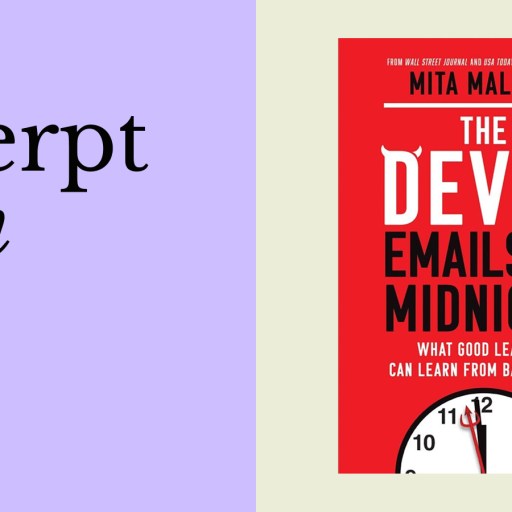
The image features the book cover of "The Devil Emails at Midnight" by Mita Mallick alongside text reading "an excerpt from" on a purple and beige background, hinting at themes like toxic positivity within its pages.
What happens when your boss decides to weaponize positivity in the workplace?
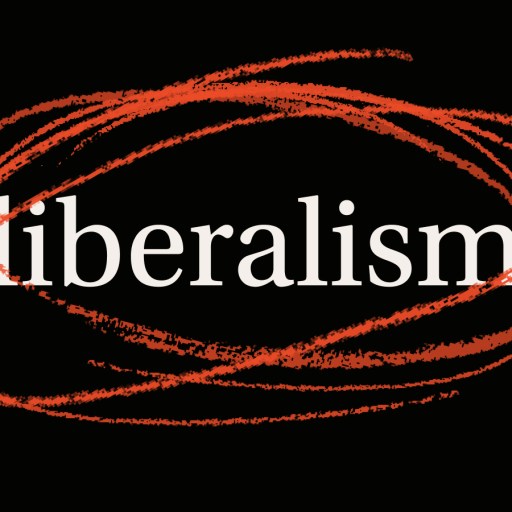
The word "liberalism" in white lowercase text is centered on a black background, surrounded by rough red circles drawn with a crayon effect, visually emphasizing the ongoing discourse on liberalism.
In “On Liberalism," Cass Sunstein argues that liberalism can only endure if we reclaim its core commitments and revive its spirit of freedom and hope for the future.
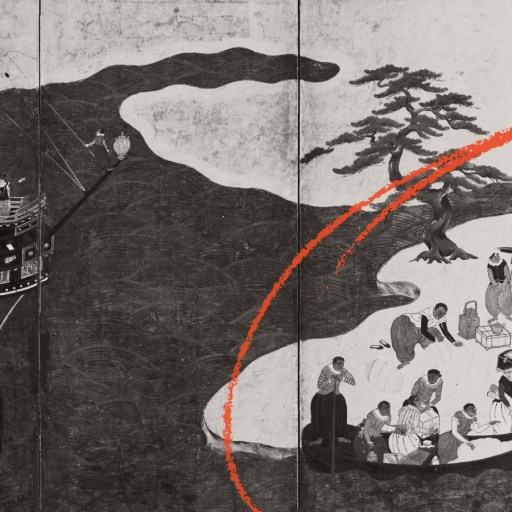
Black and white illustration of a ship at shore, with people unloading goods and interacting on land; orange arc marks part of the scene.
In the Embers series, historian M.G. Sheftall shares the stories of Hiroshima and Nagasaki’s last survivors and reveals why their testimony must endure.
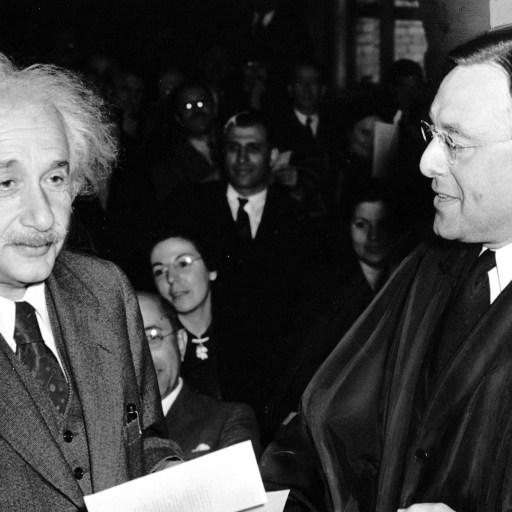
An older man with white hair and a suit receives a document from another man in a robe during an event, as several people look on in the background. In the age of viral misquotes, capturing such moments accurately becomes ever more crucial.
From Einstein to Twain, Garson O’Toole investigates the truth behind your favorite — and often misattributed — quotes.

A graphic titled "The Night Crawler" features grayscale and red-tinted images of two men, one writing and one smiling—possibly Brad Feld—overlaid on a grid background with abstract shapes.
Welcome to The Nightcrawler — a weekly newsletter from Eric Markowitz covering tech, innovation, and long-term thinking.

A painting of a praying woman with clasped hands and an upward gaze appears through the outline of a keyhole, set against a black background, evoking an air of mysticism.
It makes no sense to talk about a “religious life” and a “public life” — there is just life.
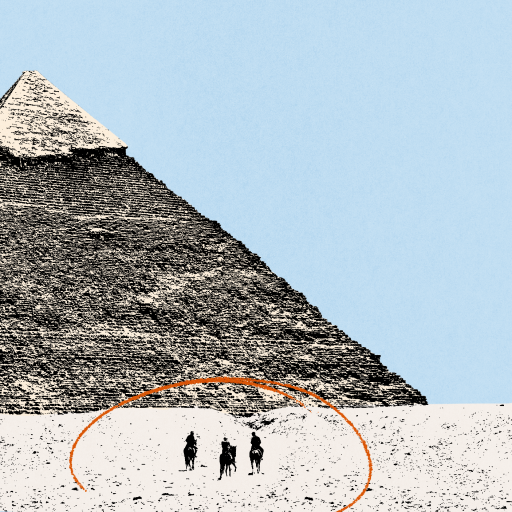
A pyramid stands in a desert with three people in front, evoking experimental archeology; a modern McDonald's restaurant is visible in the background on the right.
In "Dinner with King Tut," Sam Kean examines how a burgeoning field is recreating ancient tasks to uncover historical truths.
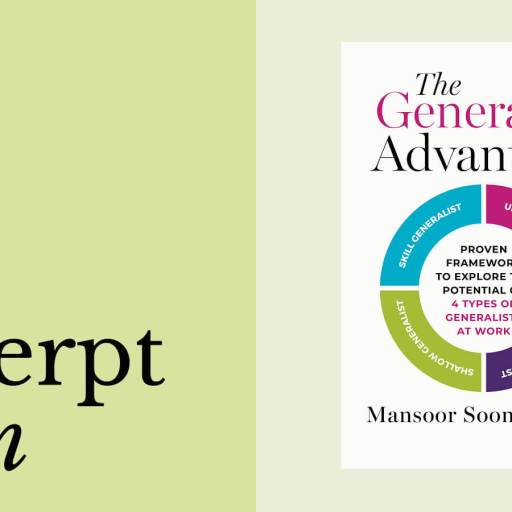
Book cover for "The Generalist Advantage" by Mansoor Soomro, PhD, next to text reading "an excerpt from," all set against a light green background—highlighting the value of generalist superpowers.
From Apple to Airbnb to OpenAI the generalist mindset has been an invaluable source of advantage — and we can all learn from these successes.

Microscopic view of green cyanobacteria chains forming spiral and linear patterns against a dark background, highlighting their role within the microbiome.
In "The Microbiome Master Key," Brett and Jessica Finlay argue that we need to stop waging war on all germs and start working with the microbes that make us who we are.
Abstract illustration of tall, grid-patterned skyscrapers interspersed with textured blue marble-like panels evokes a sense of innovation, reminiscent of a blue ocean strategy, set against a light background.
When organizations focus on finding new markets, the returns can be spectacular — as a case study from Australia perfectly illustrates.
Two glowing spheres connected by a thin line suggest a quantum link above a red, knotted rope, with abstract wave patterns in the background.
A meditation on quantum physics, creative endurance, and the unseen forces that shape what lasts.
A book cover titled "Brand Global, Adapt Local: How to Build Brand Value Across Cultures" by Katherine Melchior Ray with Nataly Kelly, alongside the text "an excerpt from," highlighting insights on cultural intelligence.
To be culturally intelligent, you must be curious and open-minded — and the benefits can be transformative.
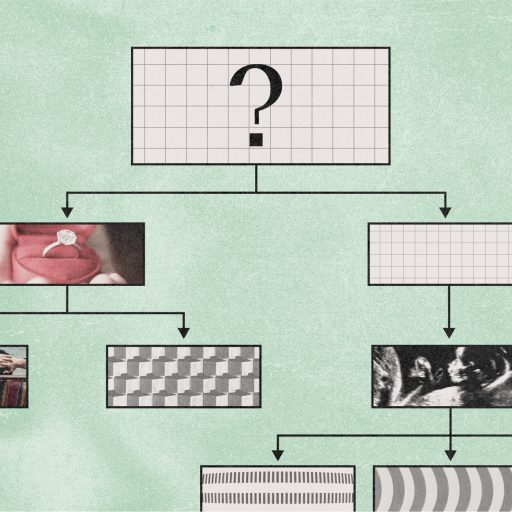
A flowchart with a large question mark at the top leads to boxes containing photos, abstract patterns, and arrows connecting each step on a textured green background.
Annie Duke, a poker champion turned decision scientist, talks with Big Think about how to choose well under uncertainty.

A woman, resembling a paranormal investigator, holds a rectangular glass dish above her eyes, which are illuminated by light shining through the dish in a dark setting.
For his new book, “The Ghost Lab,” Matt Hongoltz-Hetling spent time with paranormal investigators to understand their relationship with science and society.