Search
Neuroscience
1hr 12mins
Members
“Consciousness is fundamental. It's a fundamental property of the world that we inhabit, a fundamental property of the universe.”
3mins
From neuroscience to philosophy, experts reveal why compassion may be the most important human skill we have.
Unlikely Collaborators
Introverts have social batteries that will drain over time, but they can be recharged with good energy hygiene. Here’s how.
It's no wonder great writers swear by messy first drafts.
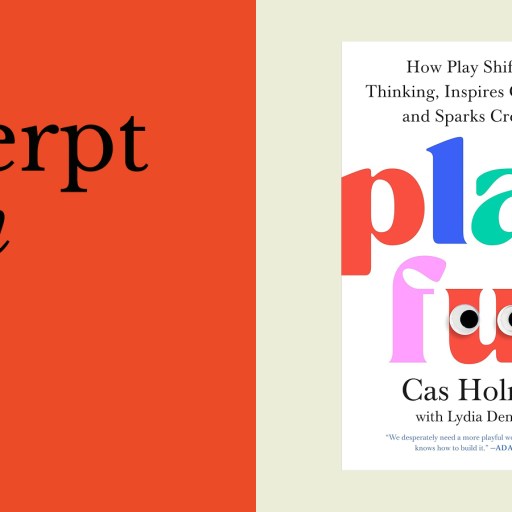
In this excerpt from "Playful," Cas Holman surveys the research that brought the neuroscience of play into the mainstream.
3mins
Philosophy asks if free will is real. Neuroscience reveals why the answer is more complicated than we expected.
Unlikely Collaborators
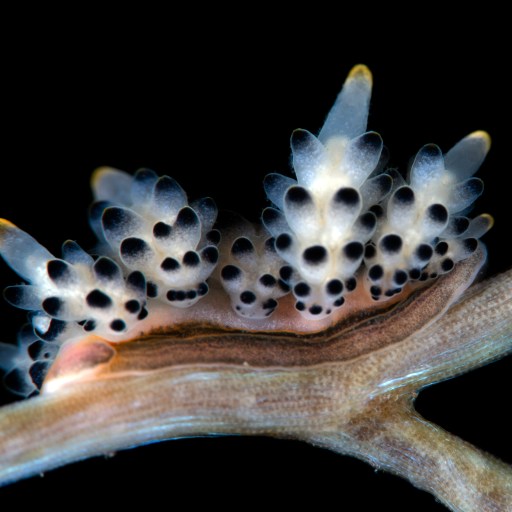
In this excerpt from "One Hand Clapping," Nikolay Kukushkin makes the case that neurons reveal how memory, meaning, and even consciousness emerge from the same biological roots in humans, sea slugs, and beyond.
In “Warhead,” neuroscientist and national security adviser Nicholas Wright explains how the brain navigates warfare and why it is our ultimate weapon (and instrument for peace).
6mins
Daily habits can help you thrive or quietly turn into addictions. The difference is how your brain handles cues, routines, and rewards. Three experts explain how to work with your wiring instead of against it.
Unlikely Collaborators

2mins
Is gratitude to a deity different from gratitude to other people? Psychology and neuroscience professor Sarah Schnitker explains.
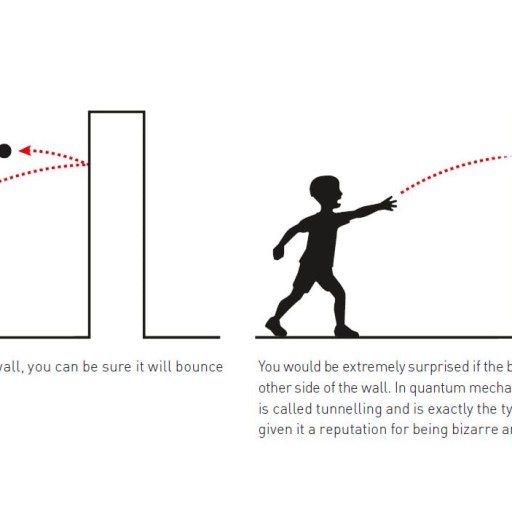
Quantum mechanics was first discovered on small, microscopic scales. 2025's Nobel Prize brings the quantum and large-scale worlds together.
59mins
"One of the largest mitigating factors against getting traumatized is who is there for you at that particular time."
You may actually be on the same wavelength.
Members
Barbara Oakley, instructor of a popular MOOC, offers strategies for enhancing learning skills by leveraging insights from neuroscience and cognitive science, addressing the challenges posed by our brain's hardwiring in changing habits and acquiring new skills.
7mins
How can the brain — a piece of matter — love? Physics and chemistry explain the material world, but they can’t explain why it feels like something to be alive. This is the mystery of consciousness, according to these experts.
Unlikely Collaborators

In this excerpt from "When Everyone Knows That Everyone Knows...," Steven Pinker examines how crying may have evolved as part of a suite of emotional expressions aimed at strengthening social bonds.
Neuroscientist Rachel Barr shares her favorite books on the brain and how they shaped her approach to the field.
9mins
“The sexual excitation system is the accelerator or the gas pedal, and it notices all the sex-related information in the environment.”

Despite the claims of speed reading apps and programs, you actually have to read the book if you want to learn.

2mins
Modern culture has made us feel like there’s no time to be patient. Sarah Schnitker’s lab at Baylor University is researching how this often-forgotten virtue could improve our overall well-being.
6mins
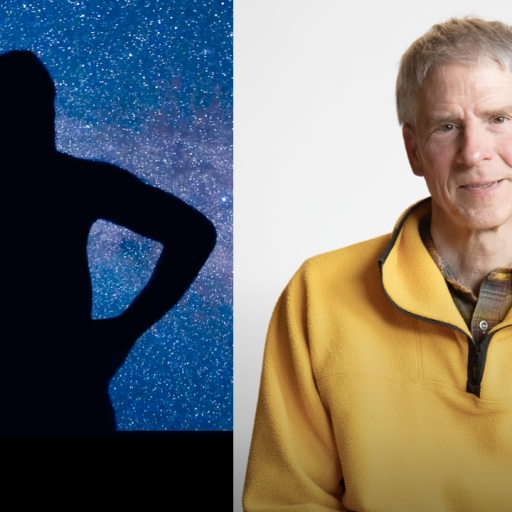
Everything you experience is filtered through your brain, and everyone’s brain is different. Neuroscientist Christof Koch explains how understanding this can deepen your connection to the world around you.
Unlikely Collaborators
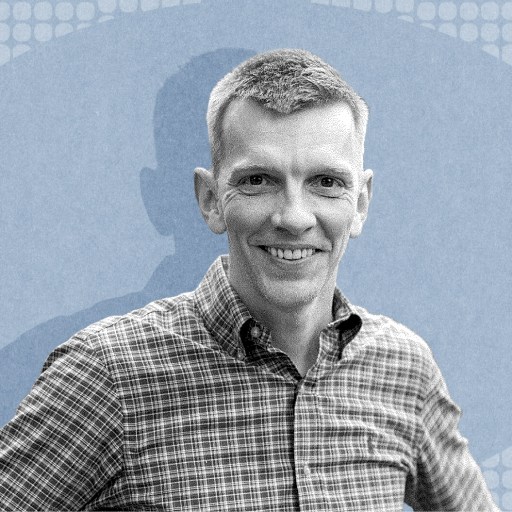
A dialogue with Angus Fletcher — author of the bestseller "Primal Intelligence" — exploring the unique engines of human progress.
7mins
A neuroscientist, a psychologist, and a psychotherapist discuss how emotions are stories built from old experiences.
Unlikely Collaborators

6mins
Virtue is hard to attain, and that’s the point. Sarah Schnitker explains why self-help shortcuts miss the mark.

Welcome to The Nightcrawler — a weekly newsletter from Eric Markowitz covering tech, innovation, and long-term thinking.
A conversation with neuroscientist Erik Hoel about the future of consciousness research.
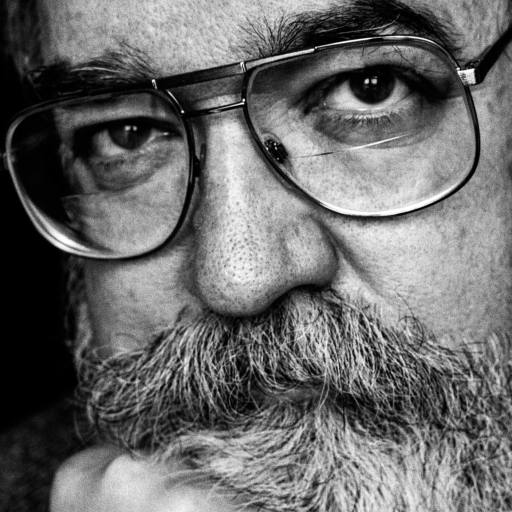
"For many people, the idea that consciousness is a set of tricks is offensive," the late philosopher told Big Think in 2012. "I think that's a prime mistake."
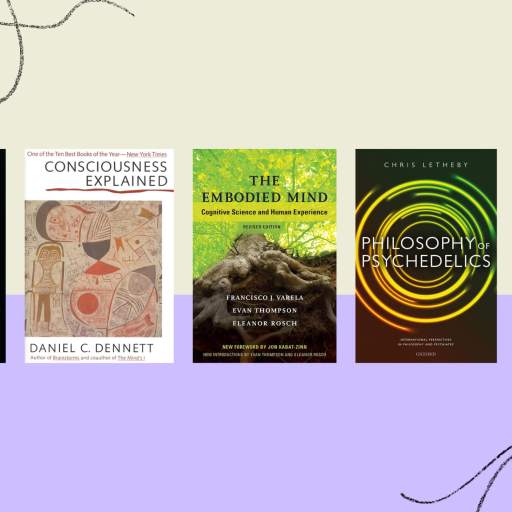
These expert-recommended books try to answer the questions of consciousness, from its fundamental nature to its role in human experience and the natural world.

After the trauma of a high-risk medical procedure, Eric Markowitz discovered a kind of consciousness that lives not in thought — but in presence.