Neuroscience

Neuroscience

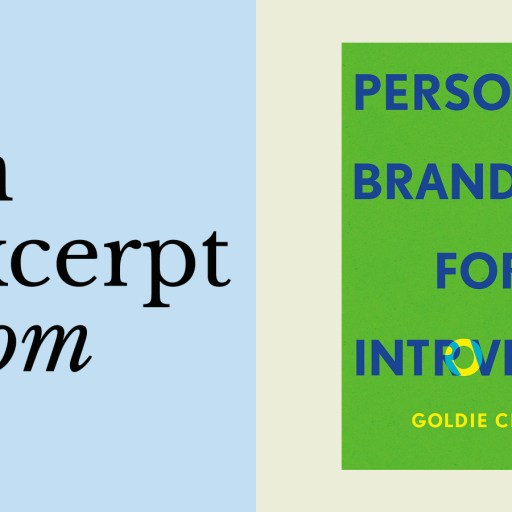
On the left, text reads "an excerpt from" on a pale blue background; on the right is Goldie Chan’s book cover for "Personal Branding for Introverts.
Introverts have social batteries that will drain over time, but they can be recharged with good energy hygiene. Here’s how.
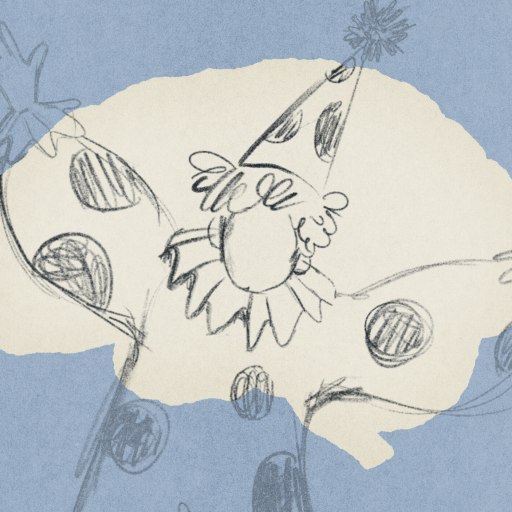
A pencil sketch of a clown with raised arms, wearing a pointed hat and a polka-dot costume, on a blue and off-white background.
It's no wonder great writers swear by messy first drafts.
The image features the phrase "an excerpt from" on a red background next to the book cover of "Playful" by Cas Holman with Lydia Denworth, highlighting insights from play research.
In this excerpt from "Playful," Cas Holman surveys the research that brought the neuroscience of play into the mainstream.

A close-up of a spotted nudibranch with translucent, pointed cerata on a brown underwater branch against a black background, inviting reflection on the intricate nature of consciousness in marine life.
In this excerpt from "One Hand Clapping," Nikolay Kukushkin makes the case that neurons reveal how memory, meaning, and even consciousness emerge from the same biological roots in humans, sea slugs, and beyond.
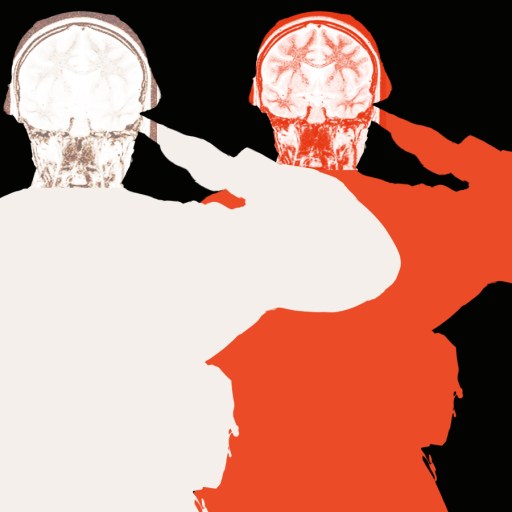
Two figures in military gear salute, rendered in white and red with visible brain scans over their heads, set against a black background—a striking nod to the neuroscience of war.
In “Warhead,” neuroscientist and national security adviser Nicholas Wright explains how the brain navigates warfare and why it is our ultimate weapon (and instrument for peace).
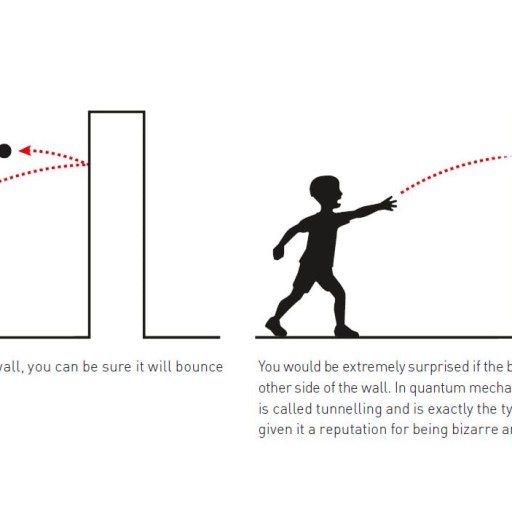
Two illustrations: on the left, a ball bounces back after hitting a wall; on the right, inspired by quantum advances, the ball passes through—echoing breakthroughs honored with the Nobel Prize in Physics. A child throws the ball in both scenarios.
Quantum mechanics was first discovered on small, microscopic scales. 2025's Nobel Prize brings the quantum and large-scale worlds together.
A young girl with light brown hair sits with her knees drawn up, looking down, illustrated blue teardrops on her face—capturing a quiet moment that reflects why humans cry.
In this excerpt from "When Everyone Knows That Everyone Knows...," Steven Pinker examines how crying may have evolved as part of a suite of emotional expressions aimed at strengthening social bonds.
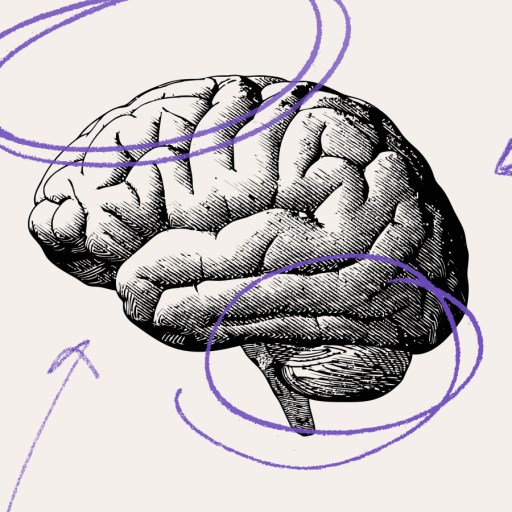
Black and white illustration of a human brain with purple scribble circles and arrows pointing toward it on a light background, perfect for those interested in books about the brain.
Neuroscientist Rachel Barr shares her favorite books on the brain and how they shaped her approach to the field.

a painting of a woman avidly reading a book.
Despite the claims of speed reading apps and programs, you actually have to read the book if you want to learn.
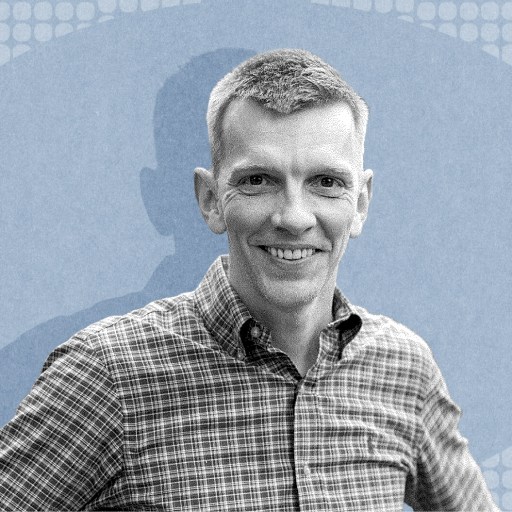
Angus Fletcher, wearing a plaid shirt, smiles at the camera as he stands in front of a blue, patterned background.
A dialogue with Angus Fletcher — author of the bestseller "Primal Intelligence" — exploring the unique engines of human progress.

A storytelling collage featuring a man inspecting barrels, a person holding a skull mask, another man observing the mask, and the text "THE NIGHTCRAWLER" in bold black and orange.
Welcome to The Nightcrawler — a weekly newsletter from Eric Markowitz covering tech, innovation, and long-term thinking.
Abstract collage with a butterfly, brain sketches, graphs, and scientific diagrams overlaid with red, black, and beige shapes and textured patterns.
A conversation with neuroscientist Erik Hoel about the future of consciousness research.
Abstract illustration of a human figure with glowing neural-like lines and bright light concentrated around the head, set against a red and orange gradient background.
Introducing Big Think's Consciousness Issue.
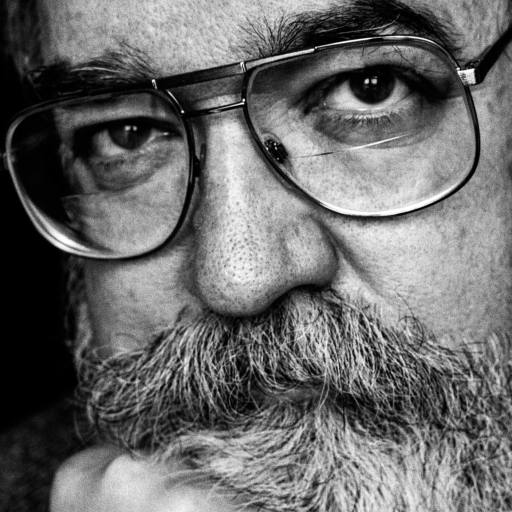
Black and white close-up of an older man with glasses, a bushy mustache, and beard, resting his chin on his hand and looking directly at the camera.
"For many people, the idea that consciousness is a set of tricks is offensive," the late philosopher told Big Think in 2012. "I think that's a prime mistake."
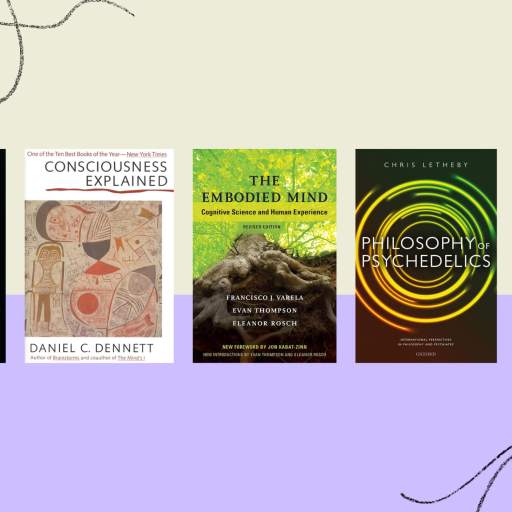
Five books on consciousness and philosophy are displayed upright in a row against a pale background with abstract black lines.
These expert-recommended books try to answer the questions of consciousness, from its fundamental nature to its role in human experience and the natural world.

A man and woman sit on a bed with two young children, sharing a quiet moment; the older child stands while the younger, cradled by the woman, embodies the precious gift of consciousness within the family.
After the trauma of a high-risk medical procedure, Eric Markowitz discovered a kind of consciousness that lives not in thought — but in presence.
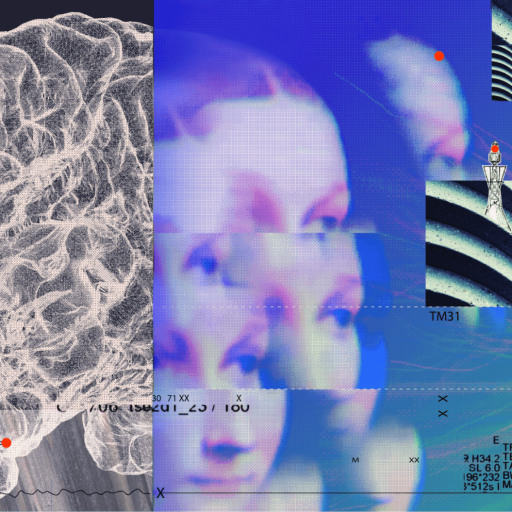
A digital collage featuring a brain illustration, distorted human faces, signal towers, abstract waves, and scattered data points and text on a blue and gray background.
A universal signature could make surgeries safer — and help reveal what holds consciousness together.
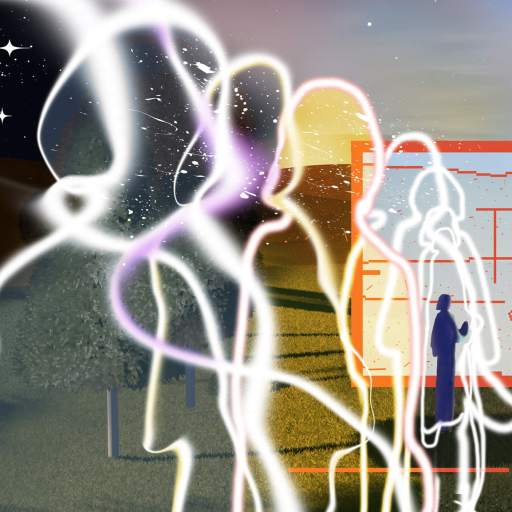
Abstract illustration of translucent human figures standing in line, with a mix of a natural outdoor scene and geometric digital elements in the background.
The overlooked reason why "AI consciousness" isn't coming anytime soon.
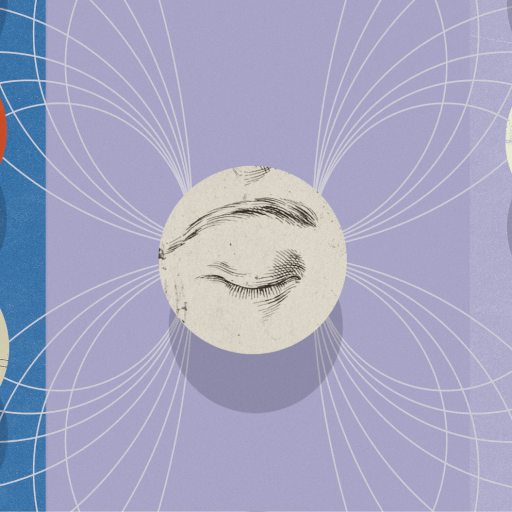
Abstract illustration featuring five circles with various designs connected by curved white lines on a purple and blue background, symbolizing science or interconnected concepts.
A conversation with Annaka Harris on shared perception, experimental science, and why our intuition about consciousness is wrong.
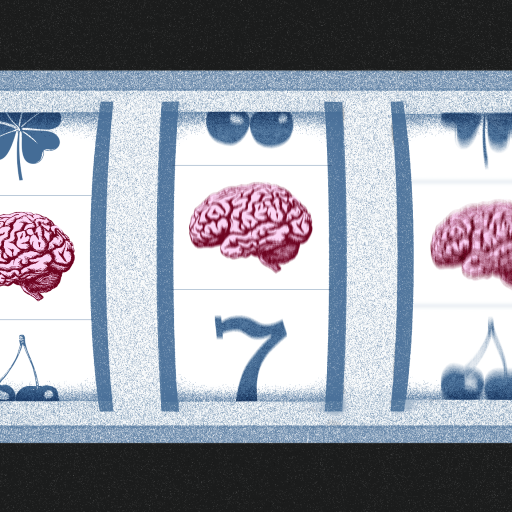
A slot machine displays various icons, including brains, cherries, a clover, and the number seven—an homage to Anne-Laure Le Cunff’s work—with two brains and a seven visible in the central row.
Stuck on a hamster wheel of mindless social media scrolling? Neuroscientist Anne-Laure Le Cunff explains how to consciously redirect your reward system.
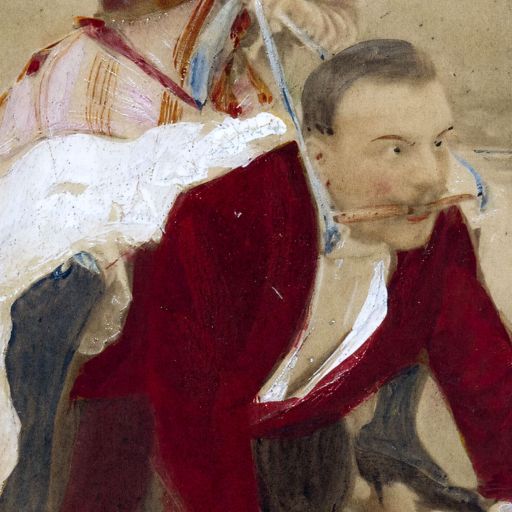
A painting depicts compassionate leaders, as a person in a blue robe carries an injured figure on a brown horse, set against swirling blue and yellow brushstrokes in the background.
The benefits of compassion in the workplace are manifold — but leaders should retain an intentional focus on mental, emotional, and physical balance.