Search
Neuroscience
A universal signature could make surgeries safer — and help reveal what holds consciousness together.
The overlooked reason why "AI consciousness" isn't coming anytime soon.
A conversation with Annaka Harris on shared perception, experimental science, and why our intuition about consciousness is wrong.
3mins
Humans have always had religion. What does this say about our minds? Reza Aslan PhD, Lisa Miller PhD, and Rob Bell MDiv explain.
Unlikely Collaborators
1hr 24mins
“There's a very pervasive belief that human nature is fundamentally selfish, but I know for a fact that that can't be true in part because my life was saved by a stranger a long time ago when I was 19.”
7mins
“Because of the efficiency worship that we have developed in our industrial age, we are now seeing procrastination as a character flaw rather than what it is, a signal that is worth listening to.”
17mins
“Anxiety is focused on things that are important to you in life. That is the key.”
2mins
Your brain changes when you experience something, and it changes again when you remember it. Two neuroscientists explain what that means for memory, perception, and identity.
Unlikely Collaborators
7mins
Three doctors break down brain function, somatic awareness, and how to recover from bad experiences.
Unlikely Collaborators
17mins
"The sense that we are a solid entity, an unchanging entity that exists someplace in our body and takes ownership of our body, and even ownership of our brain rather than being identical to our brain, that is where the illusion lies."
Stuck on a hamster wheel of mindless social media scrolling? Neuroscientist Anne-Laure Le Cunff explains how to consciously redirect your reward system.

7mins
From trepanning to lobotomies, humans have long struggled to manage emotion. Today, we have better tools. Psychologist Ethan Kross shares what actually works, and why.
How deep is your kink?

The benefits of compassion in the workplace are manifold — but leaders should retain an intentional focus on mental, emotional, and physical balance.
1hr 18mins
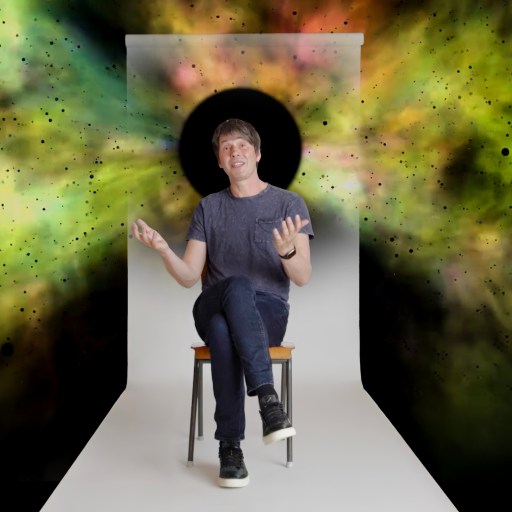
“Could black holes be the key to a quantum theory of gravity, a deeper theory of how reality, of how space and time works?”
18mins
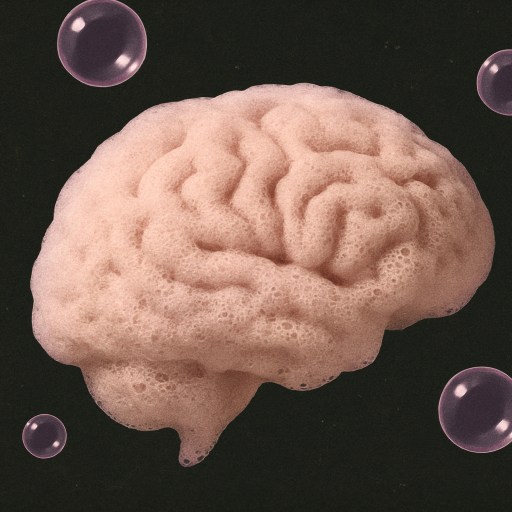
“We know that as little as 10 minutes of walking can improve your mood, that is getting that bubble bath with the dopamine, serotonin, endorphins going, anybody can do that.”