Search
Observation
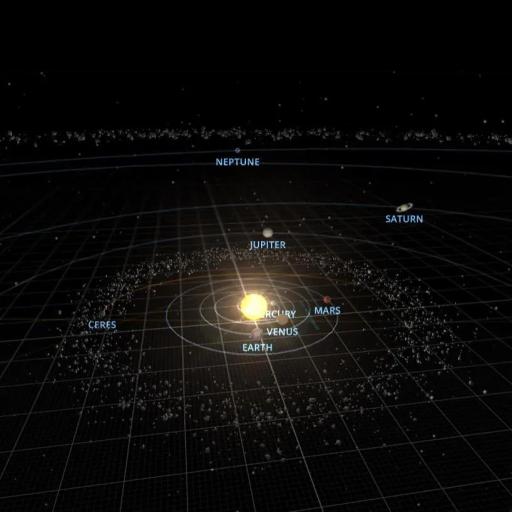
Scientists are notoriously resistant to new ideas. Are they falling prey to groupthink? Or are our current theories just that successful?
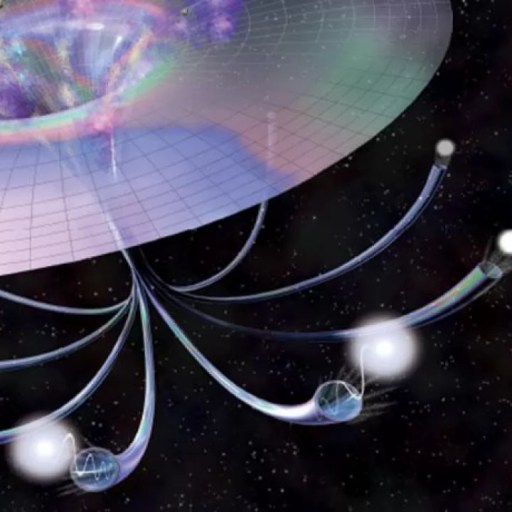
Inflation's two main criticisms, that it can predict anything and that the "measure problem" remains unsolved, can't erase its successes.
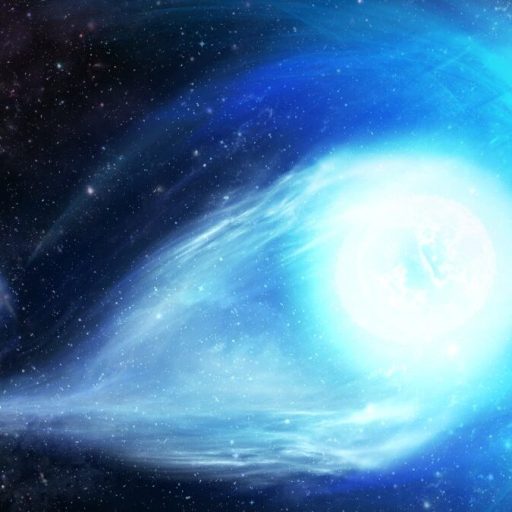
As the Universe ages, it continues to gravitate, form stars, and expand. And yet, all this will someday end. Do we finally understand how?
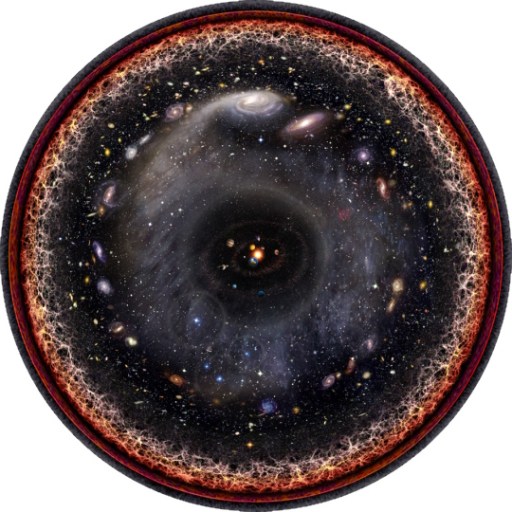
If you think of the Big Bang as an explosion, we can trace it back to a single point-of-origin. But what if it happened everywhere at once?

A childhood spent under the spell of sleight-of-hand taught me skepticism, curiosity, and the habit of looking beneath appearances.
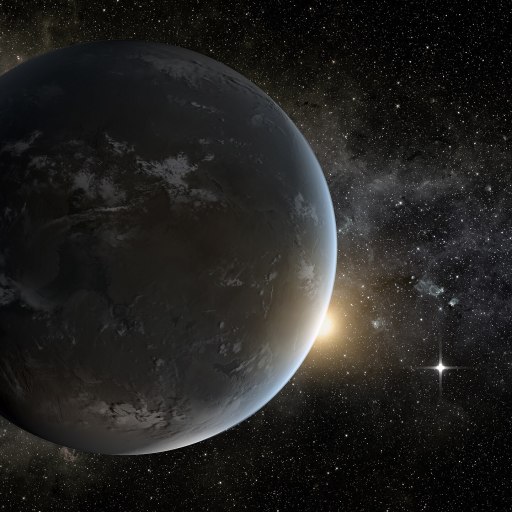
The most common type of exoplanet is neither Earth-sized nor Neptune-sized, but in between. Could these haze-rich worlds house alien life?
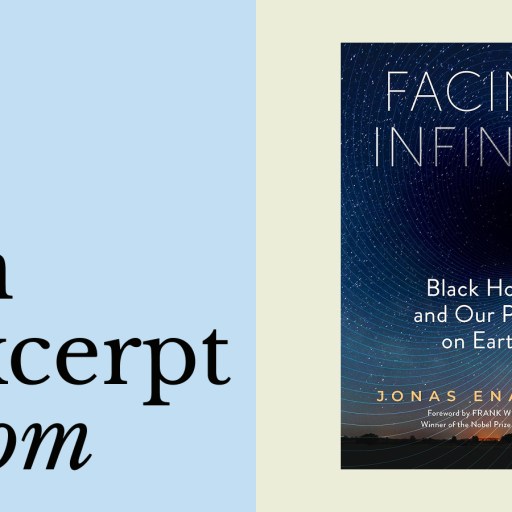
In this excerpt from "Facing Infinity," Jonas Enander examines how John Michell conceived of "dark stars," or massive bodies with enough gravity to trap light, all the way back in 1783.
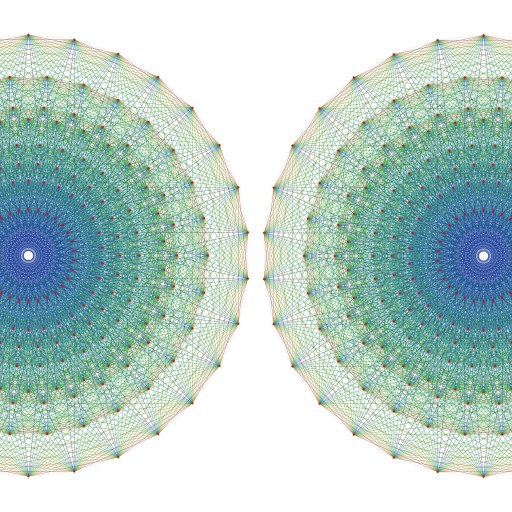
The Holy Grail of physics is a Theory of Everything: where a single equation describes the whole Universe. But maybe there simply isn't one?
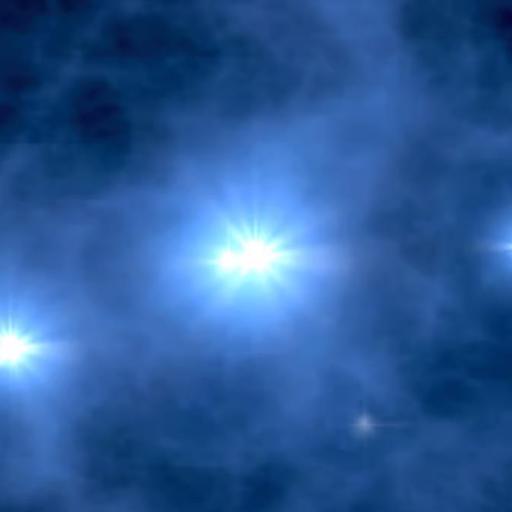
With several seemingly incompatible observations, cosmology faces many puzzles. Could early, supermassive stars be the unified solution?
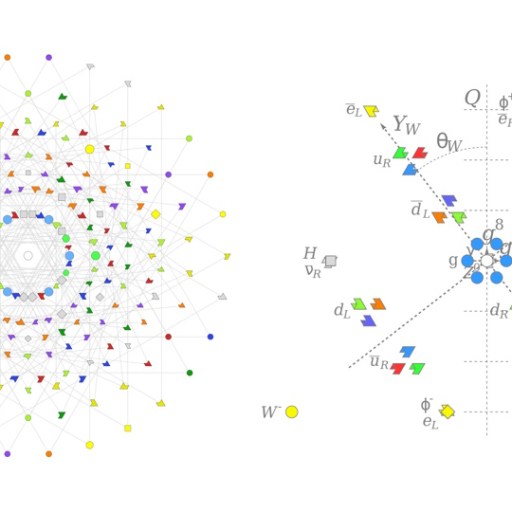
When you don't have enough clues to bring your detective story to a close, you should expect that your educated guesses will all be wrong.

“Who ya gonna believe: me or your own eyes?” Until you can assess your perception, the answer should be neither.

Just 13.8 billion years after the hot Big Bang, we can see 46.1 billion light-years away in all directions. Doesn't that violate...something?

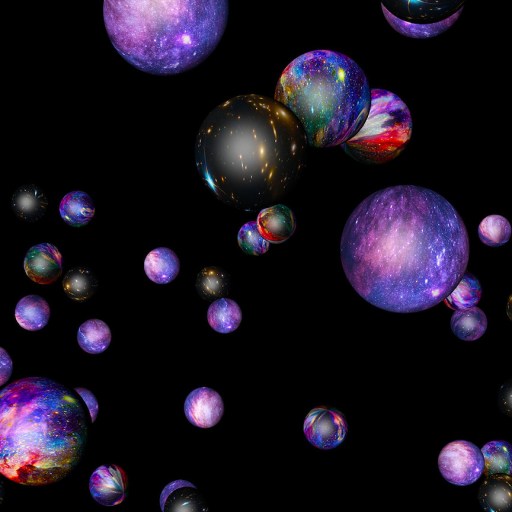
Parallel universes are among the most profound notions in all of quantum physics. It's a compelling and fascinating idea, but is it true?
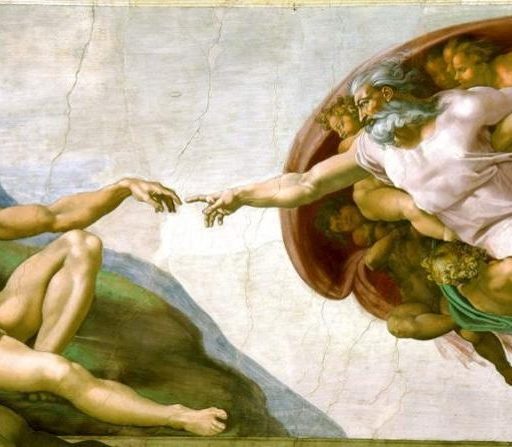
When it comes to our Universe's origins, scientists discuss the Big Bang, cosmic inflation, and other theories. Why doesn't "God" come up?
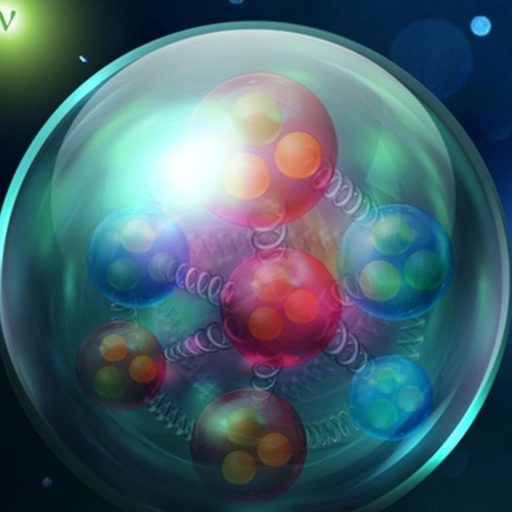
Realizing that matter and energy are quantized is important, but quantum particles aren't the full story; quantum fields are needed, too.
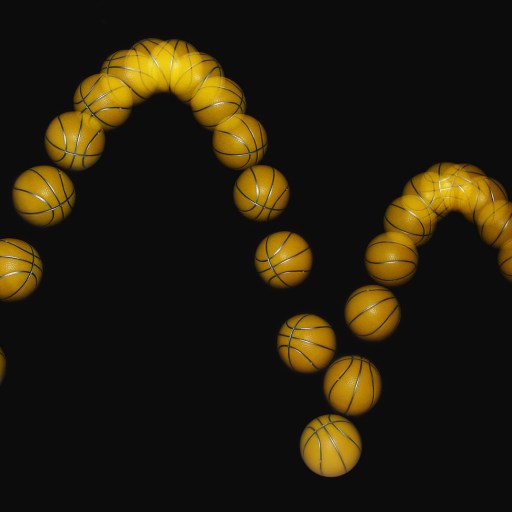
Whether you run the clock forward or backward, most of us expect the laws of physics to be the same. A 2012 experiment showed otherwise.
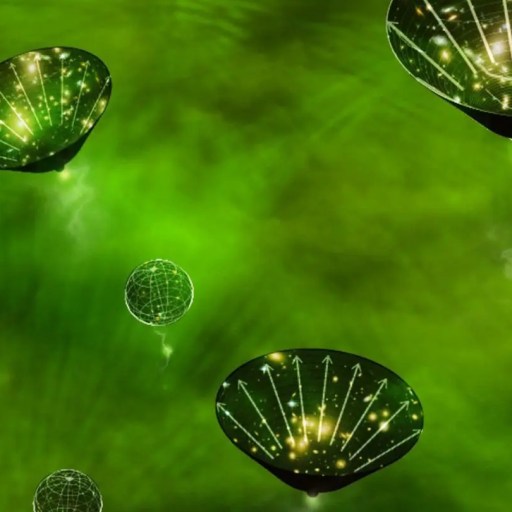
Once you cross a black hole's event horizon, there's no going back. But inside, could creating a singularity give birth to a new Universe?

From high school through the professional ranks, physicists still take incredible lessons away from Newton's second law.

19mins
"It's a very, very beautiful calculation, but it's the best example I know of the relationship between these rather abstract quantities perhaps and something that you can look at in a telescope."
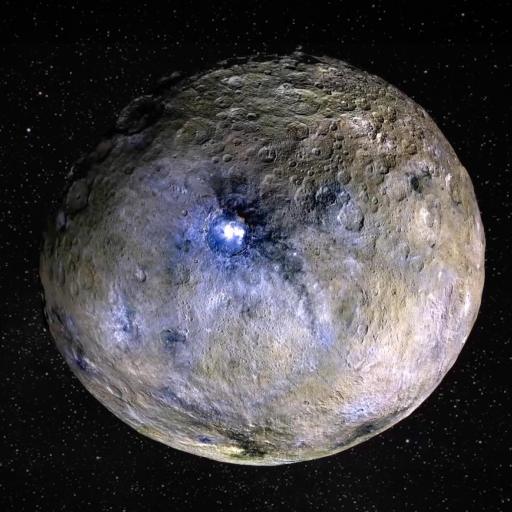
As the closest icy ocean world to
Earth, Ceres may be a promising candidate in the search for signs of ancient life.
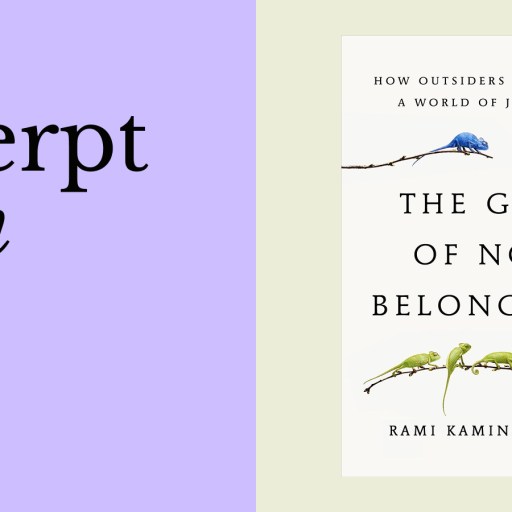
In "The Gift of Not Belonging," Rami Kaminski explains why group consensus may hinder the original thinkers who help advance society.
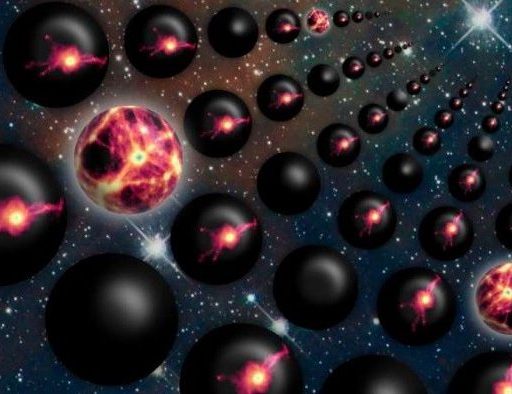
The ANITA experiment found cosmic rays shooting out of Antarctica. One interpretation claims "parallel Universes," but is that right?