Search
Particle Physics

Nearly 100 years after being theorized, the strange behavior of the neutrino still mystifies us. They could be even stranger than we know.
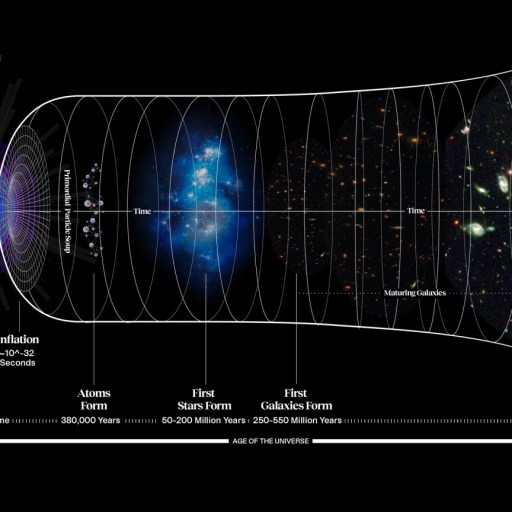
From the Big Bang to a prior period of cosmic inflation, our cosmic origins are clearer than ever. Yet these 5 big mysteries still remain.

Just 13.8 billion years after the hot Big Bang, we can see 46.1 billion light-years away in all directions. Doesn't that violate...something?
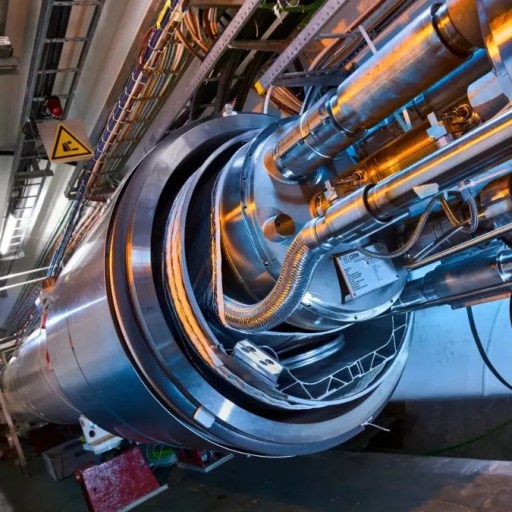
A next-generation collider is required for studying particle physics at the frontiers. Here's the fastest, cheapest way to get it done.
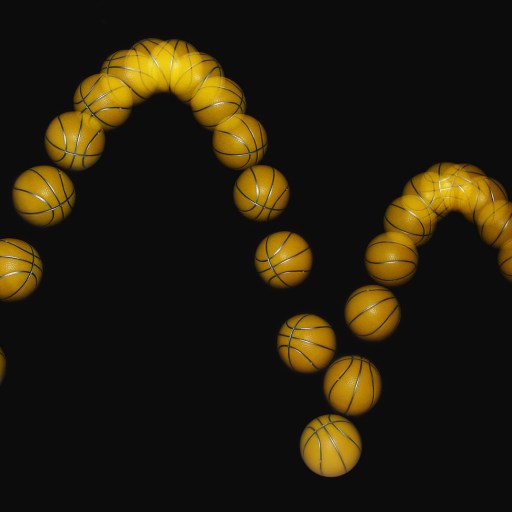
Whether you run the clock forward or backward, most of us expect the laws of physics to be the same. A 2012 experiment showed otherwise.
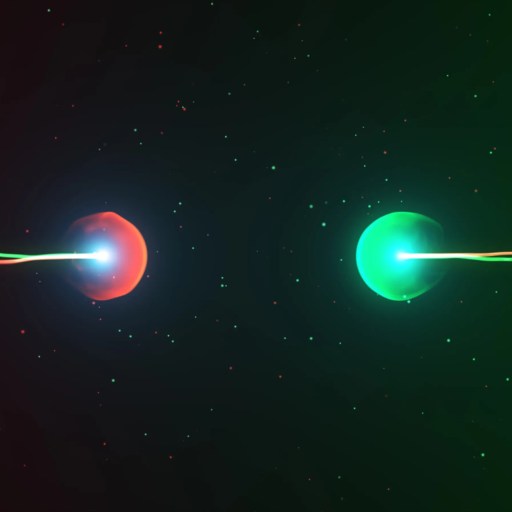
Will we build a successor collider to the LHC? Someday, we'll reach the true limit of what experiments can probe. But that won't be the end.
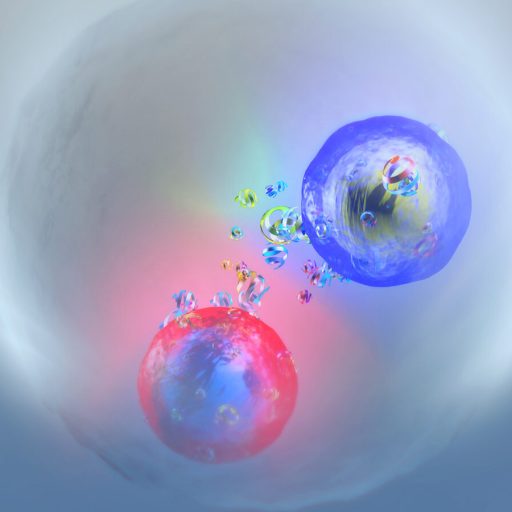
Can the top quark, the shortest-lived particle of all, bind with anything else? Yes it can! New results at the LHC demonstrate toponium exists.
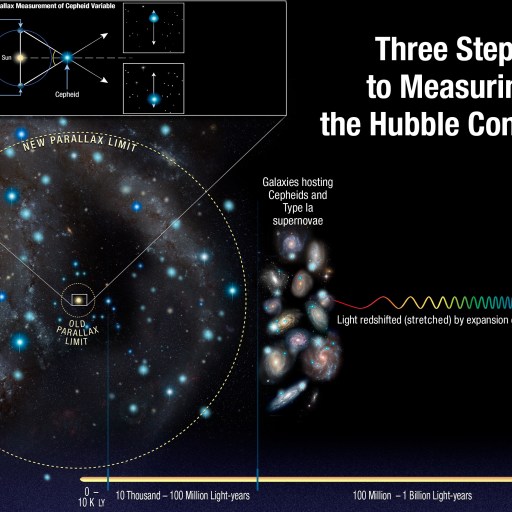
Is the Universe's expansion rate 67 km/s/Mpc, 73 km/s/Mpc, or somewhere in between? The Hubble tension is real and not so easy to resolve.