Search
Perception and Interpretation

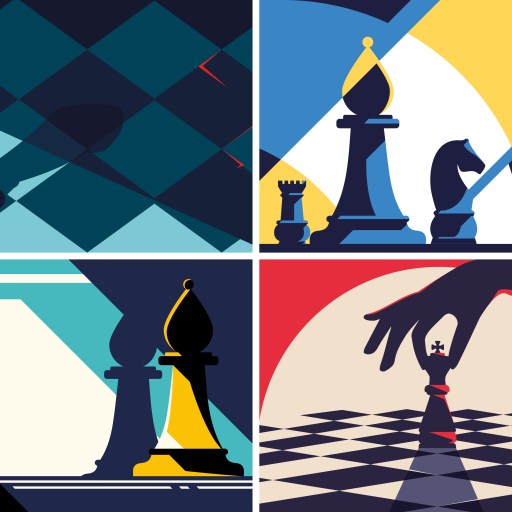
Grandmasters and drug dealers have one thing in common: They are many steps ahead of their rivals.
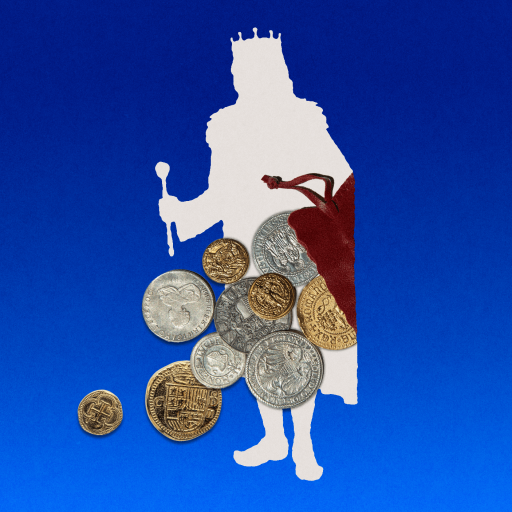
Follow the money and you'll follow history.

Do our thoughts have any meaning whatsoever?

Pessimissts are never disappointed, but are they also kinder?
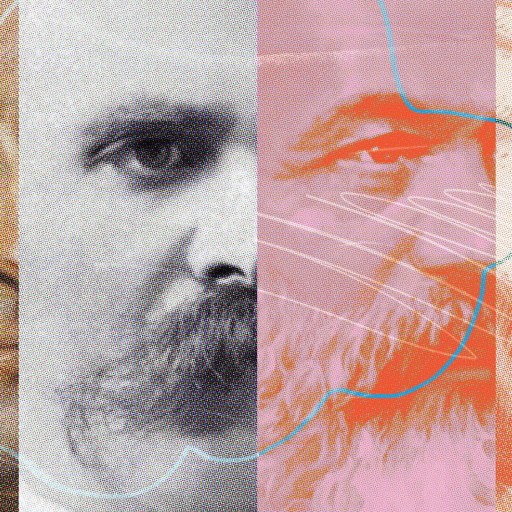
That Nietzsche quote might not mean what you think it does.
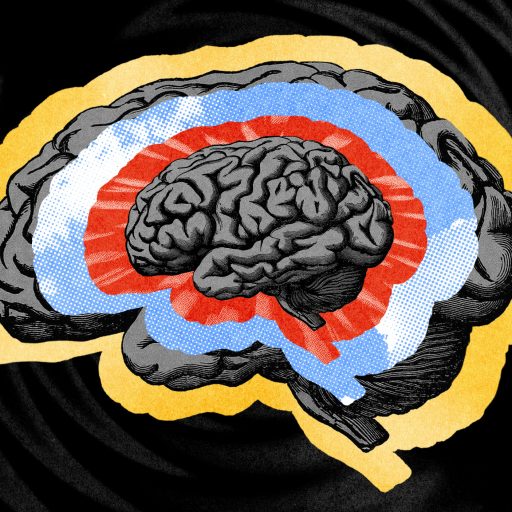
What can drugs teach us about consciousness?
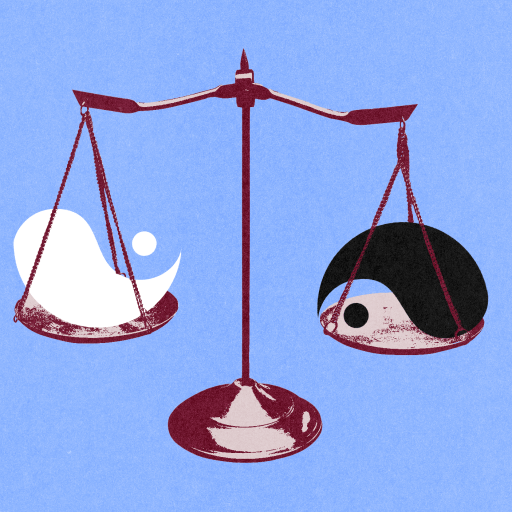
Harmony and moderation make for a happier life.

How much can you know about someone from a single belief?

Your BS detector might not be as accurate as you think.

When you enter someone's home, you learn how life is lived elsewhere.

"Lookism" is prevalent and harmful. So why do so few take it seriously?

Buddhism has rules for slaying your enemies. But the real surprise is finding out who your enemies actually are.

We need more science fiction-inspired thinking in how we approach AI research, argues AI expert Gary Marcus.

Big Think spoke with author and psychiatrist Elias Dakwar about addiction, rock bottom, and the moment you realize your compass is broken.
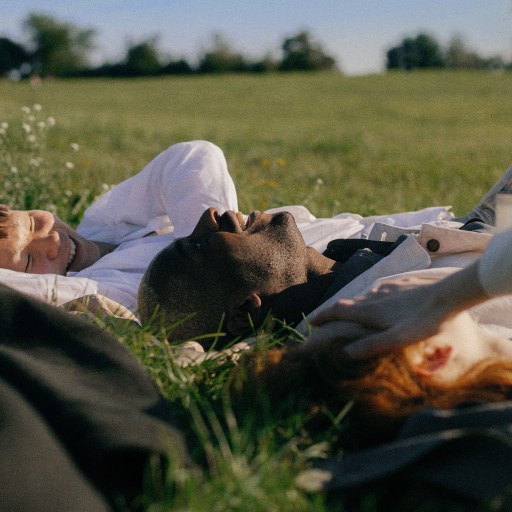
Be more like Goldilocks.
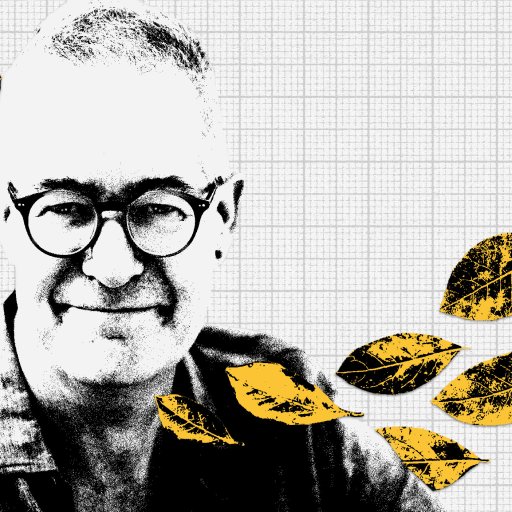
The more you know, the better you can act.
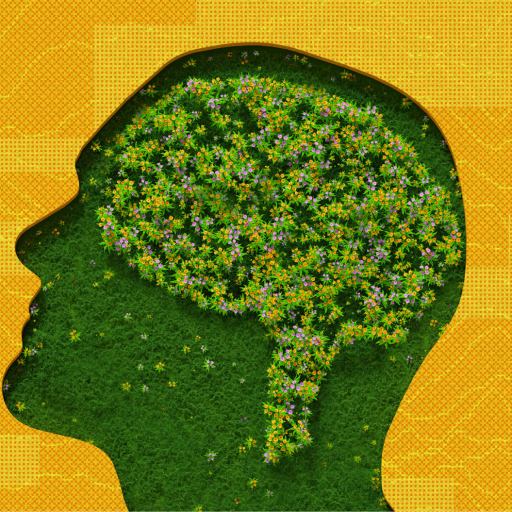
Could AI develop true intelligence without sentience? Philosopher Jonathan Birch explores the boundaries of artificial and evolved minds.
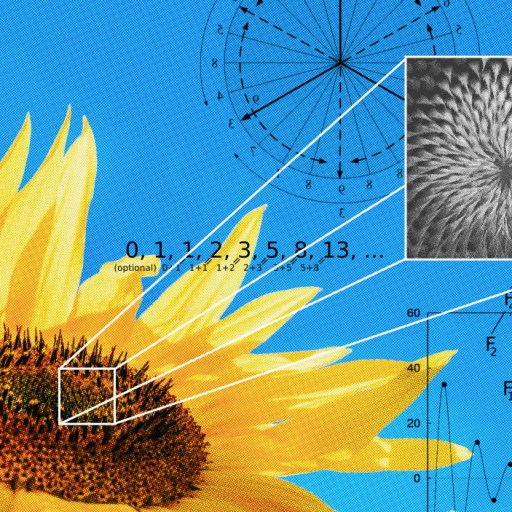
The artistic and the mathematical mind are not so far apart.

Do we really need to be religious to run a society well?