Search
Physics
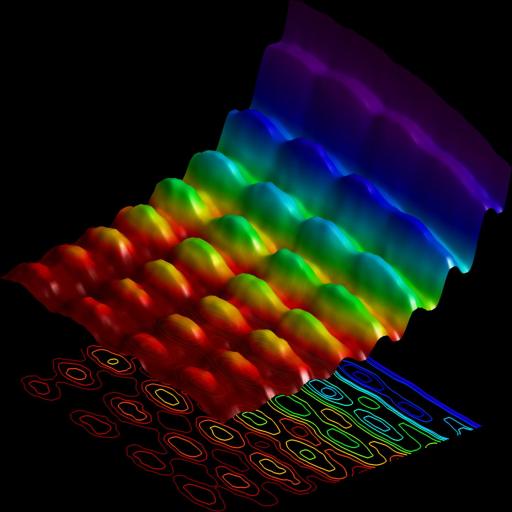
There could be variables beyond the ones we've identified and know how to measure. But they can't get rid of quantum weirdness.
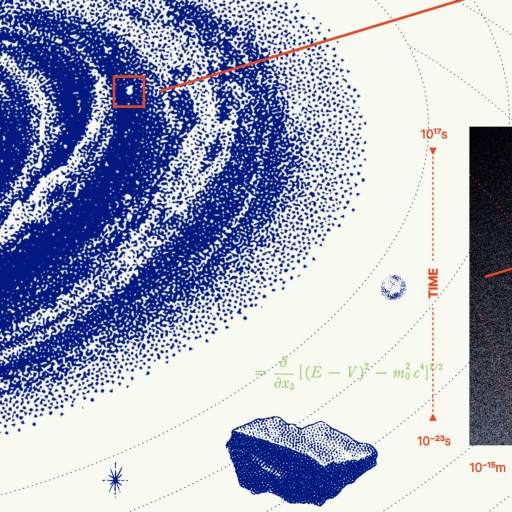
Science helps us imagine the vastness of space and time — and our small but meaningful place within it.
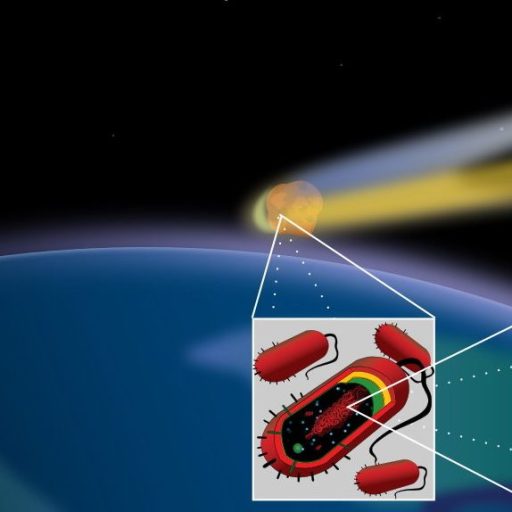
The Universe was born incredibly hot, and has expanded and cooled ever since. Could life have begun back when space was "room temperature?"

Just 13.8 billion years after the hot Big Bang, we can see 46.1 billion light-years away in all directions. Doesn't that violate...something?

Einstein is credited with saying, "If the facts don't fit the theory, change the facts." What he actually said has a very different meaning.
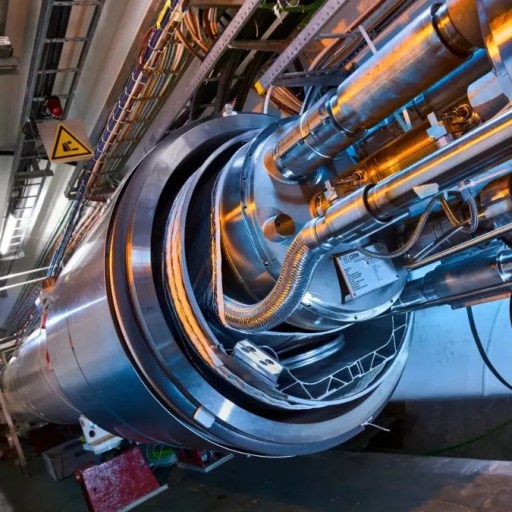
A next-generation collider is required for studying particle physics at the frontiers. Here's the fastest, cheapest way to get it done.
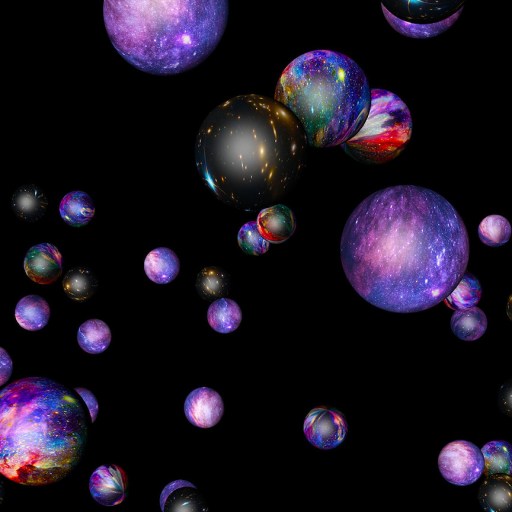
Parallel universes are among the most profound notions in all of quantum physics. It's a compelling and fascinating idea, but is it true?

Amplifying the energy within a laser, over and over, won't get you an infinite amount of energy. There's a fundamental limit due to physics.
The conversation you're having with an LLM about groundbreaking new ideas in theoretical physics is completely meritless. Here's why.
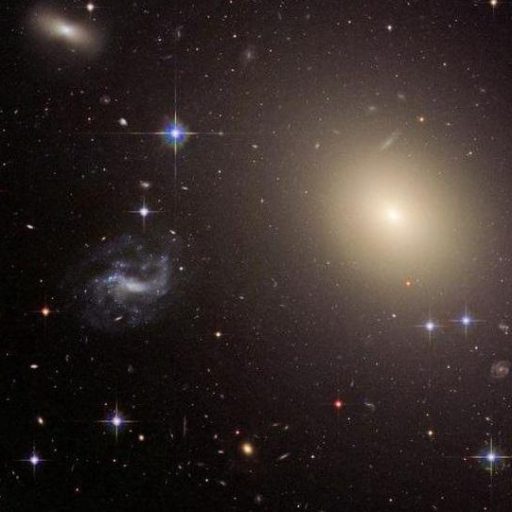
The Big Bang was hot, dense, uniform, and filled with matter and energy. Before that? There was nothing. Here's how that's possible.

Some books are remembered for their lyrical prose or engaging stories. Others are remembered for simply being weird.
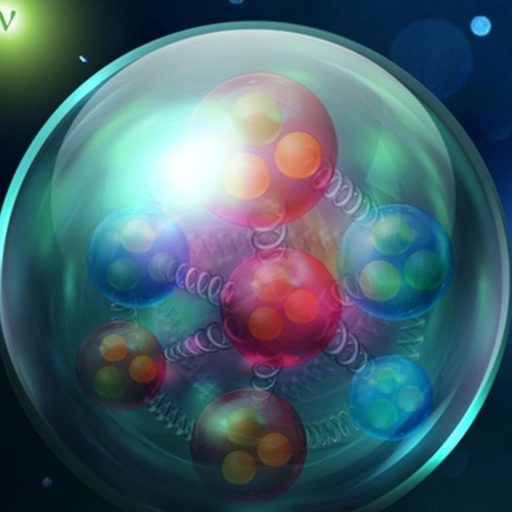
Realizing that matter and energy are quantized is important, but quantum particles aren't the full story; quantum fields are needed, too.

With the right material at the right temperature and a magnetic track, physics really does allow perpetual motion without energy loss.
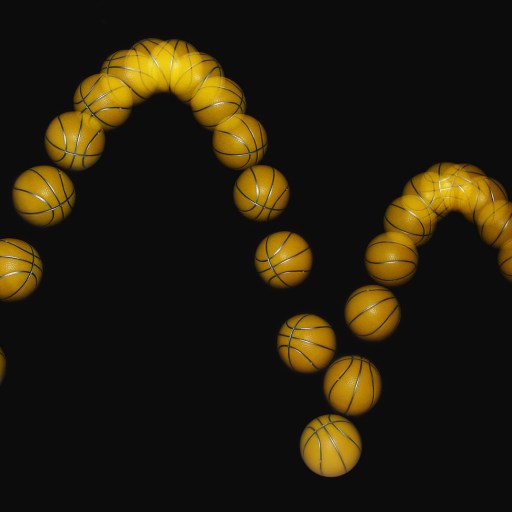
Whether you run the clock forward or backward, most of us expect the laws of physics to be the same. A 2012 experiment showed otherwise.
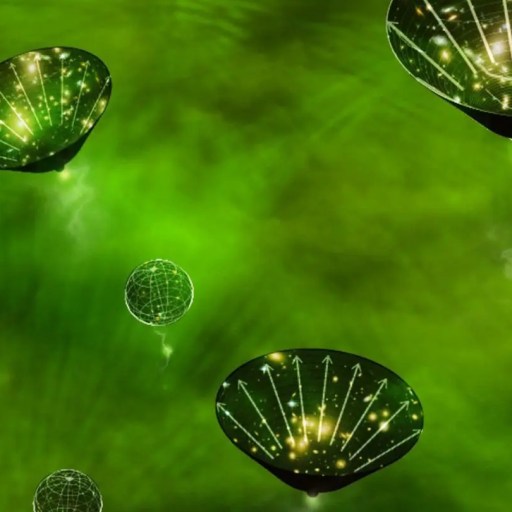
Once you cross a black hole's event horizon, there's no going back. But inside, could creating a singularity give birth to a new Universe?

From high school through the professional ranks, physicists still take incredible lessons away from Newton's second law.
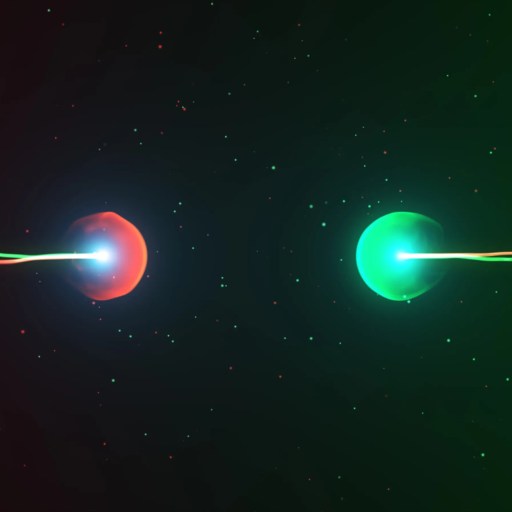
Will we build a successor collider to the LHC? Someday, we'll reach the true limit of what experiments can probe. But that won't be the end.
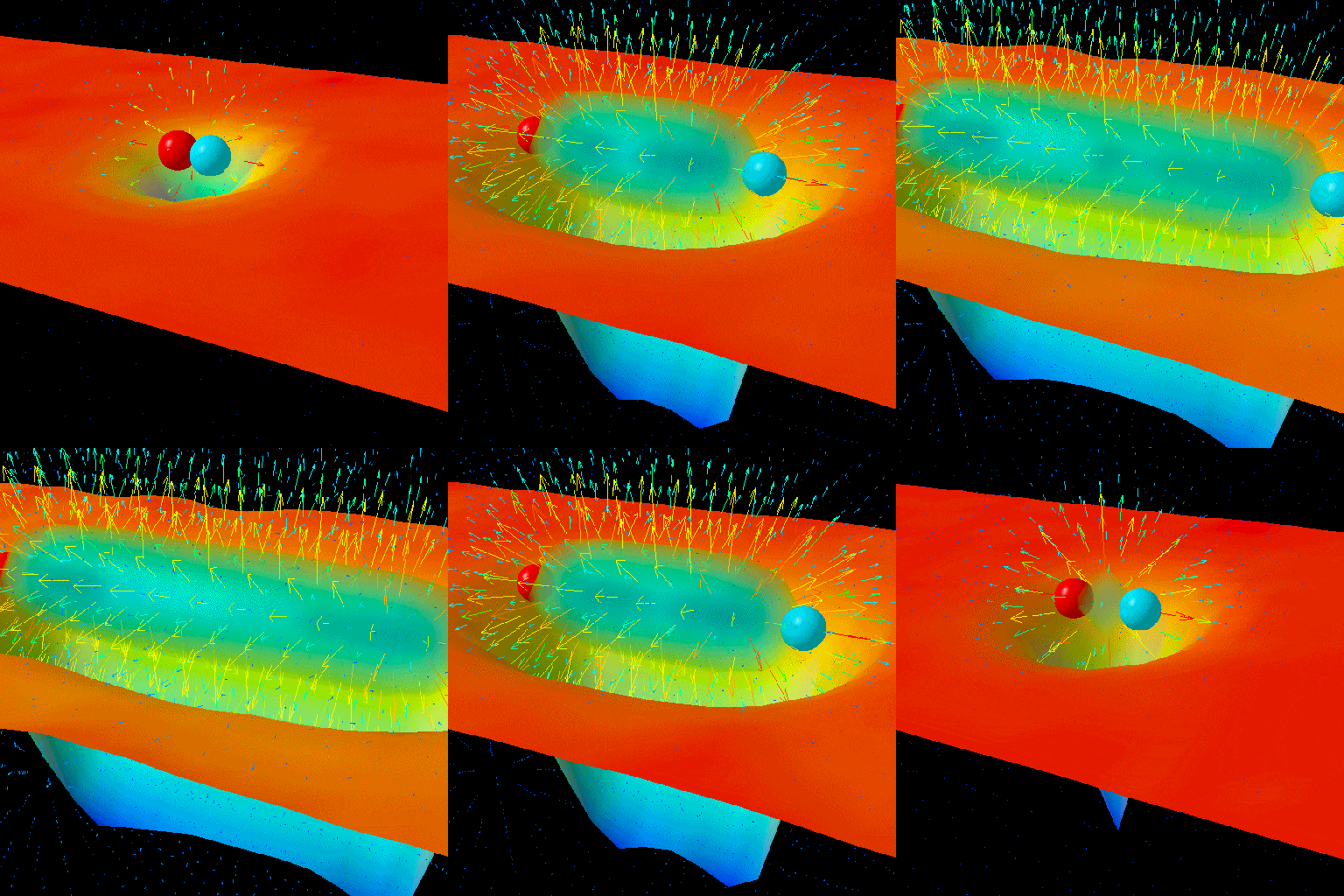
The measured value of the cosmological constant is 120 orders of magnitude smaller than what's predicted. How can this paradox be resolved?
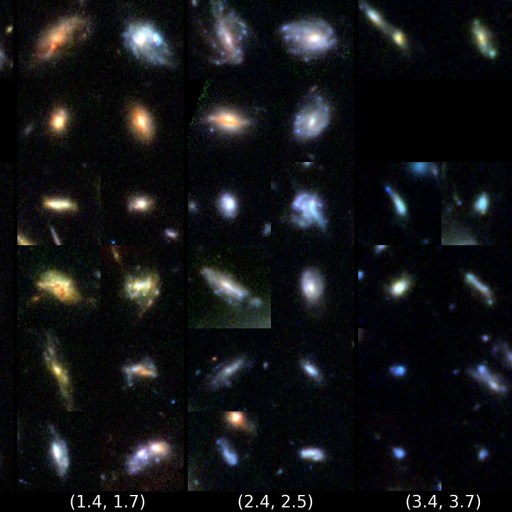
The CMB has long been considered the Big Bang's "smoking gun" evidence. But after what JWST saw, might it come from early galaxies instead?

19mins
"It's a very, very beautiful calculation, but it's the best example I know of the relationship between these rather abstract quantities perhaps and something that you can look at in a telescope."
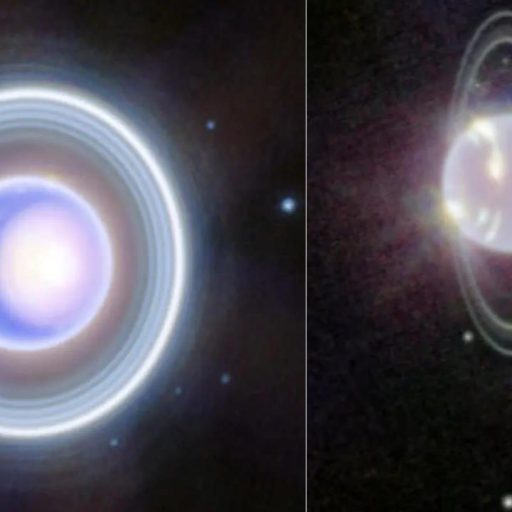
Once every 12 years, Earth, Jupiter, Uranus, and Neptune all line up, opening a window for a joint mission. Our next chance arrives in 2034.
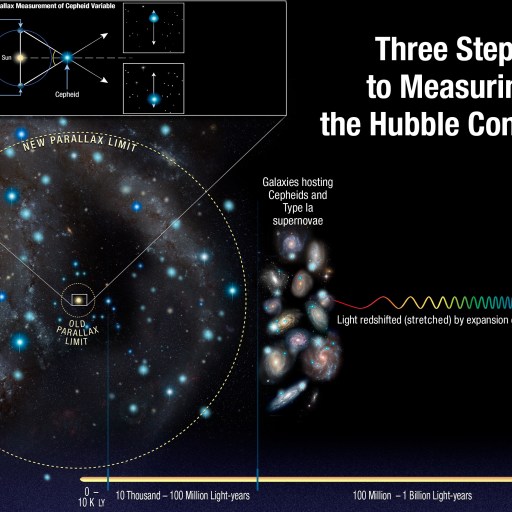
Is the Universe's expansion rate 67 km/s/Mpc, 73 km/s/Mpc, or somewhere in between? The Hubble tension is real and not so easy to resolve.
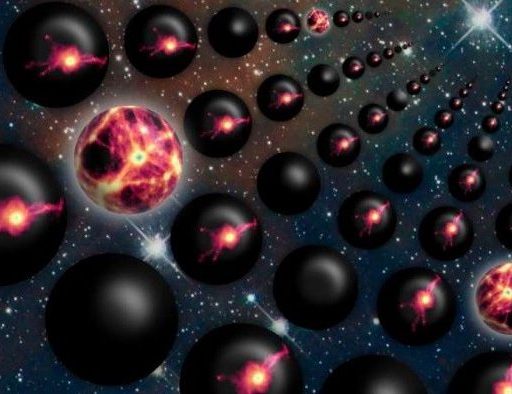
The ANITA experiment found cosmic rays shooting out of Antarctica. One interpretation claims "parallel Universes," but is that right?
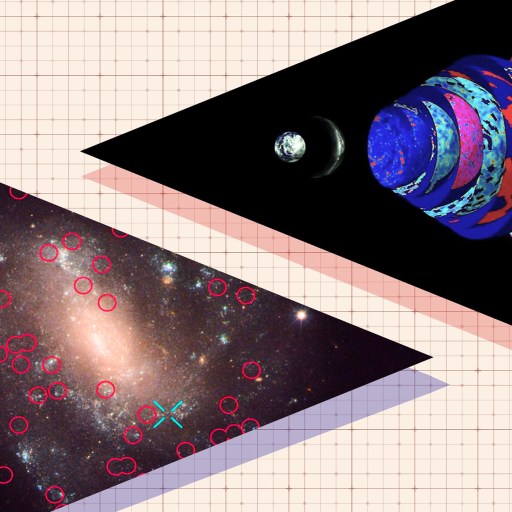
Different methods of measuring the Universe's expansion rate yield high-precision, incompatible answers. But is the problem robustly real?
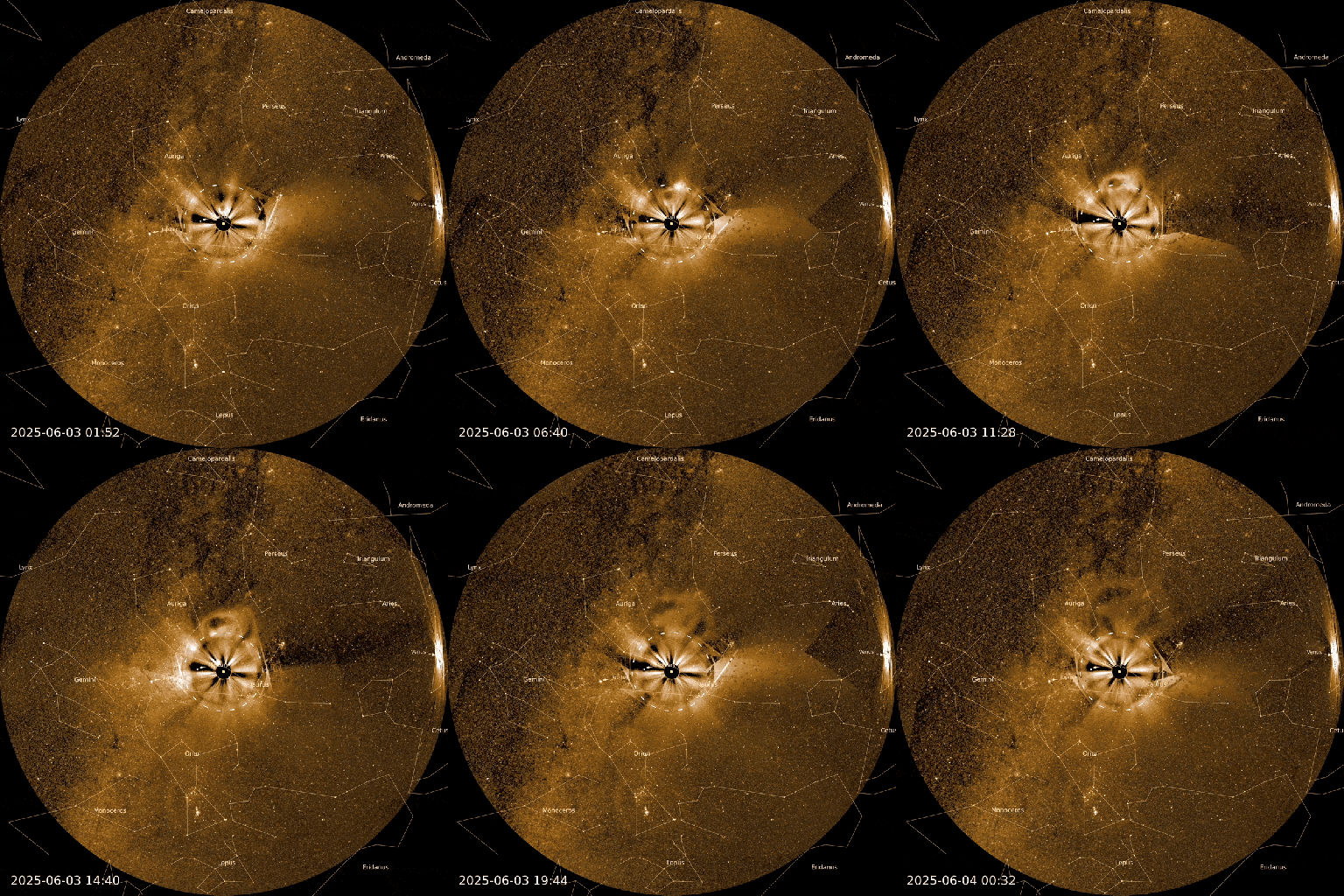
Launched in March, the PUNCH mission has viewed two incredible coronal mass ejections, tracking them farther from the Sun than ever before.
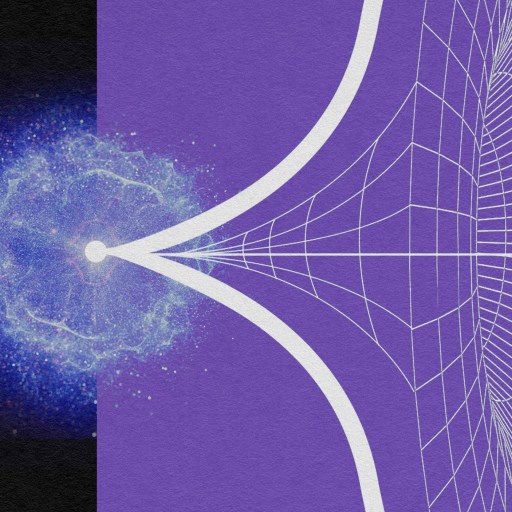
A few physical quantities, in all laboratory experiments, are always conserved: including energy. But for the entire Universe? Not so much.
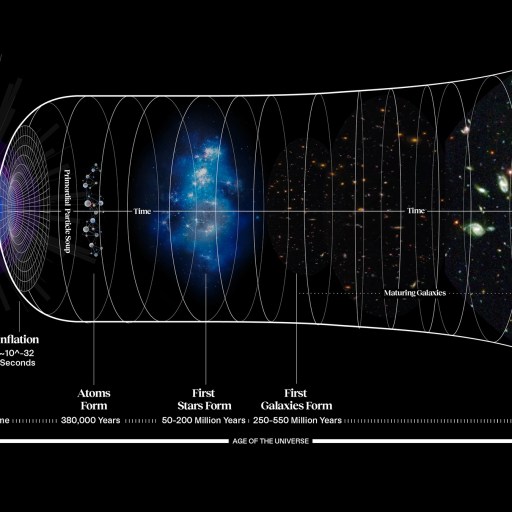
If you want to understand the Universe, cosmologically, you just can't do it without the Friedmann equation. With it, the cosmos is yours.