Search
Planetary Science
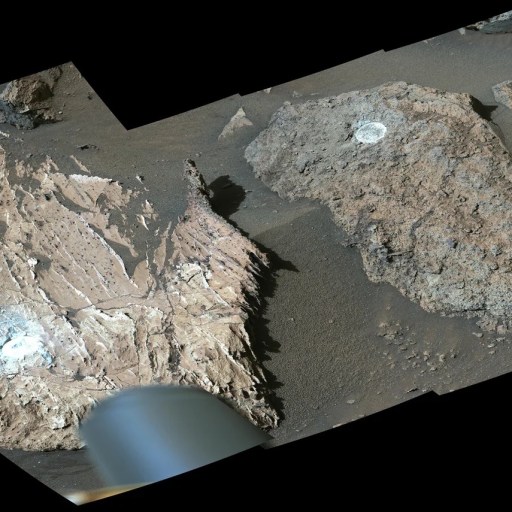
The red planet, Mars, may once have been teeming with life, just as Earth is today. Finding "organics" on Mars, however, doesn't mean life.
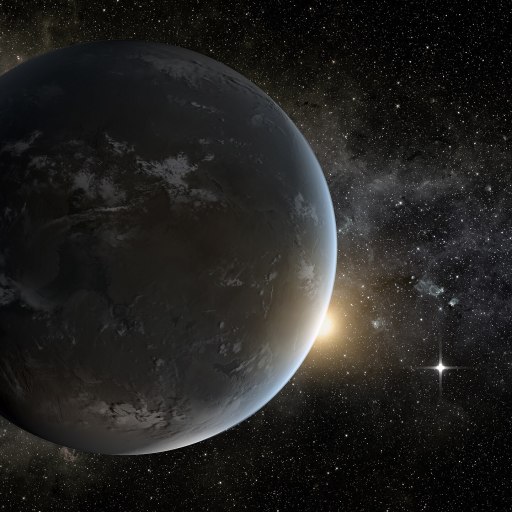
The most common type of exoplanet is neither Earth-sized nor Neptune-sized, but in between. Could these haze-rich worlds house alien life?
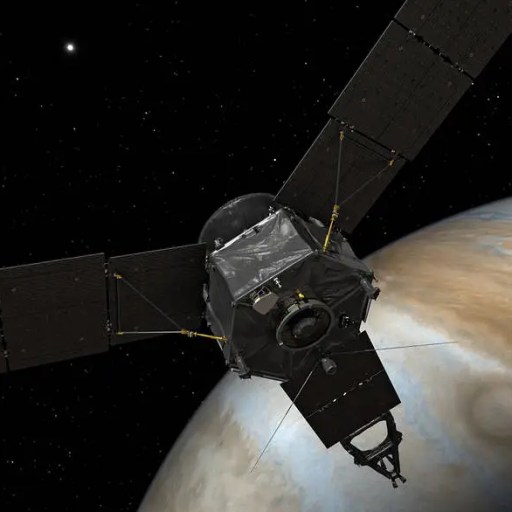
The Juno spacecraft, orbiting and imaging Jupiter since 2016, is still succeeding. Without a further extension, the mission now faces death.
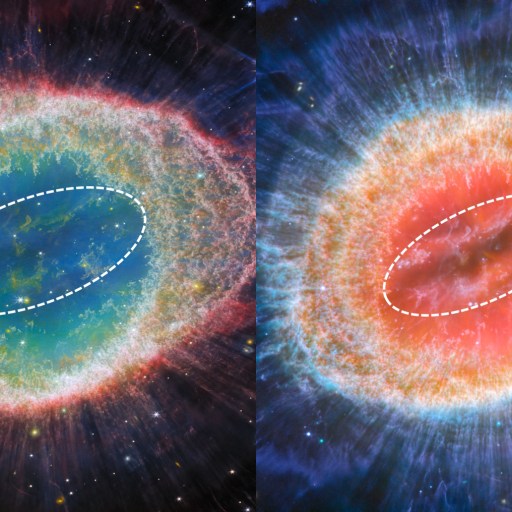
Our nearby Ring Nebula, with JWST's eyes, shows evidence for planet formation. Will the Sun eventually destroy, and then replace, the Earth?