Search
Presence
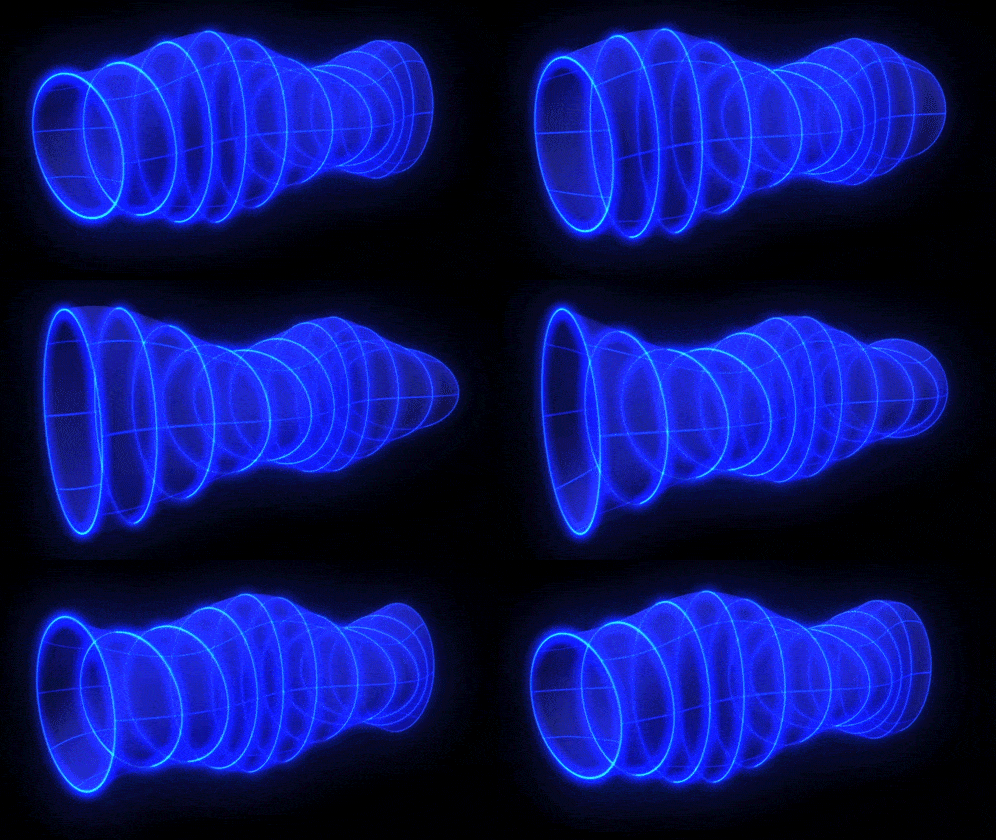
We've now detected hundreds of gravitational waves with LIGO, Virgo, and KAGRA. What if we tried Weber's original method in the modern day?
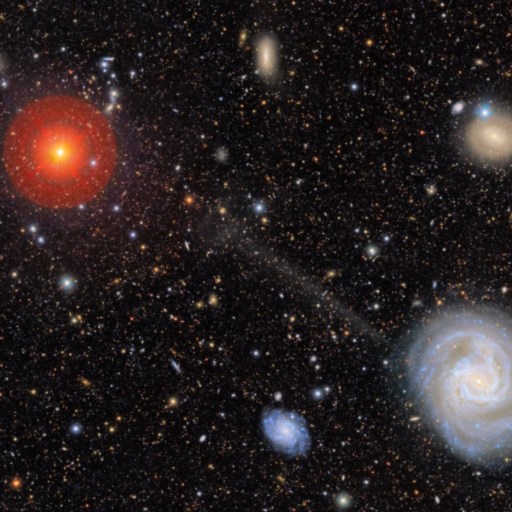
Stellar streams are faint trails of stars that appear to "stream" out of galaxies. A new one, escaping galaxy M61, may point to many others.

In this excerpt from "Lucky By Design," Judd Kessler explains how opportunity costs shape our choices and why time is the real price we pay.
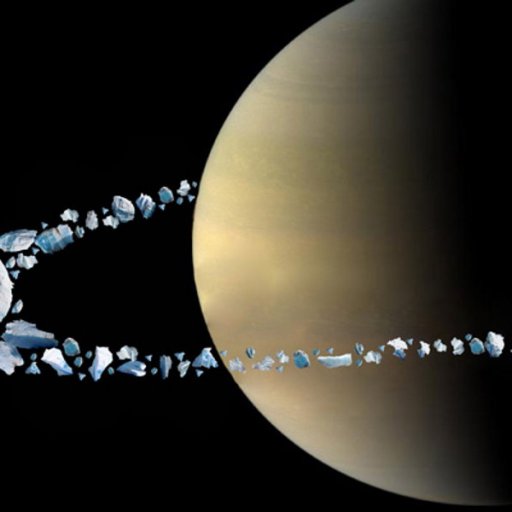
Since the time of Galileo, Saturn's rings have remained an unexplained mystery. A new idea may have finally solved the longstanding puzzle.
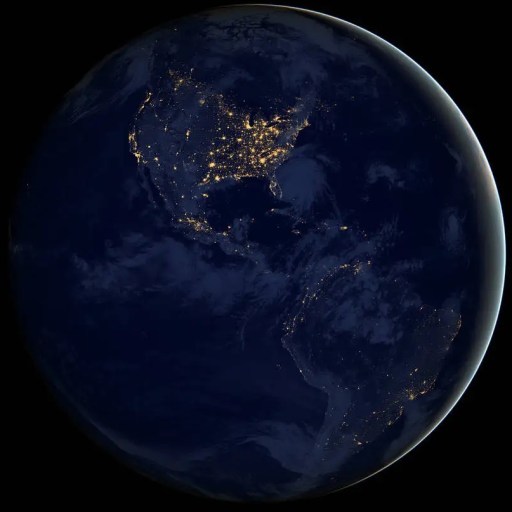
In 2025, Earth remains the only planet where life is known to exist. Without a second example, "The Stand" has a vital lesson to teach us.
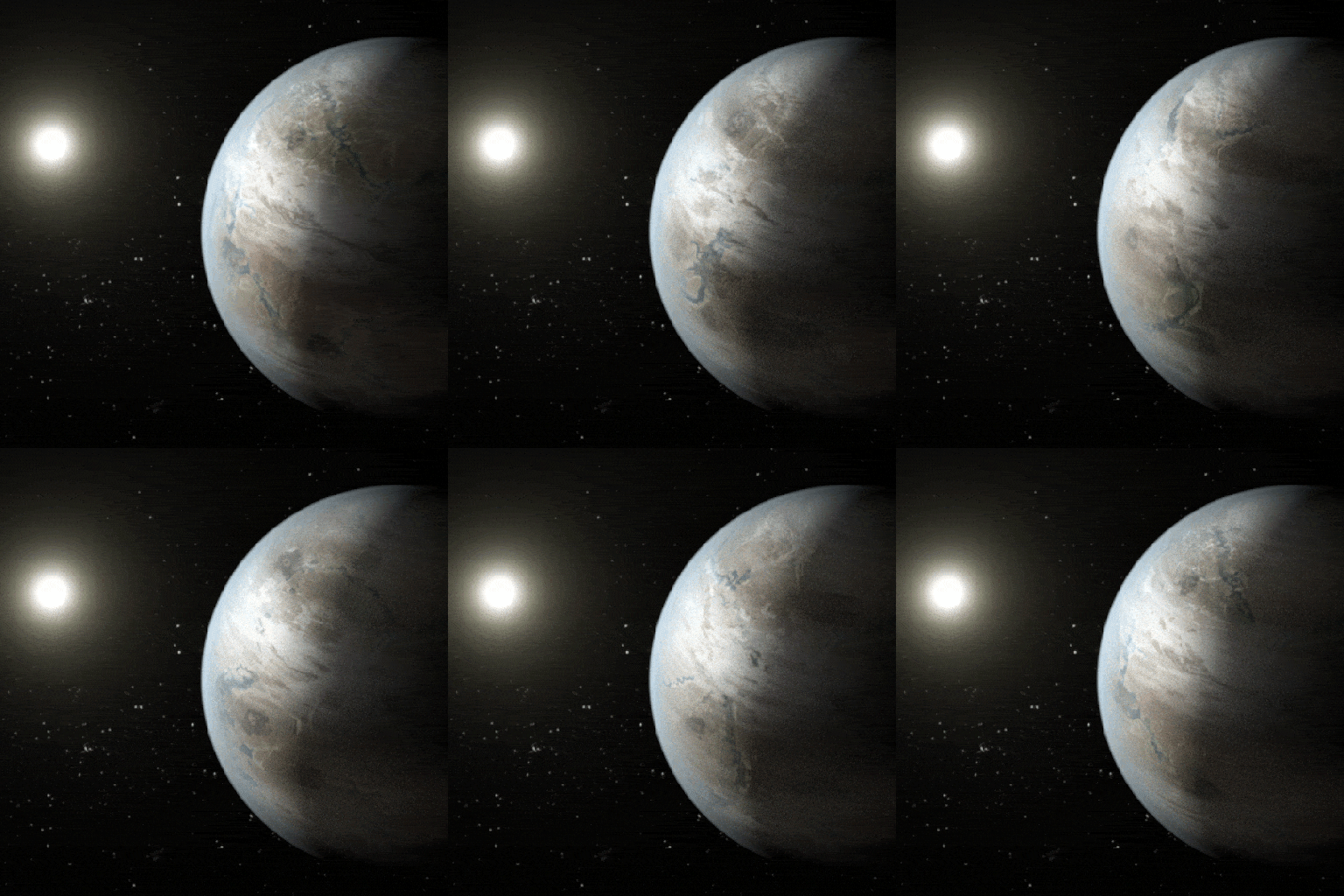
From here on Earth, looking farther away in space means looking farther back in time. So what are distant Earth-watchers seeing right now?

Members
Effective leaders demonstrate self-awareness, credibility, and integrity, which not only enhance their persuasive abilities and business growth but also significantly influence the trust others place in them, as noted by economist Sylvia Ann Hewlett.
Members
This class, featuring insights from experts like Amy Cuddy and Sylvia Ann Hewlett, explores the concept of presence in communication and leadership, offering strategies to enhance executive presence, build confidence, and effectively manage performance anxiety for professional success.
Members
This class, led by experts like Lisa Lampanelli and Amy Cuddy, teaches essential communication skills for authentic audience connection, focusing on storytelling, self-awareness, and adapting to diverse perspectives in today's multicultural workplace.
All of the matter that we measure today originated in the hot Big Bang. But even before that, and far into the future, it'll never be empty.
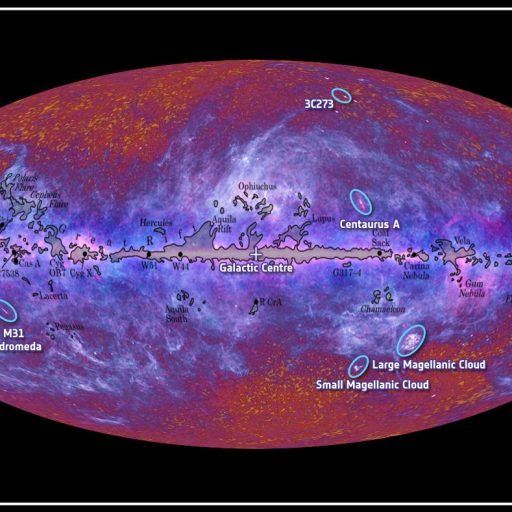
The hot Big Bang is often touted as the beginning of the Universe. But there's one piece of evidence we can't ignore that shows otherwise.

In this excerpt from "When Everyone Knows That Everyone Knows...," Steven Pinker examines how crying may have evolved as part of a suite of emotional expressions aimed at strengthening social bonds.
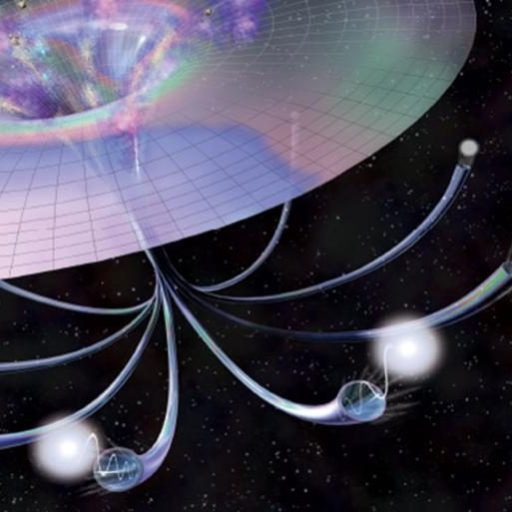
As we gain new knowledge, our scientific picture of how the Universe works must evolve. This is a feature of the Big Bang, not a bug.
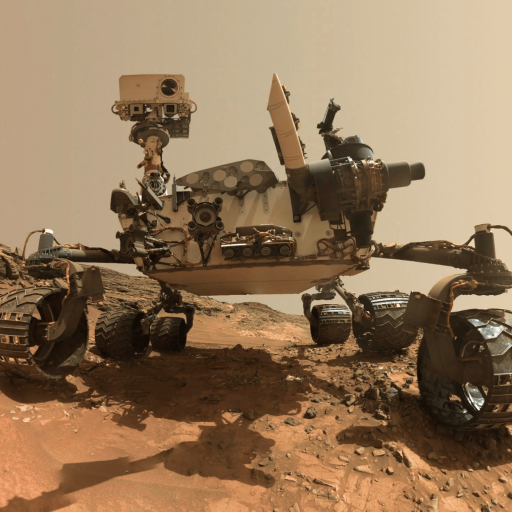
Organic compounds can form through simple chemistry alone — making the search for true biosignatures trickier than it seems.

10 years ago, LIGO first began directly detecting gravitational waves. Now better than ever, it's revealing previously unreachable features.
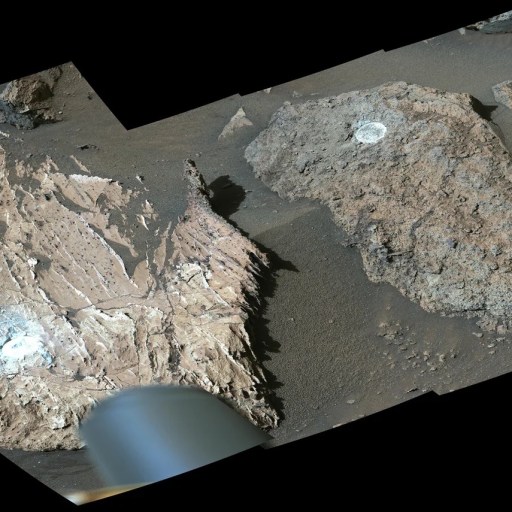
The red planet, Mars, may once have been teeming with life, just as Earth is today. Finding "organics" on Mars, however, doesn't mean life.
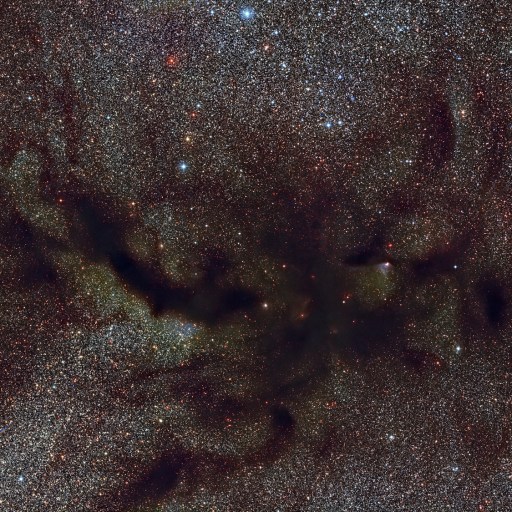
Dust is ubiquitous in the modern Universe, appearing in nearly all galaxies. But our cosmos was born dust-free. So where does it originate?
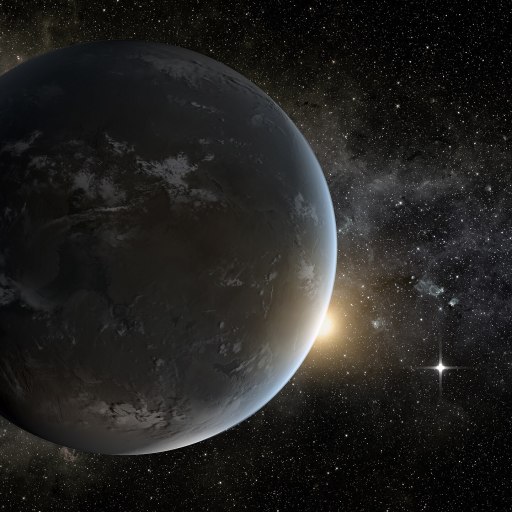
The most common type of exoplanet is neither Earth-sized nor Neptune-sized, but in between. Could these haze-rich worlds house alien life?
In this excerpt from "Facing Infinity," Jonas Enander examines how John Michell conceived of "dark stars," or massive bodies with enough gravity to trap light, all the way back in 1783.
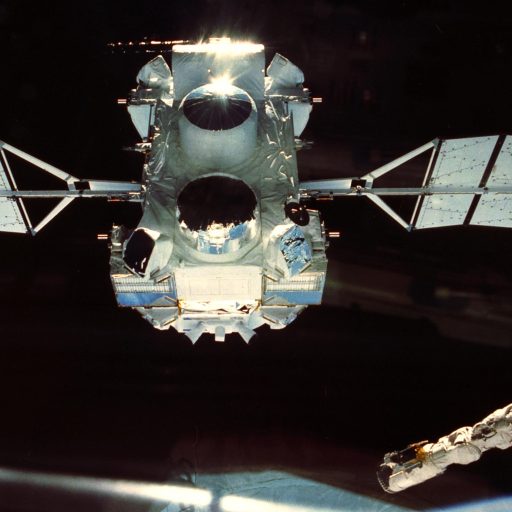
Across all wavelengths of light, the Sun is brighter than the Moon. Until we went to the highest energies and saw a gamma-ray surprise.

In "That Book Is Dangerous," author Adam Szetela examines the rise of the “Sensitivity Era” in publishing and how outrage campaigns try to control what books authors can write and readers can read.

In this excerpt from "The Story of CO2," Peter Brennan explains how changes in the Earth's ecosystem led to fire, which in turn led our ancestors to become the "fire apes."
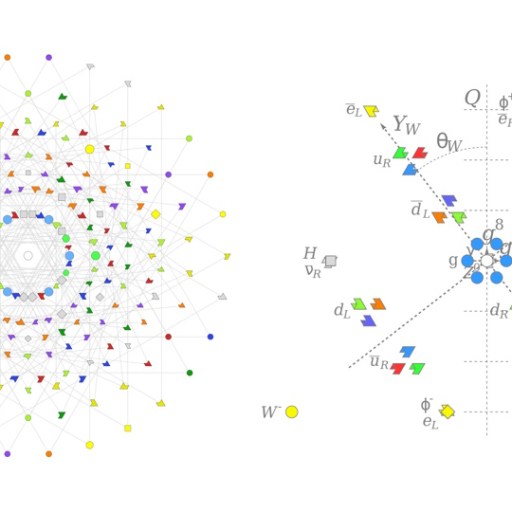
When you don't have enough clues to bring your detective story to a close, you should expect that your educated guesses will all be wrong.
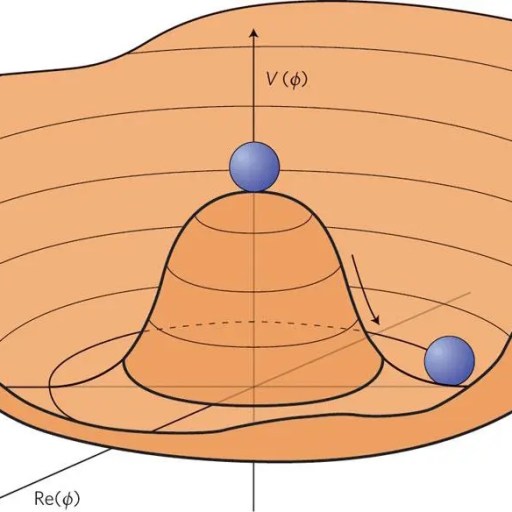
Throughout history, "free energy" has been a scammer's game, such as perpetual motion. But with zero-point energy, is it actually possible?
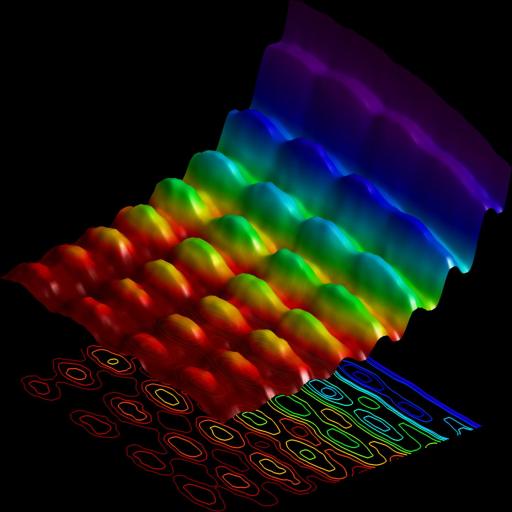
There could be variables beyond the ones we've identified and know how to measure. But they can't get rid of quantum weirdness.

After the trauma of a high-risk medical procedure, Eric Markowitz discovered a kind of consciousness that lives not in thought — but in presence.
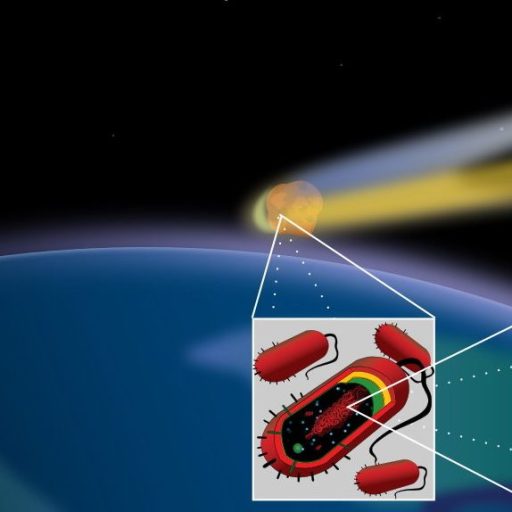
The Universe was born incredibly hot, and has expanded and cooled ever since. Could life have begun back when space was "room temperature?"
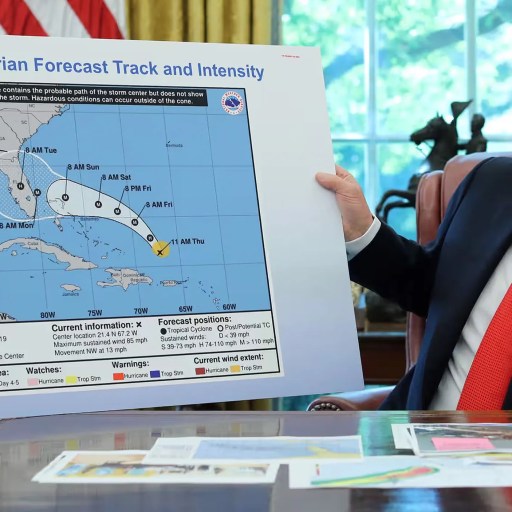
Einstein is credited with saying, "If the facts don't fit the theory, change the facts." What he actually said has a very different meaning.
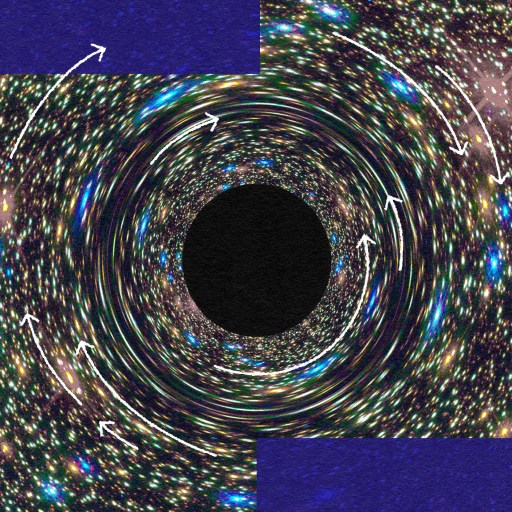
At the center of Hubble's famous "cosmic horseshoe," a very heavy supermassive black hole has been robustly measured. How is it possible?
In the search for life in the Universe, the ultimate goal is to find an inhabited planet beyond Earth. How will we know when we've made it?