Search
Presence
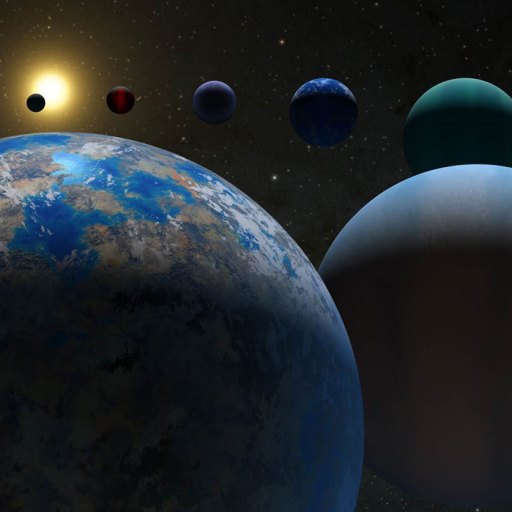
Somewhere, at some point in the history of our Universe, life arose. We're evidence of that here on Earth, but many big puzzles remain.
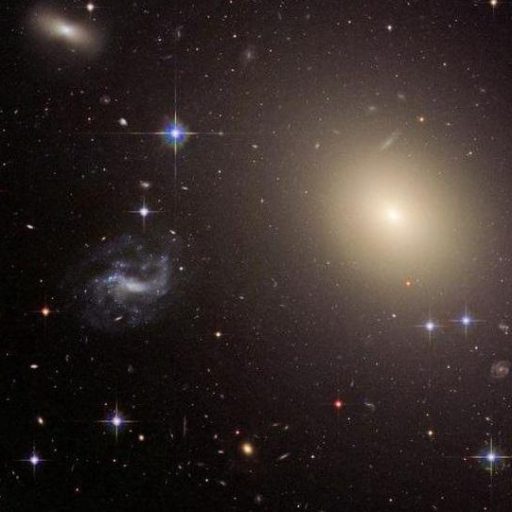
The Big Bang was hot, dense, uniform, and filled with matter and energy. Before that? There was nothing. Here's how that's possible.
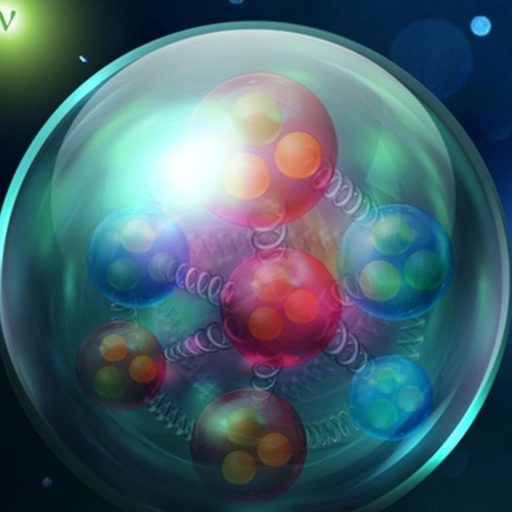
Realizing that matter and energy are quantized is important, but quantum particles aren't the full story; quantum fields are needed, too.
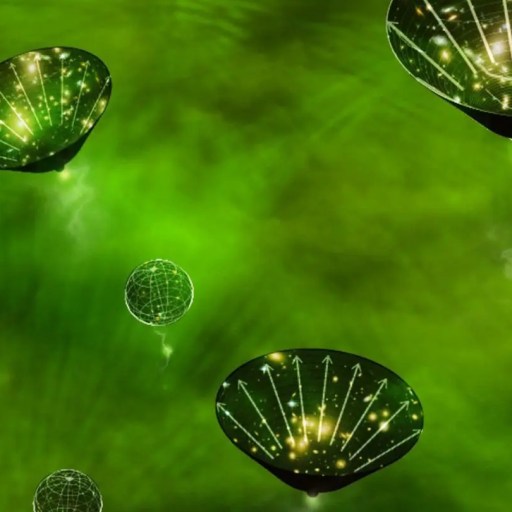
Once you cross a black hole's event horizon, there's no going back. But inside, could creating a singularity give birth to a new Universe?

From high school through the professional ranks, physicists still take incredible lessons away from Newton's second law.
By inviting players to tackle real scientific problems, games can offer a hand in solving medicine’s toughest challenges.
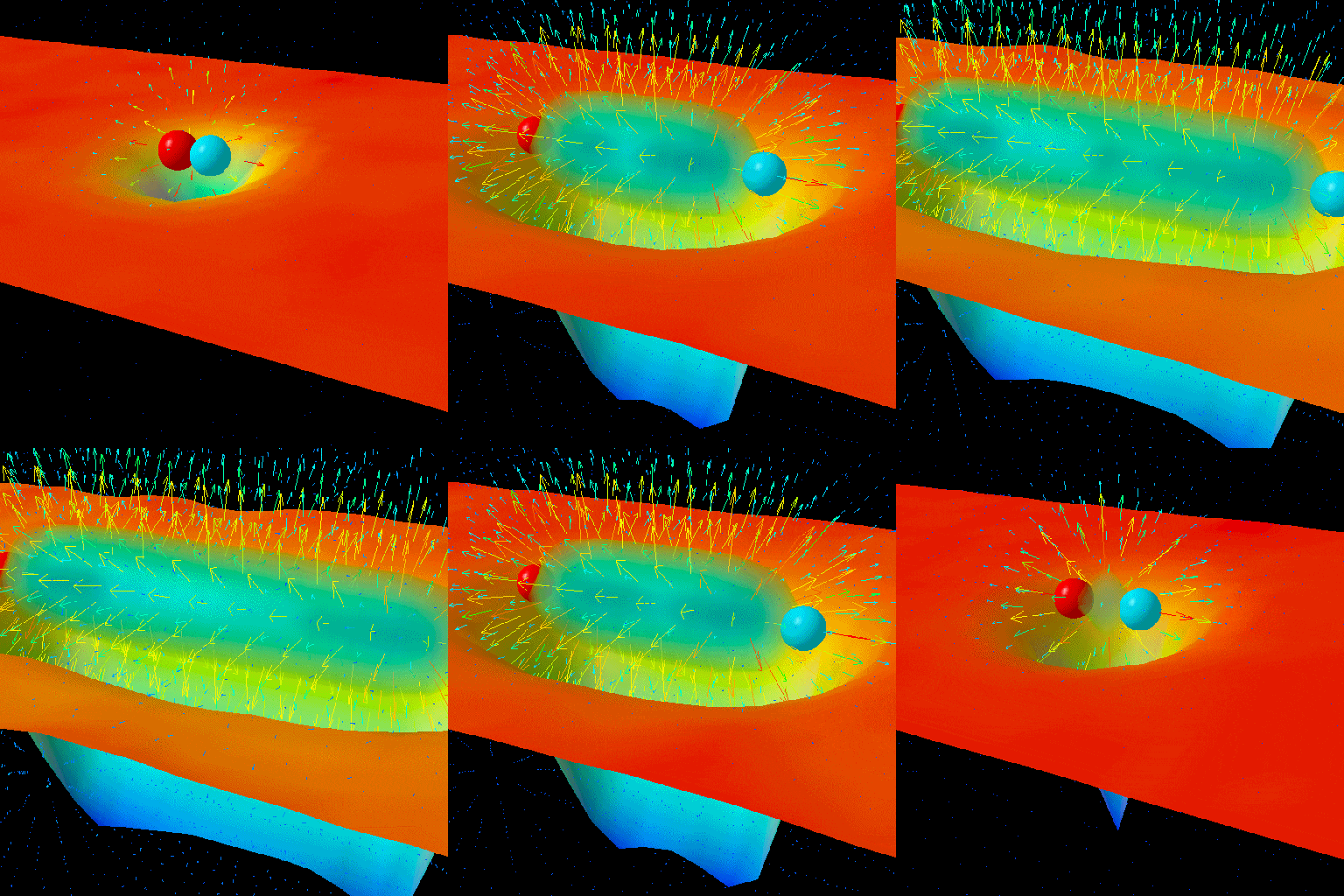
The measured value of the cosmological constant is 120 orders of magnitude smaller than what's predicted. How can this paradox be resolved?
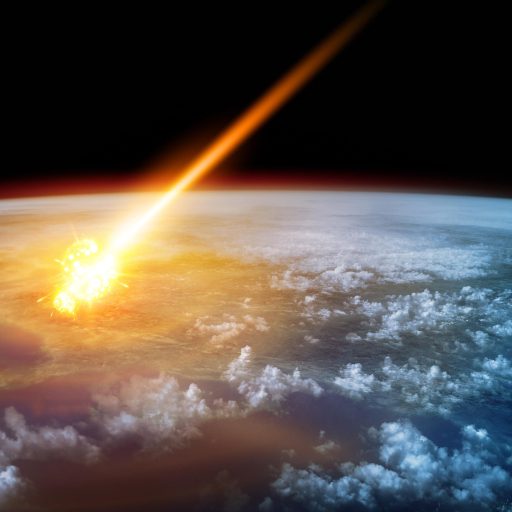
65 million years ago, a massive asteroid struck Earth. Not only did Jupiter not stop it, but it most likely caused the impact itself.

Most of us think we're good listeners, but we're wrong — and it's ruining our relationships.
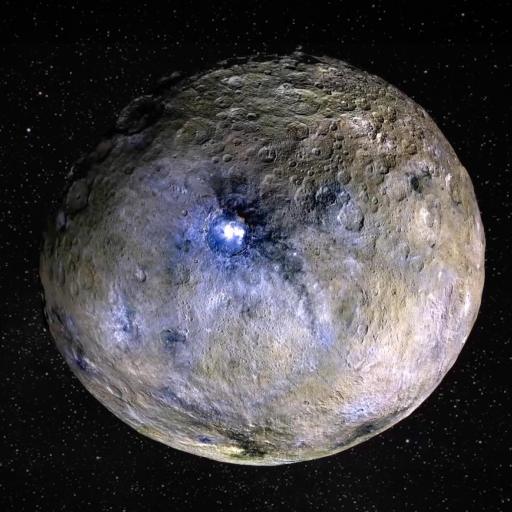
As the closest icy ocean world to
Earth, Ceres may be a promising candidate in the search for signs of ancient life.

As Beijing encroaches on the territory of the Himalayan kingdom, its ultimate aim is leverage over India.
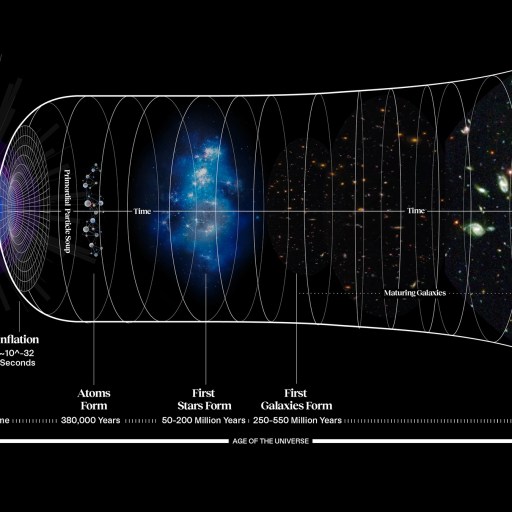
If you want to understand the Universe, cosmologically, you just can't do it without the Friedmann equation. With it, the cosmos is yours.