Search
Quantum Mechanics

Nearly 100 years after being theorized, the strange behavior of the neutrino still mystifies us. They could be even stranger than we know.
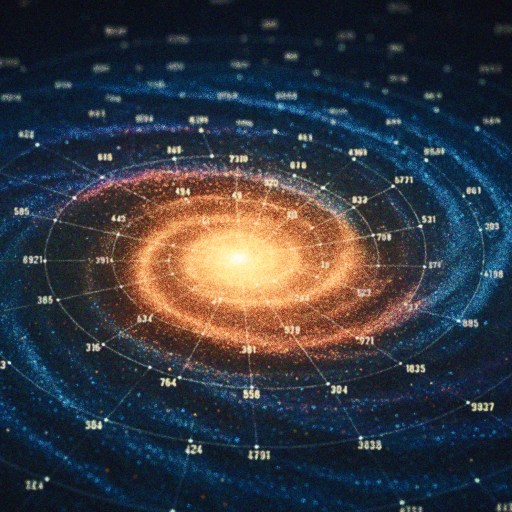
9mins
“The universe clicks along in perfect accord with the laws of physics forever.”
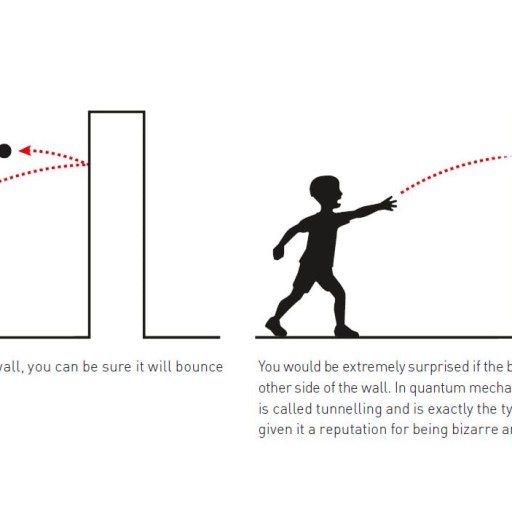
Quantum mechanics was first discovered on small, microscopic scales. 2025's Nobel Prize brings the quantum and large-scale worlds together.
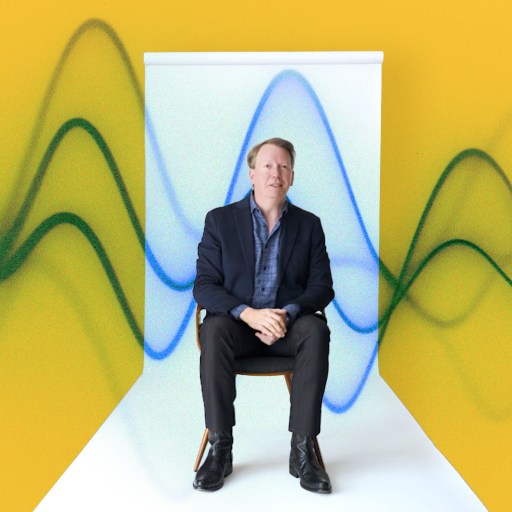
1hr 26mins
“I like to say that physics is hard because physics is easy, by which I mean we actually think about physics as students.”
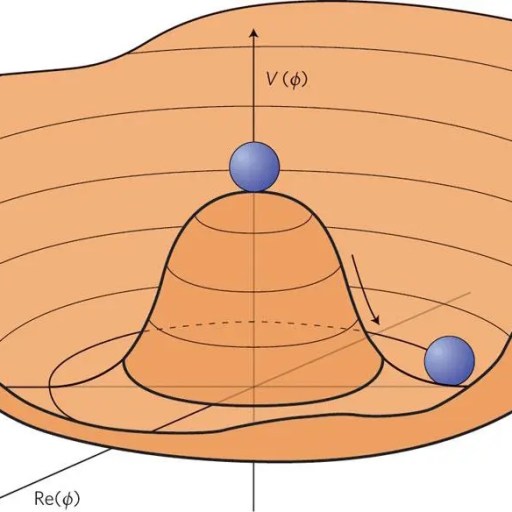
Throughout history, "free energy" has been a scammer's game, such as perpetual motion. But with zero-point energy, is it actually possible?
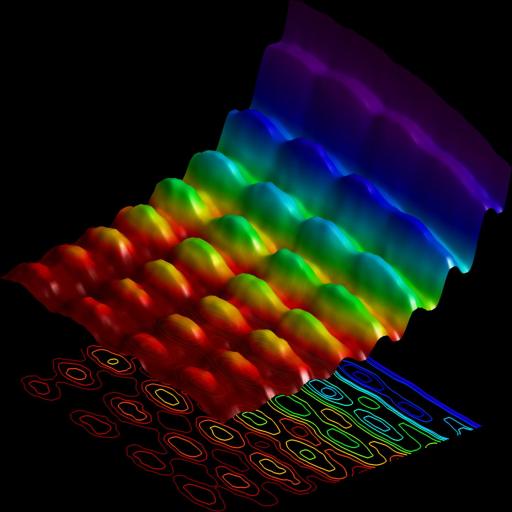
There could be variables beyond the ones we've identified and know how to measure. But they can't get rid of quantum weirdness.

Amplifying the energy within a laser, over and over, won't get you an infinite amount of energy. There's a fundamental limit due to physics.
1hr 8mins
“An equation, perhaps no more than one inch long, that would allow us to, quote, 'Read the mind of God.'”
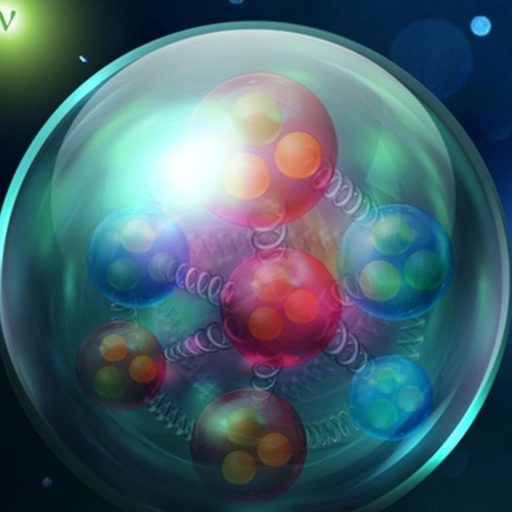
Realizing that matter and energy are quantized is important, but quantum particles aren't the full story; quantum fields are needed, too.
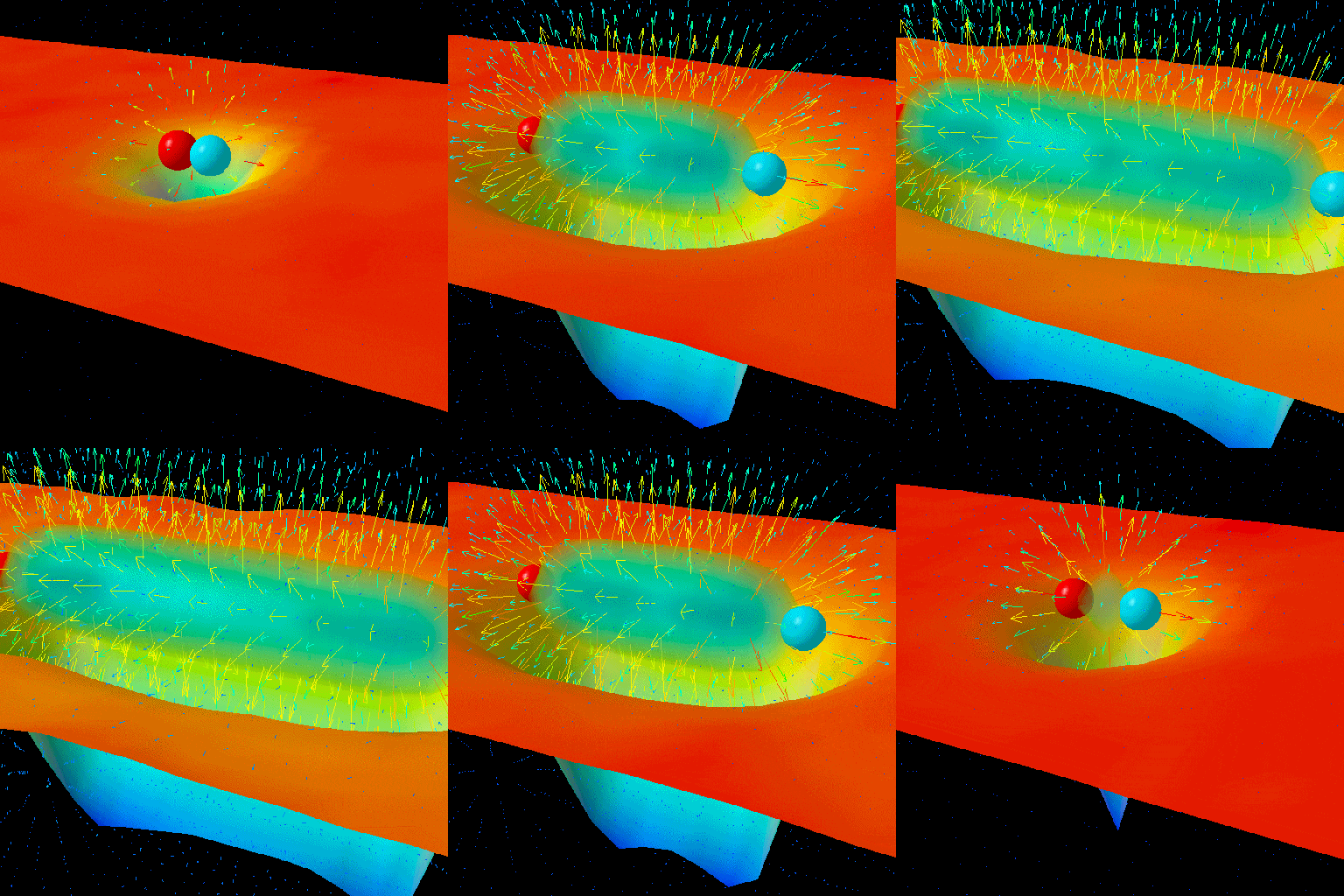
The measured value of the cosmological constant is 120 orders of magnitude smaller than what's predicted. How can this paradox be resolved?
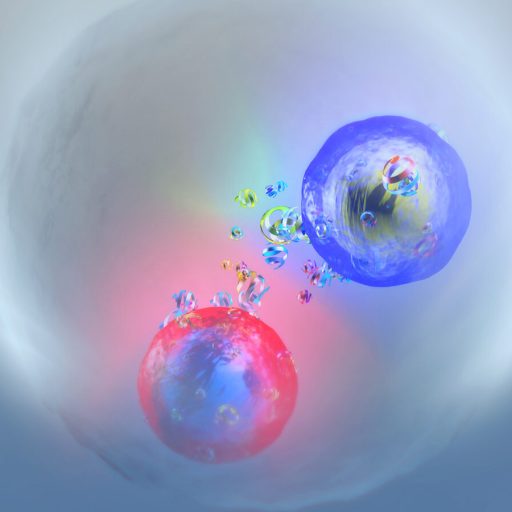
Can the top quark, the shortest-lived particle of all, bind with anything else? Yes it can! New results at the LHC demonstrate toponium exists.

19mins
"It's a very, very beautiful calculation, but it's the best example I know of the relationship between these rather abstract quantities perhaps and something that you can look at in a telescope."