Search
Star Formation
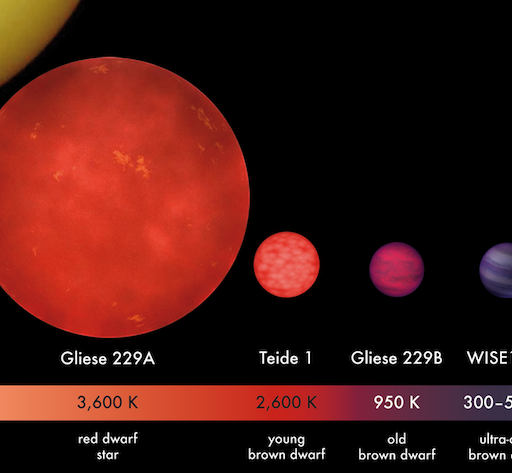
Red dwarfs are the Universe's most common star type. Their flaring now makes potentially Earth-like worlds uninhabitable, but just you wait.
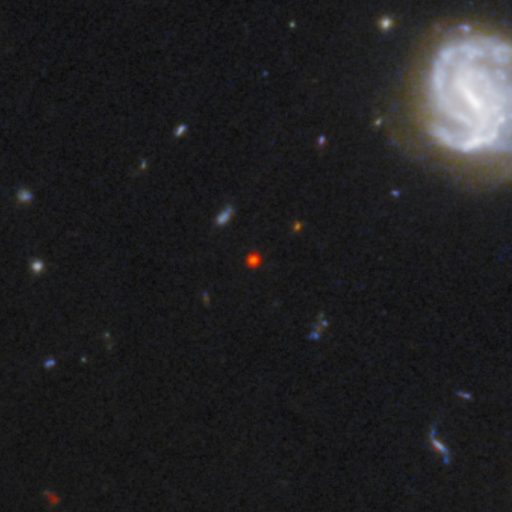
Found by Hubble before JWST's launch, GNz7q looked like a mix of a galaxy and a quasar. Was it actually our first known "little red dot"?
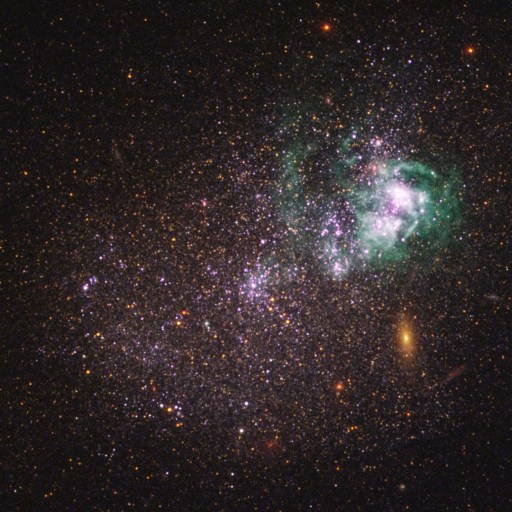
Our Sun only arose after 9.2 billion years of cosmic history: with many stars living and dying first. How many prior generations were there?
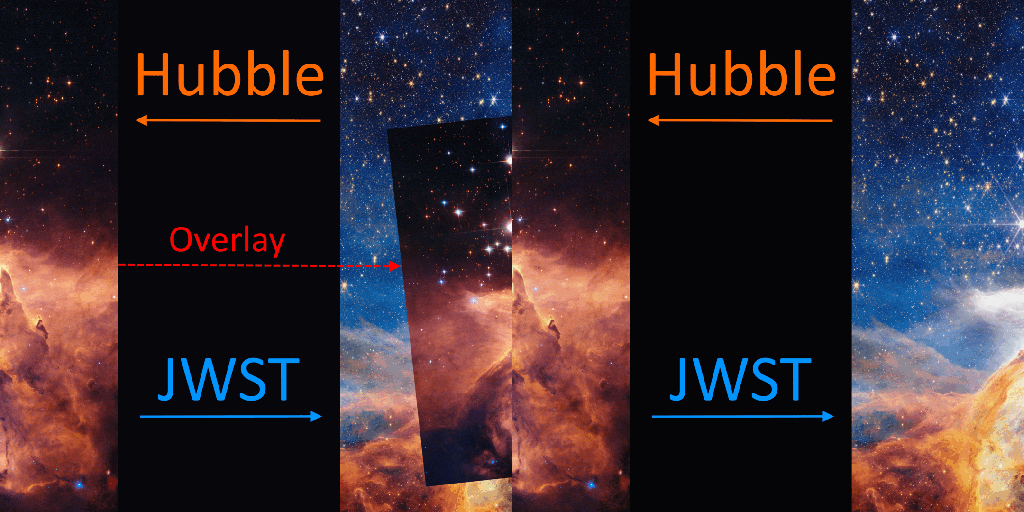
JWST isn't the first telescope to peer into this factory of star-birth some 5500 light-years away, but its views are the most educational.
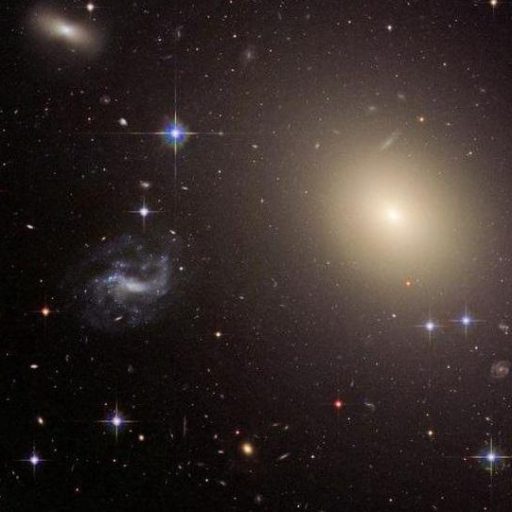
The Big Bang was hot, dense, uniform, and filled with matter and energy. Before that? There was nothing. Here's how that's possible.
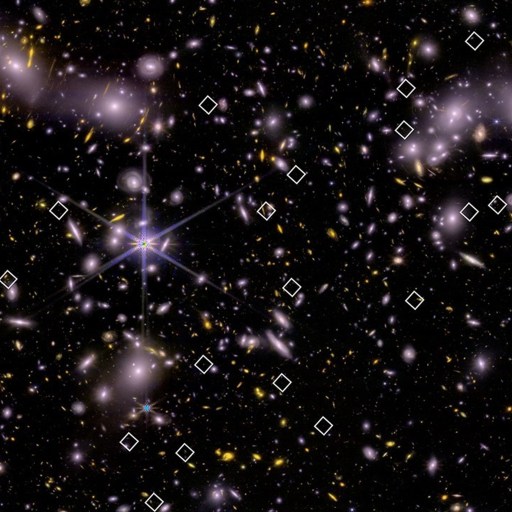
For hundreds of millions of years, a cosmic fog blocked all signs of starlight. At last, JWST found the galaxies that cleared that fog away.
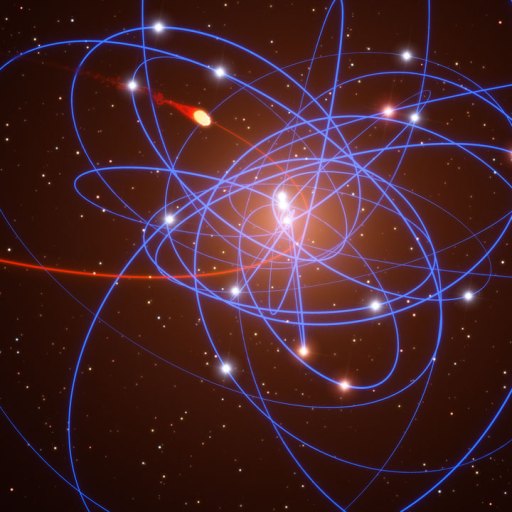
The tiniest galaxies of all are the most severely dominated by dark matter. Could black holes be the cause of the extra gravity instead?