Telescopes

Telescopes

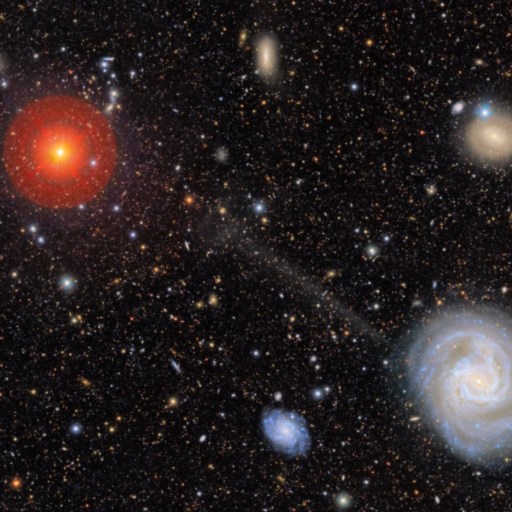
A field of galaxies in deep space, featuring a bright spiral galaxy at the lower right with a stellar stream escaping the galaxy, and a large, bright red star at the upper left.
Stellar streams are faint trails of stars that appear to "stream" out of galaxies. A new one, escaping galaxy M61, may point to many others.
solar system model
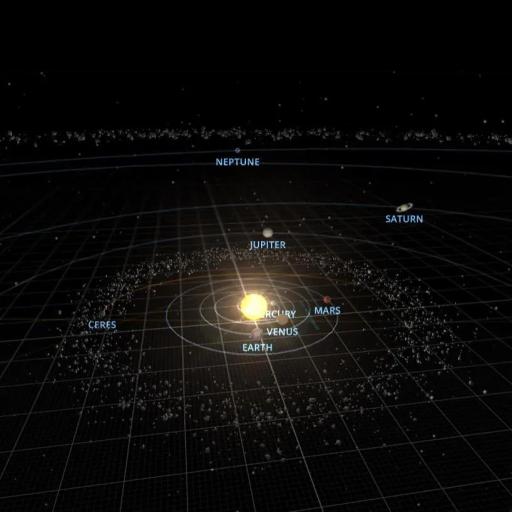
Scientists are notoriously resistant to new ideas. Are they falling prey to groupthink? Or are our current theories just that successful?
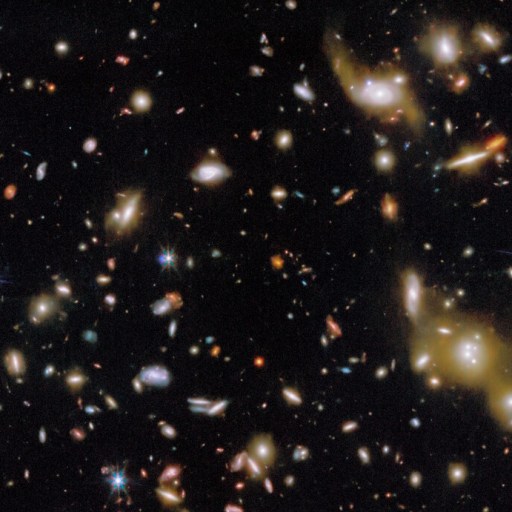
A view of deep space showing numerous galaxies of various shapes and sizes scattered across a dark background.
To learn how our Universe grew up, we have to look at large numbers of galaxies at all distances to find out. Good thing we have JWST!
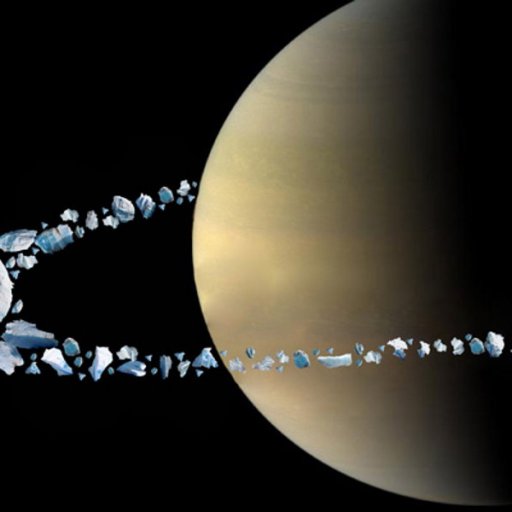
Since the time of Galileo, Saturn's rings have remained an unexplained mystery. A new idea may have finally solved the longstanding puzzle.
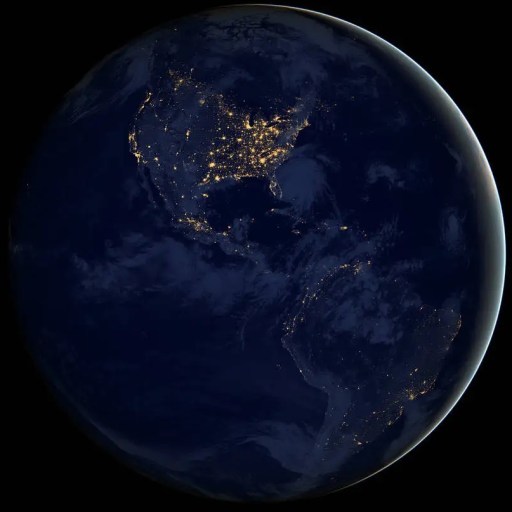
From the vastness of space, Earth at night reveals its exo-earth beauty, with illuminated continents showcasing a tapestry of lights across North and South America. Major cities and regions emerge from the glowing darkness, painting a vivid picture against the backdrop of oceans.
In 2025, Earth remains the only planet where life is known to exist. Without a second example, "The Stand" has a vital lesson to teach us.
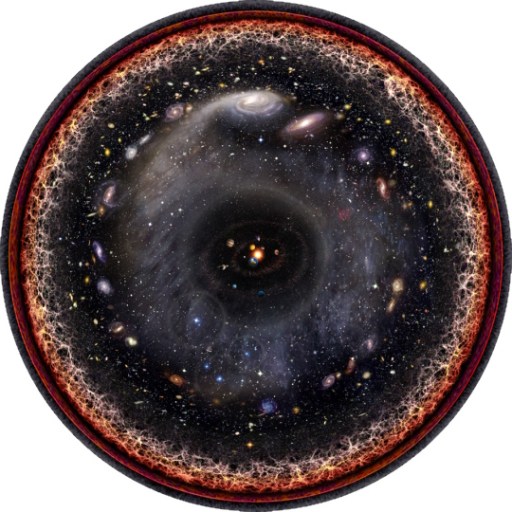
A circular diagram illustrating the observable universe, showing planets, stars, galaxies, and cosmic background radiation layers—revealing where Big Bang echoes still linger.
If you think of the Big Bang as an explosion, we can trace it back to a single point-of-origin. But what if it happened everywhere at once?
most distant
The universe is filled with unlikely events, but it is also full of ways to fool ourselves.
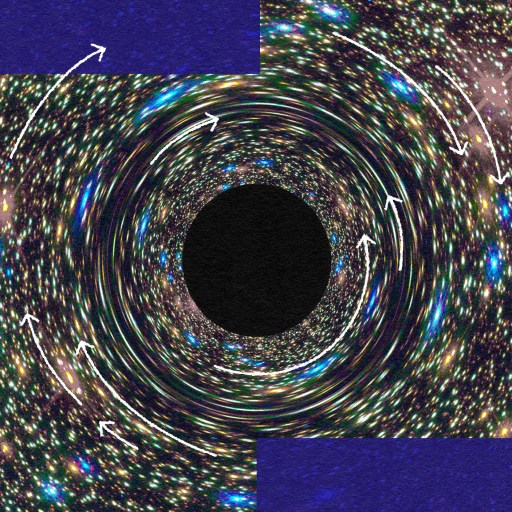
An image of an ancient black hole
At the center of Hubble's famous "cosmic horseshoe," a very heavy supermassive black hole has been robustly measured. How is it possible?
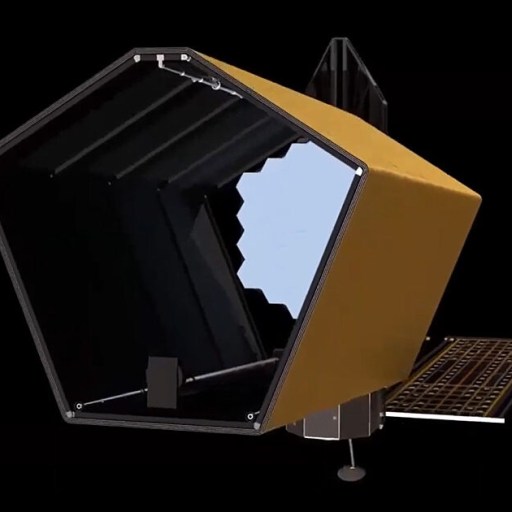
A hexagonal telescope with a gold exterior and an open, black interior is shown against a black background, highlighting NASA habitable worlds observatory science.
At the end of July, hundreds of scientists convened to plan NASA's upcoming astrophysics flagship mission. Will the US allow it to happen?
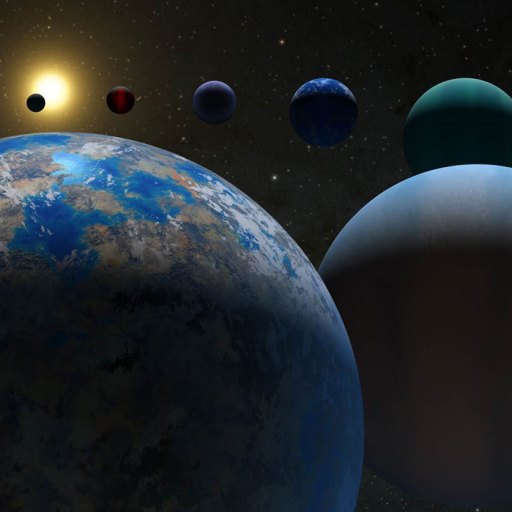
5000 exoplanets
Somewhere, at some point in the history of our Universe, life arose. We're evidence of that here on Earth, but many big puzzles remain.
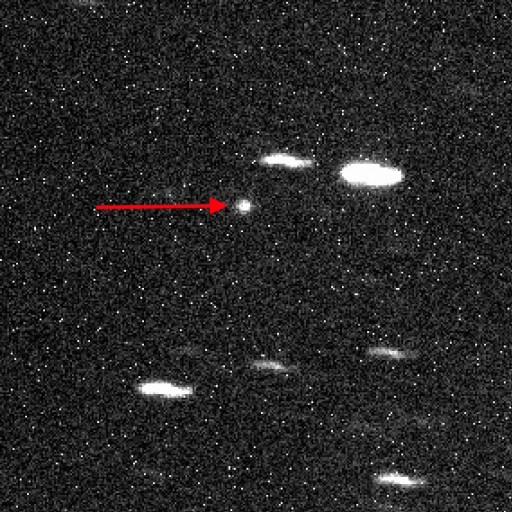
Black and white image of a star field with one bright object in the center, indicated by a red arrow, believed to be the third interstellar object detected passing through our solar system.
First 'Oumuamua, then Borisov, and now ATLAS have shown us that interstellar interlopers are real. Here's what the newest one teaches us.
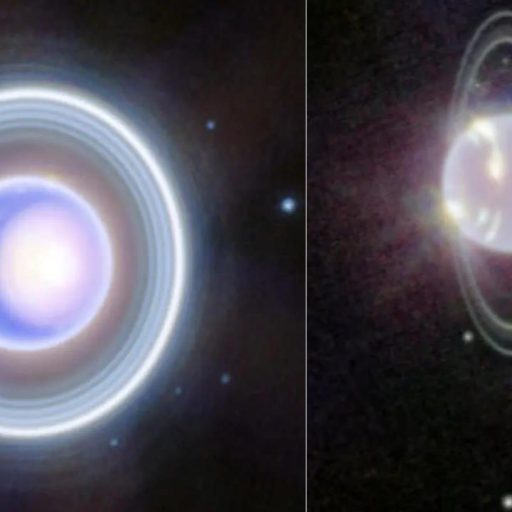
Images show the planet Uranus. The left image highlights its bright rings, while the right image, captured by the James Webb Space Telescope, depicts surprising details of glowing rings and a cloudy atmosphere. Discover more wonders in our solar system with these stunning visuals.
Once every 12 years, Earth, Jupiter, Uranus, and Neptune all line up, opening a window for a joint mission. Our next chance arrives in 2034.
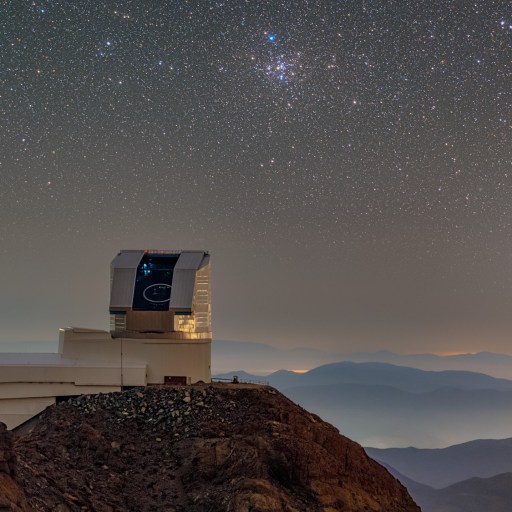
The Vera Rubin Observatory is situated on a rocky hilltop under a clear, star-filled night sky, with distant mountains and a bright planet visible on the horizon, inspiring astronomers to solve puzzles of the universe.
In just its first 10 hours of observations, the Vera Rubin observatory discovered more than 2000 new asteroids. What else will it teach us?
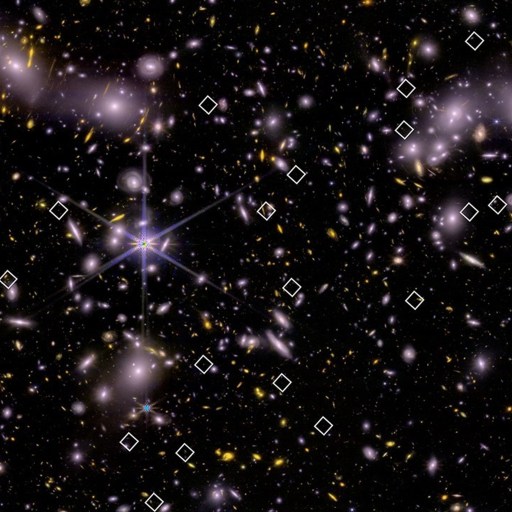
A dense star field and distant galaxies with bright galaxy clusters and several white squares highlighting specific points in the image.
For hundreds of millions of years, a cosmic fog blocked all signs of starlight. At last, JWST found the galaxies that cleared that fog away.
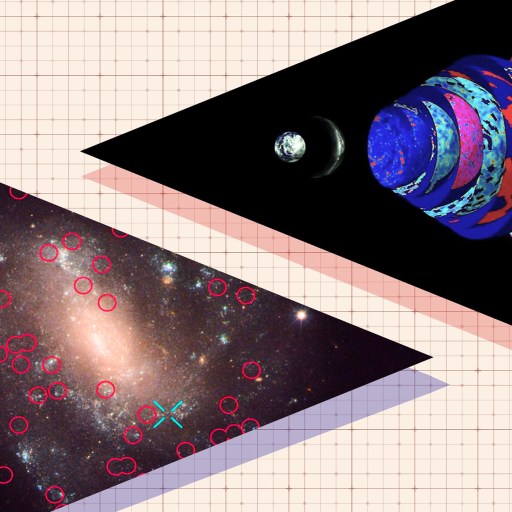
A composite image showing a galaxy with red circles marking stars on the left and multicolored expanding rings with Earth on the right, all set against a grid background, illustrating concepts like Hubble tension studied by Wendy Freedman.
Different methods of measuring the Universe's expansion rate yield high-precision, incompatible answers. But is the problem robustly real?
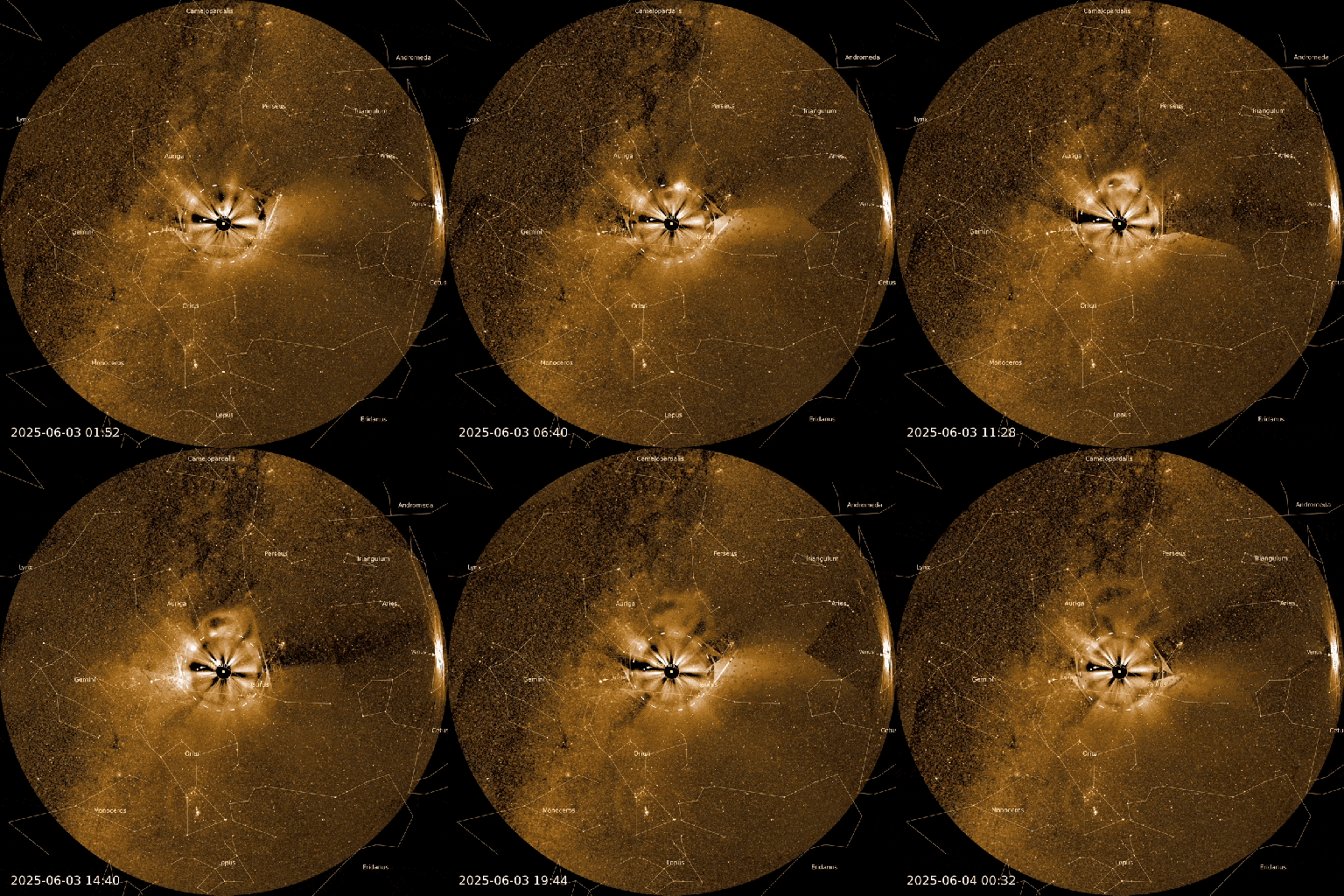
Circular astronomical image showing constellations and celestial objects labeled against a dark sky, reminiscent of a NASA PUNCH video sun corona visualization, with a timestamp of 2025-06-03 01:52 at the bottom left.
Launched in March, the PUNCH mission has viewed two incredible coronal mass ejections, tracking them farther from the Sun than ever before.