Search
Well
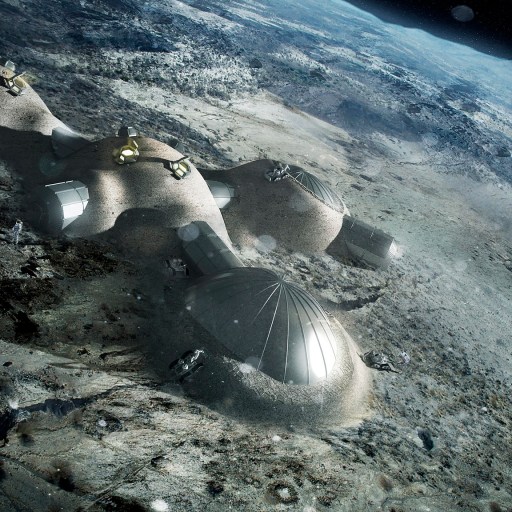
The first world beyond Earth for human habitability should be the Moon, not Mars. This is why we should terraform our lunar neighbor first.
Fibonacci’s "Liber Abaci" not only revolutionized commerce — it also helped nudge the world towards reasoned, quantitative enquiry.
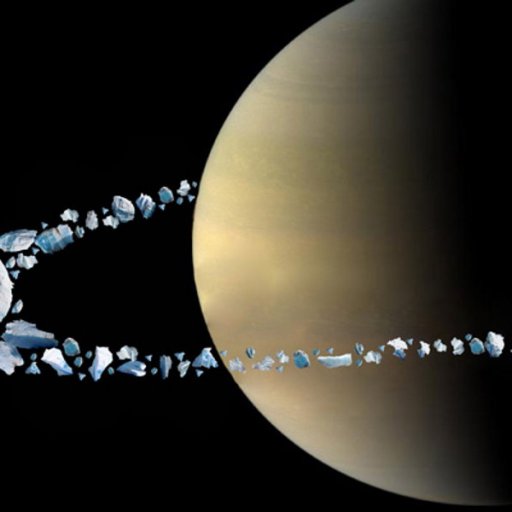
Since the time of Galileo, Saturn's rings have remained an unexplained mystery. A new idea may have finally solved the longstanding puzzle.
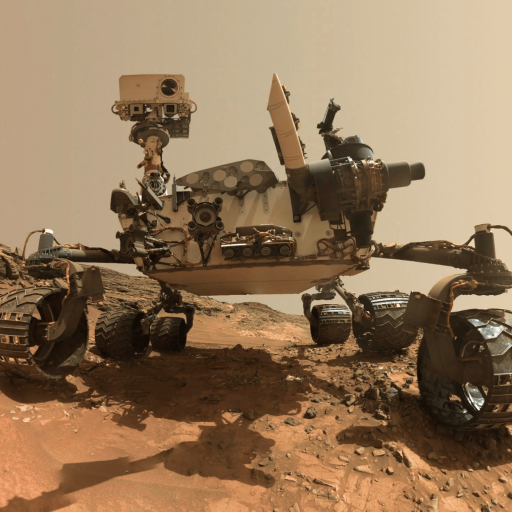
Organic compounds can form through simple chemistry alone — making the search for true biosignatures trickier than it seems.
Despite the claims of speed reading apps and programs, you actually have to read the book if you want to learn.
Here are three ways to do it better.
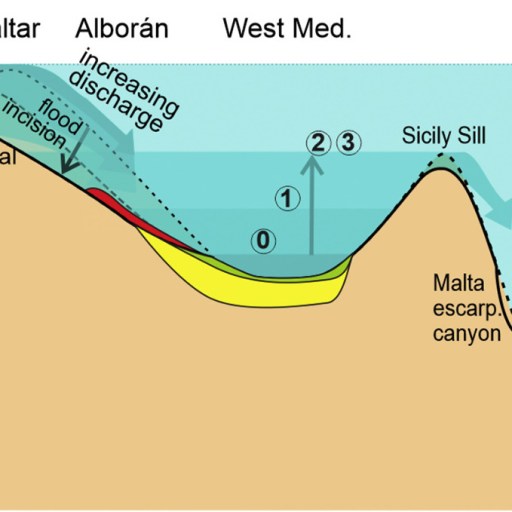
About six million years ago, the Mediterranean was sealed off from the Atlantic, and over centuries it ran dry. One megaflood reversed that.
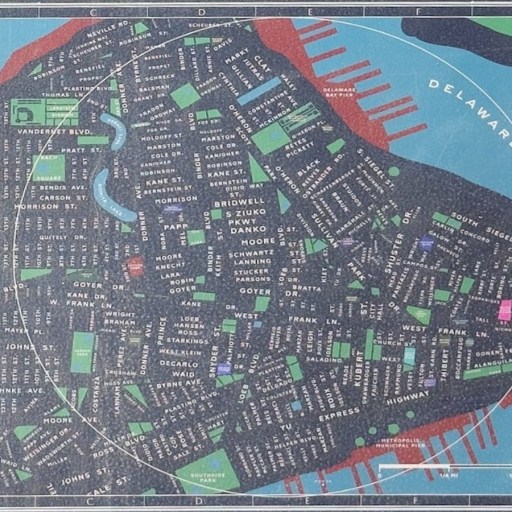
The latest "Superman" film sets Metropolis in the First State.
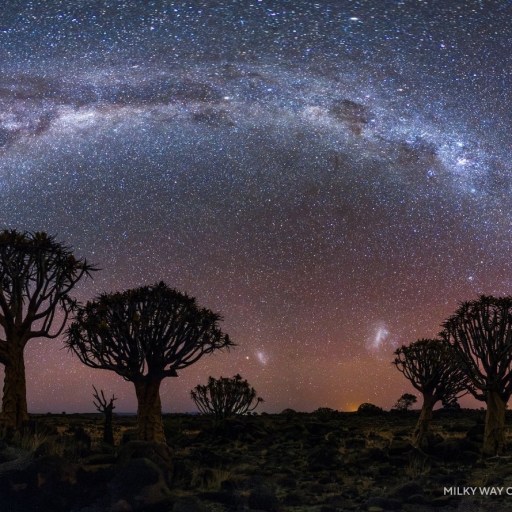
Across planet Earth, dark and pristine night skies are an increasingly rare resource. These photos showcase the best of what we still have.

On the largest scales, galaxies don't simply clump together, but form superclusters. Too bad they don't remain bound together.
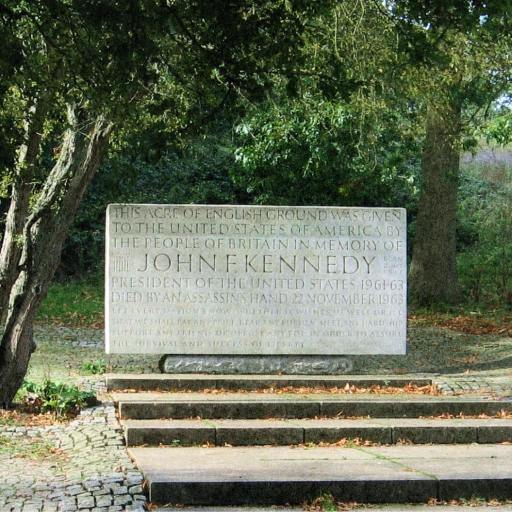
The JFK Memorial at Runnymede provides a link between America's and Britain's founding documents.
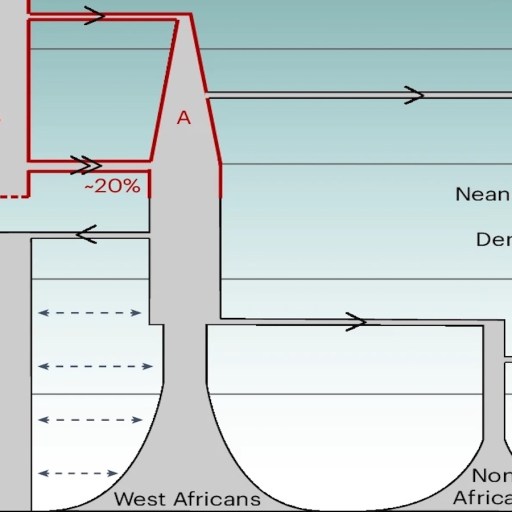
After more than a million years of separation, two branches of humanity reunited around 300,000 years ago, suggests new research.
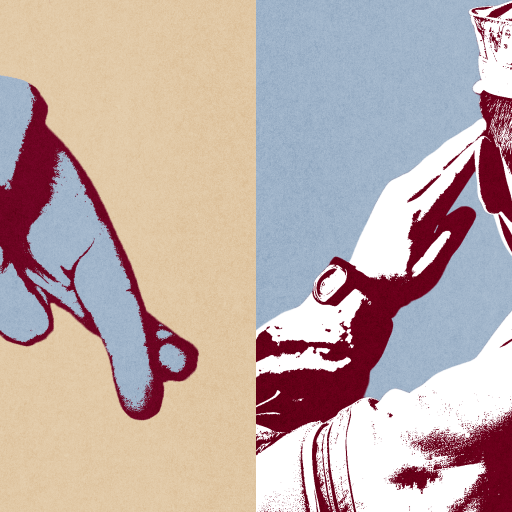
This is my country and this is what we stand for. At least for now.
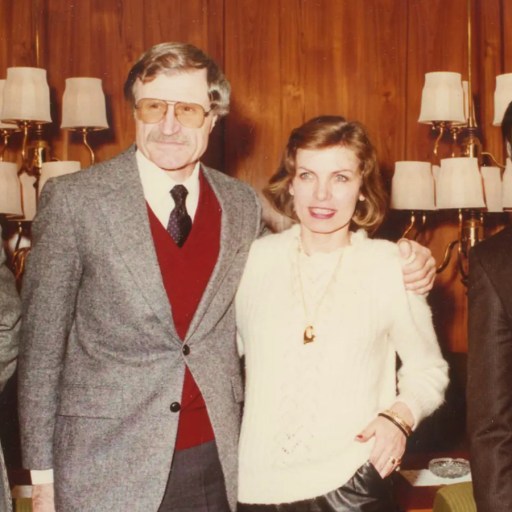
In this excerpt from "Agents of Change," Christina Hillsberg tells the story of Martha “Marti” Peterson, the first female case officer stationed in Soviet Moscow.
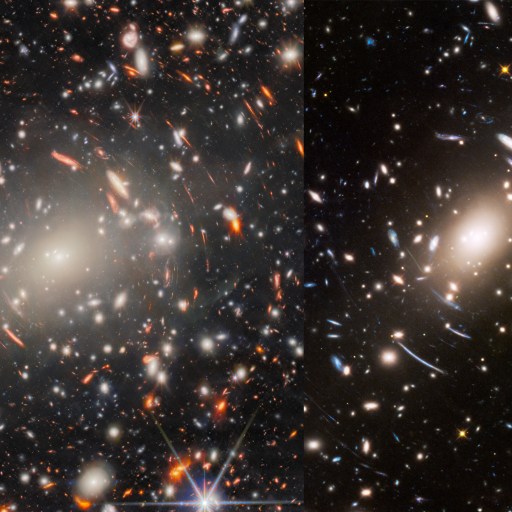
Massive galaxy cluster Abell S1063, 4.5 billion light-years away, bends and distorts the space nearby. Here's what a JWST deep field shows.
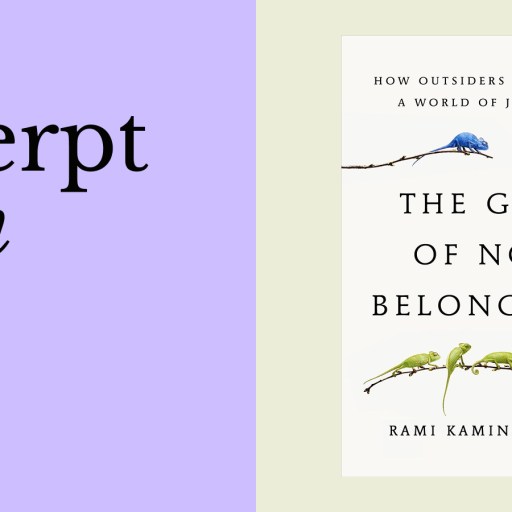
In "The Gift of Not Belonging," Rami Kaminski explains why group consensus may hinder the original thinkers who help advance society.