Search
Well

3mins
If the people controlling AI are biased, the output will also be. Free speech scholar Jacob Mchangama makes the case for completely open-source AI.

2mins
Is gratitude to a deity different from gratitude to other people? Psychology and neuroscience professor Sarah Schnitker explains.
16mins
“As a reporter, you can look into the eyes of the people you're talking to and try to evaluate what they're thinking when they say what they say. But you are not really gonna get into their brain. There's only one artistic form that allows you to do that. “
10mins
“The way my mind works is just out of anxiety and catastrophization.”

23mins
"Could black holes be the key to a quantum theory of gravity, a deeper theory of how reality, of how space and time works? Well, I think so."
2mins
“The media is 10x more likely to describe experiences of being alone as negative, as compared to positive.” Psychologist Ethan Kross shares how reframing the idea of loneliness can help us feel more peace when we’re on our own.
2mins
Free speech may be messy, but censorship is deadly. Founder of The Future of Free Speech Jacob Mchangama explains.

2mins
Modern culture has made us feel like there’s no time to be patient. Sarah Schnitker’s lab at Baylor University is researching how this often-forgotten virtue could improve our overall well-being.
7mins
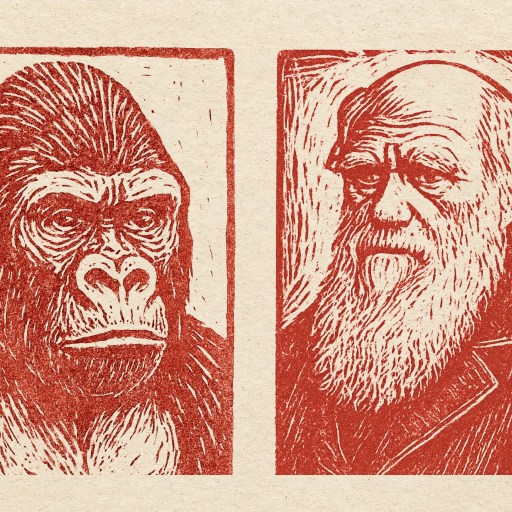
“The idea of evolution by natural selection is, for me, probably the most beautiful idea in biology.”
2mins
Happiness researchers Robert Waldinger MD, Tal Ben-Shahar PhD, and Peter Baumann explain why the happiest people aren’t happy all the time.
Unlikely Collaborators
3mins
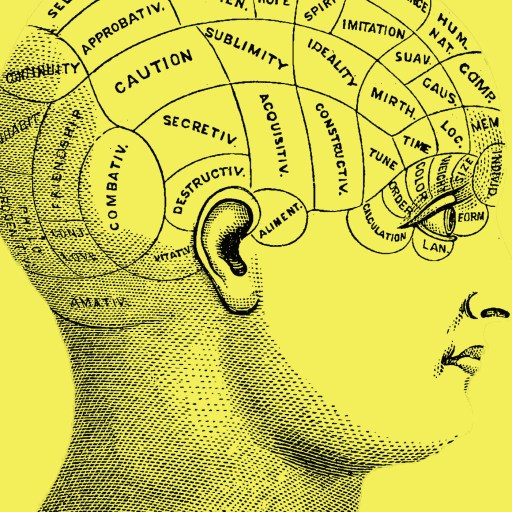
What if emotional regulation isn’t just a trait, but a skill parents and teachers can help develop? Ethan Kross reveals what science says about shaping young minds.

7mins
From trepanning to lobotomies, humans have long struggled to manage emotion. Today, we have better tools. Psychologist Ethan Kross shares what actually works, and why.

4mins
"If we did create beings that were more like non-human animals, we ought to treat them much better than we now treat non-human animals."