mental health

Engaging in a brief mindfulness exercise made people who identified “I/me” words 33% less likely to volunteer.

Deep brain stimulation could represent a breakthrough in the treatment of mental health disorders like major depressive disorder.
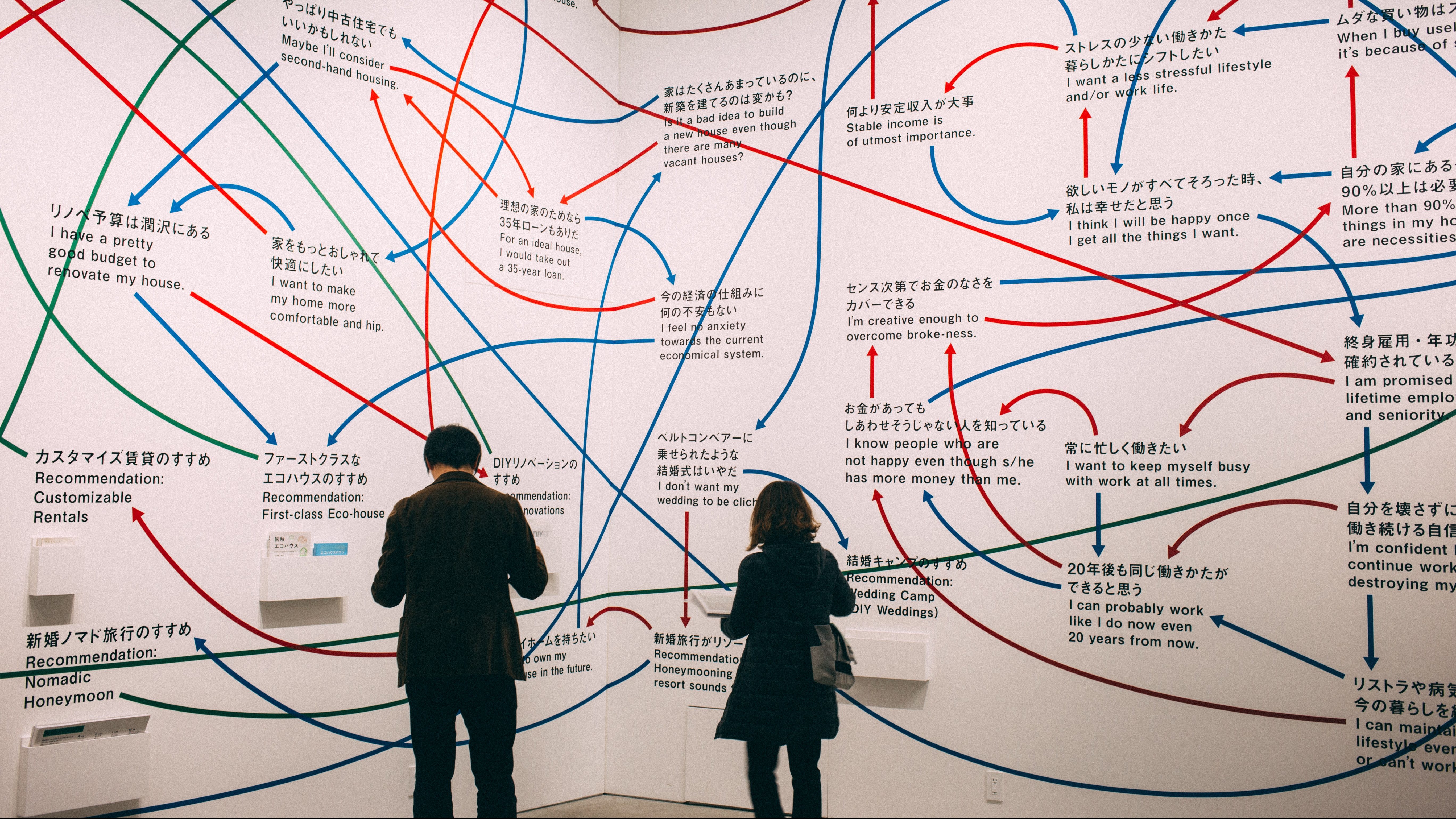
The key is finding which lifestyle suits you best: hedonic, eudaimonic, or experiential.

Marijuana use among college students in 2020 reached levels not seen since the 1980s.

Stoicism says that we should change what we can, endure what we must. The company we keep is something we can, and often should, change.

In a world without “bullshit jobs,” we would have more hours available to us to learn new skills and to unleash our creative side.

“Superjobs” – roles that integrate human and machine skills – will require careful consideration.

“Theory of mind” enables all people to naturally infer other people’s mental states. Psychopaths don’t seem to put much effort into the process.

A new study suggests that depressed people may prefer a Leonard Cohen or Bob Dylan song to one from The Beach Boys or One Direction.
For some people, the emotional pull of fictional characters is profoundly strong.
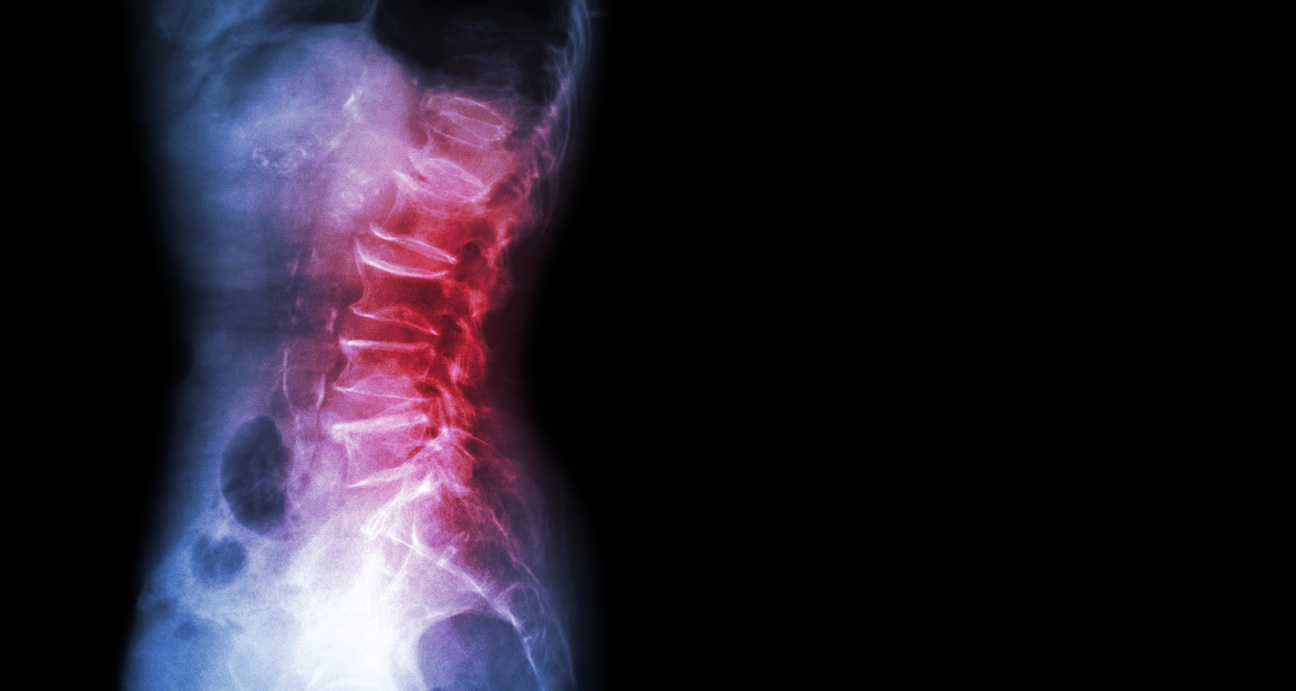
The secret to alleviating chronic back pain may be to treat psychological issues like anxiety and repressed emotions.

Popular diets view health as a calorie-crunching equation while excluding a critical variable: mental wellness.

From “shell shock” to “combat fatigue,” the wars of the past century have violently illuminated the power trauma can wield over the mind and body.

“I suddenly woke up one day and thought, you idiot, you are letting your life fade away, you have got to do something.”

What started as a viral case of public shaming has morphed into a dark story involving internet sleuths, a criminal network, and the suspicious death of a 62-year-old man in St. Louis.

Research has shown the benefits of mindfulness, but the current mindfulness craze cannot deliver on its overhyped promises.

A new study found that people who scored high in certain psychopathic traits are more likely to limit head movements.
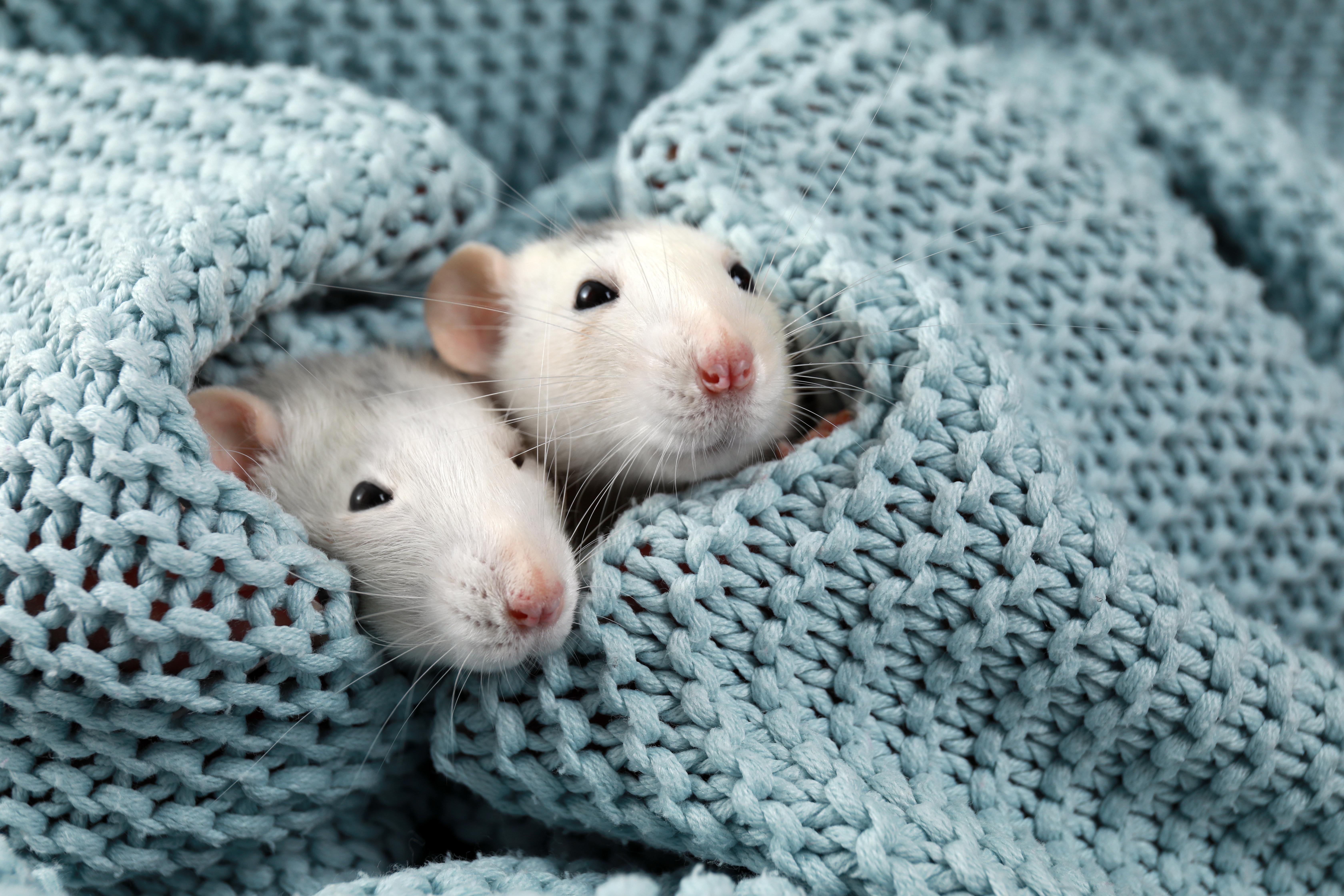
Cancer cells seem to have a harder time growing among pair-bonded mice, according to a new study that explored the “widowhood effect.”
Fear that new technologies are addictive isn’t a modern phenomenon.

South Korea is piloting a CCTV system it hopes will save lives.

Biomedical science assumes that people want to live as long as possible. They don’t.

Attempts to normalize abnormal development could prevent individuals in need of help from seeking it.

Alzheimer’s has proved difficult to treat. But solving the mystery of this ultra-rare frontotemporal dementia may unlock new understanding.

Psychedelics have been shown to help reduce depression. This study may show us why.

Are you getting a full 8 hours?

Our program lowers reincarceration rates by 44 percent.

The evidence for a link between time spent using technology and mental health is fatally flawed.
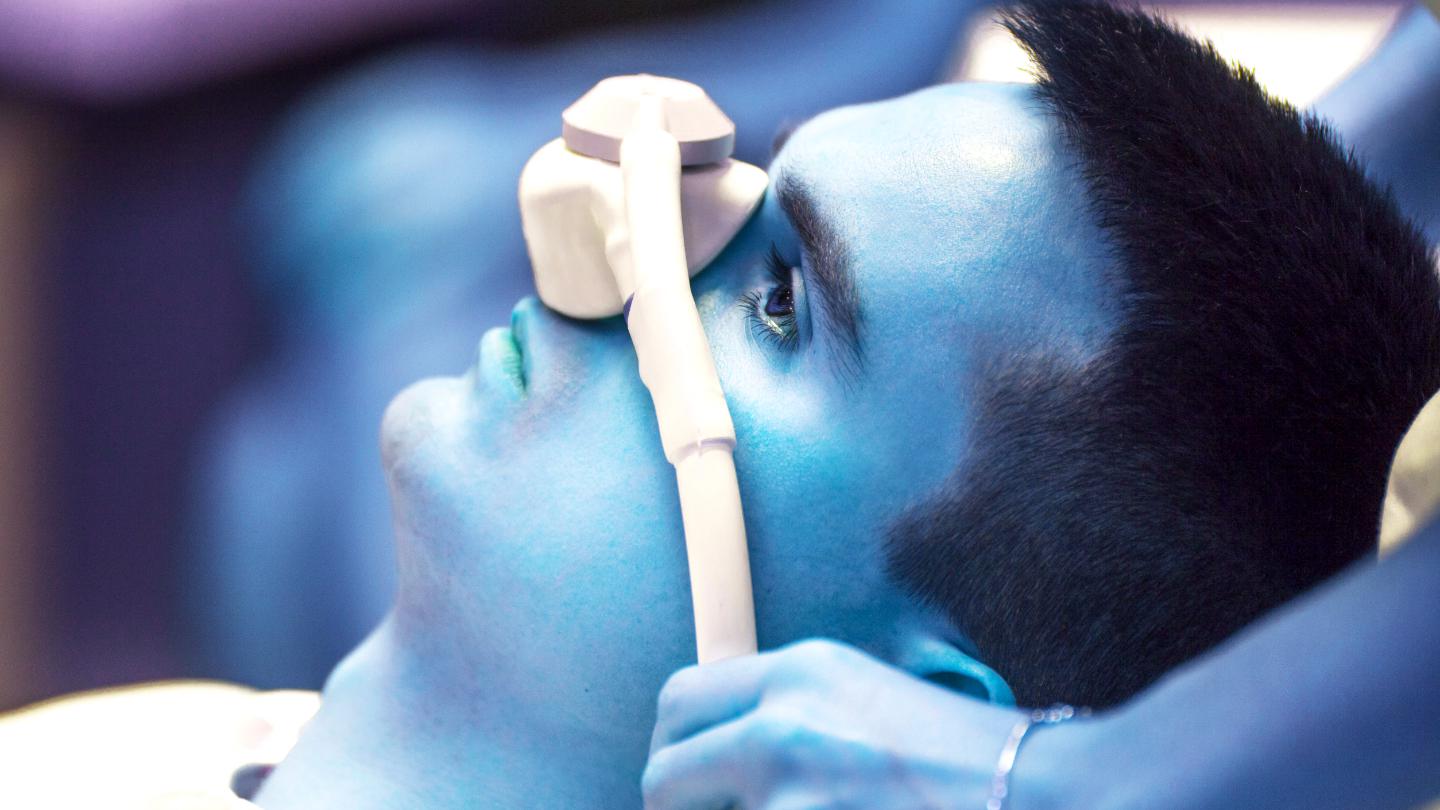
Laughing gas may be far more effective for some than antidepressants.

A well-known psychology trick called the “rubber hand illusion” could be useful for treating patients with obsessive-compulsive disorder.

This discovery could lead to better treatments for PTSD, borderline personality disorder, and epilepsy.