mental health

The treatment is here, but are we ready?
Participants with high levels of narcissism showed high levels of aggression, spreading gossip, bullying others, and more.
A lithium imbalance appears linked to suicide.
Studies show that religion and spirituality are positively linked to good mental health. Our research aims to figure out how and why.
New machine-learning algorithms from Columbia University detect cognitive impairment in older drivers.
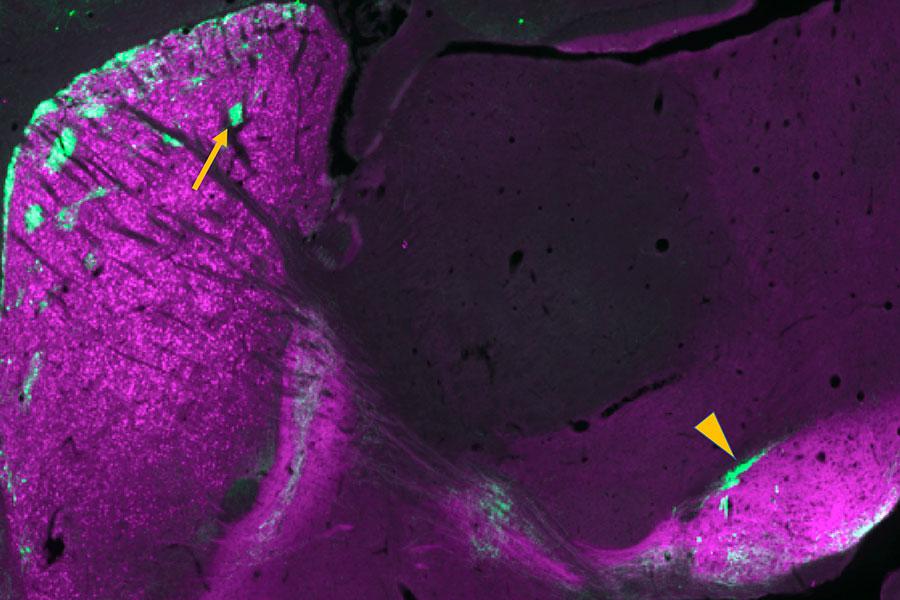
A lab identifies which genes are linked to abnormal repetitive behaviors found in addiction and schizophrenia.

Two different studies provide further evidence of the efficacy of psychedelics in treating depression.
How can researchers map something as complex as the human brain?

New research from the University of Granada found that stress could help determine sex.
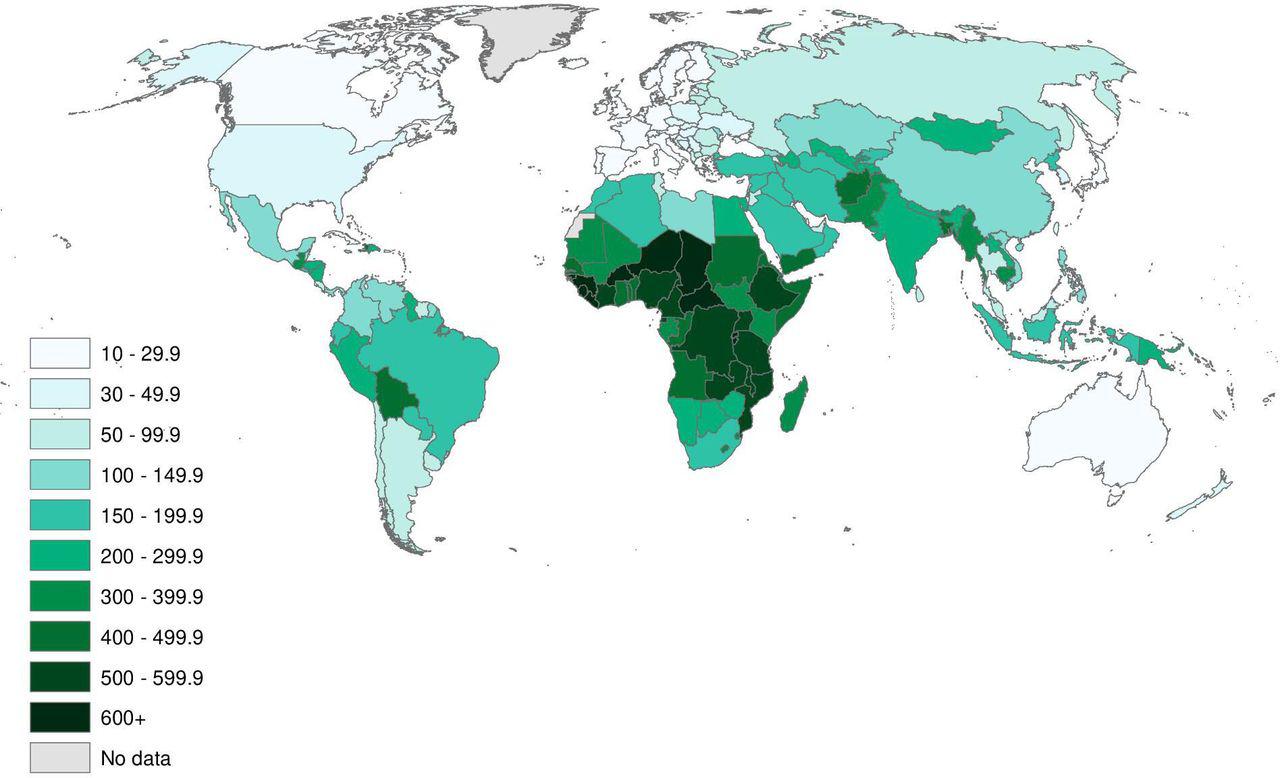
Global inequality takes many forms, including who has lost the most children
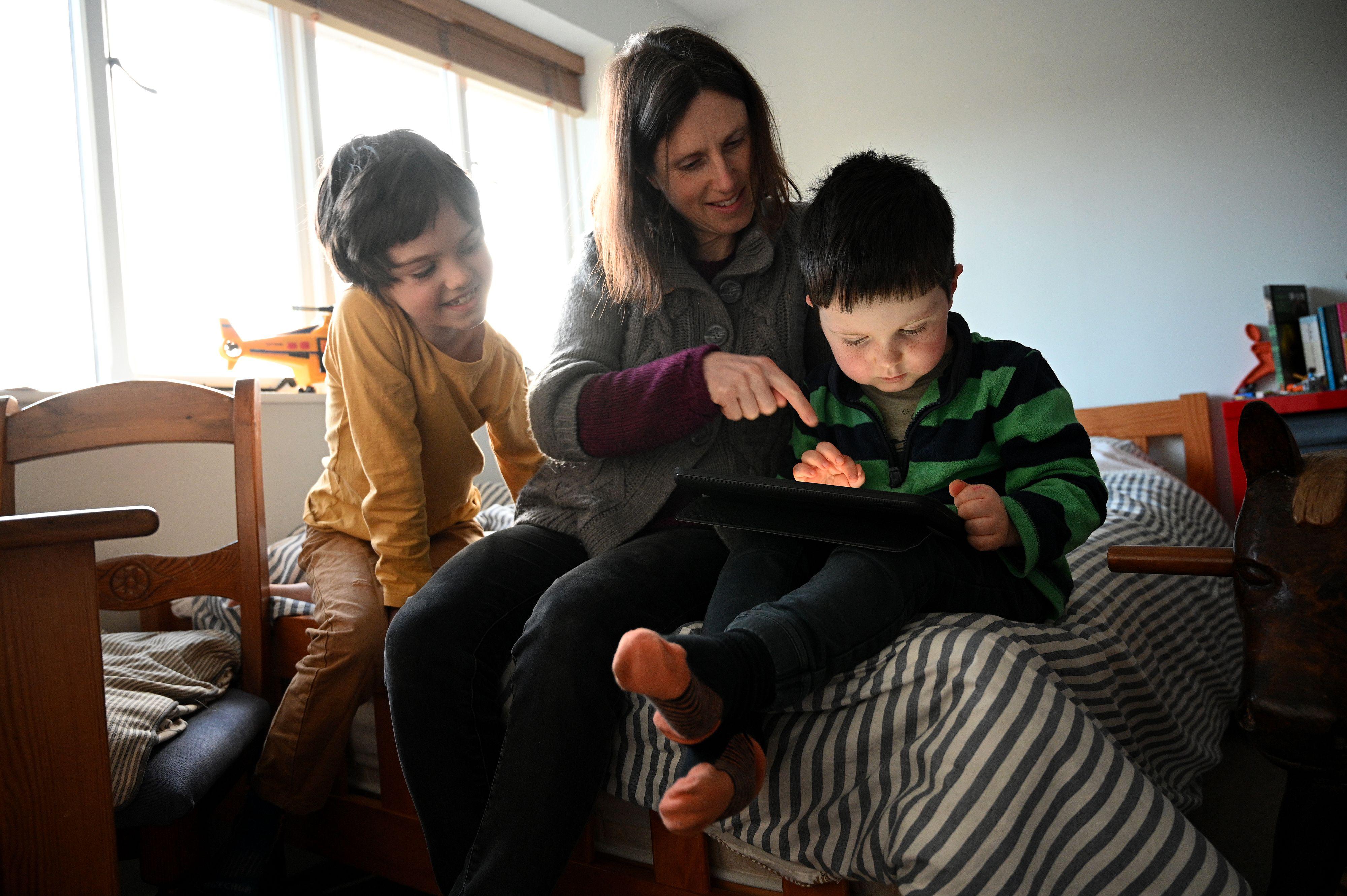
Children with pre-existing mental health issues thrived during the early phase of the pandemic.

Intrinsic religiosity has a protective effect against depression symptoms.
New study suggests the placebo effect can be as powerful as microdosing LSD.

Cow cuddling is getting ever more popular, but what’s the science behind using animals for relaxation?

Contrary to what some might think, the brain is a very plastic organ.
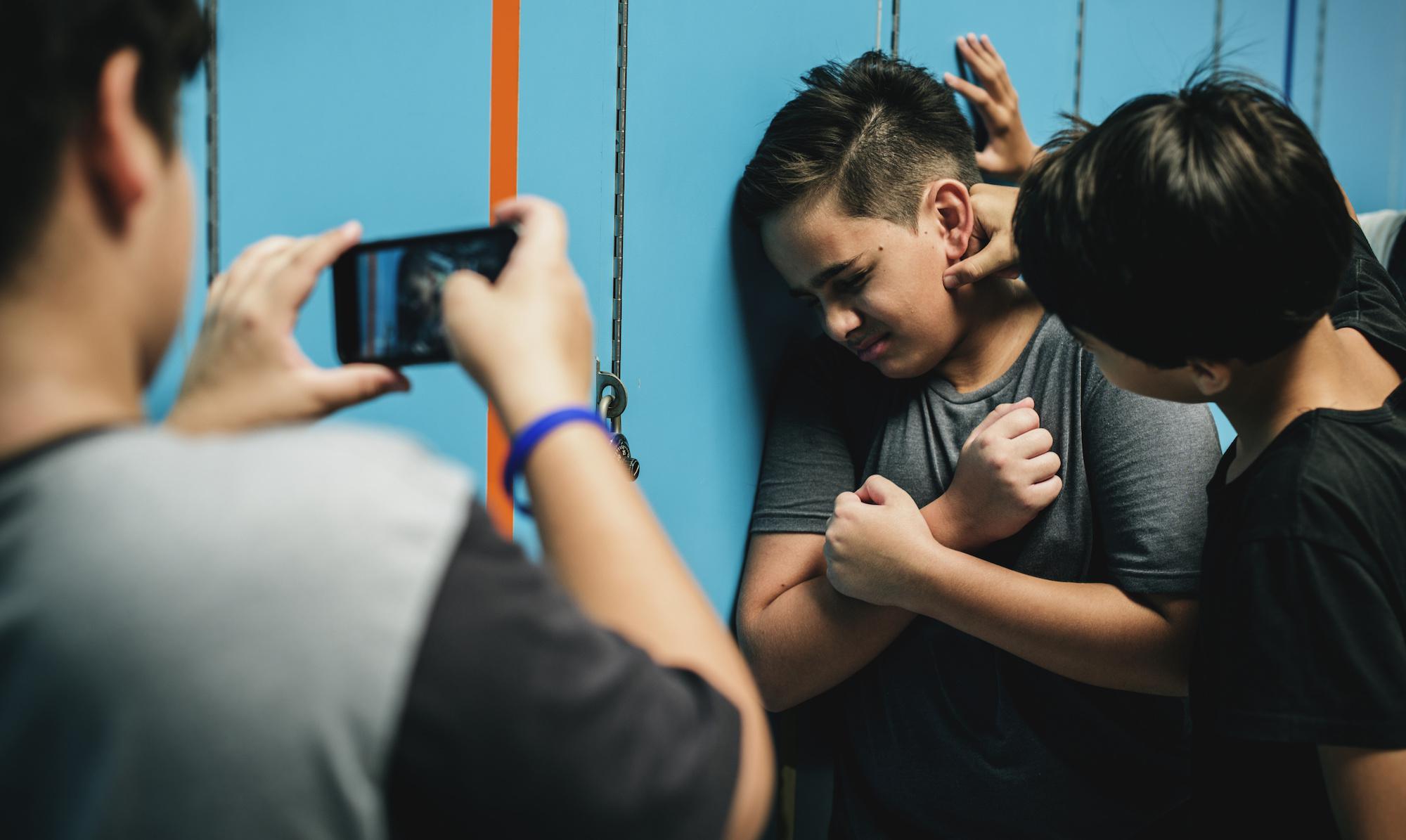
Remedies must honor the complex social dynamics of adolescence.

While not the first such minister, the loneliness epidemic in Japan will make this one the hardest working.

Can playing video games really curb the risk of depression? Experts weigh in.

In-depth research suggests BDSM practitioners can experience altered states of consciousness that can be therapeutic.
From baboon hierarchies to the mind-gut connection, the path to defeating depression starts with understanding its causes.
▸
23 min
—
with

It’s a common misconception that to be a Stoic is to be in possession of a stiff upper lip.

Did America’s collective mental health get worse (and then better) after the first COVID-19 lockdown?
In the future, you might voluntarily share your social media data with your psychiatrist to inform a more accurate diagnosis.
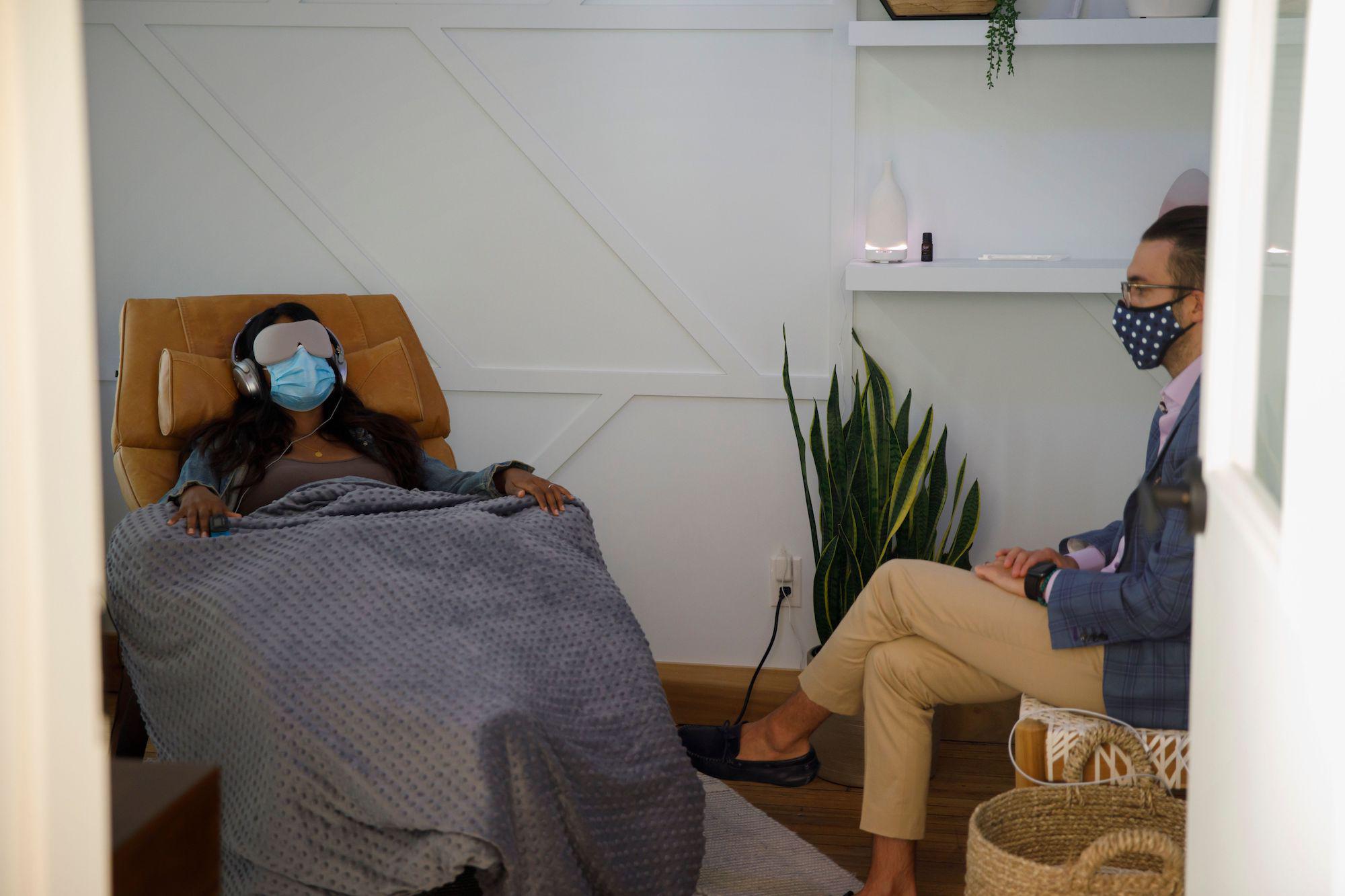
As a new industry emerges, therapists need to be educated.

Clinical trials at the Feinstein Institutes for Medical Research focus on stabilizing cognitive loss and alleviating the psychotic symptoms that change our loved ones.

Lovers are parted from lovers, (grand)parents from children, families from their dead.

In her book The Art of Rest, one researcher conducted a thorough analysis of the top 10 activities we find most restful.

Workaholism is perhaps the most socially accepted addiction, but a new paper shines light on the serious health risks that accompany it along with which occupations are most at risk.

A popular and longstanding wave of thought in psychology and psychotherapy is that diagnosis is not relevant for practitioners in those fields.