
Latest Videos
All Stories
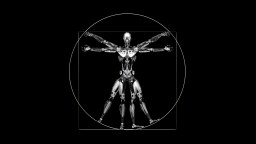
Artists and scientists alike strive “to figure out the deep truths of reality,” explains physicist Brian Greene. The ways they pursue that goal are different, but there’s no reason why two segments of society seeking answers can’t work together.
▸
2 min
—
with

The online experience is changing rapidly, explains Harvard Law professor Jonathan Zittrain, and not necessarily for the better. We should act to make sure certain norms such as web surfing persist as they are.
▸
5 min
—
with

The single best way for businesses to remain vital is to cultivate the people that power them.
▸
5 min
—
with

Author Stephen J. Dubner analyzes the economics of drug dealing in the most Freakonomics way possible, comparing the capitalist tendencies of Walgreens with your friendly neighborhood gang of crack dealers.
▸
4 min
—
with
Asked what a universal superintelligent designer would be like, Bill Nye the Science Guy takes an evolutionary approach: In a way, we designed ourselves. #TuesdaysWithBill
▸
3 min
—
with

What do the sacred scriptures of various religions say about money? How has it evolved as a means of social control since the days of Ancient Mesopotamia? Bestselling author Kabir Sehgal talks big chunks of history and even bigger chunks of change.
▸
3 min
—
with

Big Think and the Mental Health Channel are proud to launch Big Thinkers on Mental Health, a new series dedicated to open discussion of anxiety, depression, and the many other psychological disorders that affect millions worldwide.
▸
6 min
—
with

Ayaan Hirsi Ali, author of “Heretic: Why Islam Needs a Reformation Now,” argues that Mohammed was a creative genius who, upon his death, froze innovation in Islam forever.
▸
5 min
—
with

In comedy, as with any form of storytelling, it’s refreshing to make a true personal connection with your audience. It’s this lesson that’s fueled the next phase of Lisa Lampanelli’s career.
▸
3 min
—
with

EPA administrator Gina McCarthy relays some of her proudest accomplishments working in the Obama administration: reducing carbon emissions, successfully pushing for more efficient vehicles, and championing renewable energy.
▸
3 min
—
with

“Today, like it or not, we’re all in sales,” says Dan Pink for Big Think+. Recognizing this is the first step to mastering the essential art of persuasion.
▸
2 min
—
with

What will the global economy look like in 2025? Dr. James Manyika runs through several likely shifts from our current situation, led by the undeniable rise of East Asia.
▸
3 min
—
with

An anonymous viewer asks Bill whether homosexuality makes sense from an evolutionary and genetic standpoint. Bill’s response? Homosexuality exists across species and none of them are dying out anytime soon.
▸
3 min
—
with

The era of companies taking care of employees for life is over. According to tech entrepreneur Maynard Webb, the new norm allows individuals more opportunities to succeed, but requires them to control their own destinies by putting themselves first.
▸
2 min
—
with

What will it take for the United States to overcome entrenched issues pertaining to race and socioeconomic status? According to poet and educator Clint Smith, the U.S. needs to be honest with itself about cultural myths (meritocracy, equal treatment by authorities, etc.) that don’t actually exist.
▸
3 min
—
with

Dr. Heidi Grant Halvorson talks about inaccurate perceptions, and how we view ourselves is often not how we come across to others.
▸
4 min
—
with

Is there intelligent life out there in the universe? Theoretical physicist Brian Greene explains why that’s a more complicated question that it appears.
▸
2 min
—
with
On this week’s Tuesdays With Bill, Lillian has the whole summer ahead of her, and wants to know what kind of science-related activities she can do outside of the classroom.
▸
3 min
—
with

People considered physically attractive enjoy many social and professional benefits others do not. But the reasons why are more complex than you might think.
▸
3 min
—
with

Jon Acuff discusses the four moments you’ll encounter in your career and the key to navigating them.
▸
4 min
—
with

Jim Whitehurst, CEO of Red Hat, explains how the cloud is evolving in a way few anticipated.
▸
2 min
—
with

Steven Kotler explains that a new device and its imitators can trigger “mystical” experiences in the brain.
▸
5 min
—
with

The best way to benefit from meditation is to start small — really small. Dr. Suzuki explains how short bursts of meditation can change the biology of your brain for the better, making you healthier and more purpose driven.
▸
3 min
—
with

Fear of offending one another is driving us apart, says the celebrated comic. That’s why we have comedy.
▸
6 min
—
with

Alexandra Wilkis Wilson, co-founder and CEO of GLAMSQUAD; cofounder of Gilt Group; and an advisor, mentor, and angel investor to startups in the New York Tech community, offers a few key tips to maximize any startup’s chances of success.
▸
3 min
—
with
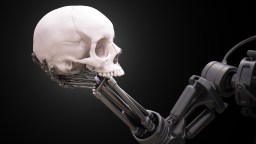
All new technology is frightening, says physicist Lawrence Krauss. But there are many more reasons to welcome machine consciousness than to fear it.
▸
3 min
—
with

Lisa Bodell, founder of the innovation research and training firm futurethink, explains that with the right knowledge and tools, everyone has the power to innovate.
▸
2 min
—
with
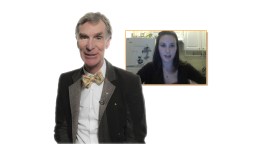
On this week’s Tuesdays With Bill, Rachel, a Columbia University student, asks two questions for the price of one: What would happen if a human being went the speed of light, and why don’t we just eject our trash into outer space?
▸
5 min
—
with

Behavioral psychologist Dan Ariely has spent over 10 years researching human dishonesty. What are the different kinds of dishonesty? Why do we tell lies? How can one act of dishonesty escalate further?
▸
4 min
—
with

Never a stranger to offbeat or unconventional wisdom, Freakonomics co-author Stephen J. Dubner explains why it’s beneficial to pay politicians a high amount of money to encourage good behavior.
▸
3 min
—
with