
Feeling motivated at work feels good, and it's good for business. But employees and managers don't always see eye-to-eye on this very important topic.

Team leaders often think about ways they can increase motivation – but little thought goes into how they might be killing it.

It turns out there's quite a bit of cognitive dissonance impairing our understanding of motivation and happiness. Duke University's Professor Dan Ariely fills in the gaps.

The maxim "One Man, One Vote" is so enshrined in our understanding of democracy that its weaknesses are difficult to see. Yet weaknesses it has.

How does a couple get past mutual boredom? Behavioral economist Dan Ariely suggests they reframe their perception of the dilemma.
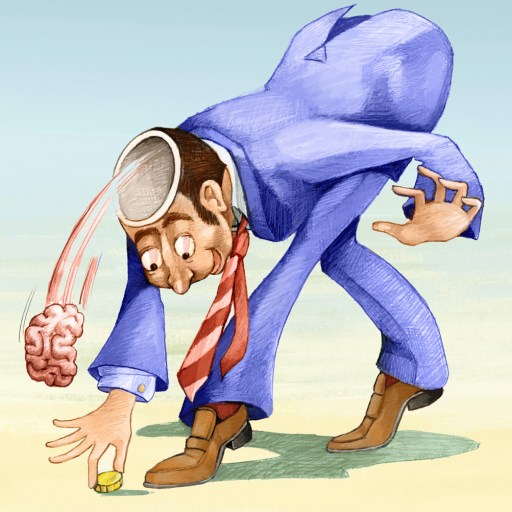
Behavioral economists see humanity as a giant irrational mass. Yet that doesn't mean they're innate pessimists. Rather, they see a giant blank canvas on which masterpieces can be built.

Are your family trips an exercise in pleasure or comfort? Behavior economics guru Dan Ariely notes that there's a vivid difference between the two... and it may mean the difference between a fantastic vacation and one that's just okay.

Emotions can cloud our rational decision-making. By adopting the perspective of an outside advisor, psychologist Dan Ariely says we can inject some rationality into our cognitive processes.

People considered physically attractive enjoy many social and professional benefits others do not. But the reasons why are more complex than you might think.

Behavioral psychologist Dan Ariely has spent over 10 years researching human dishonesty. What are the different kinds of dishonesty? Why do we tell lies? How can one act of dishonesty escalate further?

The downside of technological progress is that we've created more and more technologies capable of killing us. In order to adapt, behavioral psychologist Dan Ariely explains we have to get better at avoiding irrational decisions.

The solution is from time to time to hire people you don’t think would work out.

The question is not so much work-life balance, but is rest versus effort.

“One of the problems with promotions is that we promote people based on outcomes, not about the quality of their decisions,” says Ariely.

Psychologist and Author Dan Ariely says Zappos’ policy of offering potential customer service employees $3000 not to take the job is money well spent.

According to psychologist Dan Ariely, Google’s policy of giving employees free reign over 20% of their work week – one full day out of five – makes for happier, more […]

In the field and in the lab, Psychologist Dan Ariely finds that people want big challenges, some autonomy in pursuing them, a bit of healthy competition, and a sense of completion.

Just in time for New York’s fashion week, Dan Ariely, the Duke Behavioral Economics professor and author of Predictably Irrational, sent Big Think a video on how fake designer sunglasses […]

We don’t weigh the costs and benefits when we’re tempted to text while driving.

Focusing on the struggles of an individual appeals to our emotions and makes us care. As the numbers of people suffering get bigger, our cognition, calculation, and thoughtfulness are activated—and […]