Search
Ethan Siegel
A theoretical astrophysicist and science writer, host of popular podcast “Starts with a Bang!”

Ethan Siegel is a Ph.D. astrophysicist and author of "Starts with a Bang!" He is a science communicator, who professes physics and astronomy at various colleges. He has won numerous awards for science writing since 2008 for his blog, including the award for best science blog by the Institute of Physics. His two books "Treknology: The Science of Star Trek from Tricorders to Warp Drive" and "Beyond the Galaxy: How humanity looked beyond our Milky Way and discovered the entire Universe" are available for purchase at Amazon. Follow him on Twitter @startswithabang.
Read Less
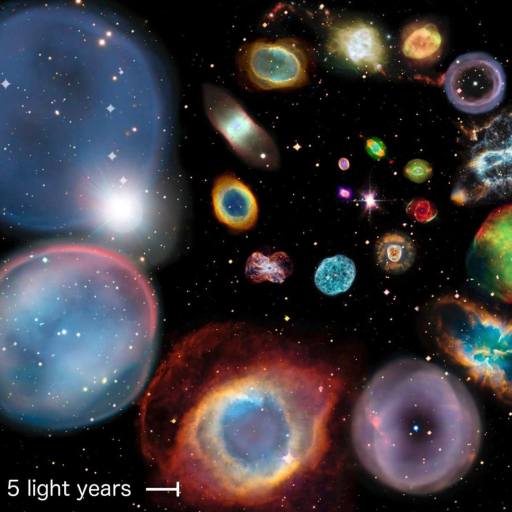
In around 7 billion years, we expect the Sun to run out of fuel, dying in a planetary nebula/white dwarf combination. Is that for certain?
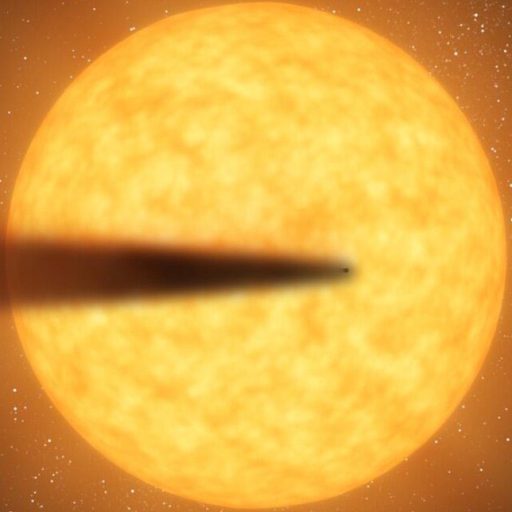
Exoplanets can exist anywhere around their parent stars, even so close that they evaporate or disintegrate. Even the rocky ones.
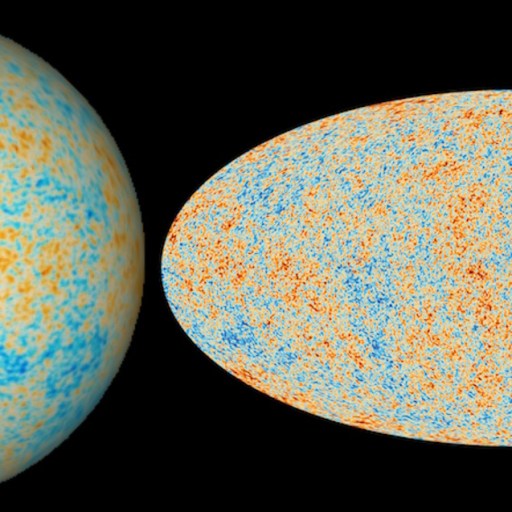
It's difficult to project a sphere onto a flat, two-dimensional surface. All maps of the Earth have flaws; the same is true for the cosmos.
The Kalam cosmological argument asserts that everything that exists must have a cause, and the "first" cause must be God. Is that valid?
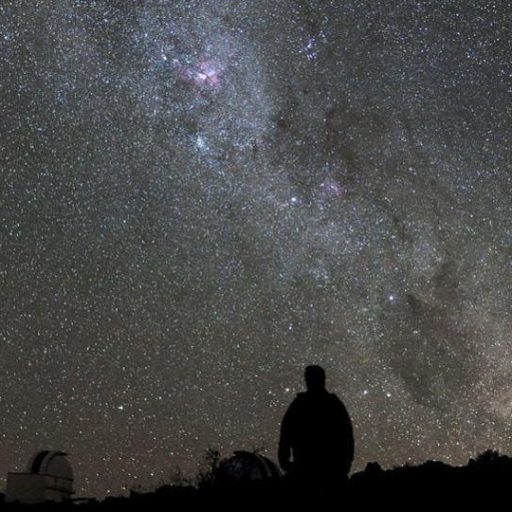
We understand many things about our Universe, and our home within it, extremely well. The number of stars in the Milky Way isn't among them.
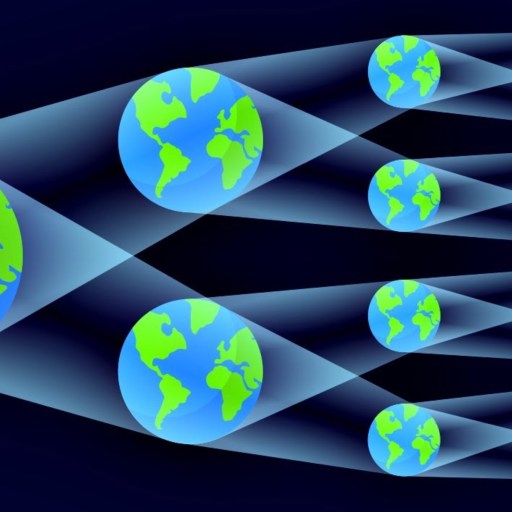
The Multiverse isn't just a staple of science fiction; there's real-life science behind it, too. Here are 10 facts to expand your mind.
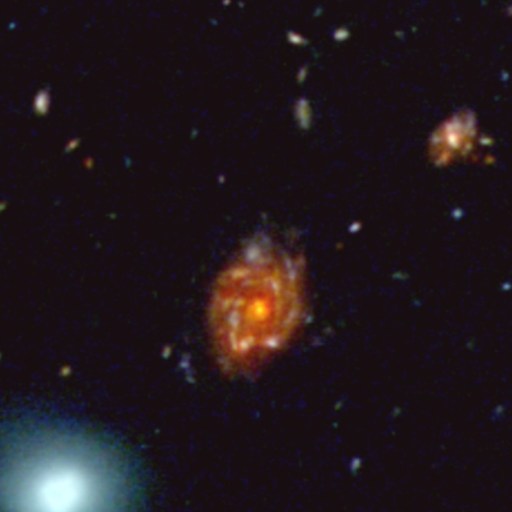
Large, massive, rotating galaxies like the Milky Way are common today. So how could one form a mere ~2 billion years after the Big Bang?
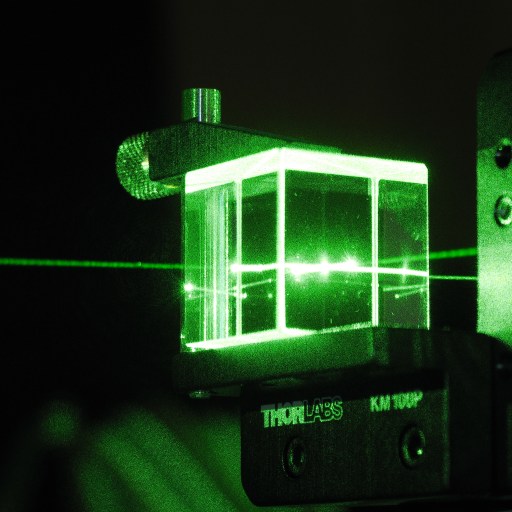
Over a century after we first unlocked the secrets of the quantum universe, people find it more puzzling than ever. Can we make sense of it?
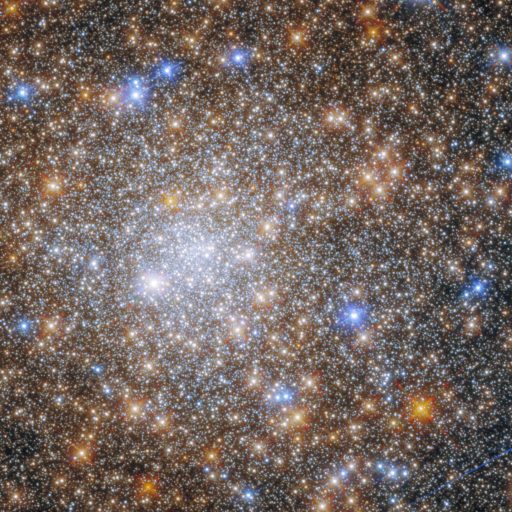
For centuries, even after we knew the Sun was a star like any other, we still didn't know what it was made of. Cecilia Payne changed that.
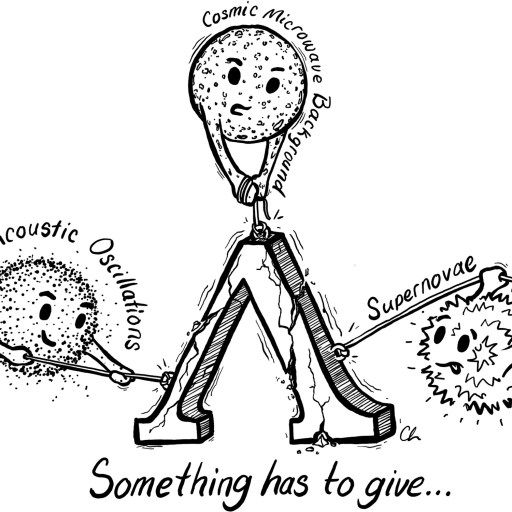
DESI, by mapping galaxies, has claimed they see evidence for dark energy evolving by getting weaker. But that's only one interpretation.
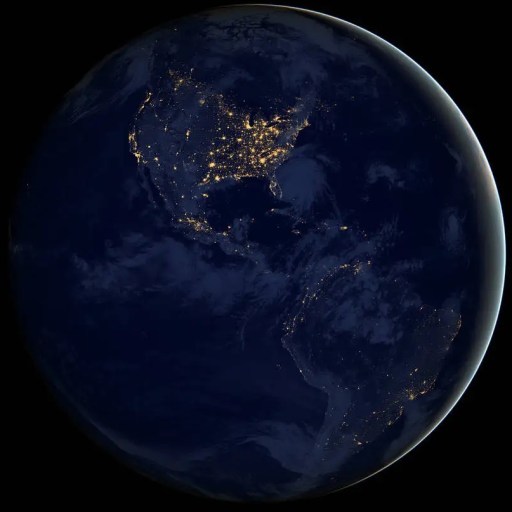
Even from a single pixel, multiwavelength data taken over time can reveal clouds, icecaps, oceans, continents, and even signs of life.
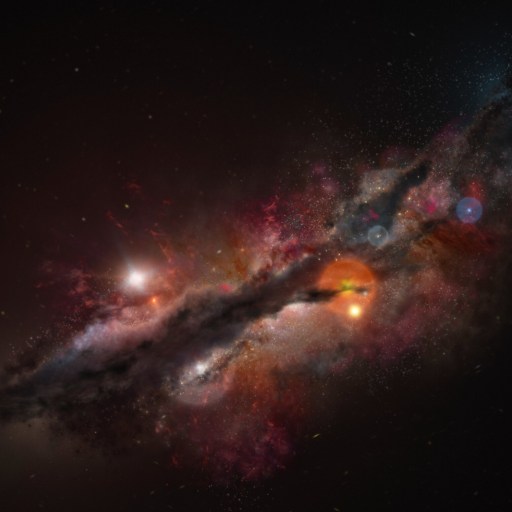
Someday, we'll look back and see a young galaxy forming stars for the first time. JADES-GS-z14-0, the farthest ever, isn't early enough.
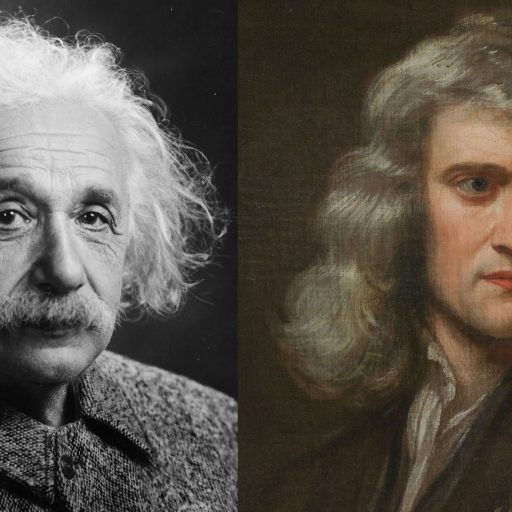
Einstein's general relativity has reigned supreme as our theory of gravity for over a century. Could we reduce it back down to Newton's law?
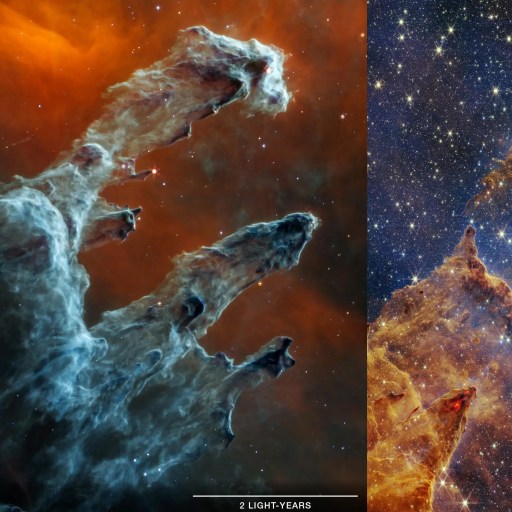
Our scientific instruments are constantly improving, revealing nature's workings as never before. Without them, we'll remain in the dark.
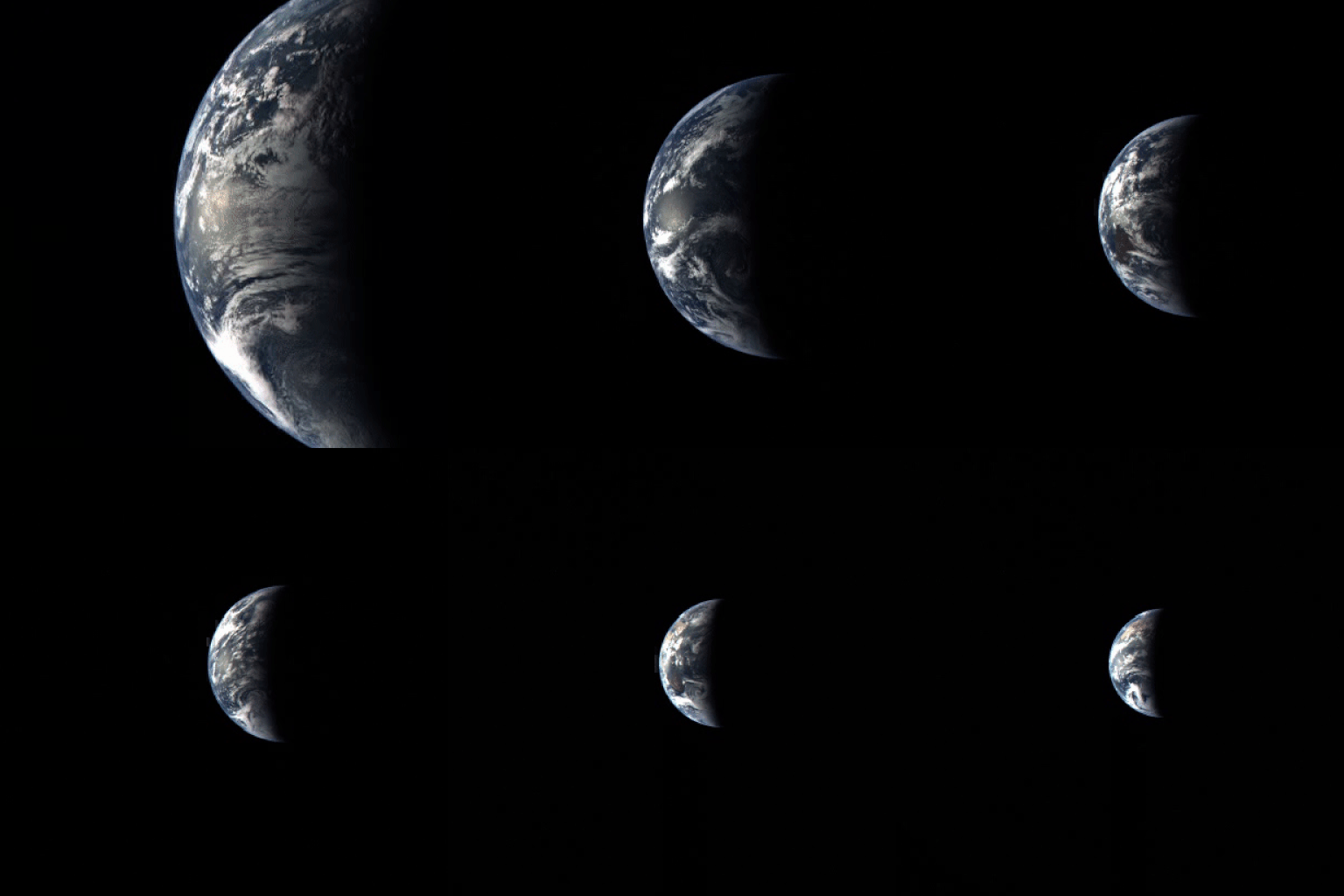
All scientific theories are limited in scope, power, and application, being mere approximations of reality. That's why consensus is vital.
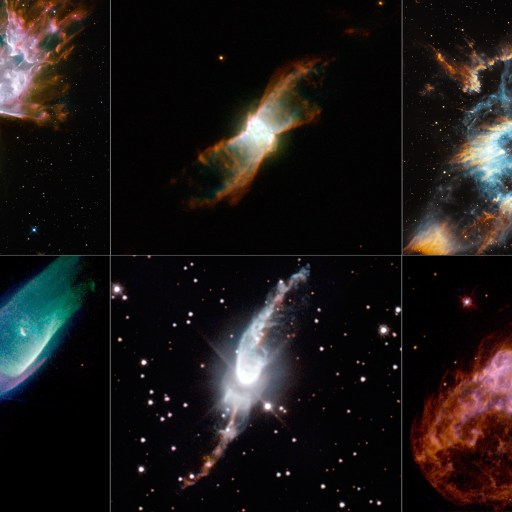
Some nebulae emit their own light, some reflect the light from stars around them, and some only absorb light. But that's just the beginning.
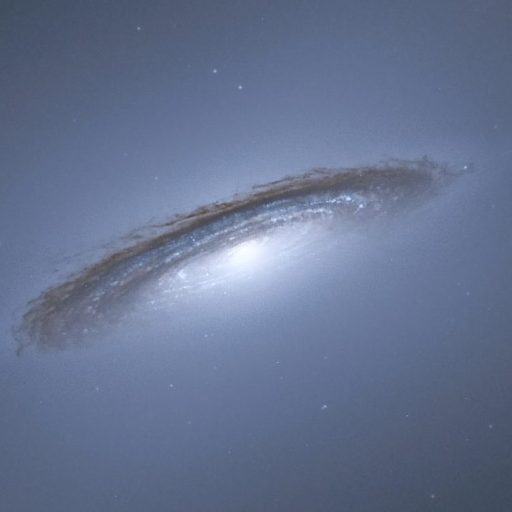
When we see spiral galaxies, some are face-on, others are edge-on, but most are tipped at an angle. But which side is closest to us?
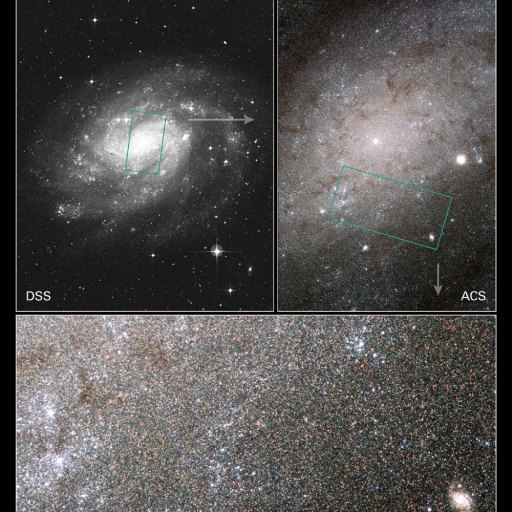
The tiniest galaxies of all are the most susceptible to violence by their larger, bullying siblings. That's why we need them in isolation.
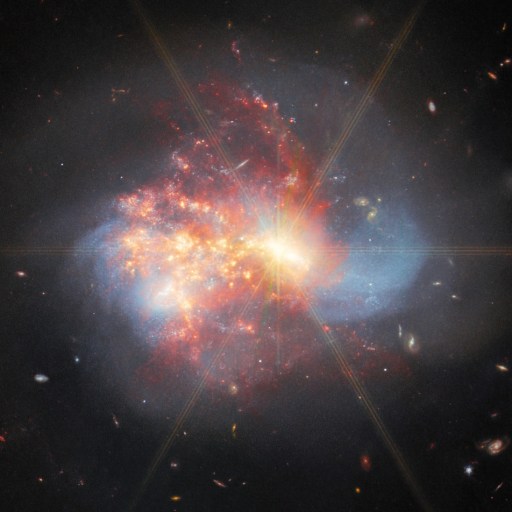
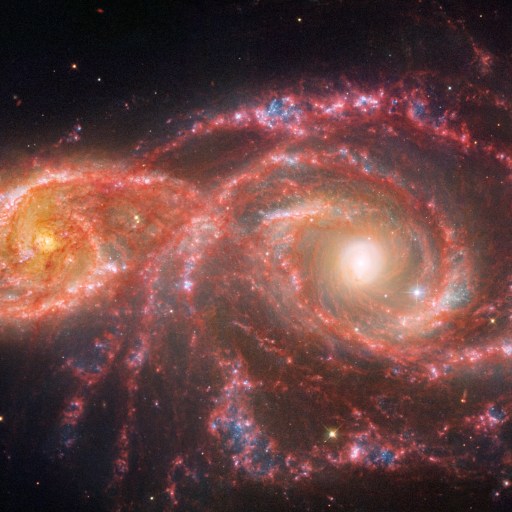
The Universe is expanding, and individual, bound structures are all receding away from one another. How, then, are galaxies still colliding?
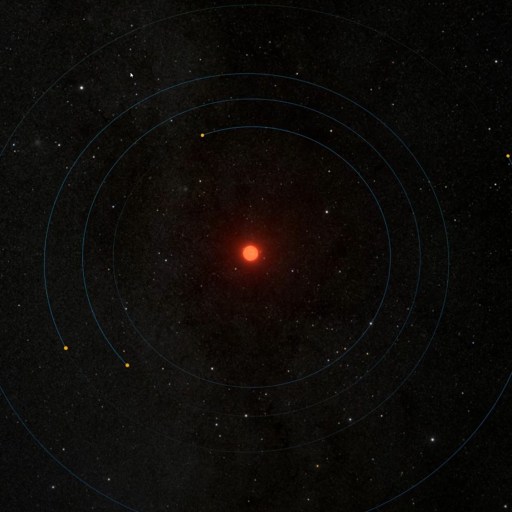
Barnard's star, the closest singlet star system to ours, has long been a target for planet-hunters. We've finally confirmed it: they exist!