Search
Ethan Siegel
A theoretical astrophysicist and science writer, host of popular podcast “Starts with a Bang!”
Ethan Siegel is a Ph.D. astrophysicist and author of "Starts with a Bang!" He is a science communicator, who professes physics and astronomy at various colleges. He has won numerous awards for science writing since 2008 for his blog, including the award for best science blog by the Institute of Physics. His two books "Treknology: The Science of Star Trek from Tricorders to Warp Drive" and "Beyond the Galaxy: How humanity looked beyond our Milky Way and discovered the entire Universe" are available for purchase at Amazon. Follow him on Twitter @startswithabang.
Read Less
If our Universe were born a little differently, there wouldn't have been any planets, stars, galaxies, or chemically interesting reactions.
Einstein's most famous equation is E = mc², which describes the rest mass energy inherent to particles. But motion matters for energy, too.
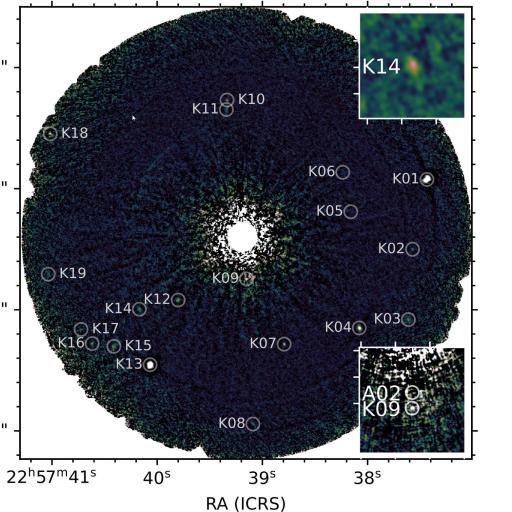
A surprising JWST discovery around Fomalhaut has a different, superior explanation: not a great dust cloud, but a mere background object.
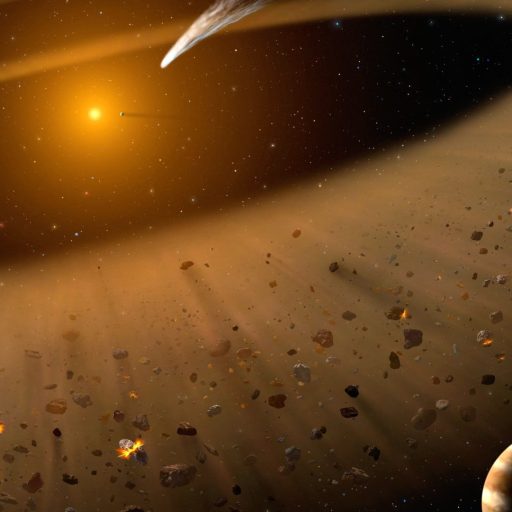
Massive objects like black holes, stars, and rogue planets routinely pass near our Solar System. An ensuing comet storm could destroy us.
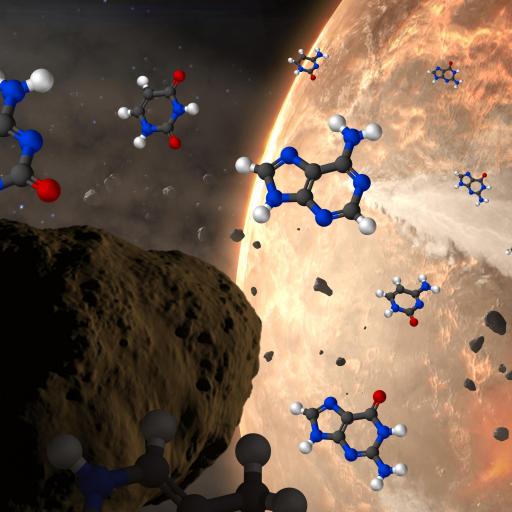
When the Universe was first born, the ingredients necessary for life were nowhere to be found. Only our "lucky stars" enabled our existence.
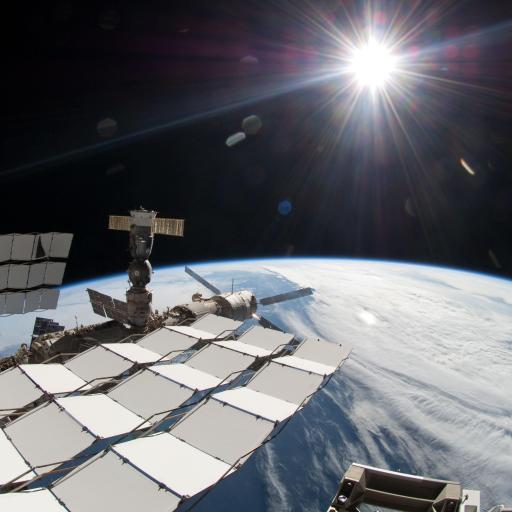
Some say that the Sun is a green-yellow color, but our human eyes see it as white, or yellow-to-red during sunset. What color is it really?
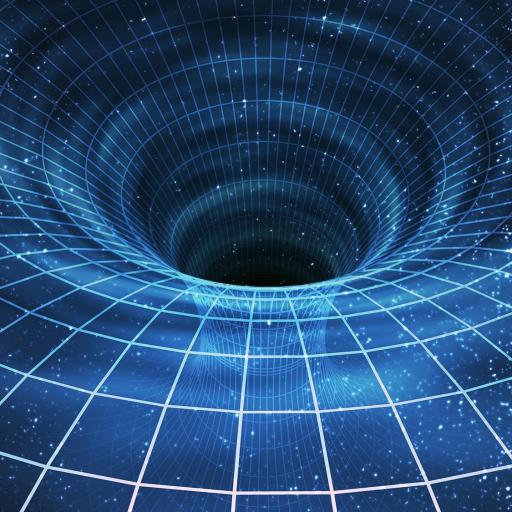
Yes, "the laws of physics break down" at singularities. But something really weird must have happened for black holes to not possess them.
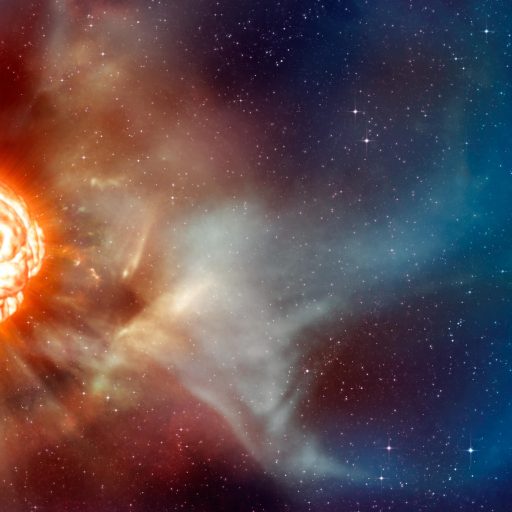
A new, unexpected brightening, just 3 years after a massive dimming event, has astronomers watching Betelgeuse. Is a supernova imminent?
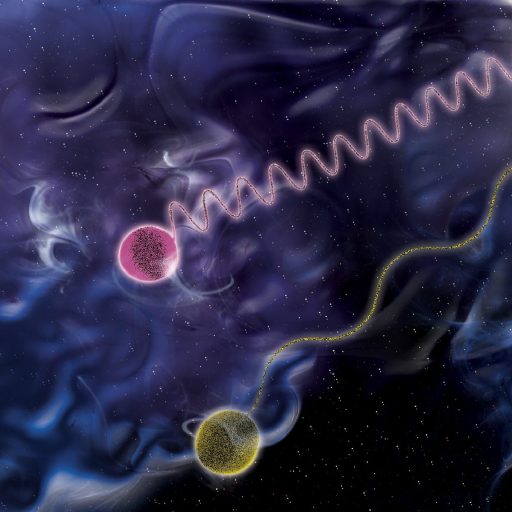
Contrary to common experience, not everything needs a medium to travel through. Overcoming that assumption removes the need for an aether.

Back in 1990, we hadn't discovered a single planet outside of our Solar System. Here are 10 facts that would've surprised every astronomer.
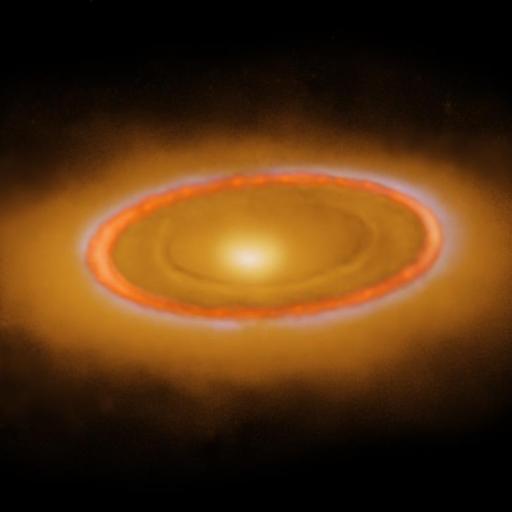
The nearby, bright star Fomalhaut had the first optically imaged planetary candidate. Using JWST's eyes, astronomers found so much more.
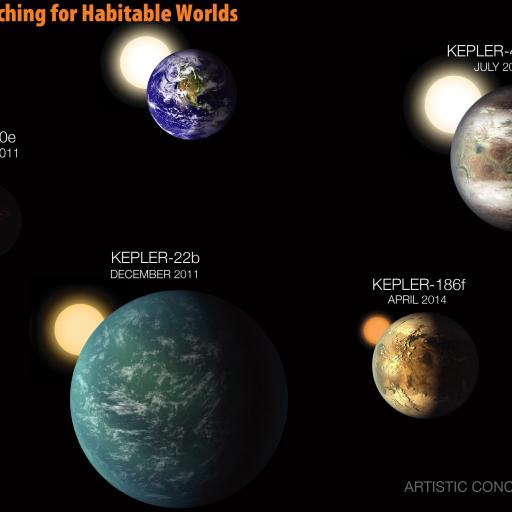
They're the most common type of exoplanet known today, and many astronomers have called them "super-habitable." None of that is true.
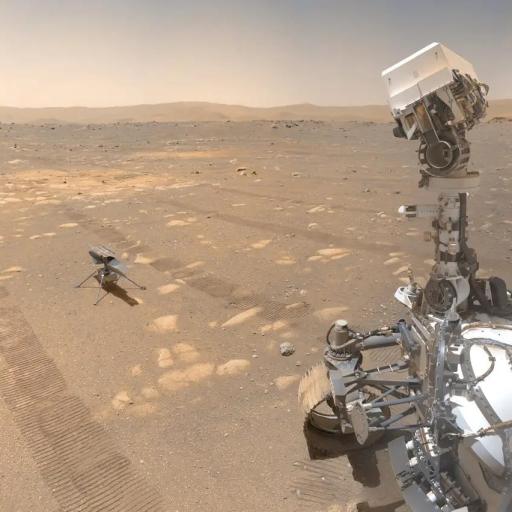
Mars, the red planet, was a world we knew almost nothing about until our first spacecraft visited it. In just ~50 years, how far we've come!

Before there were planets, stars, and galaxies, before even neutral atoms or stable protons, there was the Big Bang. How did we prove it?
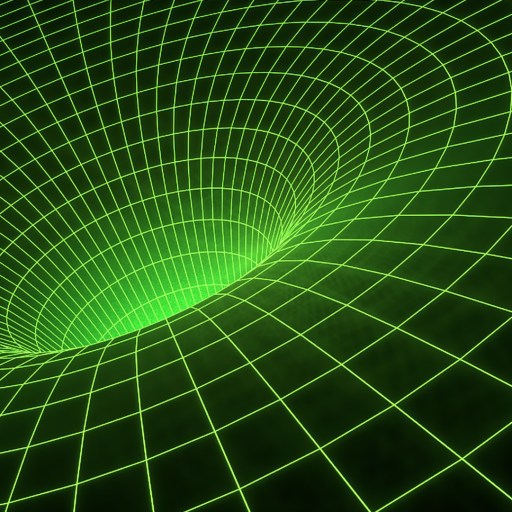
Einstein's relativity overthrew the notion of absolute space and time, replacing them with a spacetime fabric. But is spacetime truly real?
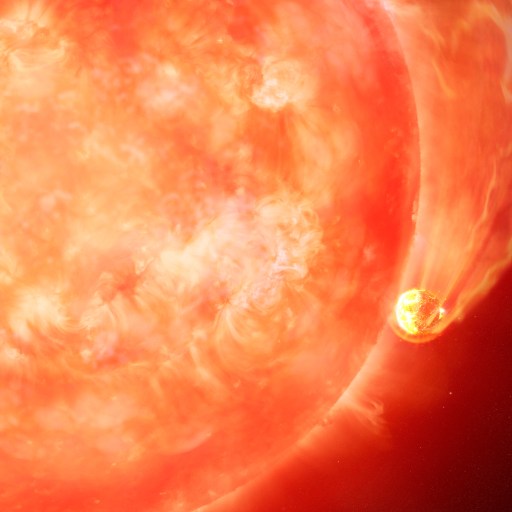
Many planets will eventually be devoured by their parent star. For the first time, we caught a star in the act, eating its innermost planet!

The conservation of energy is one of the most fundamental laws governing our reality. But in the expanding Universe, that's just not true.
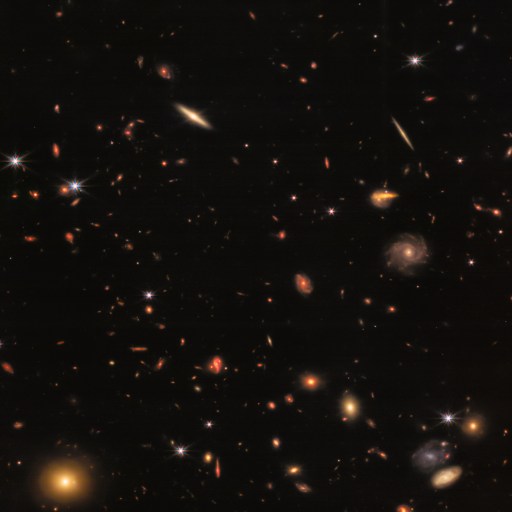
These high-mass, rapidly star-forming galaxies have called modern cosmology into question. But hi-res simulations show no tension at all.
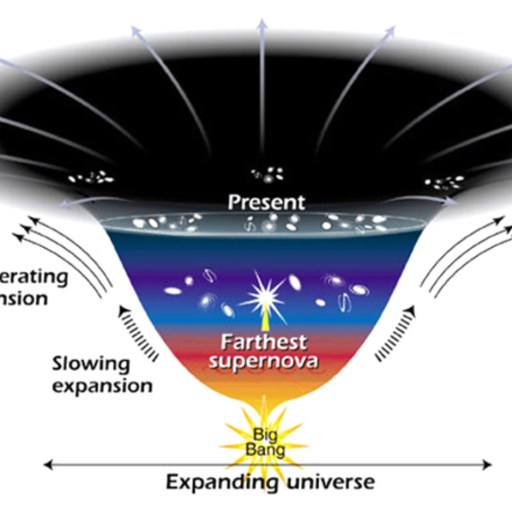
All forms of energy affect the expanding Universe. But if matter and radiation slow the expansion down, how does dark energy speed it up?
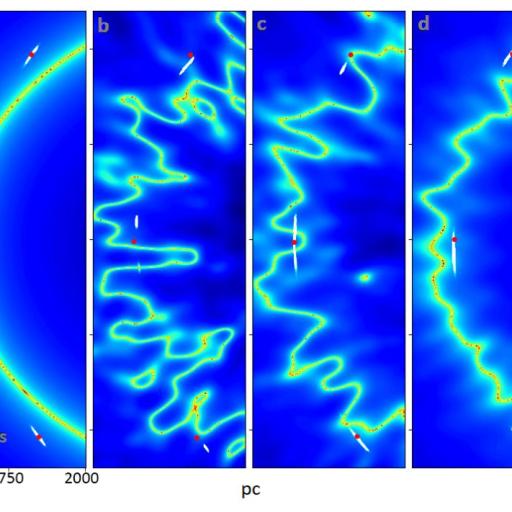
The best evidence for dark matter is astrophysical and indirect. Do new lensing observations point to ultra-light, wave-like dark matter?