Search
Kevin Dickinson

Kevin Dickinson is a staff writer and columnist at Big Think. His writing focuses on the intersection between education, psychology, business, and science. He holds a master’s in English and writing, and his articles have appeared in Agenda, RealClearScience, and the Washington Post. Follow him on LinkedIn and Twitter @KevinRDickinson.
Read Less

In 2018, cancer drugs earned the pharmaceutical industry $123.8 billion. Soon, they'll be worth billions more.

The job market of tomorrow will require people to develop their technical capacity in tandem with human-only skills.
Kenzie Academy

On average, American households dump the equivalent of $1,900 worth of food a year.

These seven subjects don't teach toward the test, but they will help students lead happier, healthier, and smarter lives.

Research suggests dog ownership may improve heart health, decrease depression, and even help you live longer.

The dominatrix profession demands a mastery of human psychology and the ability to command life's many challenges.

We catalogue seven more board games to teach children science, problem-solving, and even foster their creativity.

Charity and volunteering not only benefit the recipient but help you become happier and healthier in the new year.

The 385-million-year-old fossils show that trees evolved modern features millions of years earlier than previously estimated.

A new study suggests that a device's night mode may damage sleep hygiene even more.

Thinning forests in the Western United States can save billions of gallons of water per year and improve conservation efforts.

A new study finds that societies use the same acoustic features for the same types of songs, suggesting universal cognitive mechanisms underpinning world music.

Millennial income did not recover from the Great Recession like older generations', a disparity that can have dire consequences for future generations.
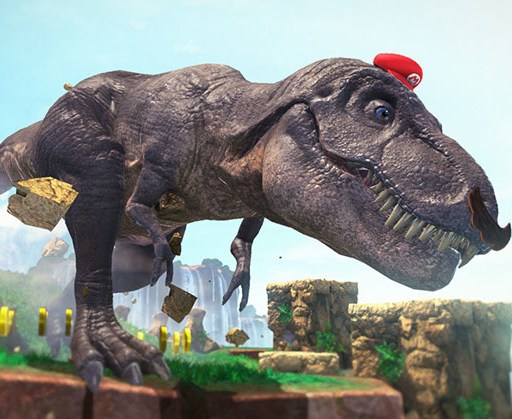
We found 10 video games that kids will love (and they'll secretly be learning, too).

It's not the act of buying but how you spend money that improves happiness and life satisfaction.

We're living longer than ever, but few of us will save enough to afford this historical boon.

Cognitive psychologist Steven Pinker reminds us that innuendo and euphemism yield better quid pro quo results than an "or else" ultimatum.

Conventional wisdom believes "screen time" disrupts mental development, but research hints at a more complicated relationship between our minds and digital technology.

Math trauma can follow people beyond grade school to harm their prospects well into adulthood.

Even if automation makes human trafficking economically inefficient, that alone won't end this unethical practice.