Search
Kevin Dickinson

Kevin Dickinson is a staff writer and columnist at Big Think. His writing focuses on the intersection between education, psychology, business, and science. He holds a master’s in English and writing, and his articles have appeared in Agenda, RealClearScience, and the Washington Post. Follow him on LinkedIn and Twitter @KevinRDickinson.
Read Less

Legislators push to keep cursive in their schools' curricula, but experts seem split as to whether it's necessary.

The Green New Deal is an ambitious attempt to fight climate change, but is it destined to hit the political skids?
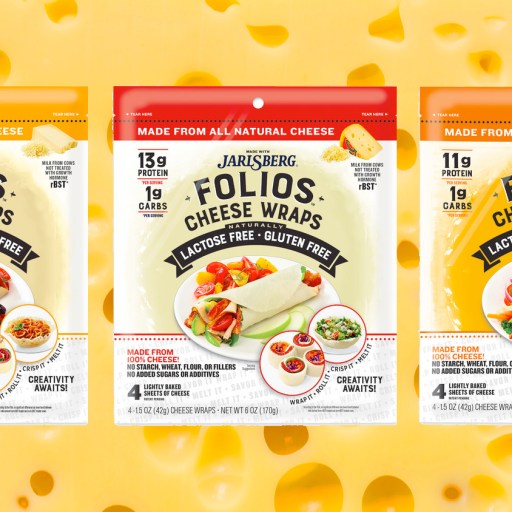
Folios cheese wraps can be a surprisingly healthy substitute for traditional tortillas. Of course, there's a catch.

As the popularity of sparkling waters grows, many wonder if it represents a fresh turning point or a crisp new snake oil.

We look at the most common New Year's resolutions and get expert advice to help you check them off 2019's to-do list.

It's not about the resolution but about how your mind tackles the problem.

Decades of studies have shown parents to be less happy than their childless peers. But are the kids to blame?
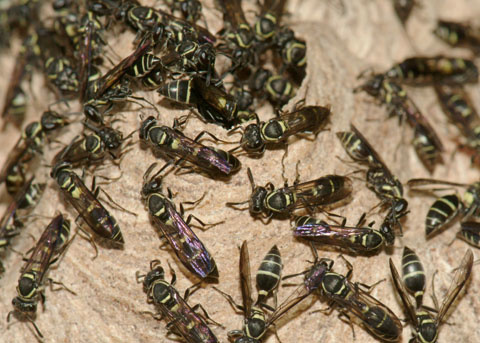
MIT researchers have discovered how to turn wasp venom into an antibiotic.

Luxembourg will offer the world's first fare-free public transit system, but is there really such a thing as a free ride?

The Great White North has found a way to provide universal healthcare with more salubrious results and trimmed national costs. Take notes, America.

When it comes to flirting, love meters have nothing on these researchers' findings.

These seven presidents had a window into the future—or were really good guessers.

Is everyone's favorite Thanksgiving centerpiece really to blame for the post-dinner doldrums?
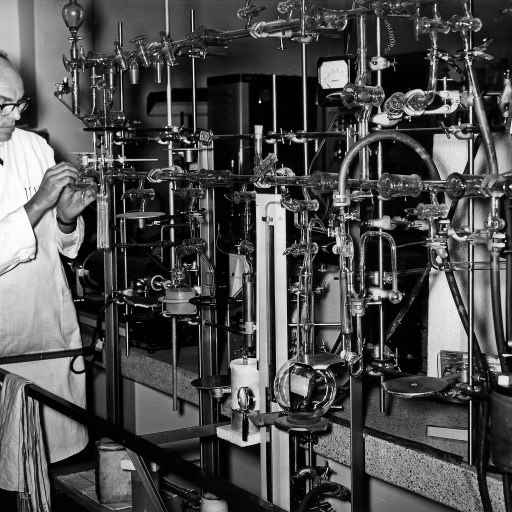
You may not recognize the names, but these seven scientists have improved the lives of people the world over.
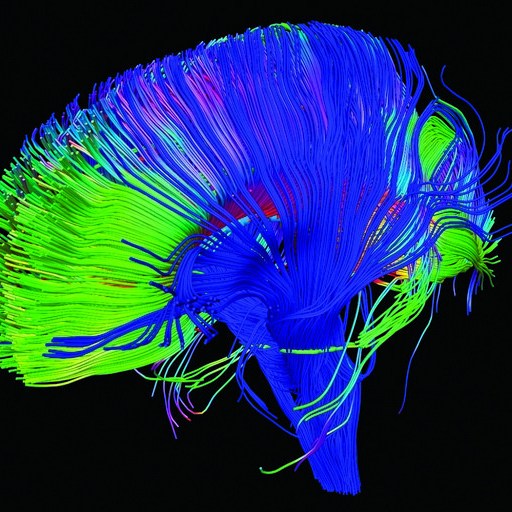
Is the appendix a useless organ, an immune system benefactor, a Parkinson's disease instigator, or all of the above?

Can algorithms use collective knowledge to make us all internet explorers?
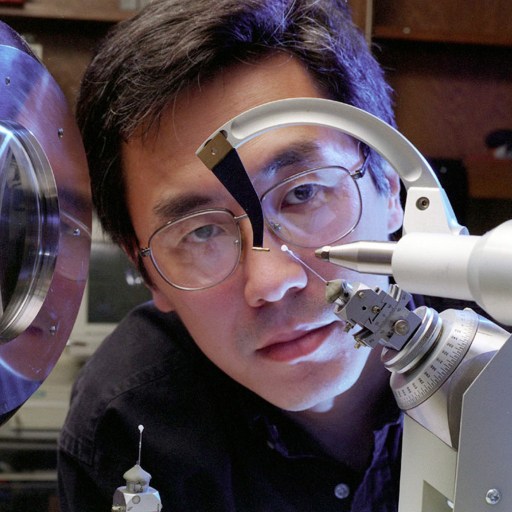
Electrons show chemists how to see more with less.

Is microdosing magic truffles a way to unlock your creative potential? That's long been anecdotal, but the evidence is coming.

The natural world evolved many pop culture frights long before storytellers used them to terrify us.
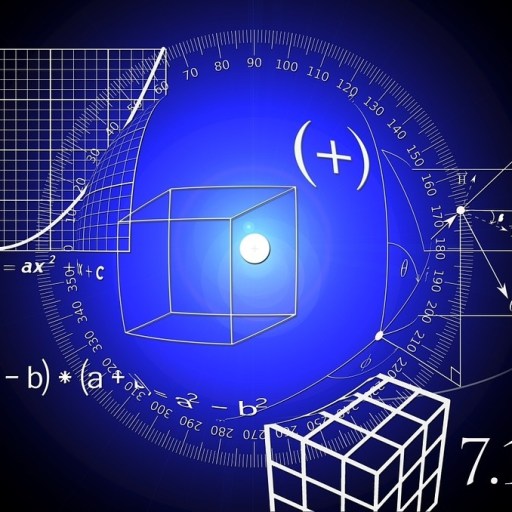
People often say, "I'm just not a math person," but the truth is that no one's brain is hardwired for math.