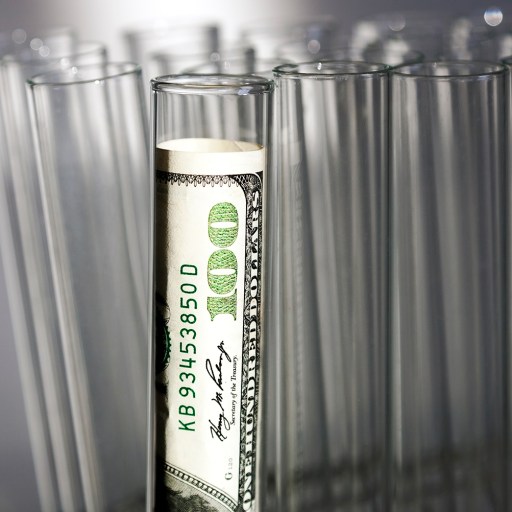
Only two things will change the minds of science skeptics: appeals to their ego, or their wallets.
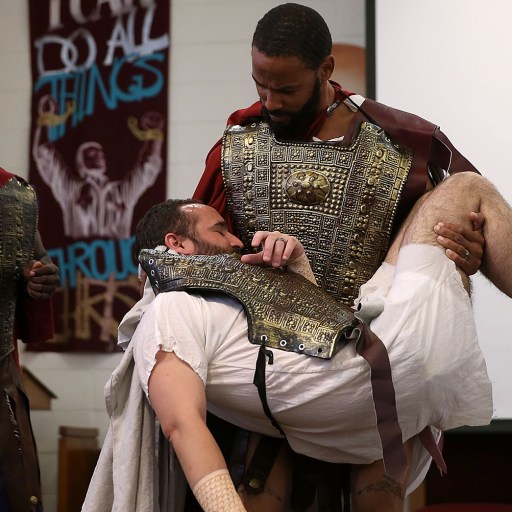
What happens when Shakespeare goes to prison? His works humanize prisoners and open them up to reform in a way that the prison system fails to, says author Margaret Atwood.
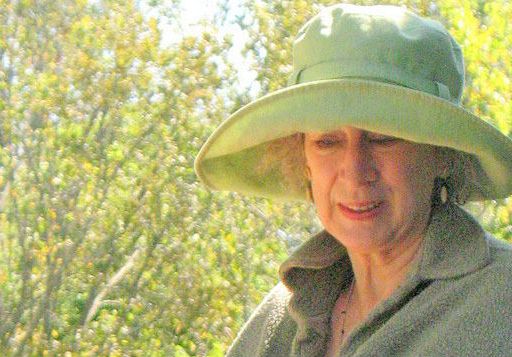
The problem with speculative fiction is what might be called "the tour of the garbage disposal plant," in which somone says to the visiting character, “Well in your day, you did this terribly inefficient thing, but now we have this wonderful garbage disposal plant.”
The art of narration may have emerged as an evolutionary adaptation, says the author. “If I can tell you that right over there in that river was where the crocodile […]
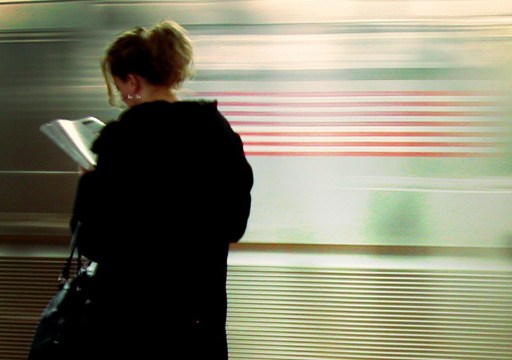
Reading may have evolved from early hunters’ skills of interpreting animal tracks, which allowed them to find food and determine whether they themselves were being hunted.
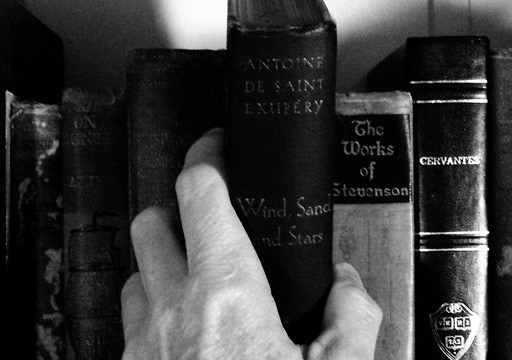
Books are important because electronic storage is fairly fragile. That said, e-books provide many advantages, especially for those with dyslexia and other reading disabilities.
The author tells us a Canadian sex joke.
Authors are always trying to disguise which parts of the novel were most difficult to write. For Atwood those parts are always the exposition, she says.
For the author, it’s not a question of sitting around and wondering what to write; it’s a question of deciding which of the “far-fetched and absurd” ideas she’s going to […]

New forms of communication are just modernizations of things that already existed earlier in some other form, says the author.
The sprightly 71-year-old has really taken to Twitter and now has over 85,000 followers.
The author grew up reading books like “1984” and “Brave New World” and wanted to solve the problem to which these types of books so often fall prey—too much exposition.
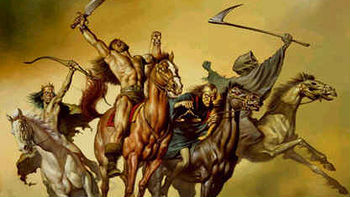
Books about the end of the world become popular when people suddenly realize that basic assumptions they took to be true may no longer hold.
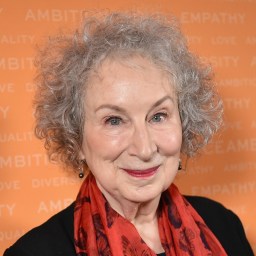
A conversation with the author.