Search
Tim Brinkhof

Tim Brinkhof is a Dutch-born, New York-based journalist reporting on art, history, and literature. He studied early Netherlandish painting and Slavic literature at New York University, worked as an editorial assistant for Film Comment magazine, and has written for Esquire, Film & History, History Today, and History News Network.
Read Less

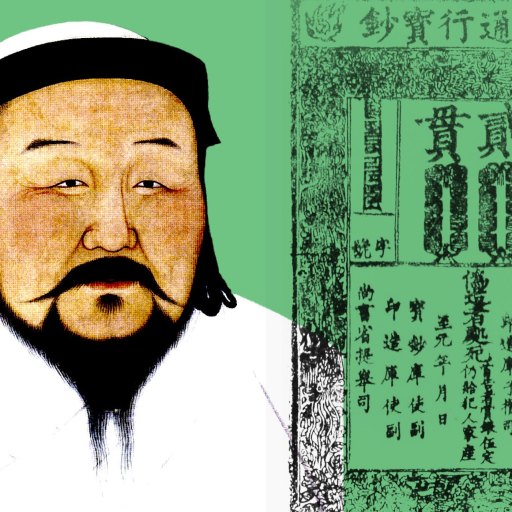
Kublai Khan wasn’t the first ruler in history to issue paper money, but his Yuan dynasty did take unprecedented action to ensure this revolutionary form of currency retained its value.
Million Stories

Though difficult to watch, films like "Shoah" and "Life of Crime" cover topics that should not be ignored.
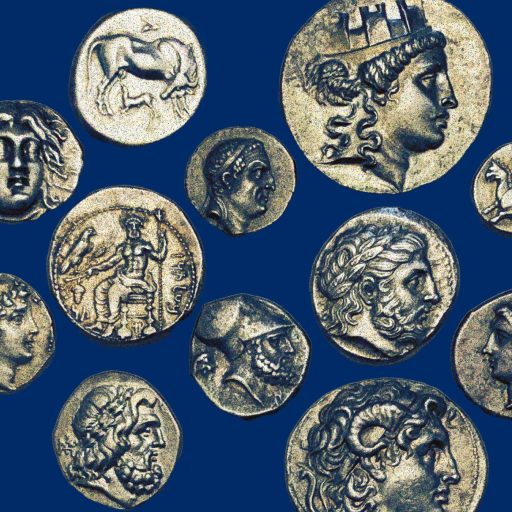
The Greeks were among the first to move beyond “primitive money” and establish an official currency, transforming their trade, government, and even philosophy.
Million Stories

When Cameroon's Lakes Monoun and Nyos exploded, they released clouds of carbon dioxide that suffocated everything in its wake.
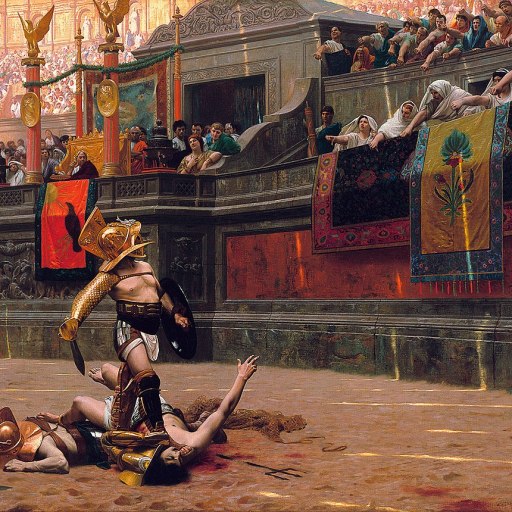
More than mindless bloodshed, the gladiatorial games were organized sports. Gladiators were treated as world-class athletes, receiving superior diets and medical care.
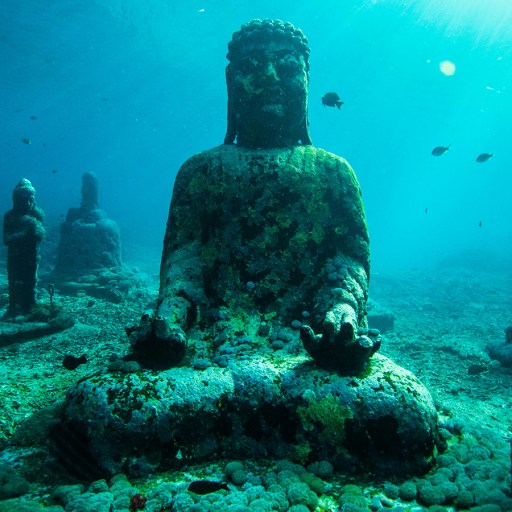
Some artifacts drown in shipwrecks, others are taken by the tide. Many others will vanish as a result of climate change and rising sea levels.
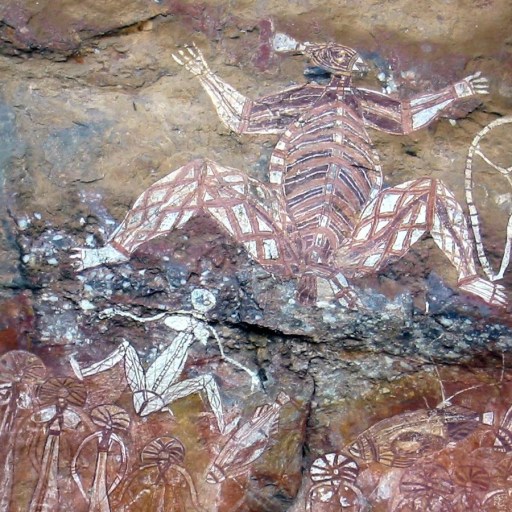
Rock art in northern Australia depicts marsupial lions, giant kangaroos, and other megafauna that populated the Land Down Under long ago.
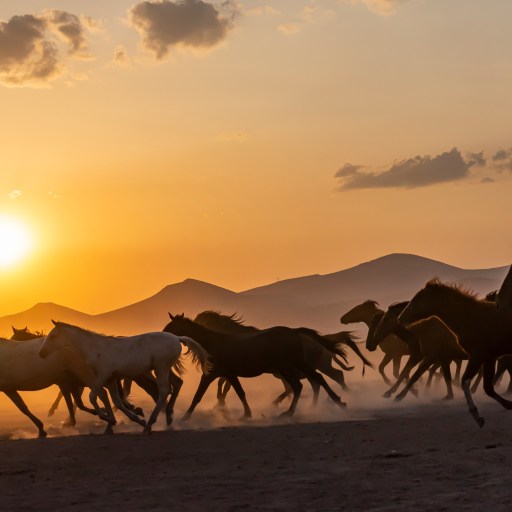
Horses pranced around the western hemisphere until they went extinct in the late Holocene. They were reintroduced by European colonists — though where, when, and how has remained unclear.

Rare and costly paints have shaped art history in unforeseen ways. Mummy brown caused one artist to bury his paint.

Long before Christopher and Magellan, ancient explorers voyaged into the unknown and brought home extraordinary tales.
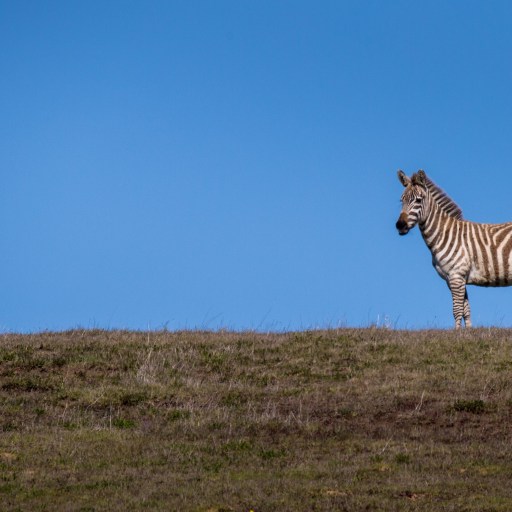
The zebras were originally part of a newspaper tycoon's private zoo. Now they roam the San Simeon grasslands, growing in numbers.
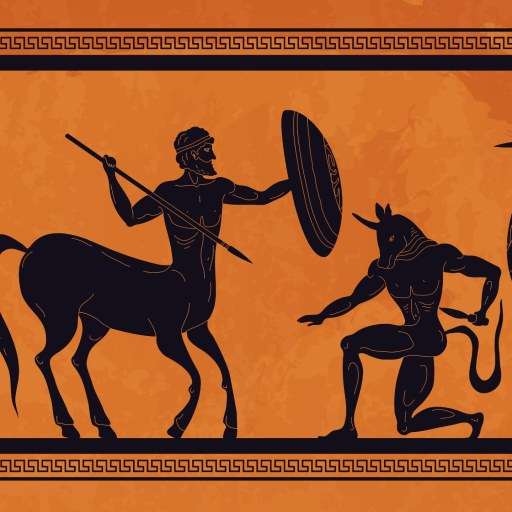
Using data collected from ancient civilizations across the world, researchers identified the most significant factors in human development. War came out on top.

Is "The Garden of Earthly Delights" by Hieronymus Bosch a condemnation of sin or a celebration of hedonism? Art historians still aren’t sure.
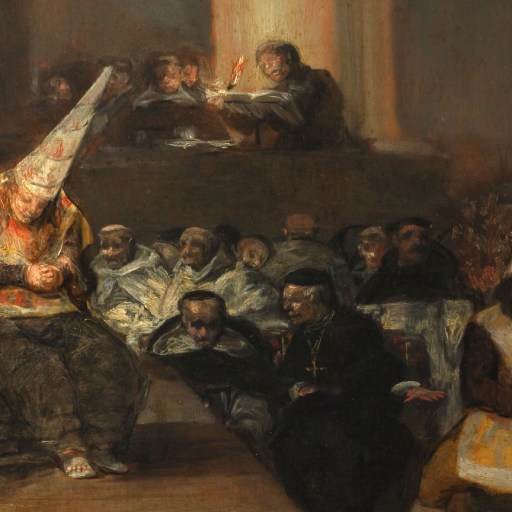
The role of the Devil’s advocate was to argue against the beatification of mystics. Contrary to popular belief, they did not wear Prada.
Long before tobacco arrived from the Americas, ancient civilizations in the Old World were getting high off hemp smoke and opium.

The Netflix show about a Birmingham crime family and their personal demons concluded earlier this month.

The architecture and infrastructure found may well have required the greatest amount of skilled labor of any construction from the same time period in the entire continent.

Unlike other world rulers, Genghis Khan was laid to rest not inside an elaborate mausoleum but an unmarked grave somewhere in Mongolia. Maybe.

In the Canaan religion, Yahweh was a lesser god, who was assigned the land of Israel. Here's how he became "God Almighty."