Search
Tim Brinkhof

Tim Brinkhof is a Dutch-born, New York-based journalist reporting on art, history, and literature. He studied early Netherlandish painting and Slavic literature at New York University, worked as an editorial assistant for Film Comment magazine, and has written for Esquire, Film & History, History Today, and History News Network.
Read Less
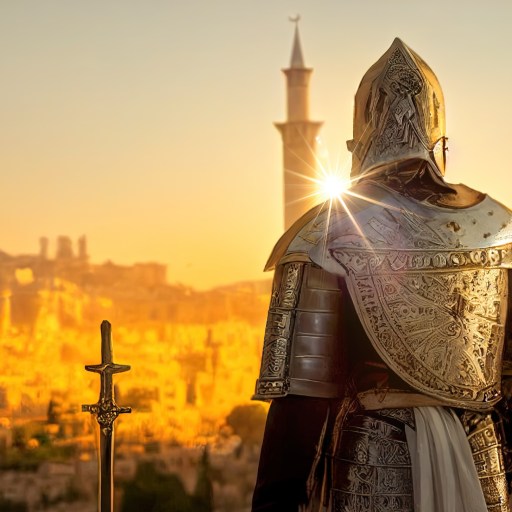
The Knights Templar were not only skilled fighters, but also clever bankers who played a crucial role in the development of Europe’s financial systems.

Marcus Tullius Cicero is widely regarded as one of the most gifted orators in human history. His writings can teach us a lot about the lost art of public speaking.
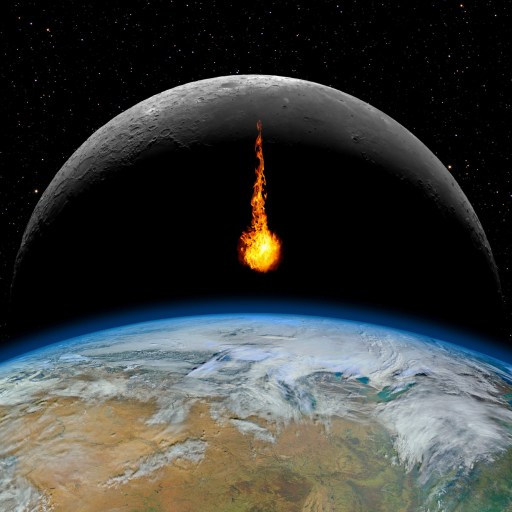
Is history decided by discernible laws or does it unfold based on random, unpredictable occurrences?

Studying neuroscience through art.
The value of art does not lie in the artwork itself but is instead determined by curators, collectors, critics, and other participants in the modern-day art market.
Million Stories

Satanic cultists don't even believe the Devil exists. Satanism is largely a religion focused on secular humanism and hedonism.

Instead of worshipping Yahweh, the devotees were perhaps dedicated to Mars and Jupiter.

This year’s Nobel Peace Prize ceremony sends yet another strong message to Russian president Vladimir Putin.
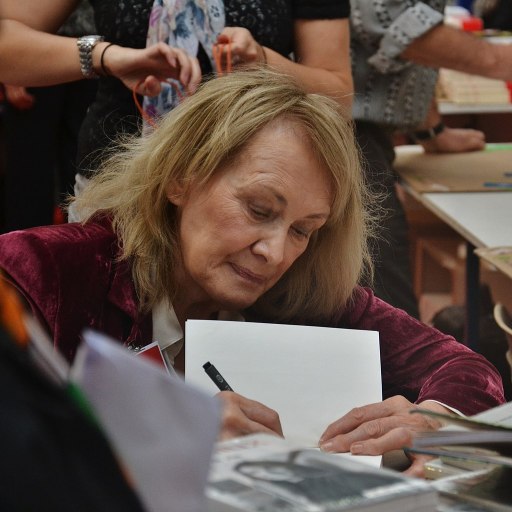
Many were expecting extremism survivor and free speech advocate Salman Rushdie to take home the Nobel Prize in Literature, but Annie Ernaux beat him to it.

Japan just opened to tourists for the first time since the coronavirus pandemic began, echoing the island country’s isolationist policies during the feudal era.

"Salvator Mundi" sold for a record-breaking $450 million in 2017, but is it really as valuable as people were led to believe?

Modernism has lasted longer than any art movement since the Renaissance.

Sigmund Freud developed the decidedly unscientific principles of psychoanalysis in a time when most psychologists were trying to join the ranks of chemists and medical doctors.
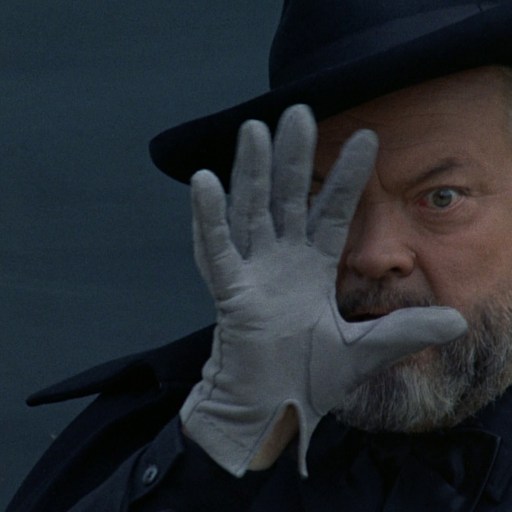
Successful forgers are remembered as great conmen, not artists. This is strange, considering their forgeries fooled even the most seasoned critics.

For decades, the Communist Party of China has relied on reeducation camps to reform "parasites" and persuade people to support the communist cause.
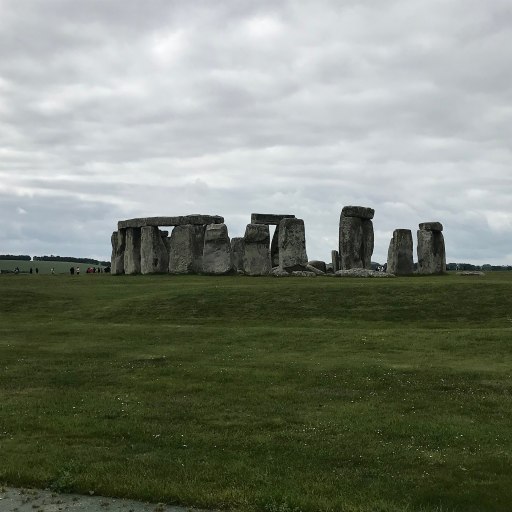
"Spanish Stonehenge" contains 526 giant stones, three circular burial sites, a quarry, and four necropolises.
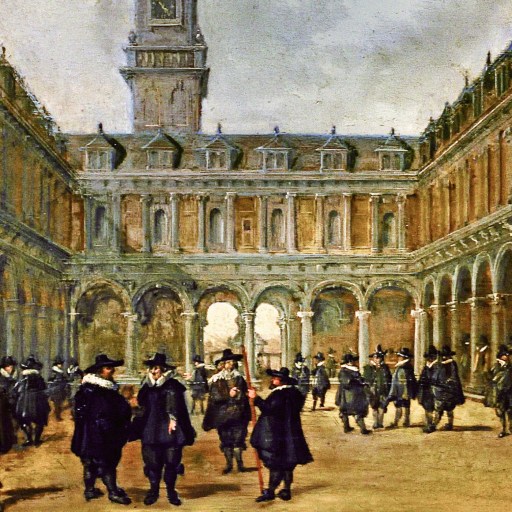
The East India Company issued stocks to minimize the risk on their unpredictable but highly lucrative voyages. The rest is history.
Million Stories

To be successful at bonsai cultivation, you must acquire the perseverance and unconditional kindness normally reserved for devout monks.
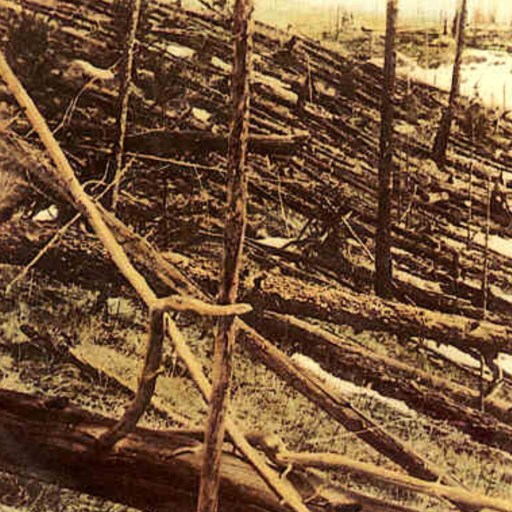
On the morning of June 30, 1908, an explosion of more than 10 megatons occurred above the sparsely populated Siberian Taiga. What caused the so-called Tunguska event?

The “first-of-its-kind” archeological find is being reburied despite the fact that researchers haven’t finished studying it.