Search
Tim Brinkhof

Tim Brinkhof is a Dutch-born, New York-based journalist reporting on art, history, and literature. He studied early Netherlandish painting and Slavic literature at New York University, worked as an editorial assistant for Film Comment magazine, and has written for Esquire, Film & History, History Today, and History News Network.
Read Less

To understand Vincent van Gogh, we must first debunk the myth of the tortured artist. Van Gogh believed his illness inhibited his creativity.

Becoming a renter in today’s economy may be a smart decision for some people.
Million Stories

It’s a lot easier to point out things that are gezellig (adjective) than it is to define gezelligheid (noun) itself.
Treating “oniomania” or compulsive buying disorder is about protecting your finances as well as your mental health.
Million Stories
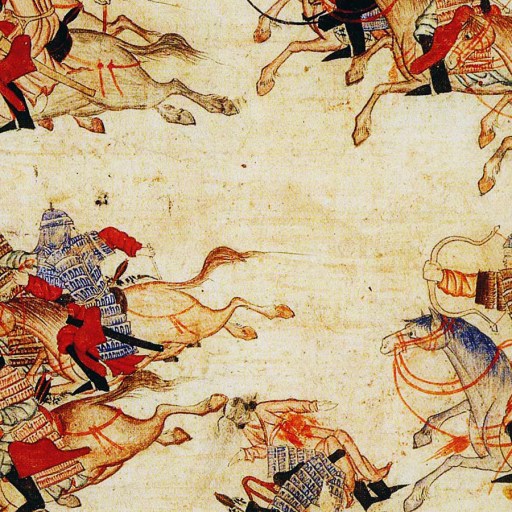
Mongol forces never fully conquered the continent, but they played a key role in its historical development.

His plan to replace it with homegrown rice did not go well.

FIRE is a lifestyle that promotes extensive saving in order to retire early, despite the fact that early retirement is far from practical.
Million Stories
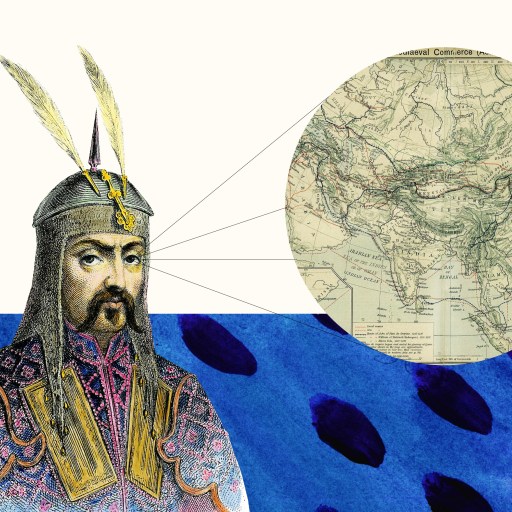
When Mongol traders came knocking, Sultan Muhammad II shaved off their beards. Three years later, his whole empire was annihilated.
In order to figure out how English might evolve in the future, we have to look at how it has changed in the near and distant past.
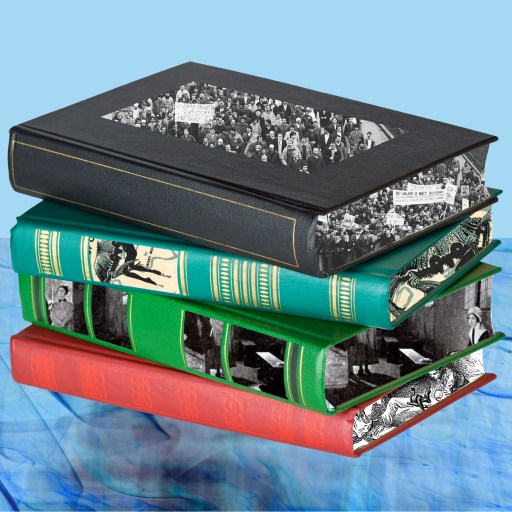
Some classic books, like Mark Twain’s "The Adventures of Huckleberry Finn," remain controversial to this day.
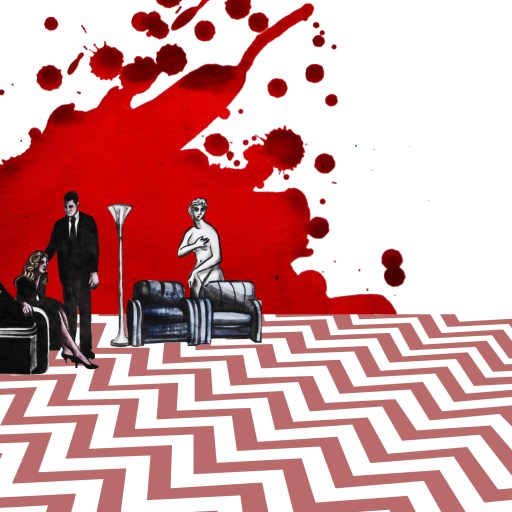
“Like real dreams, it does not explain, does not complete its sequences," film critic Roger Ebert once wrote about "Mulholland Drive."
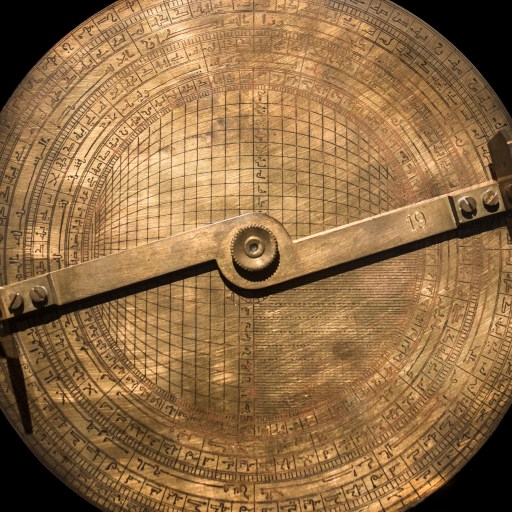
The 1,200-year-old "Book of Ingenious Devices" contains designs for futuristic inventions like gas masks, water fountains, and digging machines.
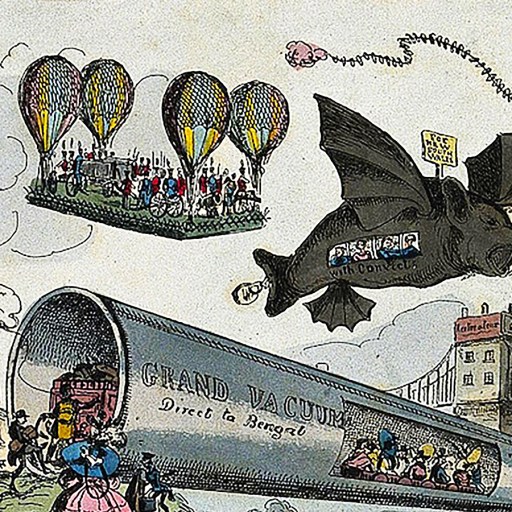
Jules Verne wrote about gasoline-powered vehicles, weapons of mass destruction, and global warming more than a century ago.

For Nietzsche, a great work of art can either veil the horror of reality or – better yet – help us face it.
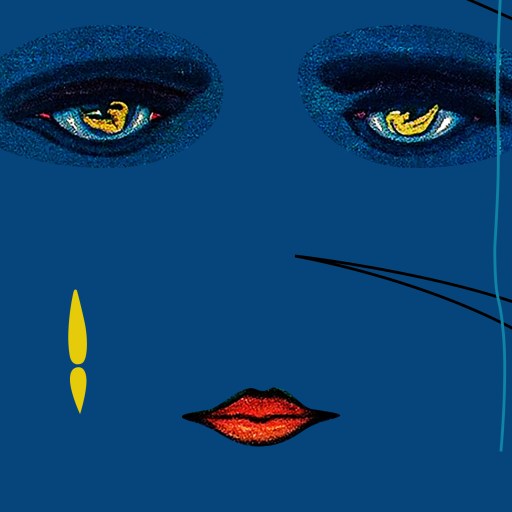
"Painfully forced" is how one contemporary critic described Fitzgerald's writing style.

From the Palace of the Soviets to The Illinois, these unmade buildings would have taken the art of architecture to whole new heights.

Art criticism is inherently subjective. Still, many critics have tried to make a case for why some of the world’s most celebrated books are in fact terribly written.
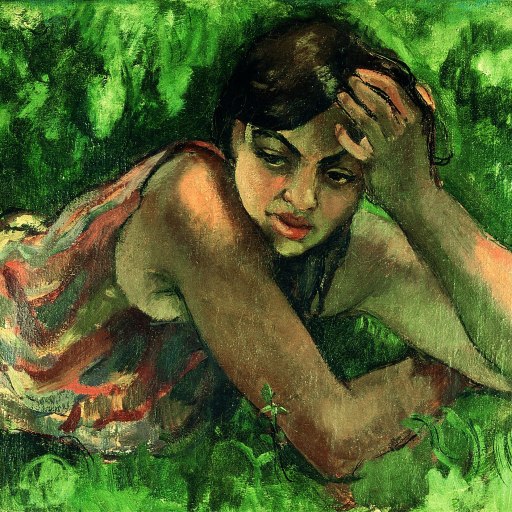
In the West, discussions of 20th-century painting are dominated by Warhol and Picasso, but trendsetting artists are found everywhere.

Whether in Russia or China, the secret police are defined by their unquestioning loyalty — as well as by their poor career prospects.
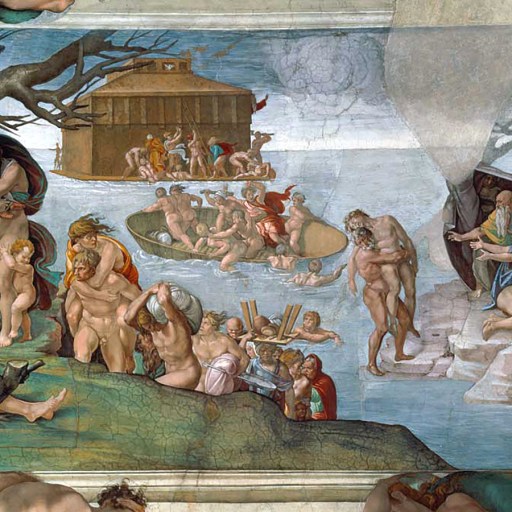
Could the prevalence of flood myths around the world tell us something about early human migration or even the way our brains work?