Search
Data

We chat with Mark Klarzynski, founder of PEAK:AIO, on how his company became an international player in data storage for the age of AI.
1hr 12mins
Members
“Consciousness is fundamental. It's a fundamental property of the world that we inhabit, a fundamental property of the universe.”

We've now detected hundreds of gravitational waves with LIGO, Virgo, and KAGRA. What if we tried Weber's original method in the modern day?

The first world beyond Earth for human habitability should be the Moon, not Mars. This is why we should terraform our lunar neighbor first.
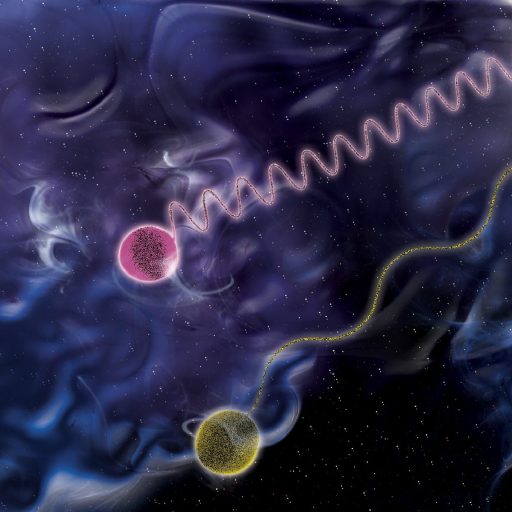
Times dilate and lengths contract near the speed of light. Bizarre and confusing? Sure. But under relativity, it can't be any other way.
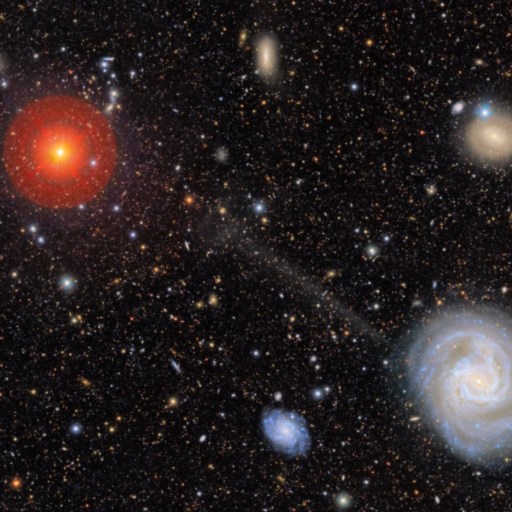
Stellar streams are faint trails of stars that appear to "stream" out of galaxies. A new one, escaping galaxy M61, may point to many others.
How did Jobs revolutionize tech, not once but continually? Aspiring innovators — and today's Apple — should look to The Bard and seek out singularity.
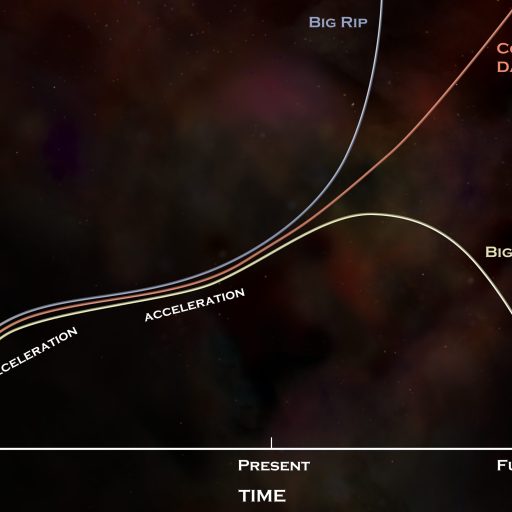
There's some, but not overwhelming, evidence that dark energy is evolving. What would it take for a "Big Crunch" to be our cosmic fate?
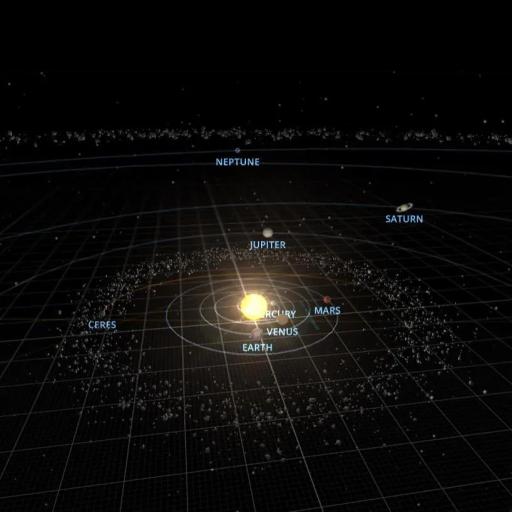
Scientists are notoriously resistant to new ideas. Are they falling prey to groupthink? Or are our current theories just that successful?

The planet, the Solar System, and the galaxy aren't expanding. But the whole Universe is. So where does the dividing line begin?
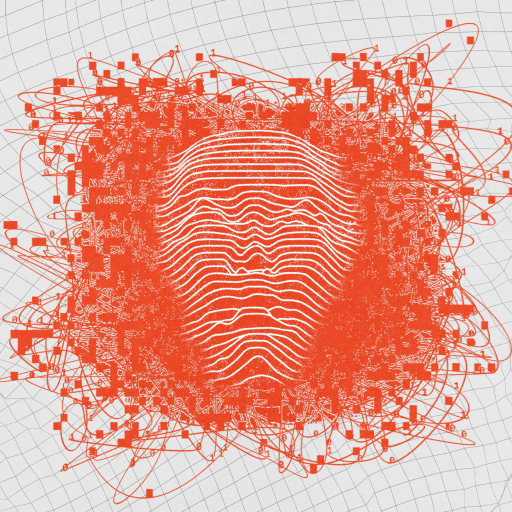
A look at how criminals are using unrestricted chatbots and how cyber defenders are fighting back.
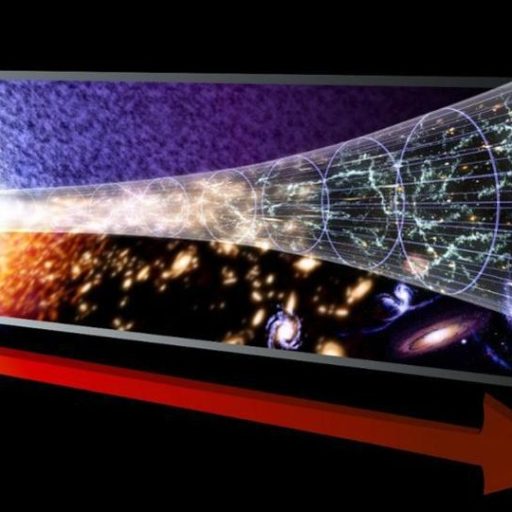
For 13.8 billion years, the Universe has been expanding. But that couldn't have been the case for an eternity, and science has proven it.
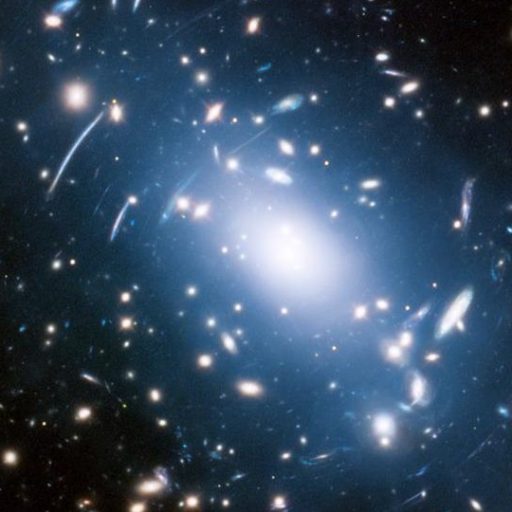
Dark matter has never been directly detected, but the astronomical evidence for its existence is overwhelming. Here's what to know.
We've long known we can't go back to infinite temperatures and densities. But the hottest part of the hot Big Bang remains a cosmic mystery.
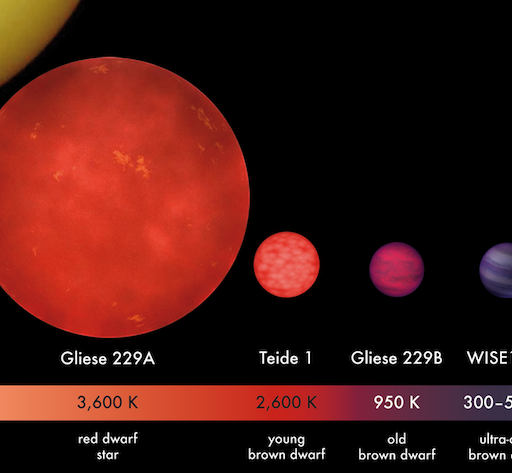
Red dwarfs are the Universe's most common star type. Their flaring now makes potentially Earth-like worlds uninhabitable, but just you wait.
It's time to write the human genome, argues microbiologist Andrew Hessel.
24mins
“Deep down the natural endpoint of this whole goal of looking for planets is to answer the question: are we alone?”

16mins
“No matter what their gods were, what they did for a living, what they wore, the songs they sang, everything varies except love, and everybody loves.”
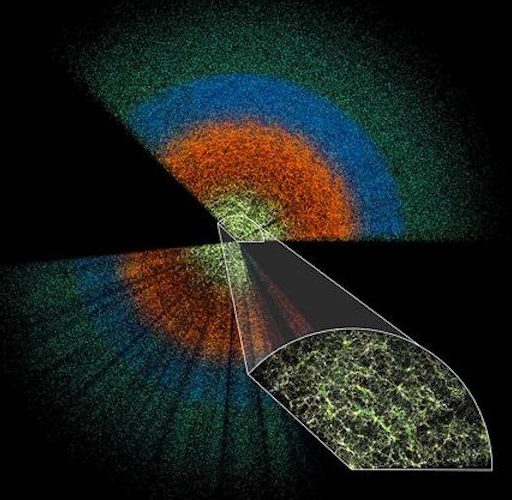
Observations with the Hubble space telescope helped cement dark energy and reveal the Hubble tension. How are these two things so different?
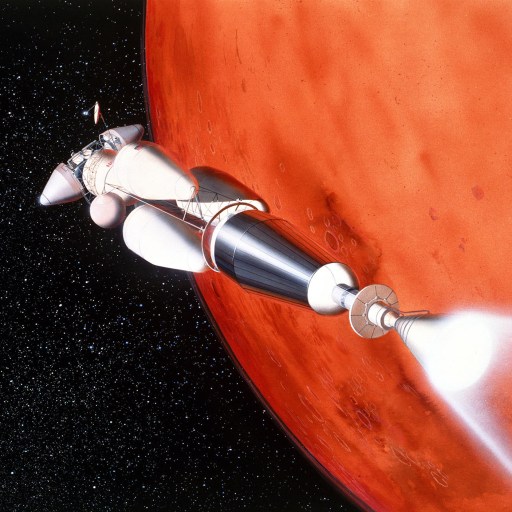
"Think of it like a transcontinental railroad — not the fastest way to move a lot of mass, but certainly the most efficient,” Jared Isaacman said about nuclear electric propulsion.
A preview of the latest novel by the Hugo- and Nebula-winning author.
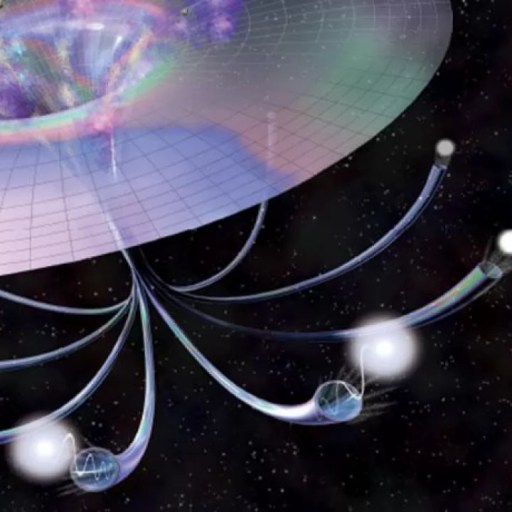
Inflation's two main criticisms, that it can predict anything and that the "measure problem" remains unsolved, can't erase its successes.
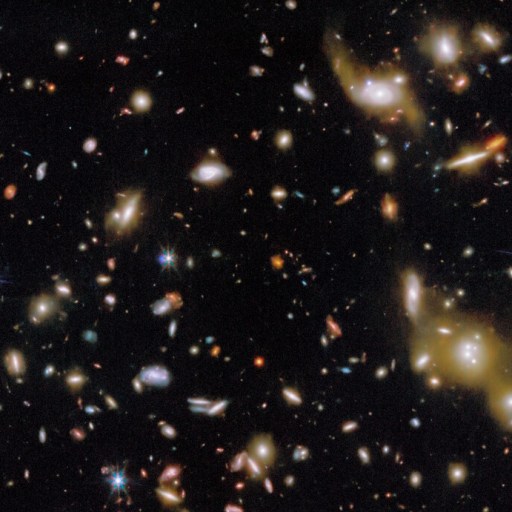
To learn how our Universe grew up, we have to look at large numbers of galaxies at all distances to find out. Good thing we have JWST!

If AI is modeled only on human intelligence, will it inherit only human ways of seeing the world?
59mins
"One of the largest mitigating factors against getting traumatized is who is there for you at that particular time."
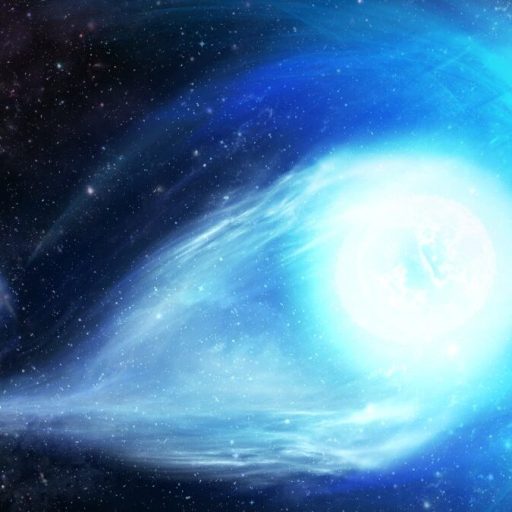
As the Universe ages, it continues to gravitate, form stars, and expand. And yet, all this will someday end. Do we finally understand how?
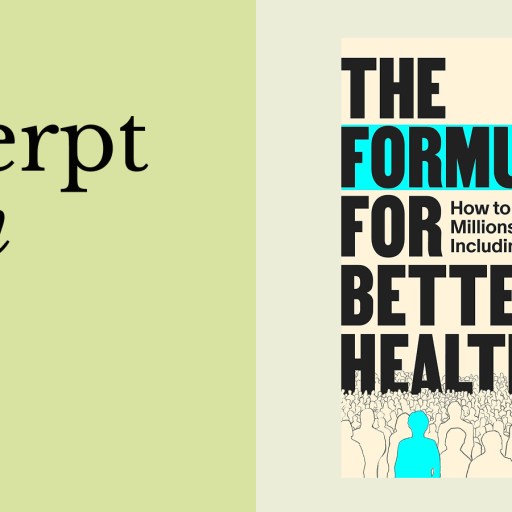
In this excerpt from "The Formula for Better Health," Tom Frieden explores how Alice Hamilton transformed public health in her fight against lead poisoning.
Members
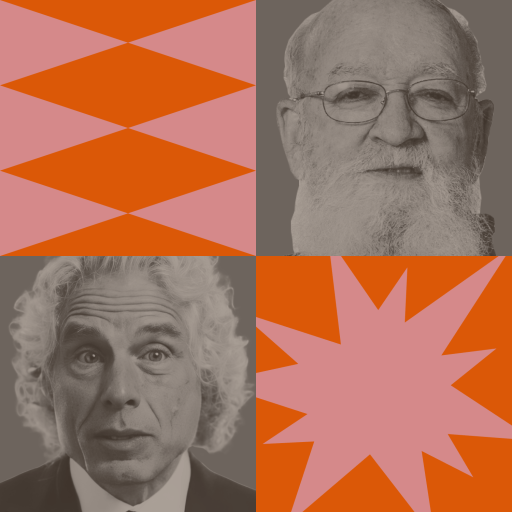
This class, featuring insights from experts like Steven Pinker and Gary Marcus, equips learners with critical thinking tools to navigate biases, understand scientific research, and make informed decisions in a media-saturated world, emphasizing the importance of questioning assumptions and grounding perceptions in data.
Members
This class, featuring experts like Timothy, Herman, and Zollman, explores organizational culture and decision-making by emphasizing psychological qualities, diverse perspectives, and the importance of collaboration, trust, and organized skepticism to enhance team effectiveness and combat cognitive biases.
Members
This class explores human decision-making, emphasizing humility and data-driven analysis while addressing cognitive biases like availability bias and confirmation bias, ultimately equipping participants with strategies to improve judgment and navigate complex choices through a blend of psychological insights and practical applications.